C’était un rendez-vous: Lelouch’s Paris run, its cars and its myths
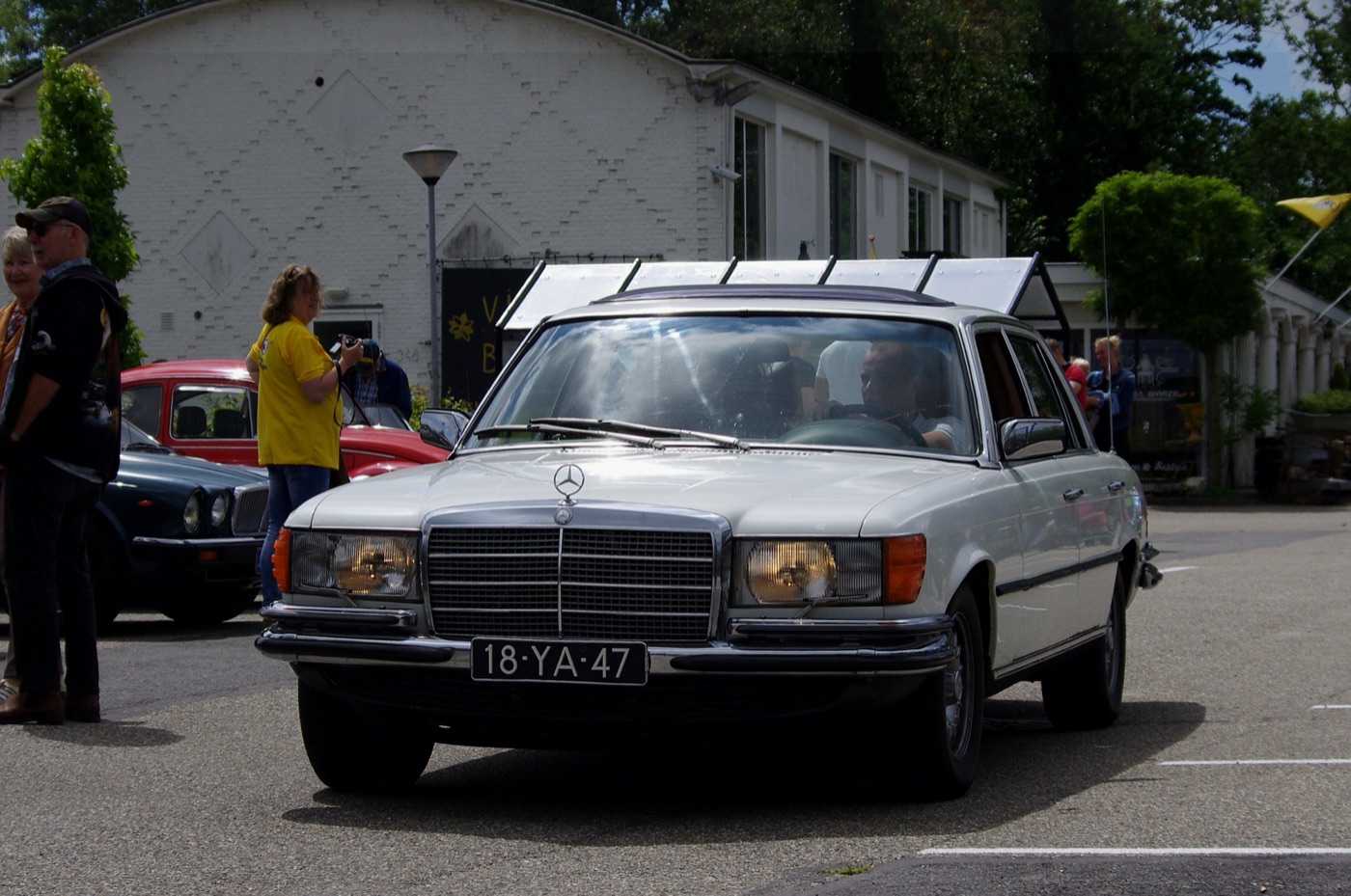
C’était un rendez-vous (“It was a date”) is a nine-minute short film that the French director Claude Lelouch shot in one take in August 1976: a car driven flat out across Paris at dawn, from Porte Dauphine to the steps of Sacré-Cœur, through red lights and the wrong way up one-way streets, with the camera fixed to its front bumper. People still look it up for the questions it left open for decades: which car it was, who was driving, how fast it went and whether Lelouch was arrested for it. The answers are a Mercedes-Benz 450 SEL 6.9 dubbed with the sound of a Ferrari 275 GTB, Lelouch himself, more than 200 km/h at times, and a driving licence that the police confiscated for a few moments.
What happens in the film
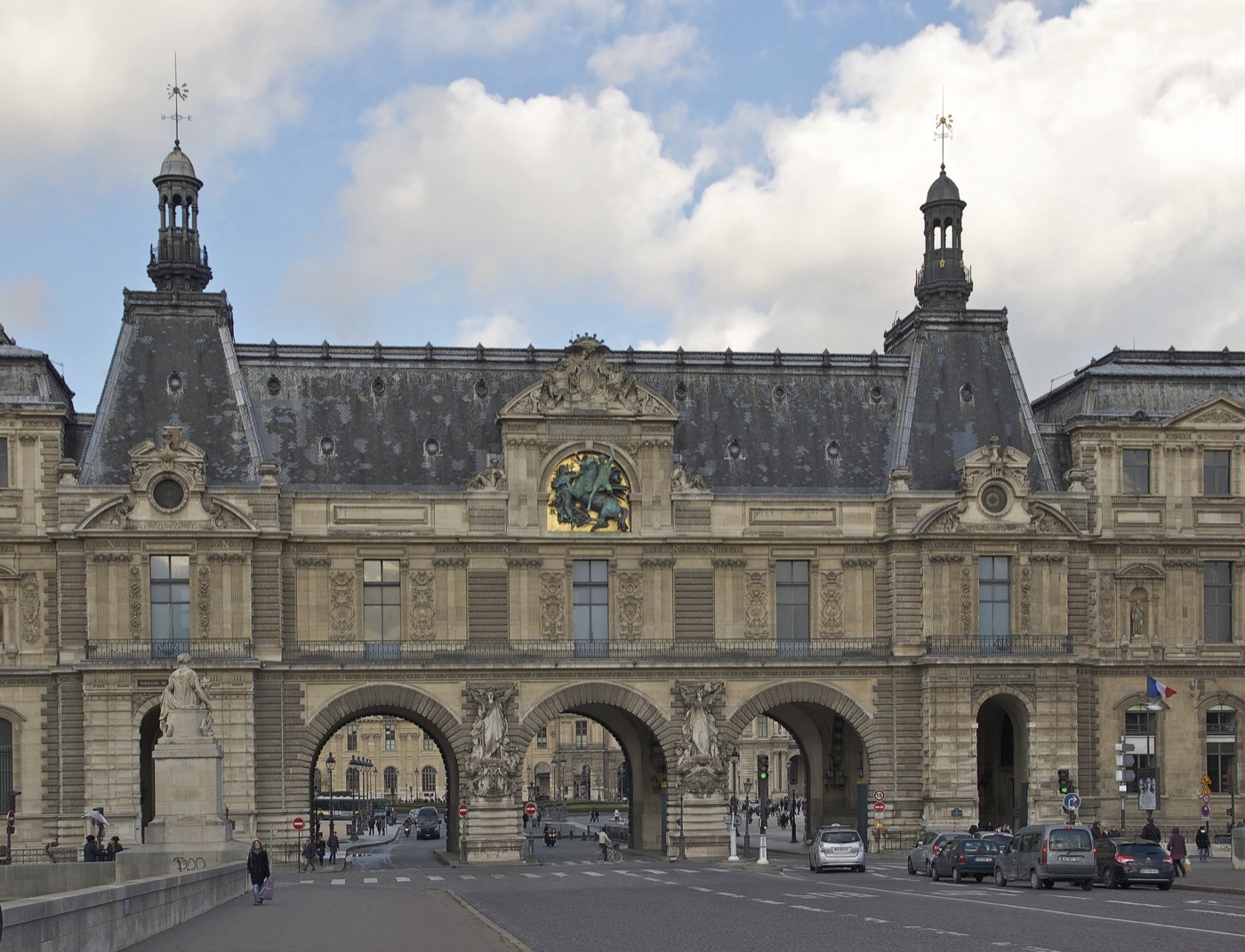
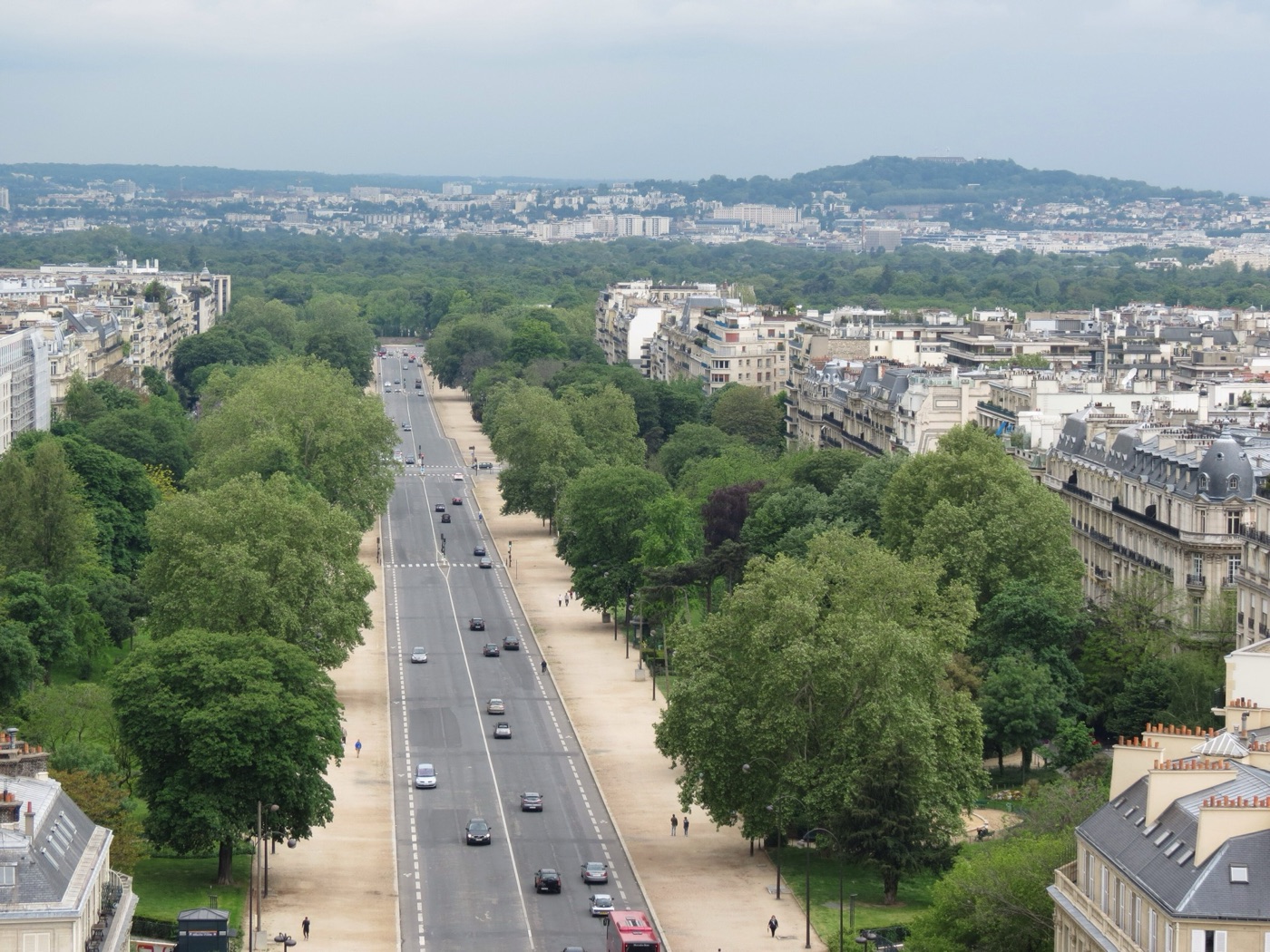
The film is one unbroken view from the front of a car that is never seen. It opens in a tunnel of the Boulevard Périphérique at Porte Dauphine, climbs the slip road on to Avenue Foch and runs through the centre of Paris: the Arc de Triomphe, the Champs-Élysées, the Place de la Concorde, the Louvre, the Opéra and up the hill of Montmartre. There is no dialogue, only the sound of a high-revving engine, gear changes and squealing tyres.
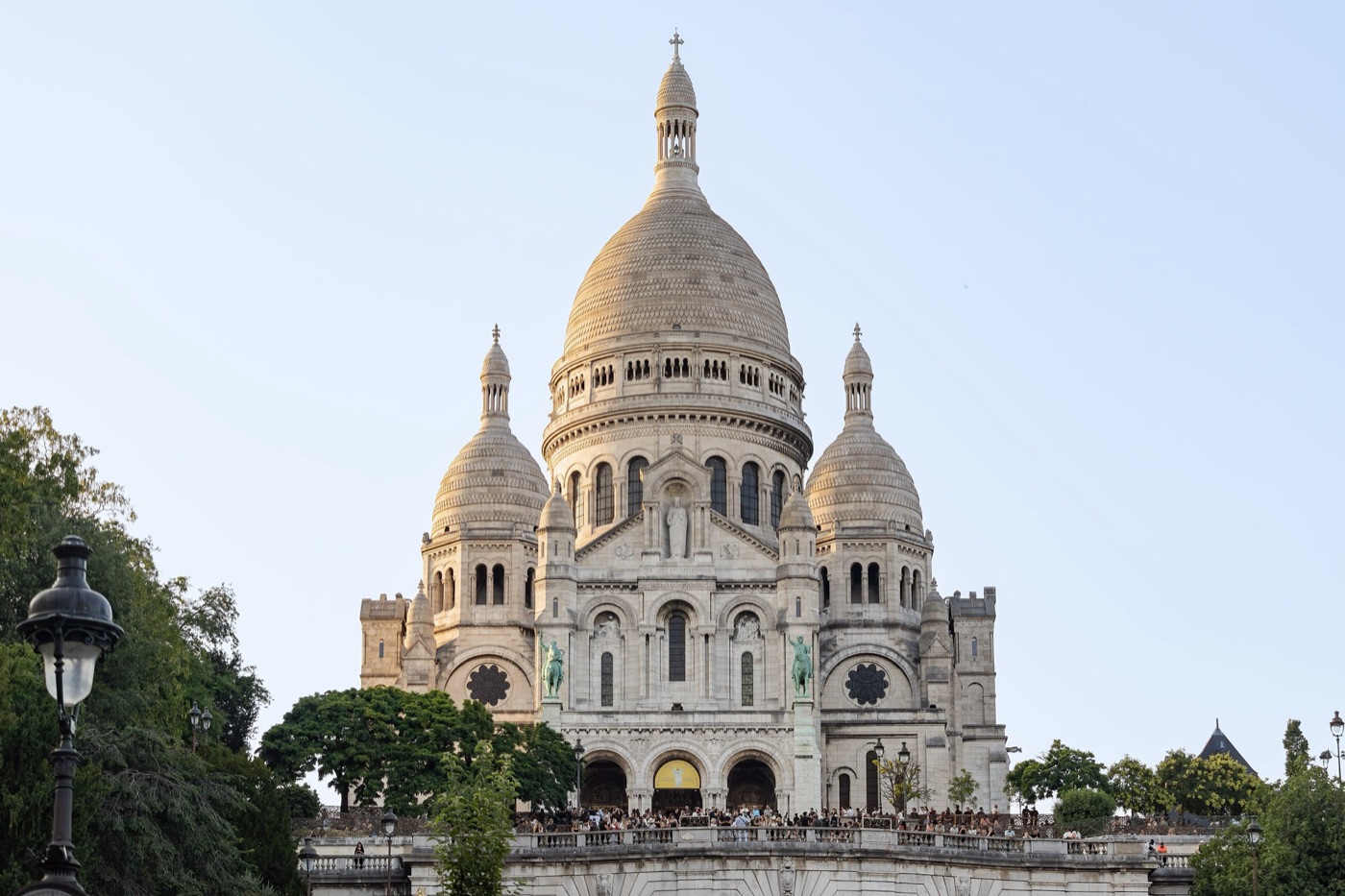
The car scatters pigeons, passes buses, dawdling cars and bin men, and runs red lights; the French film agency CNC counts 18 of them. At the top of Montmartre it stops in front of the Sacré-Cœur basilica. The driver gets out, a young blonde woman climbs the steps and the two embrace as the basilica’s bells ring, with Paris spread out below them.
UniFrance’s record of the film lists it as a 1976 short of 9 minutes, produced by Lelouch’s company Les Films 13 on 35 mm, with no dialogue, written and directed by Lelouch, with Élie Chouraqui as assistant director and Jacques Lefrançois as director of photography. Its exhibition certificate (visa) is dated 27 September 1976.
How Lelouch made C’était un rendez-vous
Lelouch made the film with stock left over from a feature, on open roads, with no streets closed.
Film left over from Si c’était à refaire
When Lelouch finished shooting Si c’était à refaire with Catherine Deneuve, he had some film stock left. He decided to use it to film the fastest drive he could make through the capital, and planned a route from Porte Dauphine to Sacré-Cœur through the middle of the city. The Physics Factbook notes that the camera could hold only about ten minutes of film, so the run had to be finished before it ran out. Lelouch had no permit to close the streets, and the drive went ahead in ordinary early-morning traffic.
The camera on the bumper
CNC says Lelouch fixed a Caméflex camera to the front of the car; Jalopnik’s translation of a Lelouch interview describes a gyroscopically balanced mount. His director of photography sat in the passenger seat and worked the camera’s aperture and focus with a small remote control. The camera sat low on the front bumper, which is why the car itself never appears.
The lookout and the woman at the end
Élie Chouraqui, Lelouch’s first assistant, was posted with a walkie-talkie at the exit of the Louvre’s archways on to the Rue de Rivoli, the one blind junction on the route, to warn him of traffic. Lelouch heard nothing and drove through at speed; he learnt afterwards that the walkie-talkie had stopped working.
The run ended with a meeting with Gunilla Friden, Lelouch’s fiancée at the time, whom the Ferrari Owners’ Club describes as a former Miss Sweden. CNC reports that Lelouch calls the film a declaration of love to Paris, to the car and to her, and quotes him: “A man who wants to join a woman is ready to take every risk, because he doesn’t want to keep her waiting.”
Fact and myth
For years the film circulated mainly as pirate VHS copies, and the questions about it were answered by rumour. Lelouch has since answered the questions of the car, the driver and the speed in interviews.
| Claim | What the record shows |
|---|---|
| The car was a Ferrari 275 GTB | The camera car was Lelouch’s own Mercedes-Benz 450 SEL 6.9; the Ferrari’s engine was dubbed on afterwards |
| A Formula One driver was at the wheel | Lelouch drove; he named an F1 driver to the police at first, then admitted it was him |
| The car passed 300 km/h | Lelouch says he passed 200 km/h; a 2005 timing of the film gives a fastest stretch averaging 220 km/h |
| Lelouch was arrested and the film banned | CNC, from Lelouch’s own account: arrested after a screening, his licence taken and handed straight back. No source records a ban; the film’s exhibition certificate is dated 27 September 1976 |
| Nothing was staged | True of the drive: one take on open roads. The soundtrack was added later |
Sources: CNC; Jalopnik; UniFrance; The Physics Factbook, 2005.
What car was used in C’était un rendez-vous?
The car that carried the camera was Lelouch’s own Mercedes-Benz 450 SEL 6.9. He chose it, CNC reports, because its suspension kept the camera steadier than a sports car would, and then dubbed in the sound of his Ferrari 275 GTB because the Ferrari’s engine and tyres made the film more exciting. Jalopnik’s account of a Lelouch interview adds that the Mercedes’s own sound was not thought exciting enough and that Lelouch still owned the car.
Mercedes-Benz 450 SEL 6.9: the camera car
The 6.9 was the new top model of the W116 S-Class in 1975, the successor to the 300 SEL 6.3. Modern Motor’s report of September 1975 gives its V8 6,840 cc and 286 bhp DIN at 4,250 rpm, and describes the feature that made it Lelouch’s choice: hydropneumatic suspension on all four wheels, with a gas sphere and hydraulic strut at each corner in place of coil springs and dampers, which kept the car level whatever the load and the road. Its gearbox was an automatic.
Ferrari 275 GTB: the sound
Ferrari’s own history of the 275 GTB dates it to the Paris Salon of 1964 and lists a 3,286 cc Colombo V12 with a claimed 280 bhp, driving through a five-speed transaxle. Ferrari itself, in its 2020 press release for Le Grand Rendez-vous, refers to “the roar of the Ferrari 275 GTB that provided the instantly recognisable soundtrack”.
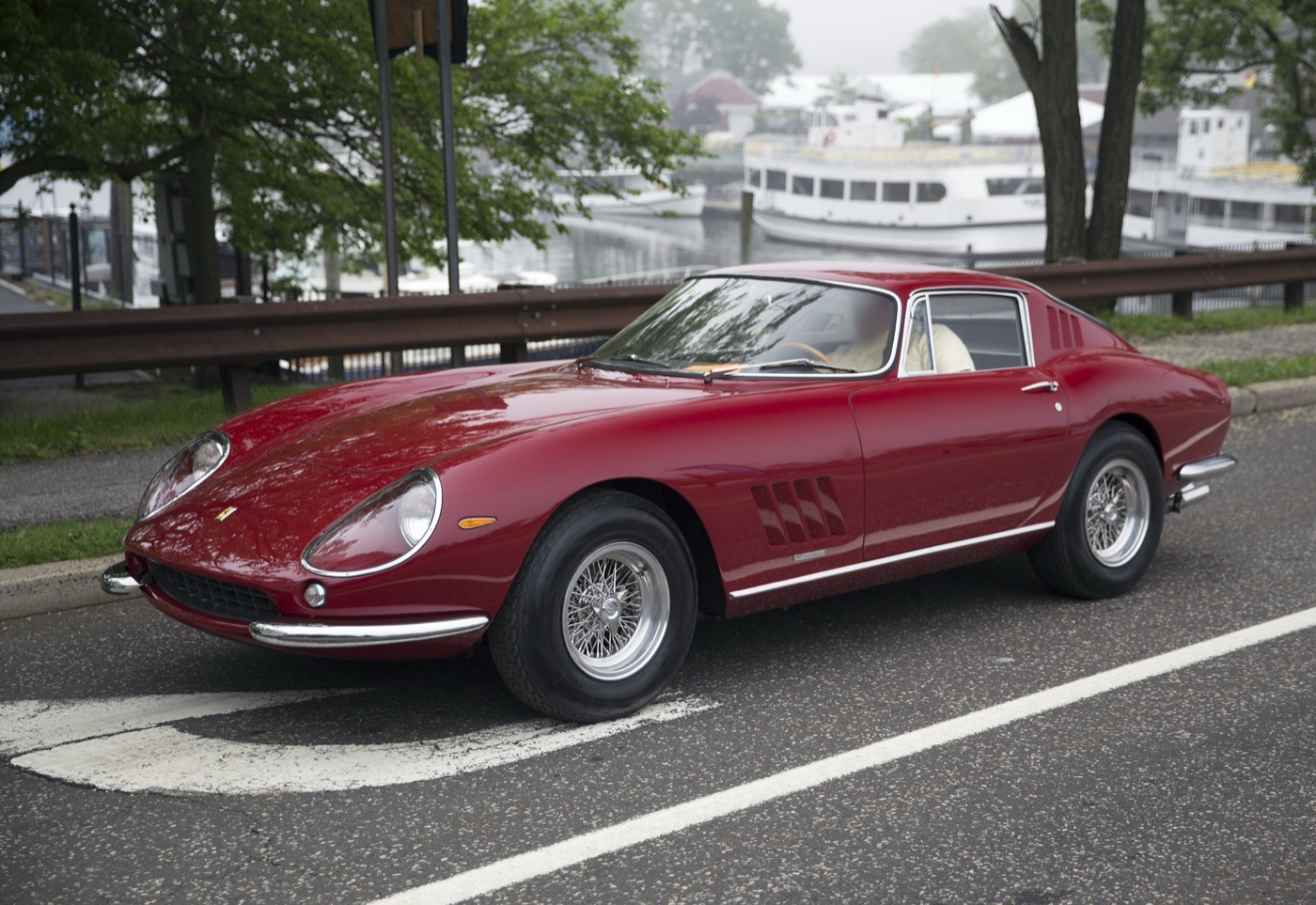
| Mercedes-Benz 450 SEL 6.9 | Ferrari 275 GTB | |
|---|---|---|
| Role in the film | Carried the camera; Lelouch drove it | Its engine is the soundtrack |
| Introduced | 1975 | 1964 (Paris Salon) |
| Engine | 6,840 cc V8 | 3,286 cc V12 |
| Power | 286 bhp DIN at 4,250 rpm | 280 bhp (claimed) |
| Gearbox | Automatic | Five-speed transaxle |
| Suspension | Hydropneumatic, all four wheels | Independent rear, wishbones and coil springs |
| Top speed | 225 km/h | 258 km/h |
Sources: Modern Motor, September 1975; Ferrari.com.
The dubbing is close but not perfect. Jalopnik’s tipster counted three gear changes in the soundtrack that do not match what the car is doing on screen; Jalopnik puts the rest at 98% right.
Who drove the car?
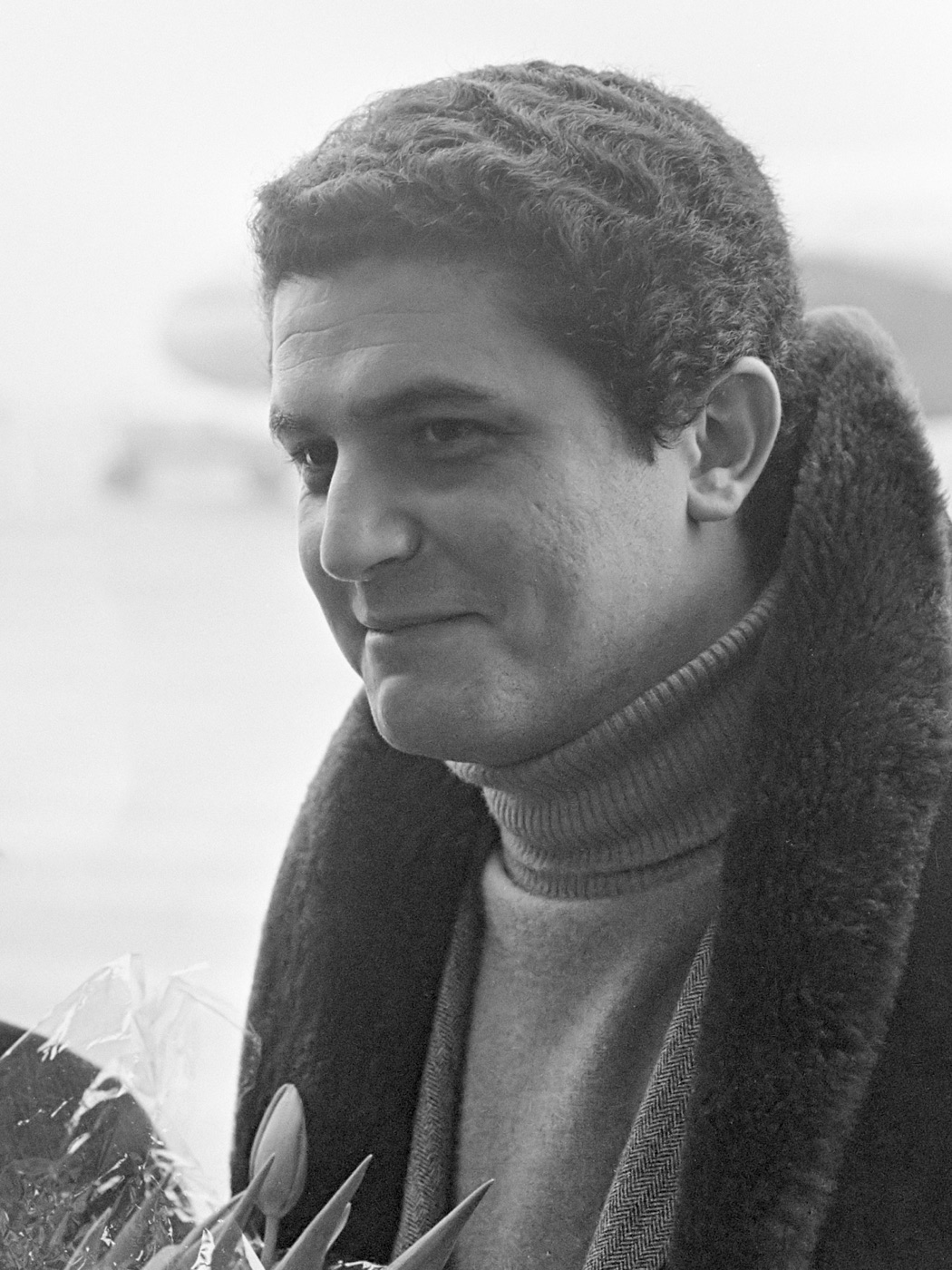
Lelouch drove the car himself. For years it was said to have been a racing driver; CNC names Jacques Laffite. Lelouch himself fed the rumour: when the police questioned him after the film was shown, he first said a Formula One driver had been at the wheel, and admitted it was him only when faced with the evidence.
How fast did Lelouch drive?
CNC states that Lelouch passed 200 km/h in the streets of Paris. The car never appears on screen, so every other figure is worked out from the film.
In 2005 four students timed the car between landmarks they matched on maps for The Physics Factbook, an online reference of measured speeds and other physical facts. Their figures are averages over each stretch between two landmarks.
| Time into the run | Distance covered | Average speed over the stretch |
|---|---|---|
| 11–47 s | 90–1,590 m | 150 km/h (93 mph) |
| 56–120 s | 1,740–3,740 m | 112.5 km/h (70 mph) |
| 171–189 s | 5,190–6,290 m | 220 km/h (137 mph) |
| 189–221 s | 6,290–7,590 m | 146 km/h (91 mph) |
| 264–280 s | 8,620–9,220 m | 135 km/h (84 mph) |
| 346–376 s | 10,780–11,120 m | 41 km/h (25 mph) |
| 0–451 s (whole run) | 0–11,400 m | 91 km/h (57 mph) |
Source: Belgrave, Ma, Mejia and Ritter, The Physics Factbook, 2005.
Their 220 km/h stretch is close to the 225 km/h that Modern Motor gave as the Mercedes’s top speed. Other estimates are lower. CAR magazine put the original’s average across town at about 48 mph (77 km/h) in 2017, and the Ferrari Owners’ Club, judging by how quickly other cars go past, calls the speeds “quite low and certainly not in Ferrari territory”. The 300 km/h of the Laffite rumour is beyond what either car could do.
Was Lelouch arrested?
The arrest rests on Lelouch’s own account, given for a biography and reported by CNC: after the film was shown he was arrested, told the police at first that a Formula One driver had been at the wheel, and was then summoned to the police station, where the superintendent took his driving licence and handed it back a few moments later: “I undertook to confiscate it, but I didn’t say for how long. You’re lucky, my son loved your film.”
The Physics Factbook repeats the arrest story, and Richard Symons, who restored the film, told Evo in 2009 that Lelouch “was supposedly arrested the first time he’d shown the film and then it simply dived underground”. No source records a ban. The word comes from Spirit Level Film’s press release for the 2013 Blu-ray, which opens “Banned in 1976 amongst public outrage”. UniFrance’s record of the film gives its exhibition certificate as issued on 27 September 1976.
CNC reports that years later Lelouch called the way the film was made “immoral”, and quotes a remark it dates to the early 2000s (DRIVEN Car Guide dates the same words to a 2009 Playboy interview): “This film shows how mad I was then. It sums up my life, in fact: to make this short I broke a lot of rules, as I often have in my life.”
The route from Porte Dauphine to Sacré-Cœur
The route crosses Paris from west to north-east, from the Périphérique at Porte Dauphine to the top of the Butte Montmartre, and the Physics Factbook’s map tracing gives it as 11.4 km. DRIVEN Car Guide gives 10.6 km.
| Stage | Where | On screen |
|---|---|---|
| Start | Boulevard Périphérique tunnel, Porte Dauphine exit | The car climbs the slip road |
| The straight | Avenue Foch | The first long straight, from the Porte Dauphine slip road |
| The Étoile | Arc de Triomphe, Champs-Élysées | Down the avenue at dawn |
| Concorde | Place de la Concorde | Past the obelisk |
| The Louvre | The Louvre’s archways to the Rue de Rivoli | The blind exit where Chouraqui stood |
| Opéra | Palais Garnier | Past the opera house |
| Montmartre | Back streets of the Butte, past the Le Consulat restaurant | Twists and turns, some against the traffic |
| Finish | Steps of the Sacré-Cœur basilica | The meeting |
Sources: CNC; UniFrance; The Physics Factbook, 2005.
Can you drive the route today?
Not exactly. When Ford’s agency GTB retraced it for the Mustang remake in 2017, it found that some of the roads no longer exist, and Petrolicious notes that a few have since been made one-way.
Remakes and homages
Most of the remakes were made to launch a car. Lelouch worked on two of them, for Ford in 2017 and for Ferrari in 2020.
| Year | Title | Car | Where | Made by |
|---|---|---|---|---|
| 2003 | The Run | Nissan 350Z Track | Prague | John Bruno for Nissan |
| 2009 | The Fast and the Famous | Mercedes-Benz SLS AMG | Los Angeles | Jeremy Hart, with Jay Leno |
| 2011 | Super Trofeo Stradale. Life is a race. | Lamborghini Gallardo LP 570-4 Super Trofeo Stradale | City streets | Philipp und Keuntje for Lamborghini |
| 2017 | ReRendezvous | Ford Mustang | Paris | GTB for Ford, with Lelouch |
| 2020 | Le Grand Rendez-vous | Ferrari SF90 Stradale | Monaco | Lelouch, with Ferrari and Charles Leclerc |
Sources: Nissan press release, 2002; SkiddMark, 2009 and 2011; Ford/GTB press release, 2017; Ferrari press release, 2020.
Le Grand Rendez-vous: Leclerc and the SF90 Stradale in Monaco
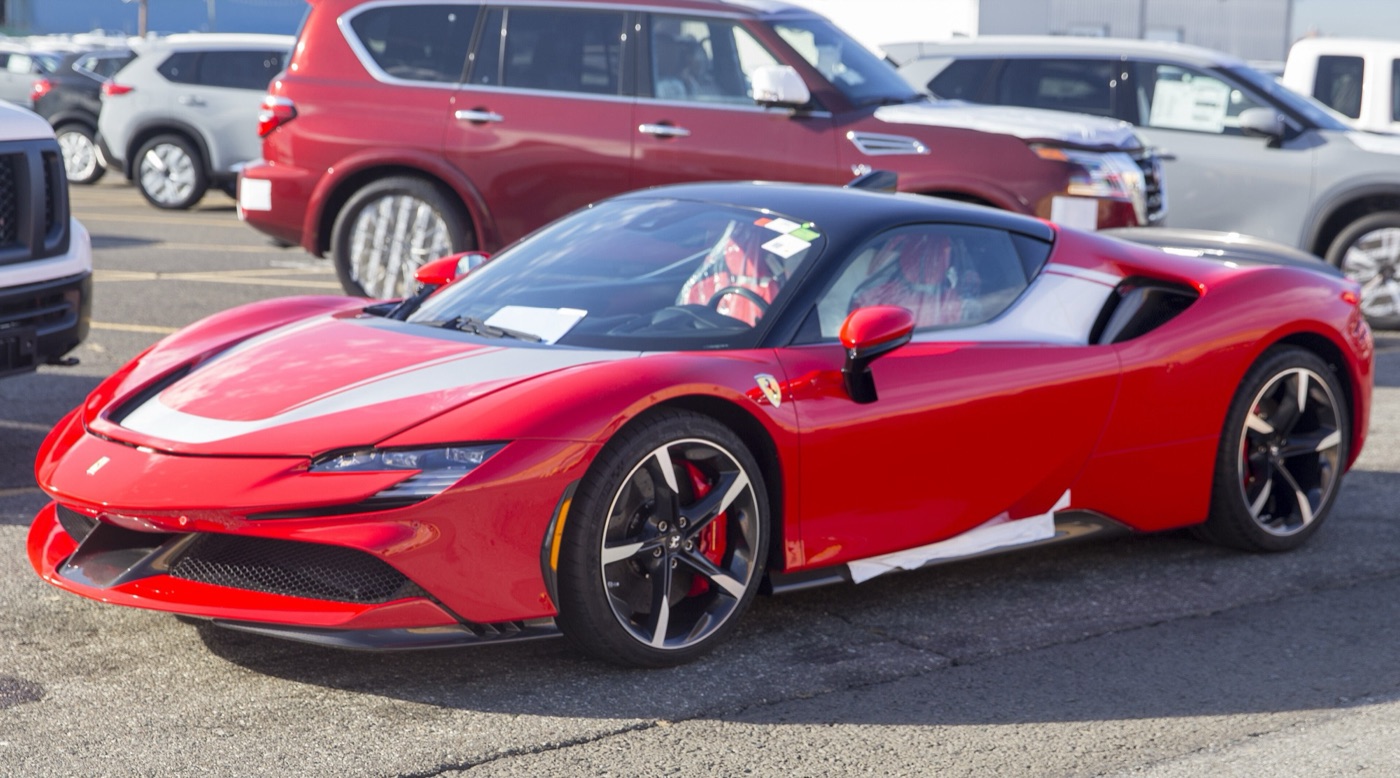
Lelouch remade his own film in Monaco on Sunday 24 May 2020, the day the Monaco Grand Prix should have been held before the Covid-19 pandemic cancelled it. Ferrari’s press release of 22 May 2020 named the car as the SF90 Stradale, its first series-production hybrid, with 1,000 cv, and the driver as the Monegasque Ferrari Formula One driver Charles Leclerc.
Unlike the original, this one had closed roads. Evo India’s report of the premiere says Leclerc passed 240 km/h on the streets of Monte Carlo, with Prince Albert as his first passenger, that six engineers and technicians from Maranello supported the shoot, and that several cameras were used in place of the single bumper camera of 1976. The young florist at the start and end is Rebecca Blanc-Lelouch, granddaughter of the couple who met on the steps of Sacré-Cœur in 1976. The film premiered on The Official Ferrari Magazine website in June 2020.
ReRendezvous: Ford’s Mustang in 360 degrees
For the film’s 40th anniversary, Ford’s creative agency GTB worked with Lelouch on a 360-degree virtual reality version in Paris, using a Mustang; CAR magazine identified it as a 5.0 V8 Fastback. Its premiere was set for 17 February 2017, through Mashable, before release on YouTube and Facebook. GTB’s press release quotes Lelouch: “C’était un rendez-vous was a first in 1976, nobody had ever filmed an urban drive like it.” Its chief creative, Julian Watt, described the original as a movie that “captured an audacious eight-minute drive through Paris in the early hours of the morning”. Lelouch told CAR he had goose bumps watching it 40 years later in virtual reality.
Lamborghini’s Super Trofeo Stradale film
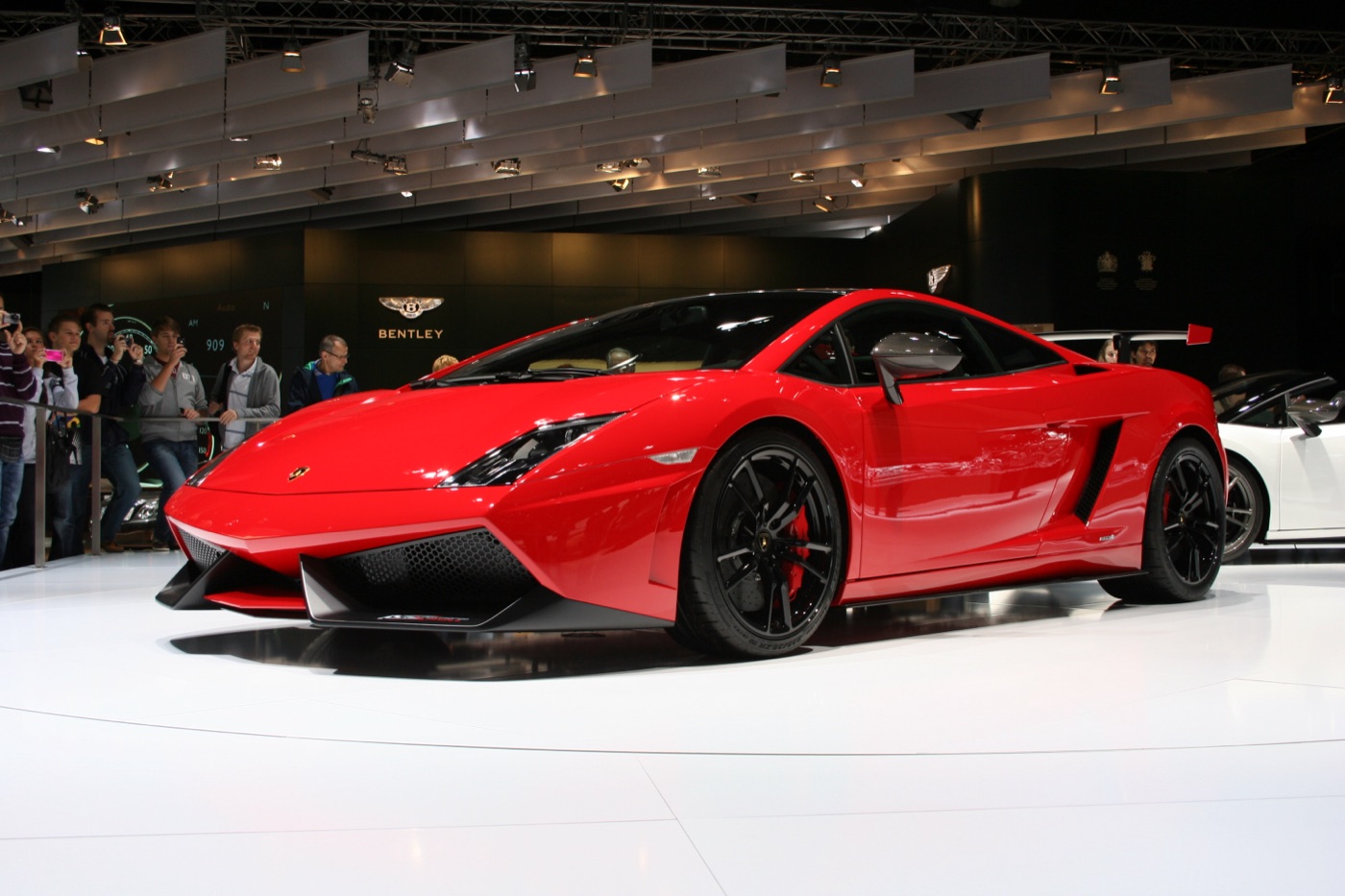
Lamborghini used the idea in 2011 to launch the Gallardo LP 570-4 Super Trofeo Stradale. A 2011 SkiddMark report recorded the film’s title, “Super Trofeo Stradale. Life is a race.”, its makers, the agency Philipp und Keuntje with Final Touch Filmproduktion, and its length of about two and a half minutes, with the V10 on the soundtrack. Spirit Level Film’s website noted at the time that Lamborghini had “based their new advert on C’était un Rendezvous”.
The car was shown at the Frankfurt motor show in September 2011. Lamborghini’s launch release gave a limited run of 150 cars, the unchanged V10 of the race car from the Lamborghini Blancpain Super Trofeo one-make series, with 570 hp, a dry weight of 1,340 kg (70 kg less than the LP 560-4), 0–100 km/h in 3.4 seconds and a top speed of 320 km/h. More on the car is in our Lamborghini Gallardo guide.
Jay Leno’s The Fast and the Famous
In late 2009 the British broadcaster Jeremy Hart directed Jay Leno in The Fast and the Famous, a short in which Leno drives a Mercedes-Benz SLS AMG over Mulholland Drive, Laurel Canyon, Sunset Boulevard and Coldwater Canyon in Los Angeles to argue that every city hides a race track. SkiddMark reported the film in December 2009, the same month it ran a competition with Spirit Level Film, Club GT and ROAD magazine around the original film.
Nissan’s The Run
Nissan’s The Run sends a 2003 350Z Track through the cobbled streets of Prague at up to 123 mph, driven by the stunt driver Jimmy Roberts and directed by John Bruno with 14 cameras. Nissan’s press release of 3 December 2002 called it the company’s first short film and put it on sale on DVD from late January 2003. Spirit Level’s 2013 press release says Nissan spent $6m on it. When the same Physics Factbook timed one stretch of it, the 350Z averaged 62 km/h, against 91 km/h for Lelouch across the whole of Paris.
Car chases in feature films
CNC reports that John Frankenheimer studied the film closely before shooting the chases in Ronin (1998), and that Christopher McQuarrie drew heavily on it for the Paris motorcycle chase in Mission: Impossible Fallout (2018).
How to watch C’était un rendez-vous
The film is on DVD and Blu-ray from Spirit Level Film, the London company that restored it. Richard Symons of Spirit Level Film, a documentary maker, told Evo in 2009 that he had first seen it on a poor second-generation VHS copy, then tracked Lelouch down, and that together they cleaned up the original 35 mm negative, restored and remastered it. A high-definition remaster from the same negative came out on Blu-ray and DVD on 4 January 2013; Symons said a test IMAX screening had persuaded him to make it.
Spirit Level’s release says that before the DVD the film was “only available as a pirate VHS changing hands at $50 a piece”. Copies of varying quality are on YouTube, and CNC has streamed it free on its own site for a limited period.
Questions
What does C’était un rendez-vous mean?
It is French for “It was a date” or “It was an appointment”: the driver is racing across Paris to meet a woman on the steps of Sacré-Cœur.
How long is C’était un rendez-vous?
UniFrance lists the film at 9 minutes. The drive itself, timed from the film by The Physics Factbook, lasts about seven and a half minutes (451 seconds) from the tunnel to the final stop.
Who is the woman at the end of C’était un rendez-vous?
She is Gunilla Friden, Lelouch’s fiancée at the time; CNC reports that the whole run was made to meet her. Their granddaughter, Rebecca Blanc-Lelouch, appears in the 2020 remake.
When was C’était un rendez-vous filmed?
Early one morning in August 1976, the month when many Parisians are away on holiday. The film’s exhibition certificate is dated 27 September 1976.
Was C’était un rendez-vous filmed in one take?
Yes. The drive is a single continuous shot on open roads, with no streets closed, no speeding up of the film and no special effects. Only the soundtrack was added afterwards.
What camera was used to film C’était un rendez-vous?
CNC names a Caméflex, the French 35 mm camera, fixed to the front of the Mercedes. The director of photography controlled its focus and aperture by remote from the passenger seat.
Did Claude Lelouch make a sequel to C’était un rendez-vous?
He made Le Grand Rendez-vous in Monaco on 24 May 2020, with Charles Leclerc driving a Ferrari SF90 Stradale on closed roads, and worked with Ford on its 360-degree Mustang version in 2017.
Sources
- CNC (Centre national du cinéma et de l’image animée), “« C’était un rendez-vous » : la folle course de Lelouch à travers Paris”: the leftover stock, the Caméflex, the crew, the 18 red lights, the Laffite rumour, the police and the licence, Lelouch’s quotes, Ronin and Fallout.
- UniFrance, film record “Rendez-vous” (1976), en.unifrance.org: producer, year, running time, credits, 35 mm, visa date of 27 September 1976.
- Jalopnik, “Claude Lelouch Explains ‘Rendezvous’”: Lelouch as driver, the Mercedes 6.9 he still owned, the dubbed Ferrari, the broken walkie-talkie, three mistimed gear changes.
- Modern Motor (Australia), Mercedes-Benz 450 SEL 6.9 report, September 1975, via w116.org: engine, power, suspension, automatic gearbox, top speed.
- Ferrari, “Ferrari 275 GTB (1964)”: launch, engine, power, transaxle, top speed.
- The Physics Factbook, “Speed of a Car: C’était un Rendezvous”, Africa Belgrave, Stephanie Ma, Brittany Mejia and Bridget Ritter, 2005: distance and time table, route length, Le Consulat.
- The Physics Factbook, “Speed of a Car: The Run”, 2005: Nissan 350Z, Prague, John Bruno, Jimmy Roberts, average speed.
- Evo, “C’était un Rendezvous”, 16 April 2009: Richard Symons on the VHS copy, the arrest story and the restoration.
- Spirit Level Film, Blu-ray press release of 27 December 2012, reproduced by Autoblog, 4 January 2013: “banned in 1976”, the pirate VHS trade, The Run’s cost, the IMAX screening, release date.
- Spirit Level Film website, 2011, Internet Archive copy: the Lamborghini advert.
- CAR magazine, “Ford reshoots C’Etait un Rendez-vous”, February 2017: the Mustang 5.0 V8 Fastback, the 48 mph average, Lelouch’s comment.
- GTB for Ford, “Claude Lelouch’s Cult Classic Driving Film, Reimagined in 360 VR With the Ford Mustang”, PR Newswire, 21 February 2017: the remake, the Mashable premiere, roads that no longer exist, Lelouch’s quote.
- Ferrari press release, Maranello, 22 May 2020, reproduced by the Ferrari Owners’ Club GB: Le Grand Rendez-vous, the SF90 Stradale, the 275 GTB soundtrack; the club’s notes on the Mercedes, the speeds and Gunilla Friden.
- Evo India, “‘Le Grand Rendez-vous’ starring Ferrari SF90 Stradale and Charles Leclerc gets premiered”, 15 June 2020: closed roads, 240 km/h, Prince Albert, the Maranello team, Rebecca Blanc-Lelouch, the premiere.
- Lamborghini launch release for the Gallardo LP 570-4 Super Trofeo Stradale, reproduced by GTspirit, 12 September 2011: production run, engine, weight, performance.
- Nissan, “Nissan Shifts Into Entertainment With Its First Short Film, ‘The Run’”, press release of 3 December 2002, via The Auto Channel: the 2003 350Z Track, Prague, John Bruno, Jimmy Roberts, 123 mph, DVD from late January 2003.
- Petrolicious, “Drivers’ Cinema: C’était un Rendez-vous (1976)”: streets since made one-way.
- SkiddMark, “Video: Jay Leno recaptures the spirit of Rendezvous in a Mercedes SLS AMG”, December 2009, and “Lamborghini remakes C’était un Rendezvous to promote the new Super Trofeo Stradale”, October 2011: the Leno and Lamborghini films.