DeltaWing: Ben Bowlby’s Le Mans racer, its crashes and its fate
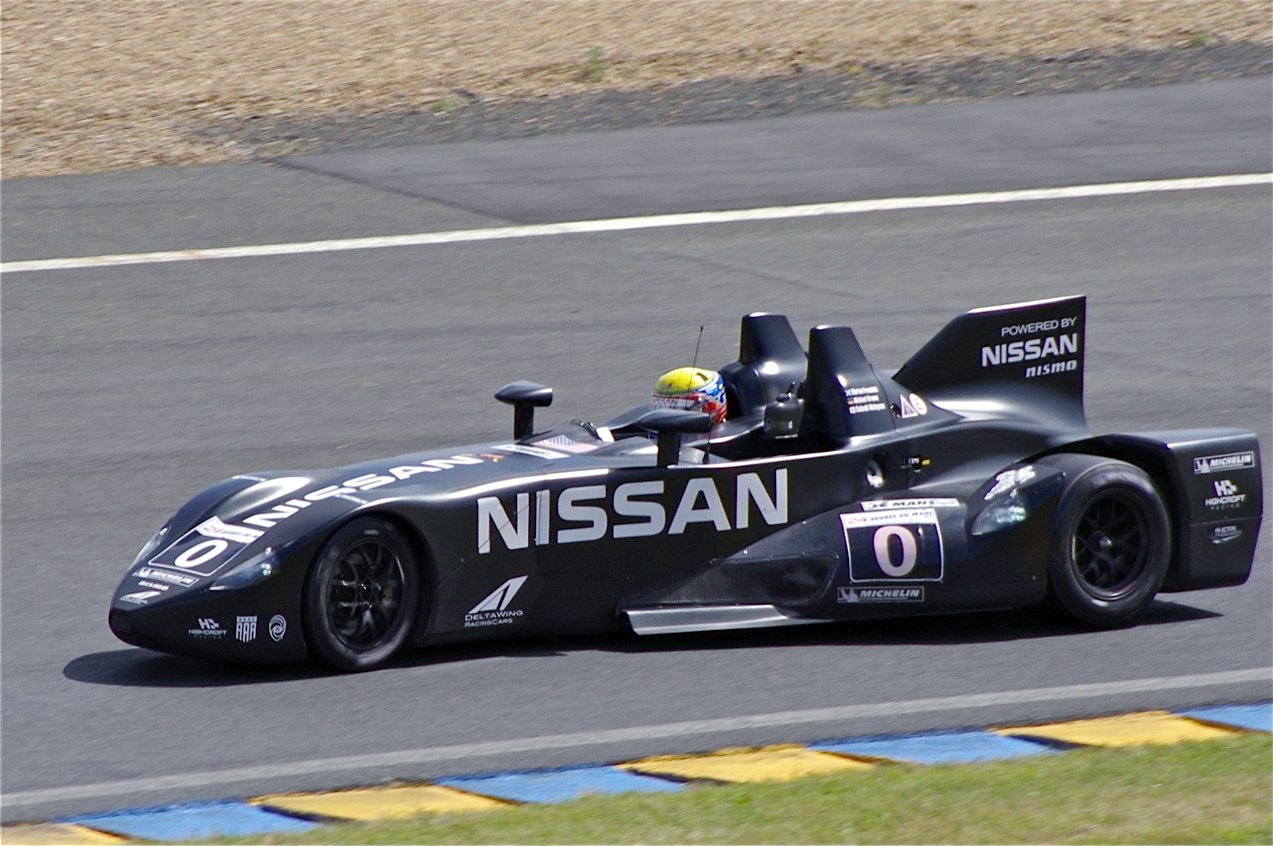
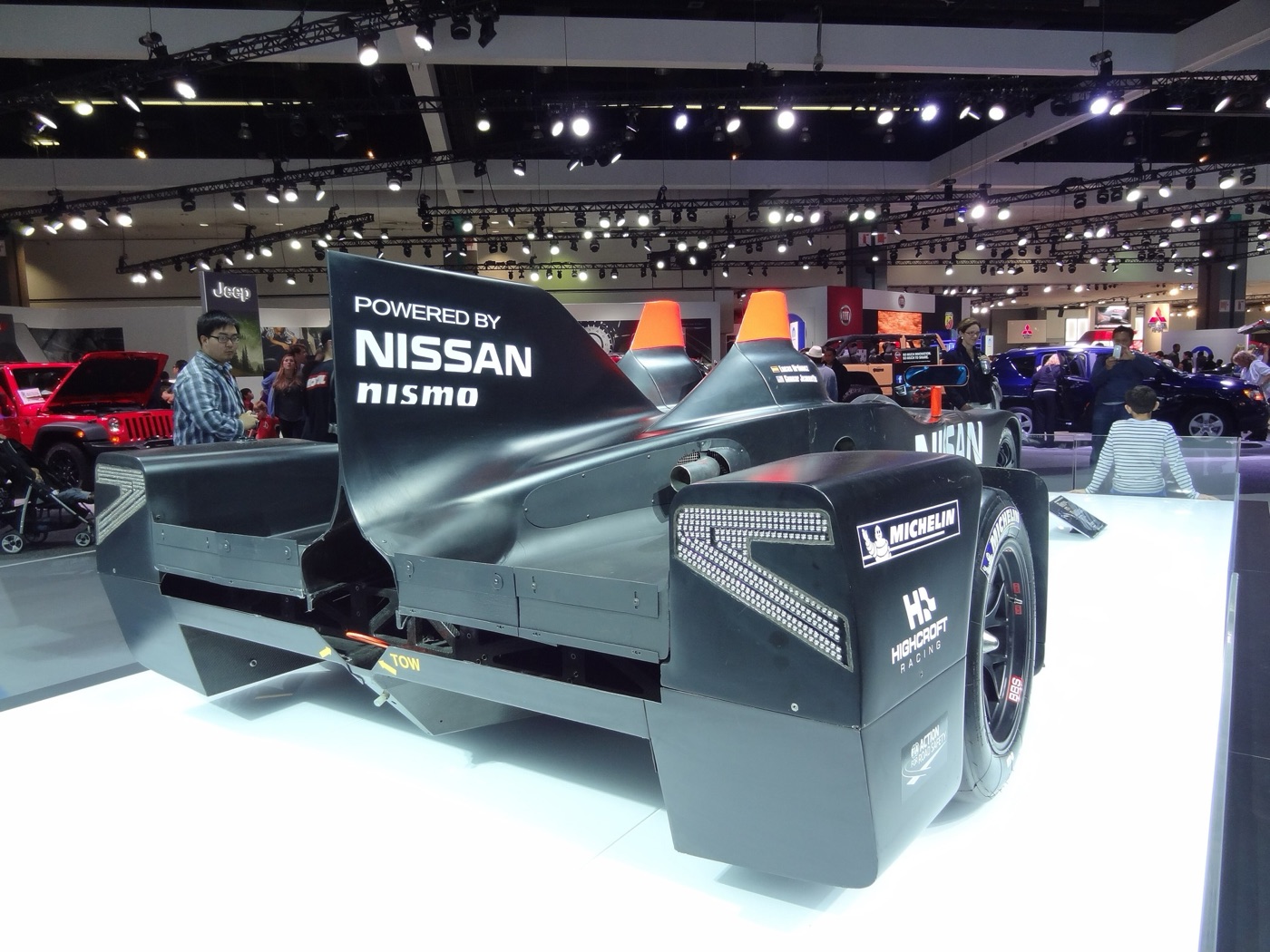
The DeltaWing is an experimental racing car designed by the British engineer Ben Bowlby, with a dart-shaped body, two front wheels set close together under the nose and about half the weight, power, aerodynamic drag and fuel consumption of a normal Le Mans prototype. The DeltaWing made its race debut at the 2012 24 Hours of Le Mans, entered as the Nissan DeltaWing from the Garage 56 slot kept for experimental entries, and was knocked out by a Toyota after six hours. Four months later it was rolled in practice at Road Atlanta and still finished fifth in the race; in 2013 its owners sued Nissan over two cars of a similar outline, and the closed coupe that followed raced until October 2016.
The car began life in 2010 as a proposal for IndyCar’s next chassis. When IndyCar chose Dallara, Bowlby and the American Le Mans Series founder Don Panoz took the idea to the Automobile Club de l’Ouest (ACO), which runs Le Mans. After 2012 Panoz kept racing it in the United States, first as an open car and then as a closed coupe, until the end of 2016.
Where the DeltaWing came from
The DeltaWing started as Ben Bowlby’s answer to IndyCar’s search for a new chassis for 2012. Bowlby, formerly chief designer at Lola, was working for Chip Ganassi Racing, and Ganassi’s company Delta Wing LLC owned the design; Bowlby’s contract left anything he designed for it with the team, as Motorsport.com set out in December 2013.
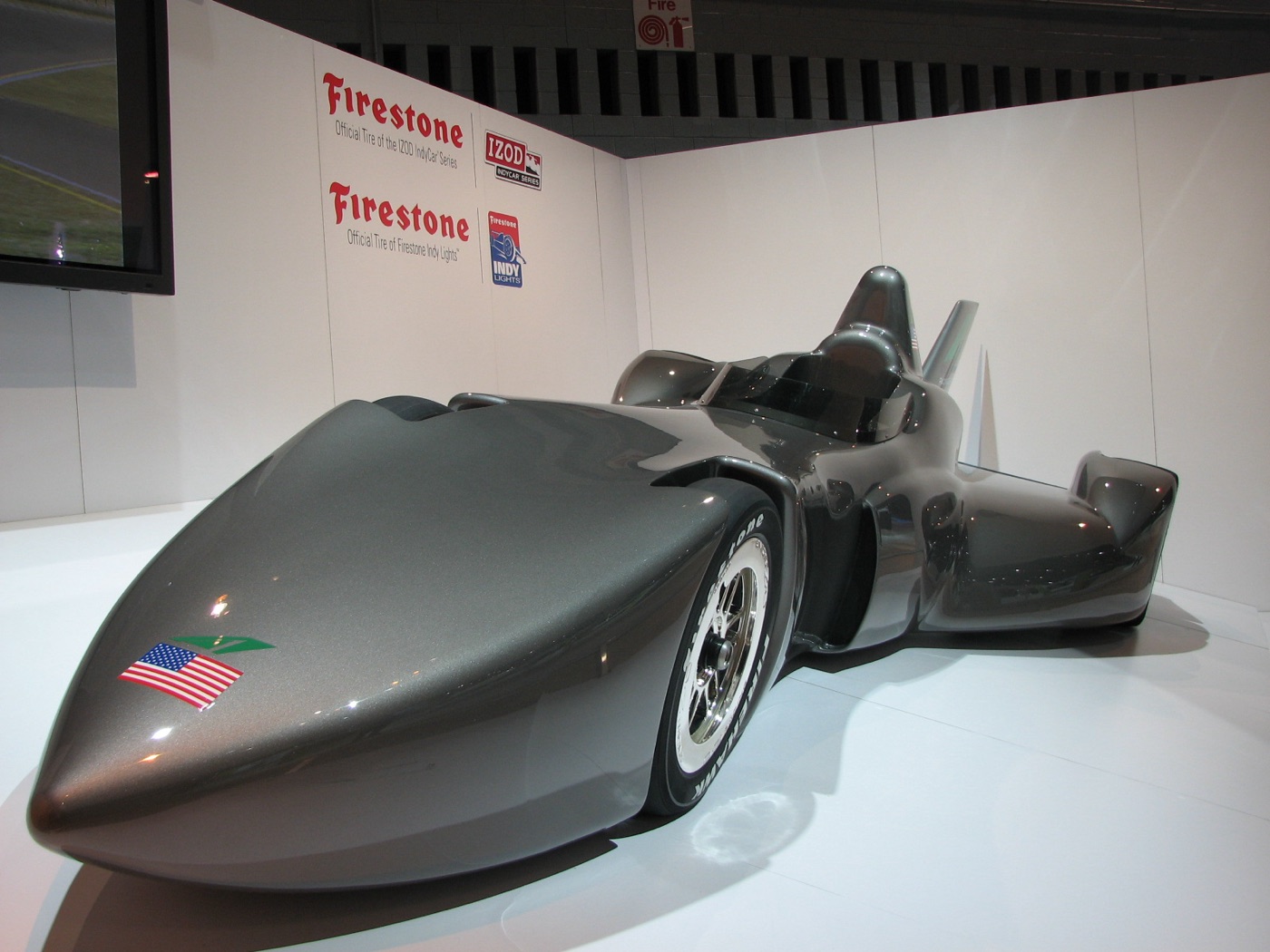
The 2010 IndyCar concept
The concept was unveiled at the Chicago Auto Show on 10 February 2010, Autoblog reported that day, with a tall vertical fin at the back and a very narrow front track.
In July 2010 a panel known as the ICONIC committee picked Dallara instead, turning down proposals from DeltaWing, Lola, BAT and Swift. The DeltaWing group said in a statement, reported by Autosport on 17 July 2010, that it was “extremely disappointed”. The statement said the design had half the weight, half the drag, half the cost, half the horsepower and half the fuel consumption of the existing IndyCar, with the potential for laps of 235 mph or more at Indianapolis.
Garage 56 and Project 56
Autosport reported on 9 June 2011 that the ACO had given the DeltaWing the first Garage 56 slot, a 56th garage its sporting committee had created in 2010 for one car showing new technology, running outside the classes. The entry came from a group called Project 56: Bowlby as designer, Dan Gurney’s All American Racers in California as builder, Duncan Dayton’s Highcroft Racing as the team and Panoz as a consultant. ACO sports director Vincent Beaumesnil said at the announcement that the project’s interest lay in “the optimization of all factors that have an impact of global energy consumption and efficiency of the car: weight, power, drag”, a route to efficiency “ahead of hybrid, bio fuel or electric technology”.
Michelin joined first, at the 2011 Petit Le Mans, and made special tyres for the car, Sportscar365 recorded. Bowlby later told Autosport that four people drew the car (three designers and him co-ordinating) and that it was drawn and built in seven months without a single part taken off the shelf.
Nissan joins the project
Nissan announced in London on 13 March 2012 that it would supply the engine and that the car would race as the Nissan DeltaWing, carrying the number 0, according to its press release. Andy Palmer, then an executive vice president of Nissan Motor Co., said rulebooks had made racing cars “more and more similar” and that the DeltaWing would be “a testbed of innovation for Nissan”. A SkiddMark report of the launch recorded that Darren Cox of Nissan Europe told Radio Le Mans that morning that Formula 1 technology was too far removed from cars people drive.
Nissan did not sign straight away. Cox told Motor Sport in May 2012 that the car first had to meet targets for cornering g, acceleration and fuel use, including runs at different angles in the full-size Windshear wind tunnel, and that the data from the first test went to the Geneva motor show for senior executives to approve. Nissan placed the engineer Ricardo Divila and the former Formula 1 driver Erik Comas inside the project. By Nissan’s count the car turned its first wheel 107 days before the race, and it made its first public laps at Sebring on 15 March.
How the DeltaWing works
The DeltaWing goes fast on little power by carrying less weight and pushing less air: Bowlby’s pitch was “half the weight, half the power”. With about 300 hp, he told Autosport, the drag had to come down far enough for 200 mph on the Mulsanne Straight, and the weight low enough to give the power-to-weight ratio; after that the car needed less downforce and smaller tyres.
Why the narrow front works
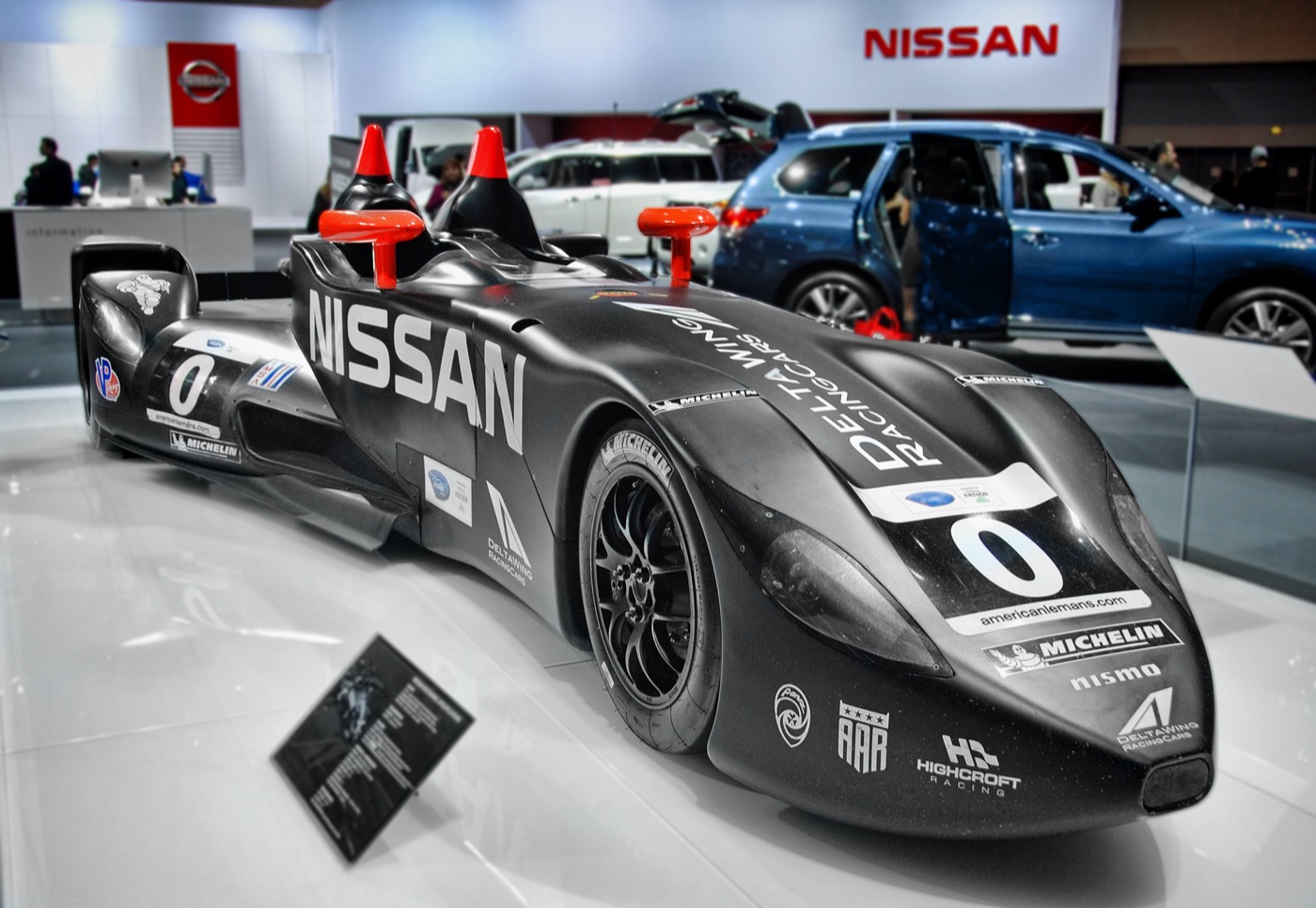
Most people expected the car to understeer. Bowlby explained that 95 to 97 per cent of its roll stiffness is at the rear axle, so in a corner the two front tyres see no weight transfer and act “just like one tyre”; near the limit the car goes towards oversteer, while its rearward centre of pressure makes it stable at speed, “like a dart”. About 72.5 per cent of the weight sits on the rear wheels, IEEE Spectrum reported, and 60 per cent of the braking is done at the back, Bowlby said. To damp roll at the rear without over-damping it in heave, the team built an overdriven damper beam.
The front tyres were Michelin 10/58-15s, under 24 inches tall and four inches wide. Michelin’s engineer Karl Koenigstein said three of them would fit inside one front tyre of an Audi Le Mans prototype.
Downforce from the floor, not wings
The car has no front or rear wing. Its downforce comes from tunnels under the body, which Bowlby described as “one puddle of downforce under the centre of gravity”, so the car is not sensitive to pitch the way a flat-bottomed car is. It also had what Bowlby called a “super-basic DRS”, a pair of small moving flaps, allowed because Garage 56 cars ran outside the rules.
Chassis, gearbox and brakes
The tub came from Aston Martin’s AMR-One, the Le Mans car Prodrive had dropped after 2011. The ACO had asked for a modern, crash-tested LMP1 tub to settle any doubt over safety, and using one meant the DeltaWing needed no crash test of its own. The team had to design its own gearbox to hit a target of 33 kg; the wishbones are welded steel and, Bowlby said, there is hardly any titanium in the car. It weighed about 465 kg when it first ran, before lights, mirrors and cameras were added. Bowlby had wanted a rear-view camera and no mirrors, but mirrors were compulsory.
The Nissan DIG-T engine
Nissan badged the engine DIG-T (Direct Injection Gasoline, Turbocharged): a 1.6-litre four-cylinder with a turbocharger and direct petrol injection, expected to give about 300 hp, with the technology of the Nissan Juke DIG-T road car. Nissan commissioned it from Ray Mallock’s RML Group, which had run its British Touring Car Championship cars in 1997–99, Motor Sport reported, and Autosport later called it a “bespoke” engine. Bowlby said at the launch that Nissan had given the team “the engine of our dreams: it’s the right weight, has the right power”.
Specifications of the DeltaWing
The table gives the 2012 Le Mans car, the one most people mean by “the DeltaWing”, from the team’s and its partners’ published figures. Panoz’s 2013 and later cars are covered in the coupe section below.
| Item | Figure | Source |
|---|---|---|
| Engine | 1.6-litre turbocharged four-cylinder, direct injection (Nissan DIG-T, built by RML) | Nissan; Motor Sport |
| Power | about 300 hp | Nissan |
| Weight | 475 kg (about 465 kg at first run) | IEEE Spectrum; Bowlby to Autosport |
| Weight on rear wheels | 72.5 per cent | IEEE Spectrum |
| Gearbox weight target | 33 kg | Bowlby to Autosport |
| Front tyres | Michelin 10/58-15, four inches wide | Sportscar365; Nissan |
| Fuel tank | 40 litres (target of 12 laps of Le Mans per tank) | Bowlby to Autosport |
| Top speed | 315 km/h (196 mph) | IEEE Spectrum |
| Cornering | nearly 4 g | IEEE Spectrum |
| Chassis | Aston Martin AMR-One carbon tub | Racer |
| Builder | All American Racers, California | Nissan |
Sources: Nissan press release, 13 March 2012; Motor Sport, May 2012; Autosport interview with Ben Bowlby, June 2012; Sportscar365; Racer, September 2013; IEEE Spectrum, 2013.
The DeltaWing at Le Mans in 2012
At its first race the DeltaWing ran at the pace of the LMP2 cars, as the ACO had asked, until a collision with a Toyota put it out after six hours. The ACO’s target for it was a lap of 3 min 45 sec. Satoshi Motoyama did 3:47 on the test day without fresh tyres, and Bowlby said the team could do 12 laps on 40 litres of fuel and make one set of tyres last more than five stints.
Qualifying
On the Wednesday night Michael Krumm lapped in 3:42.612, then clipped a kerb at Tertre Rouge hard enough to set off the on-board fire extinguisher, which shut down the electrics, Nissan reported on 13 June 2012. Bowlby said the next lap would have been a 3:39, “at the head of the LMP2 field”. The drivers were Krumm, Motoyama and Marino Franchitti.
The crash with the Toyota
Just after 9pm on the Saturday, as the race restarted after a long safety-car period, Kazuki Nakajima’s Toyota TS030 Hybrid hit the DeltaWing in the Porsche Curves and pushed it into the concrete wall; the ACO’s own report places it at the Karting corner. Motoyama spent nearly 90 minutes at the trackside trying to repair it, with the crew allowed only to talk him through it. Krumm said Motoyama “made space to let the leaders go through but Nakajima misjudged the situation”, and that the steering was too badly damaged to go on, Nissan’s race-night release recorded. The car had covered 1,005 km, and during its best stint was running at LMP2 pace and on course to use half the fuel of the LMP1 cars.
“The Toyota swung across and hit me very hard,” Motoyama said, quoted by the ACO. Don Panoz called it a racing incident when Motorsport.com spoke to him before the car was retired: “The mission was complete when the car ran on the track and got through test day.”
The Road Atlanta crash and Petit Le Mans
Four months later the DeltaWing finished its first race, fifth overall at the 2012 Petit Le Mans at Road Atlanta in Georgia, three days after being rolled in practice. It ran as an unclassified guest entry, driven by Gunnar Jeannette and the GT Academy winner Lucas Ordóñez.
What happened at Road Atlanta
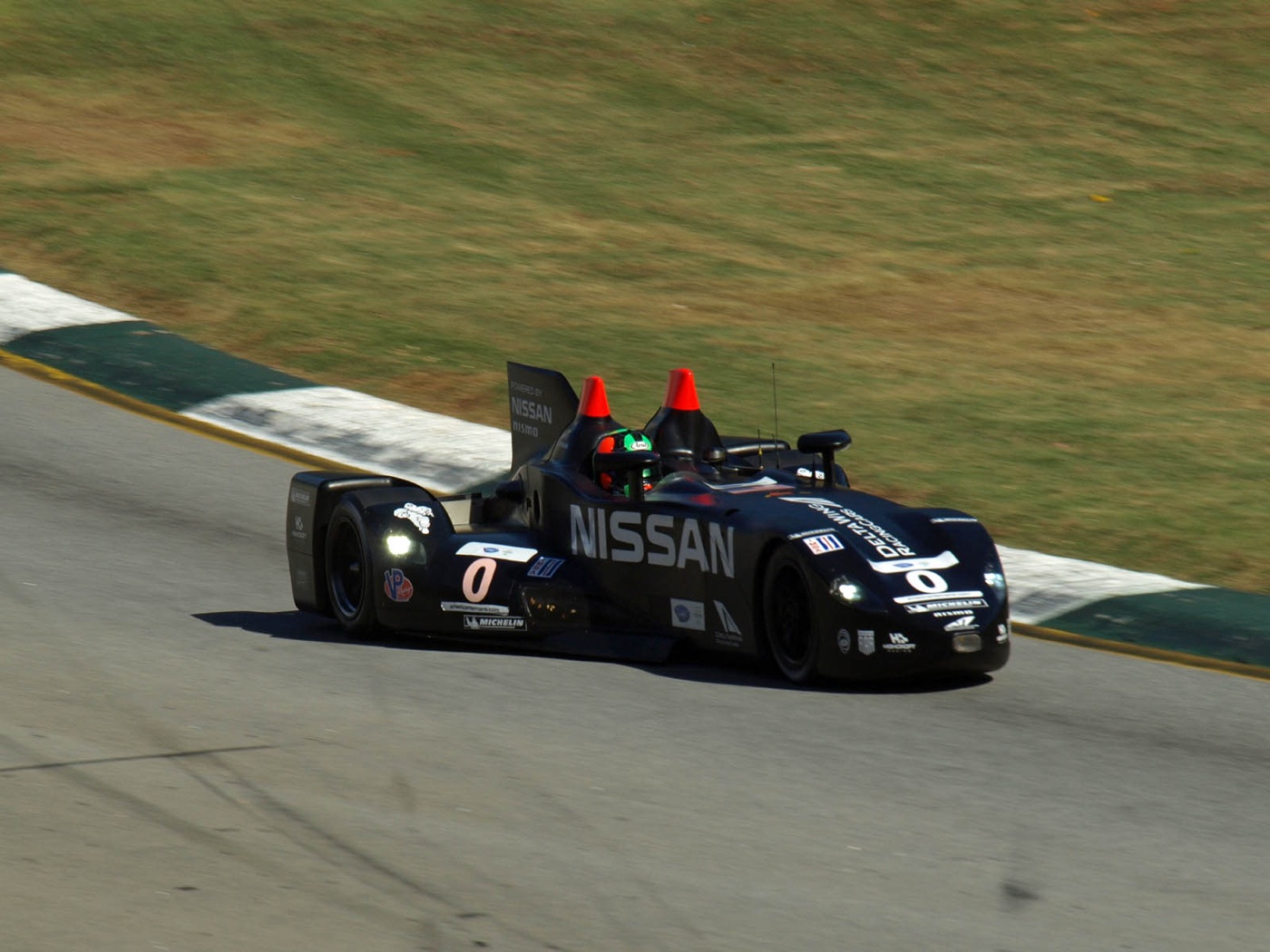
In testing on Wednesday 17 October 2012, Jeannette passed a GTC-class Porsche 911 driven by Peter LeSaffre coming under the bridge after turns 10a and 10b. “I had a run on him exiting the corner before the bridge and pulled almost completely past,” Jeannette said. “He cut over to take the apex and made heavy contact with the left-rear of our car.” The DeltaWing rolled and hit the wall. Top Gear reported that on-board data put the peak at 7 g. Jeannette was unhurt, and the crew worked through the night so that the car was back on track in under 24 hours, Nissan said on 18 October. Bowlby said the Porsche’s hit did the most damage and that the roll hoop damage was “mainly cosmetic”.
Nissan’s release on the accident was headed “Nissan DeltaWing Assaulted In Road Atlanta Testing”, a SkiddMark report noted at the time, and Nissan’s video of the crash, titled “Attacked in Atlanta”, passed 700,000 views on YouTube within days.
Is the DeltaWing safe?
By the standards it was built to, yes: it used a crash-tested LMP1 tub and, Nissan’s Darren Cox said after the race, had passed “all the virtual and actual FIA crash tests” before Le Mans. “We’ve unfortunately tested the car in real world incidents twice now and in both cases the car has done its job in protecting the driver,” he said.
The open question in 2012 was crash prevention. A SkiddMark report the day after the Road Atlanta crash accepted that the car met the FIA standards but asked whether its stealth-black paint and narrow front made it harder for other drivers to see and to judge, noting that it weighed a fraction of the 911 that hit it and that Nissan had said nothing about keeping it on its wheels. Readers replying under that report pointed out that Toyota’s TS030 had also gone airborne after a similar hit at Le Mans that year. When Panoz’s team built the closed coupe in 2013, its designer Simon Marshall put the driver in the middle of the cockpit because, team principal Dave Price told Racer, the car had little bodywork at the sides to absorb a side impact.
The race
The DeltaWing qualified with a time that would have put it tenth, but as an unclassified car it had to start from the back of the 42-car grid. Jeannette climbed to eighth in his opening stint and Ordóñez took it to third; it finished fifth overall after 388 laps, six behind the winning Rebellion Lola-Toyota of Neel Jani, Nicolas Prost and Andrea Belicchi, the ACO reported. Jeannette did a quadruple stint without changing tyres, Nissan said, and the car used 55 per cent of the fuel of a Nissan V8-powered car the team measured against during the race, IEEE Spectrum reported. Panoz said the team “kept out of trouble, didn’t put a mark on the car, had perfect pit stops”.
Results: where the DeltaWing finished
The DeltaWing’s best-known results are fifth overall at Petit Le Mans in 2012 and, in coupe form, fourth at the same race in 2014, according to the team’s own race report. The table lists the races covered on this page, with the Nissan ZEOD RC that grew from it.
| Race | Car | Drivers | Result |
|---|---|---|---|
| Le Mans 24 Hours, 16 June 2012 | Nissan DeltaWing (Garage 56, no. 0) | Franchitti, Krumm, Motoyama | Retired after six hours and 1,005 km, after contact with the no. 7 Toyota |
| Petit Le Mans, Road Atlanta, 20 October 2012 | DeltaWing (unclassified) | Jeannette, Ordóñez | 5th overall, 388 laps, from 42nd on the grid |
| Petit Le Mans, Road Atlanta, 4 October 2014 | DeltaWing coupe | Legge, Chaves, Meyrick | 4th after 395 laps, by the team’s report; led 15 laps; started 5th |
| Le Mans 24 Hours, 14 June 2014 | Nissan ZEOD RC (Garage 56) | Motoyama, Ordóñez, Reip | First car to retire, inside the first hour, gearbox |
| Rolex 24 at Daytona, 30 January 2016 | DeltaWing coupe | Legge, Meyrick, Rayhall, Wirth | Out after 119 laps, 29 of them led, after hitting a stationary car |
| Petit Le Mans, Road Atlanta, 1 October 2016 | DeltaWing DWC13 coupe | Legge, Rayhall, Meyrick | Stopped after 169 laps (winner 412); 36th of 38; its last race |
Sources: ACO; Nissan; DeltaWing Racing Cars race reports, 5 October 2014 and 30 January 2016; Motorsport.com; IMSA official results, 1 October 2016.
Panoz’s DeltaWing: the coupe years
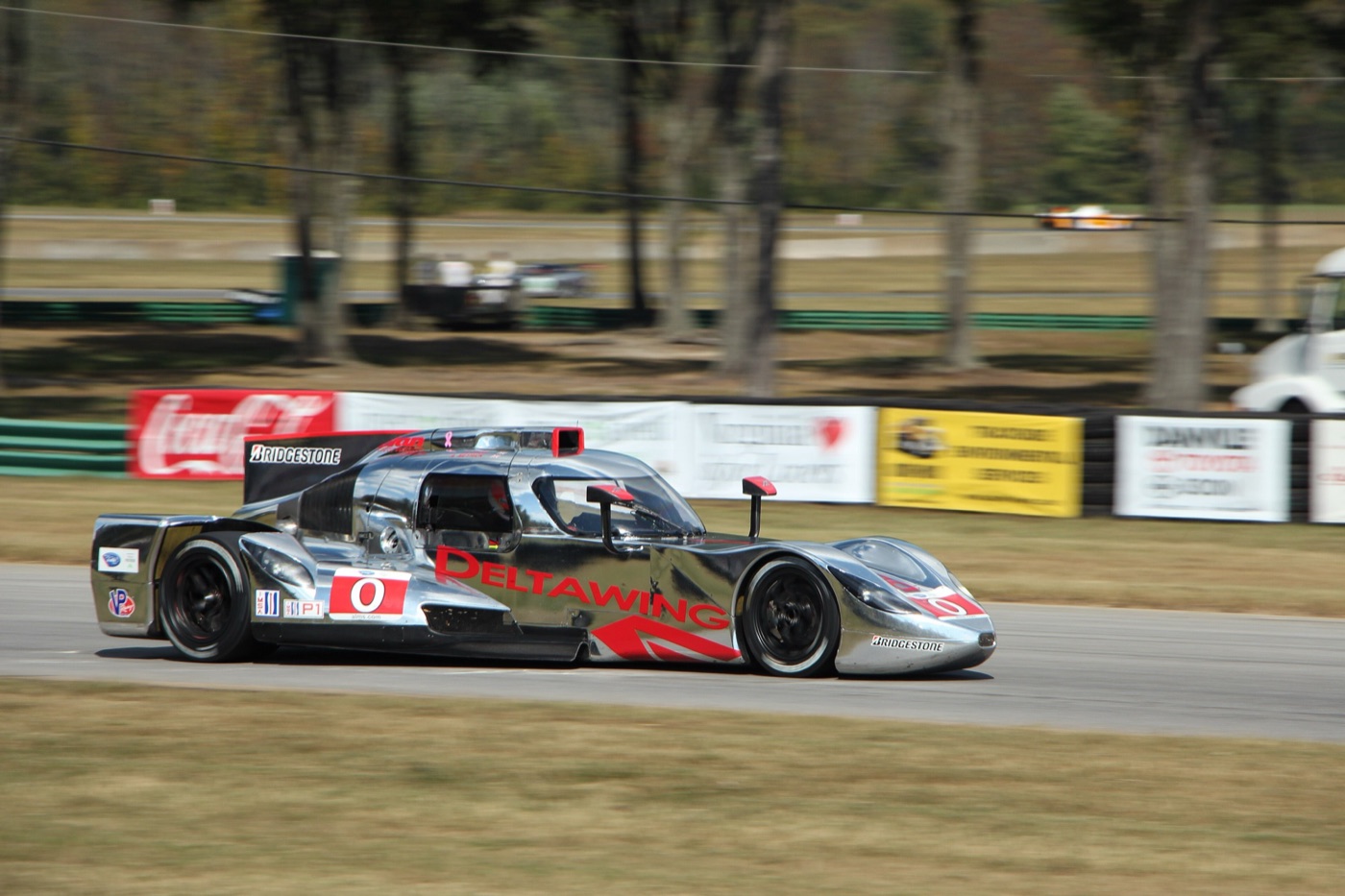
Nissan left after 2012, and Don Panoz kept the DeltaWing racing in the United States with his own engine, a new tub and, from late 2013, a roof. Autosport reported in February 2013 that Panoz was taking the car in-house, with an engine developed at his Élan company and a monocoque designed there to replace the AMR-One tub, run by David Price’s team in the LMP1 class of the American Le Mans Series (ALMS). “We are now looking ahead to the future and our next exciting project,” Nissan said in a statement.
The Mazda-based engine
The 2013 engine was based on the 2-litre Mazda used in the American USF2000 single-seater series, reduced to 1.9 litres and turbocharged. It was rated at 345 hp, nearly 50 more than the Nissan, the ACO reported before the car’s return at the Sebring 12 Hours in March 2013.
The DWC13 coupe
The closed car was designed by DeltaWing’s Simon Marshall, built by Élan in Georgia and first raced at the Circuit of the Americas in September 2013, as Racer reported that month. It had a one-piece tub, separate radiators for water, oil and intercoolers to cure the open car’s overheating, and a lower nose between the front wheels; the suspension and gearbox were carried over. “We’re laying up three cars,” Price said, and the team hoped to sell some to customers.
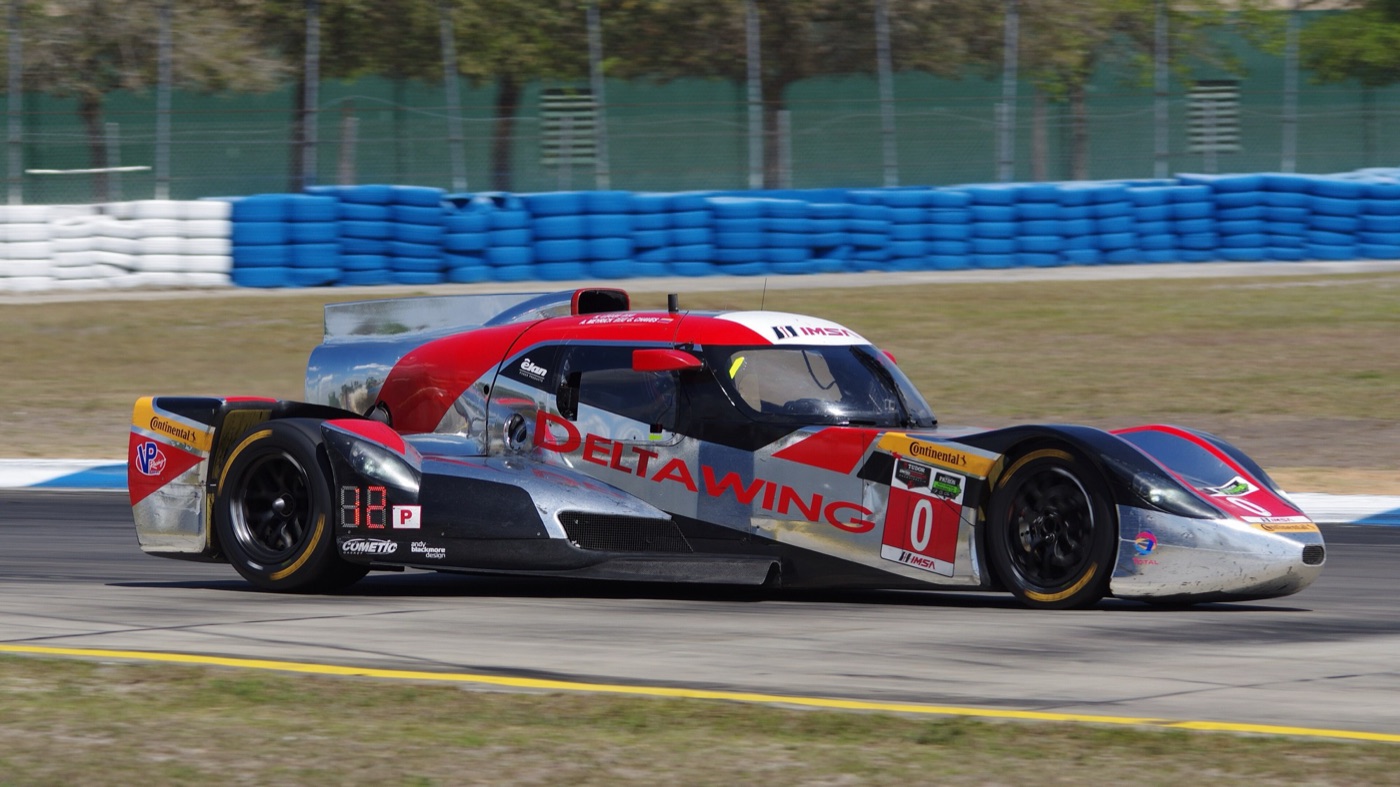
The coupe raced in the United SportsCar Championship from 2014. At the 2014 Petit Le Mans, Katherine Legge, Gabby Chaves and Andy Meyrick led 15 laps and finished fourth after losing first and second gears with three hours left, the team’s best result, according to its own race report.
Nissan ZEOD RC and the BladeGlider
Nissan went on to build two cars of its own with the same narrow-front layout. The Truth About Cars reported in December 2013 that Ben Bowlby worked on both, having been hired by Nissan as director of motorsport innovation.
ZEOD RC at Le Mans
Nissan unveiled the ZEOD RC (Zero Emission On Demand Racing Car) at Le Mans on 21 June 2013, the ACO recorded, and ran it from Garage 56 in 2014. It had two 110 kW electric motors and a 40 kg, 400 hp, 1.5-litre three-cylinder turbo engine, and in qualifying, according to the ACO’s report, Motoyama reached 300 km/h on the Mulsanne Straight on electric power. Motorsport.com reported that in the warm-up on 14 June 2014 Wolfgang Reip drove the first all-electric lap of the 8.5-mile circuit. In the race the car was the first to retire, inside an hour, with a gearbox problem.
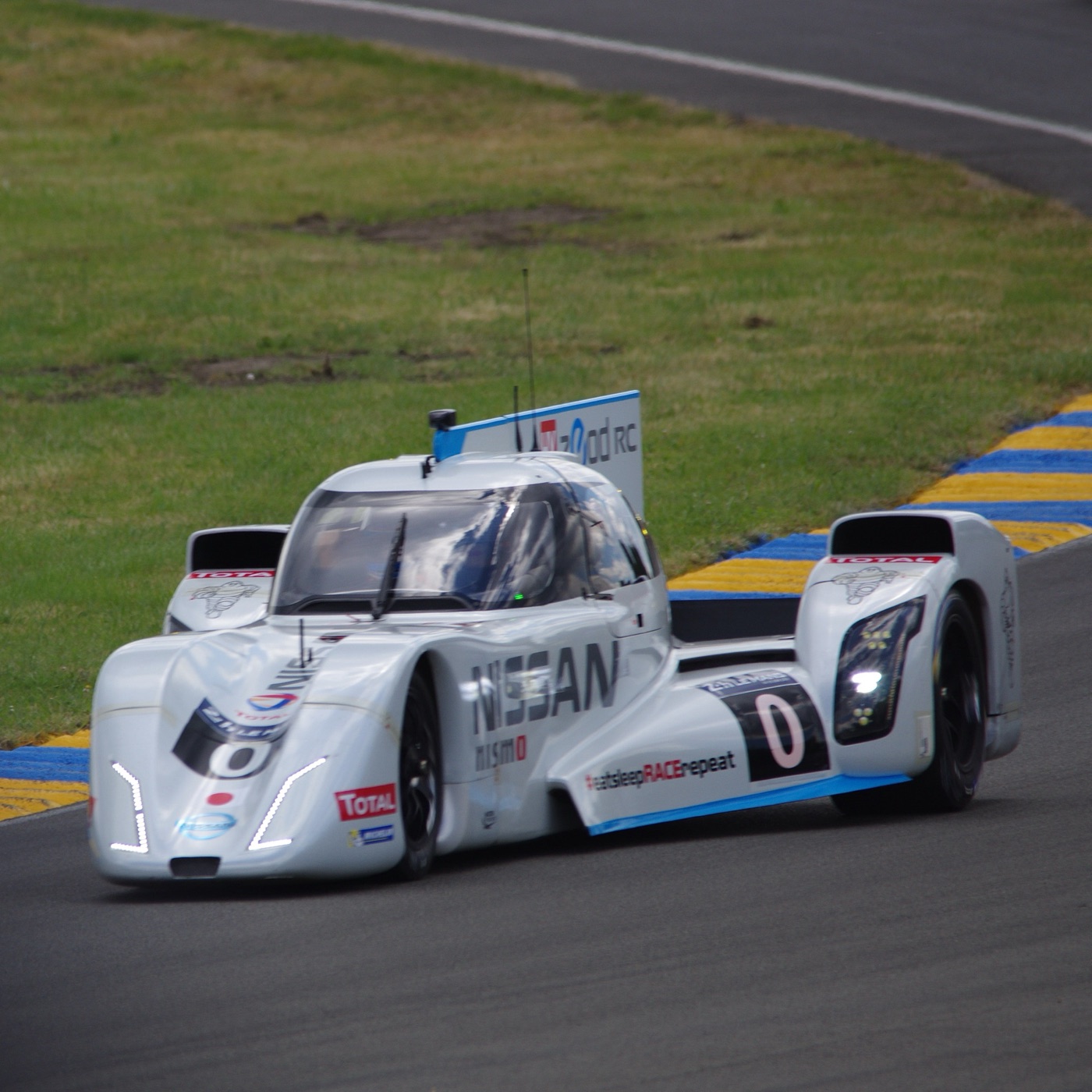
A condition of Nissan getting the Garage 56 place was a three-year commitment to the top LMP1 class from 2015, Motor Sport reported in July 2014.
The BladeGlider road car
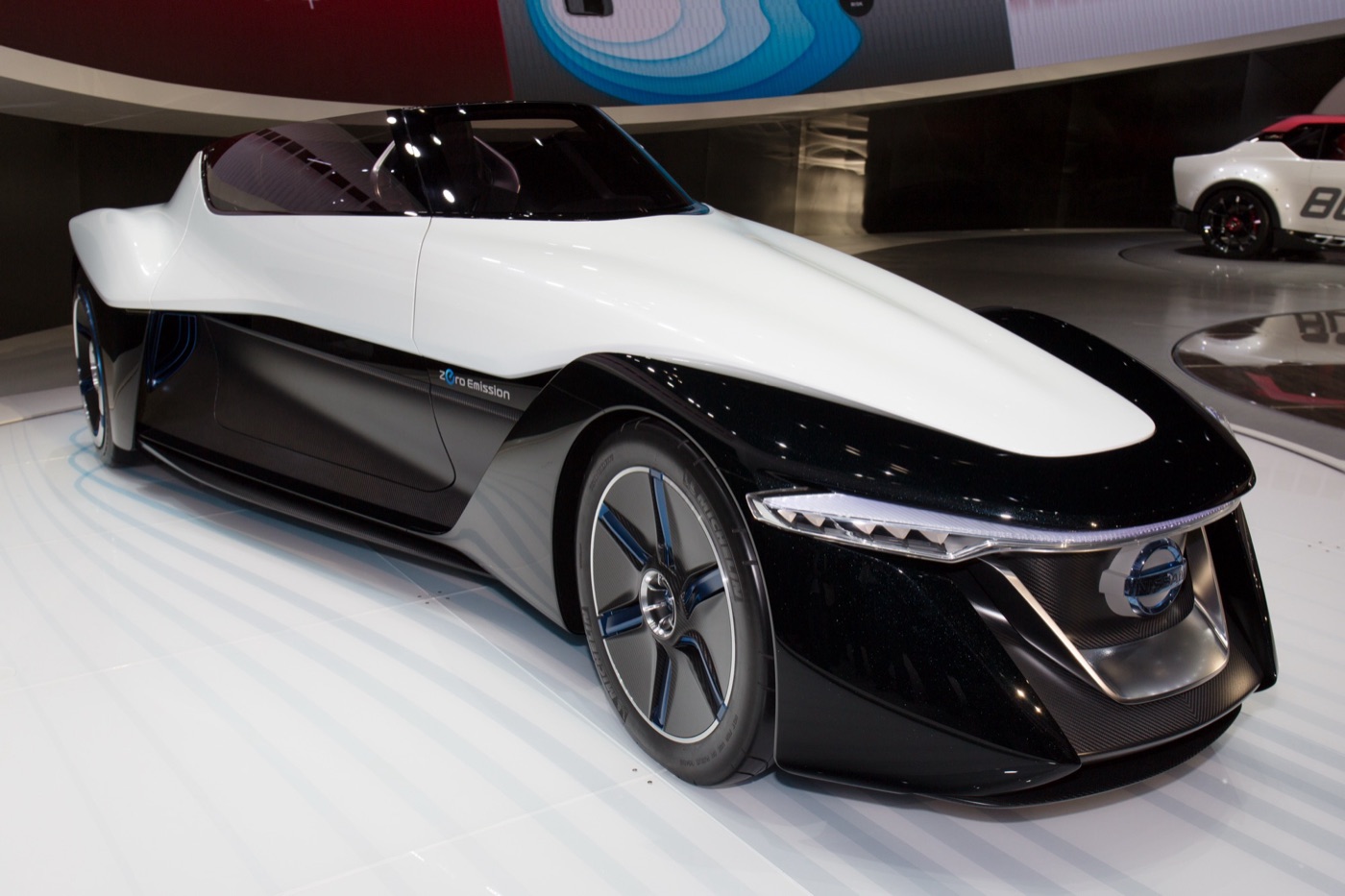
The BladeGlider, an arrow-shaped electric concept, appeared at the Tokyo Motor Show in November 2013. Nissan said it was inspired by a glider and a swept-wing aircraft, and The Truth About Cars reported Nissan’s claim that it would be the basis of a production car.
Why the DeltaWing went to court
On 22 November 2013 Delta Wing Project 56, the Panoz-led company, sued Nissan, Ben Bowlby and Nissan’s global motorsport director Darren Cox in the Superior Court of Jackson County, Georgia, claiming the ZEOD RC and BladeGlider used DeltaWing’s confidential information. The claims ran from breach of contract to fraud, and the company asked for an order stopping Nissan displaying, racing or selling cars of the design.
Court papers quoted an email from Cox, written while Nissan was still a DeltaWing partner, turning down a request from a BladeGlider team member to drive the race car: “Nissan do not own the [DeltaWing] car. We leased the car as part of an engine deal/racing programme … THEY MUST NOT FIND OUT WE ARE CONSIDERING A ROAD CAR. There would be severe legal implications.” Panoz said he felt “really abused by this”, Jalopnik quoted him as saying.
The three court cases were dismissed in March 2016 after a settlement on confidential terms, which both sides described as “to all parties’ satisfaction”, Jalopnik reported in August 2016.
A road car based on the DeltaWing
DeltaWing Technology Group showed a full-size concept of a two-seat Panoz DeltaWing GT road car at Road Atlanta on 1 October 2015, beside a GT race car chassis, its press release said. An independent analysis of a four-seat car on the same layout, the company said, showed nearly 74 mpg on the highway and 57 mpg combined, and the GT’s drag coefficient in simulation was about 0.26. The GT race car was aimed at 350 to 400 hp and 1,800 to 2,000 lb. Jalopnik reported in August 2016 that a planned race version had not appeared at the end of 2015 as intended, and that the company had gone quiet since.
What happened to the DeltaWing?
The DeltaWing raced for the last time at the 2016 Petit Le Mans, and in November 2016 its team dropped a planned farewell at the 2017 Rolex 24. Of the three coupes, one was wrecked at Daytona in 2016, one went to the Panoz Museum and one was offered for sale in 2017.
The 2015 and 2016 seasons
For 2015 the team worked with EMCO Gears on a new gearbox for the coupe, which arrived days before the Rolex 24 at Daytona. The car qualified fifth and ran with the leaders for the first 90 minutes before gearbox trouble put it out, the team’s Sebring preview said in March 2015. By August, at Road America, Memo Rojas said the drivers were still learning the new gearbox and a completely redesigned rear suspension; the car qualified sixth there, its qualifying report recorded.
At the 2016 Rolex 24 the team skipped qualifying in torrential rain, so Katherine Legge started from the rear of the 13-car Prototype field; she was third within 20 minutes and leading by the end of the first hour, Sportscar365 reported on 30 January 2016. She and Andy Meyrick led 29 of the 119 laps it completed before Meyrick hit a PC-class car standing on the track, the team’s race report said. That coupe, chassis 002, was destroyed.
The last race and the 2017 decision
The last race was the Petit Le Mans at Road Atlanta on 1 October 2016. In IMSA’s official results the DWC13 of Legge, Sean Rayhall and Meyrick stopped after 169 laps, a little under four hours in, while the winning Ligier did 412; it was listed 36th of 38 and eighth of nine in the Prototype class.
IMSA had already given the car a one-race extension to run at the 2017 Rolex 24: Don Panoz announced it on the evening of 28 September 2016, three days before the Petit Le Mans, at his company’s museum near Road Atlanta, as Sportscar365 reported that day. On 14 November 2016 the team said on Twitter that it would not go: “It has been an incredible four years racing the most innovative car on the track, but as an organization, Don Panoz decided to focus our efforts on other DeltaWing and Panoz projects,” Sportscar365 reported.
How many DeltaWings were built?
Four DeltaWing race cars were built: one open car, raced in 2012 and 2013 on the Aston Martin tub (Hooniverse, February 2017, describes one open-topped car and a later closed design), and three coupes, chassis 001 to 003, listed by Autoblog in November 2017. In November 2017 Panoz offered chassis 001, the car that first raced at the Circuit of the Americas in 2013, for $375,000 (£285,000) with spares and team support for one event, Motor Sport reported on 8 November 2017; chassis 003 was in the Panoz Museum in Georgia. Autoblog added that chassis 002 was the car destroyed at Daytona. Earlier that year, in February 2017, Hooniverse reported the original open Nissan car listed for sale on WireWheel.com, with no price given.
Questions
Who designed the DeltaWing?
Ben Bowlby, a British engineer and former Lola chief designer, drew it in 2009–10 while working for Chip Ganassi Racing. Dan Gurney’s All American Racers built the 2012 Le Mans car.
Why is it called the DeltaWing?
Seen from above, the car is a triangle: a narrow nose with the two front wheels close together, widening to a conventional rear track, the shape of a delta-wing aircraft.
How fast was the DeltaWing?
IEEE Spectrum gave the 2012 car a top speed of 315 km/h (196 mph). Its best Le Mans qualifying lap was 3:42.612 in 2012, at the pace of the LMP2 class.
What engine did the Nissan DeltaWing use?
A 1.6-litre turbocharged four-cylinder with direct injection, badged Nissan DIG-T and built by RML, giving about 300 hp. From 2013 Panoz used a 1.9-litre turbo engine based on a Mazda unit, rated at 345 hp.
How much did the DeltaWing weigh?
About 475 kg in 2012 Le Mans form, according to IEEE Spectrum, roughly half the 900 kg minimum of an LMP1 car of the time.
What is Garage 56 at Le Mans?
An extra pit garage the ACO created in 2010 for one experimental car a year, which races unclassified. The DeltaWing was its first occupant in 2012; Nissan’s ZEOD RC used it in 2014.
Did Nissan copy the DeltaWing?
The DeltaWing’s owners said so in a lawsuit filed in November 2013 over the ZEOD RC and BladeGlider. Nissan disputed it, and the cases were dismissed in March 2016 after a confidential settlement.
Has a DeltaWing been offered for sale?
Yes. Panoz offered the first coupe, chassis 001, for $375,000 in November 2017, and the original open Nissan car was listed on WireWheel.com in February 2017. Chassis 003 went to the Panoz Museum in Georgia.
Sources
- Autoblog, “Chicago 2010: DeltaWing IndyCar concept”, 10 February 2010: the unveiling and Bowlby’s role.
- Autosport, “DeltaWing disappointed by IRL choice”, 17 July 2010: the Dallara decision and DeltaWing’s statement, with its “half the weight … 235 mph” claims.
- Autosport, “DeltaWing to make debut in 2012”, 9 June 2011: the Garage 56 entry, Project 56 and Beaumesnil’s quote.
- Nissan, press release on the Nissan DeltaWing, London, 13 March 2012: the engine, Garage 56, number 0, drivers, Palmer and Bowlby quotes.
- Motor Sport, “Nissan backs Delta Wing”, May 2012: RML engine, Nissan’s targets and wind-tunnel tests.
- Autosport, “Unlocking the secrets of the DeltaWing”, Stuart Codling’s interview with Ben Bowlby, June 2012: handling, aerodynamics, weight, gearbox, AMR-One tub.
- Nissan, “Nissan DeltaWing shows great pace in Le Mans qualifying”, 13 June 2012: qualifying lap and the extinguisher.
- Nissan, “Heroic Nissan DeltaWing team ends Le Mans journey”, 16 June 2012: the crash, distance, 107 days, Krumm and Motoyama.
- ACO, “Nissan DeltaWing’s retirement: a valiant effort”, June 2012: Motoyama’s account.
- Motorsport.com, “‘We reached our goal’: Don Panoz on the Nissan DeltaWing project”, June 2012: timing of the crash and Panoz’s view.
- Top Gear, “Nissan DeltaWing crashes in Atlanta”, October 2012: the Porsche driver and the 7 g reading.
- Nissan, “Nissan DeltaWing repaired, ready for Saturday’s race”, 18 October 2012: the Road Atlanta crash, Jeannette and Bowlby.
- Nissan, “An awesome afternoon in Atlanta for Nissan”, October 2012: Petit Le Mans race, Cox on safety, the video.
- ACO, “Petit Le Mans: Nissan DeltaWing takes the chequered flag”, October 2012: grid, laps and quotes.
- SkiddMark, “Video: Nissan partners with DeltaWing for Le Mans”, 13 March 2012, and “Is Nissan’s DeltaWing safe in the light of its Road Atlanta testing crash?”, October 2012: Cox on Radio Le Mans; the safety questions and Nissan’s release title.
- Sportscar365, “Michelin memories: 2012 DeltaWing”: Michelin’s role and the front tyre size.
- IEEE Spectrum, “Top Tech Cars 2013: Nissan DeltaWing”, Lawrence Ulrich, 2013: weight, weight distribution, top speed, cornering, fuel use at Petit Le Mans.
- Autosport, “Panoz takes DeltaWing in-house for 2013 American Le Mans Series”, 6 February 2013: Nissan’s exit, Élan engine and tub, David Price.
- ACO, “2013: new life for the DeltaWing”, 2013: the Mazda-based 1.9-litre engine and 345 hp.
- Racer, “Insight: Dave Price on the DeltaWing Coupe’s development”, 17 September 2013: the coupe’s design and the AMR-One tub.
- The Truth About Cars, “Panoz sues Nissan, claims BladeGlider copies DeltaWing”, 3 December 2013: the court, the defendants, Bowlby’s Nissan role.
- Motorsport.com, “Delta Wing files lawsuit against Nissan and former designer Ben Bowlby”, 2 December 2013: the claims and Ganassi’s ownership.
- ACO, “Le Mans 2014: the electric Nissan ZEOD recorded highest speed in Mulsanne Straight”, June 2014: ZEOD powertrain and 300 km/h.
- ACO, “2014 24 Hours of Le Mans: Nissan ZEOD RC, video, numbers and other stories”, 2014: the ZEOD’s unveiling on 21 June 2013.
- Motorsport.com, “ZEOD RC makes first all-electric lap of Le Mans”, 14 June 2014, and its six-hour race report: the electric lap and the retirement.
- Motor Sport, “Nissan ZEOD on target”, July 2014: the LMP1 commitment.
- DeltaWing Racing Cars, “Team-high finish at hometown race”, 5 October 2014 (via Endurance-Info): the 2014 Petit Le Mans.
- DeltaWing Technology Group, “DeltaWing Technology Group unveils DeltaWing GT concept”, 1 October 2015 (via Conceptcarz): the road car.
- Jalopnik, “Here’s what happened with that bizarre Nissan DeltaWing lawsuit”, 4 August 2016: the settlement and the Cox email.
- DeltaWing Racing Cars, Sebring preview, March 2015 (via Endurance-Info): the EMCO gearbox and the 2015 Rolex 24.
- DeltaWing Racing Cars, Road America qualifying report, 8 August 2015 (via Motorsport.com): the new gearbox and rear suspension.
- Panoz DeltaWing Racing, “Three times in P1 position and an unavoidable crash”, 30 January 2016 (via Motorsport.com): the 2016 Rolex 24.
- IMSA, official results, Petit Le Mans, 1 October 2016: the coupe’s last race.
- Sportscar365, “Legge, DeltaWing lead opening hour at Daytona”, 30 January 2016: the start from the rear of the Prototype field.
- Sportscar365, “DeltaWing to make final start at Daytona”, 28 September 2016: IMSA’s one-race extension.
- Sportscar365, “DeltaWing opts out of Rolex 24”, 14 November 2016: the one-race extension and the team’s statement.
- Autoblog, “First DeltaWing coupe for sale”, 7 November 2017: chassis 001 to 003.
- Motor Sport, on the sale of the first DeltaWing coupe, 8 November 2017: price, chassis 001 and 003.
- Hooniverse, “For sale: the original DeltaWing race car”, February 2017: the open Nissan car offered on WireWheel.com; it describes one open-topped car and a later closed design.