Ginetta: history, owners, models and the G40 R road car
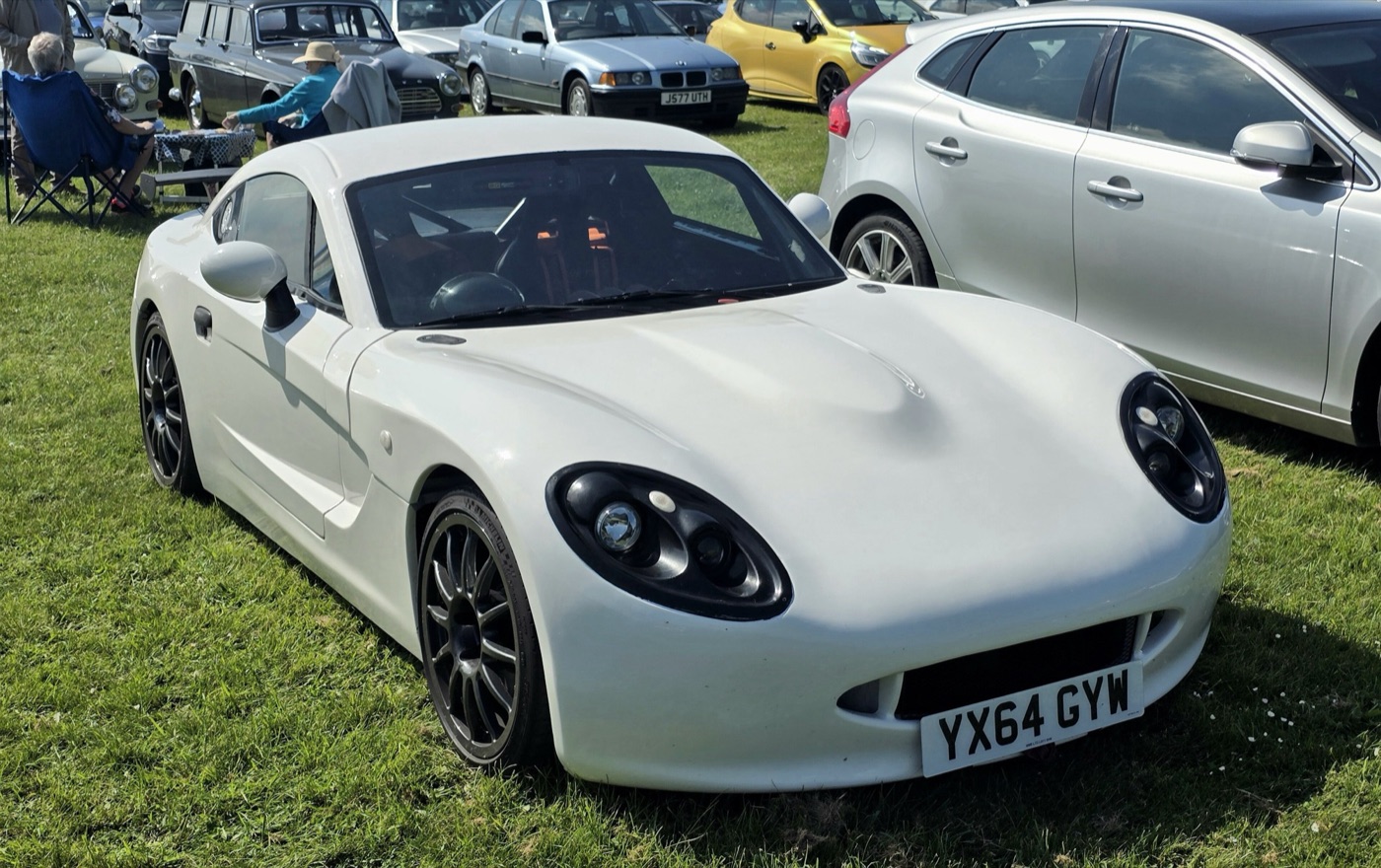
Ginetta is a British maker of sports and racing cars, founded in Suffolk in 1958 by the four Walklett brothers and owned since December 2005 by the racer and businessman Lawrence Tomlinson, whose company builds its cars at Garforth, near Leeds. It made its name with the G4 and G15 of the 1960s; today it builds mainly racing cars for its own one-make series, where teenagers start in the G40 Junior, and from 2011 it also sold the G40 R, the road version of that race car.
Ginetta history from 1958 to 2005
For its first 31 years Ginetta belonged to the Walklett brothers, who built kit cars, racing cars and type-approved road cars in Suffolk and Essex before selling the business in 1989. The Ginetta Owners Club’s timeline, taken from Trevor Pyman’s 2018 book Ginetta Road and Track Cars, gives the founding year as 1958 and names the brothers as Bob, Ivor, Trevers and Douglas (Trevers, not Trevor, as Motor Sport once pointed out).
| Years | Owner | Where the cars were made |
|---|---|---|
| 1958–1989 | The Walklett brothers | Woodbridge, Suffolk; Witham, Essex, from 1962; Sudbury, Suffolk, for the G15 from 1972 |
| 1989–2005 | A consortium led by Martin Phaff, with Ivor Walklett as technical director; from 1993 a consortium of mainly overseas distributors, still run by Phaff | Sheffield by 2005 |
| December 2005 to date | Lawrence Tomlinson, through his LNT Group | Garforth, Leeds |
The Walklett brothers and the first Ginettas
In the 1950s the brothers ran an agricultural engineering business in Woodbridge, and each had a job in the car side: Bob was managing director, Douglas the mechanical engineer and electrician, Ivor the designer and Trevers the stylist. Ivor’s first special, built on the remains of a pre-war Wolseley Hornet, later became known as the G1; according to a 2009 Motor Sport profile of the G4 it ended its life against a tree stump in his parents’ drive.
The first car offered for sale was the G2, announced in February 1958. It was a kit built around Ford components in the style of the Lotus Six, with a spaceframe chassis and aluminium panels; Motor Sport’s 1995 history of the company puts the basic kit at £156, a finished car at about £250 and sales at about 100 by 1960. A glass-fibre body for special builders, the Fairlite, followed in November 1958, and the G3 of 1960 put it on a Ginetta chassis.
The G4 and the racing years
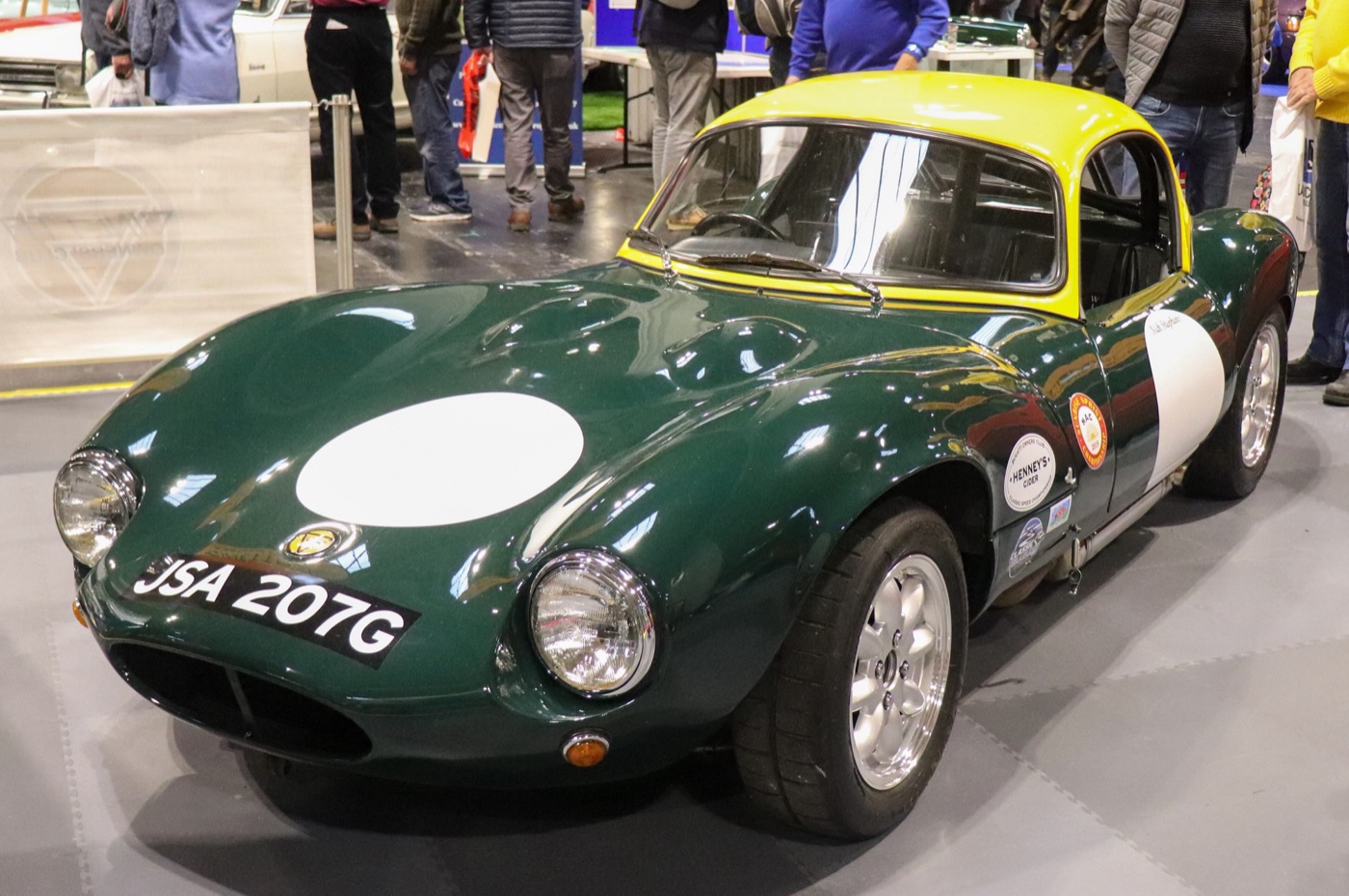
The G4 made Ginetta’s name. It was shown at the Racing Car Show in January 1961 with a glass-fibre body bonded to a round-tube spaceframe, a 997 cc Ford 105E engine and a weight of about 980 lb. Within a year a complete kit cost £499, roughly the price of a Mini, and in 1962 the brothers gave up engineering work and moved to a new factory at Witham, Essex. Ivor Walklett told Motor Sport in 2009 that the G4 “was always intended to be a road-going racing car”, first planned around a Coventry Climax engine.
The works driver Chris Meek asked for independent rear suspension for 1964, and the resulting Lotus twin-cam G4R won eight races and took six second places that season. Motor Sport’s 1995 list of G4 variants, drawn up with Ivor and Trevers Walklett, includes three side branches: the G5, a G4 with a 1,498 cc Ford engine that was renamed the G4 1500 after about a week because buyers were confused; the G6, three G4s converted in 1963 to DKW two-stroke engines for the German tuner Albrecht Mantzel; and the G7, a prototype with a rear-mounted ZF five-speed transaxle. About 300 chassis numbers had been allocated by the time the original G4 was dropped in the late 1960s; the shape came back in 1981 as the wider Series IV, and again in the 1990s as a run of copies for Japan.
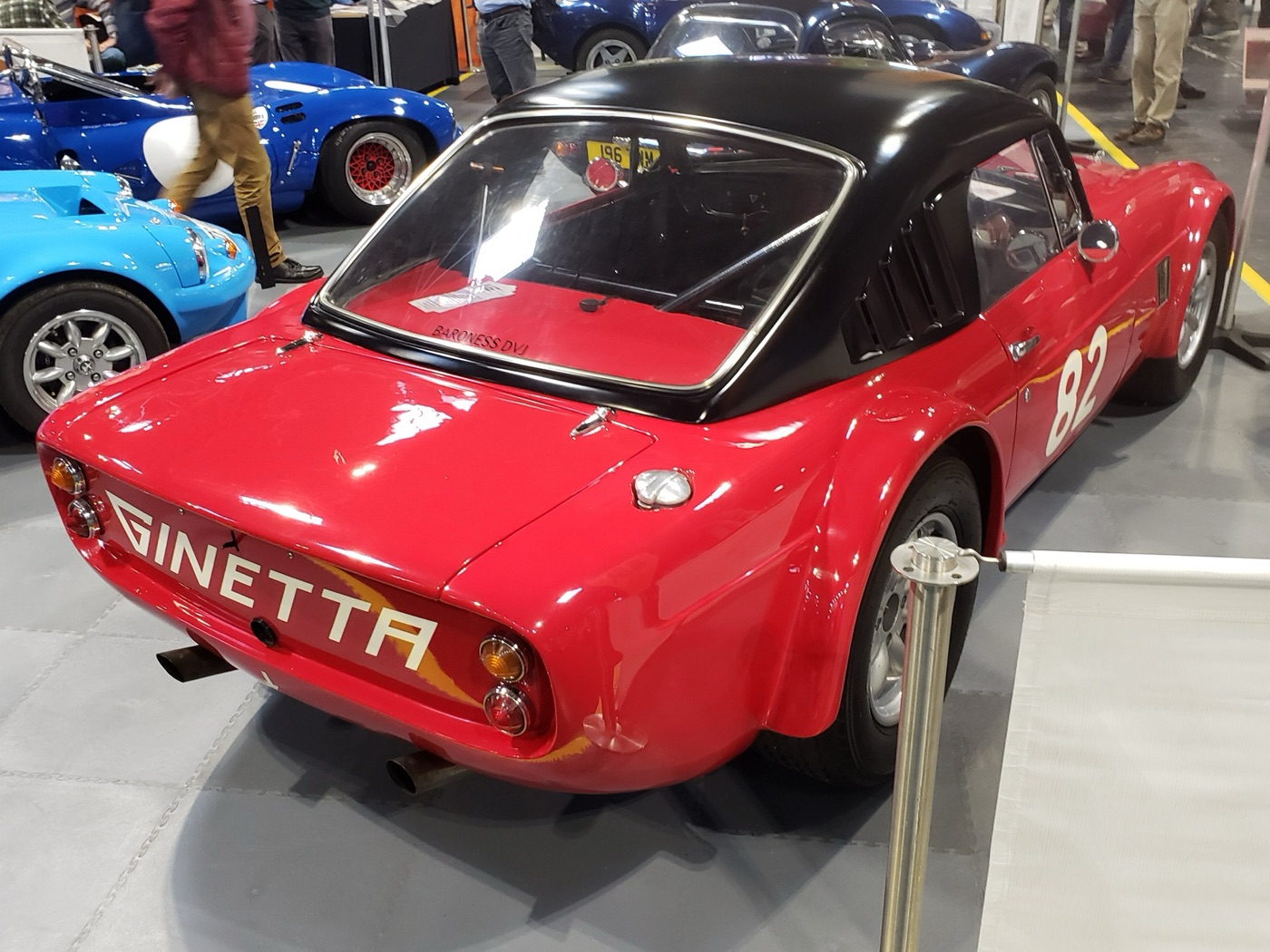
The 1960s also brought the cars that failed to sell. The G10 of 1965 had a 4.7-litre Ford V8 and, with Meek driving, proved quicker than the AC Cobra in British races, but the American SCCA would not homologate it as a production car and the orders were cancelled. Its MGB-engined sister, the G11, foundered because BMC could not supply parts (on one occasion, Motor Sport recorded, 12 left-hand doors arrived). The mid-engined G12 of 1966 did better, with about 50 built for one- and two-litre sports car racing.
The G12 led to the G16 of 1968, a wider sports-racer for Cosworth FVA, BMW and Coventry Climax engines and, as the G16A of 1969, a two-litre BRM; the club’s history of the G16 says it showed flashes of race-winning pace but was plagued by unreliability and faded away by 1970. Ginetta also tried single-seaters: the G8 of 1964, the G9 Formula 2 car abandoned in 1965, and the Imp-engined G17 and G18 announced in December 1968. Only three G17s were built, but Alex Brown won the 1973 national hillclimb championship outright in one, and Motor Sport records that a Ginetta Formula Ford spurred Adrian Reynard to design his own car.
The G15 and G21 road cars
The G15, launched at the London Motor Show in October 1967, was Ginetta’s first big-selling sports car. It was a small coupé with the 875 cc Hillman Imp Sport engine in the tail, making 55 bhp gross in a car of 10½ cwt; Motor Sport’s road test of January 1969 gave the price as £849 as a kit or £1,100 16s with purchase tax, and the makers’ claim of 40 mpg, which the test car bettered.
By the summer of 1970, the Owners Club’s model history says, the Witham factory was making two G15s a week against a twelve-week waiting list. The club records 159 Series 4 cars built at a new factory in Sudbury between July 1972 and the end of March 1973. Motor Sport’s 1995 history puts the peak at four or five a week until VAT replaced purchase tax in April 1973, which ended the saving on kit cars; the last G15 left the factory in May 1974, after VAT, the fuel crisis and the three-day week.
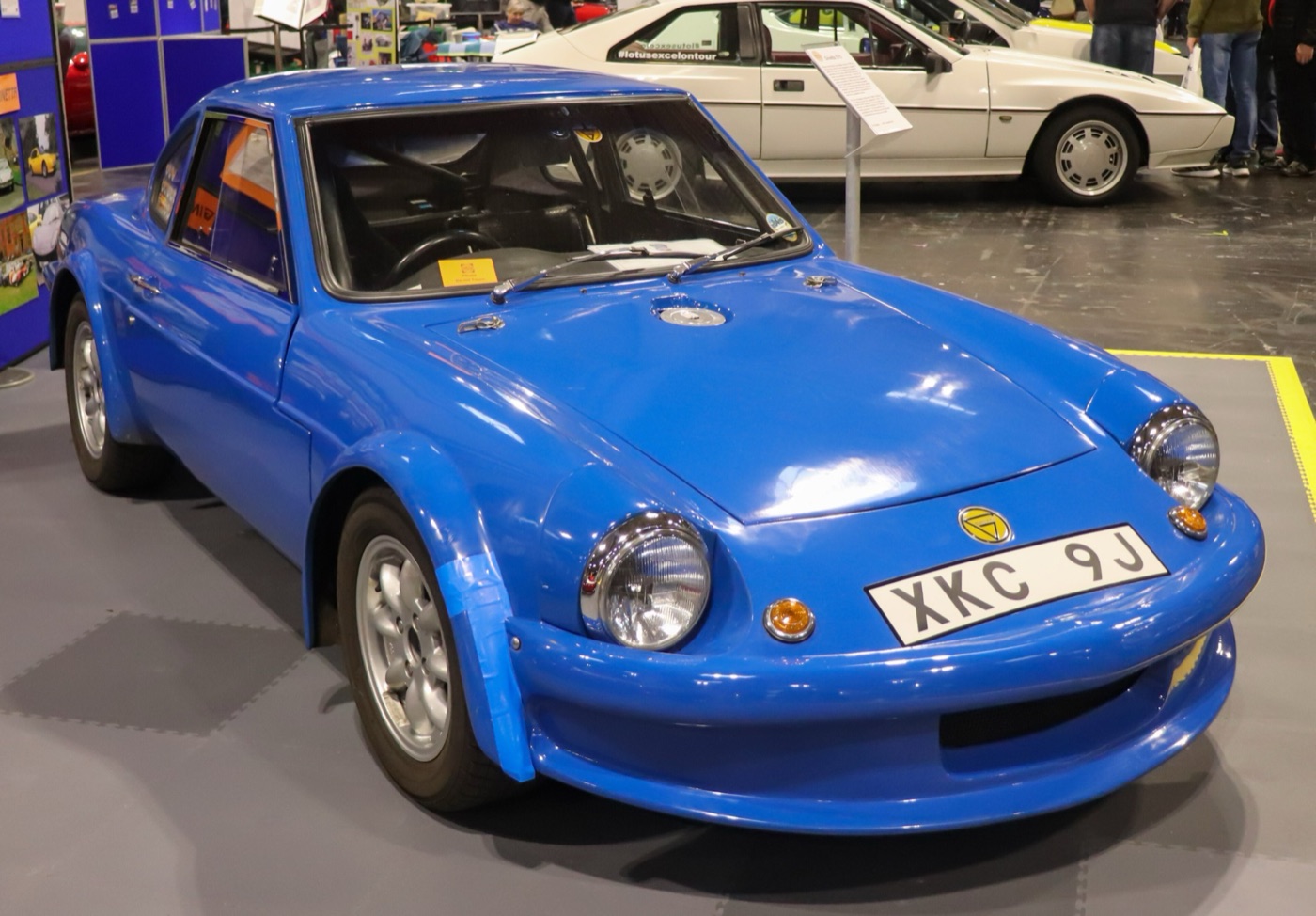
The larger G21, shown at the 1970 Motor Show with 1.6-litre and 3-litre engines and usually sold with the 1,725 cc Sunbeam Rapier four, carried Ginetta through the 1970s. When G21 production ended early in 1978, its open successor, the G23 with a Ford V6, reached only two prototypes, and the G24, a G21 with the G23’s pop-up headlamps, only two chassis; both were shown early in 1980. Output fell to about 30 cars a year in that decade, and Motor Sport put the company’s survival down to the spares and rebuild work from the 1,500 or so cars it had sold by then.
Kit cars, the G32 and the 1989 sale
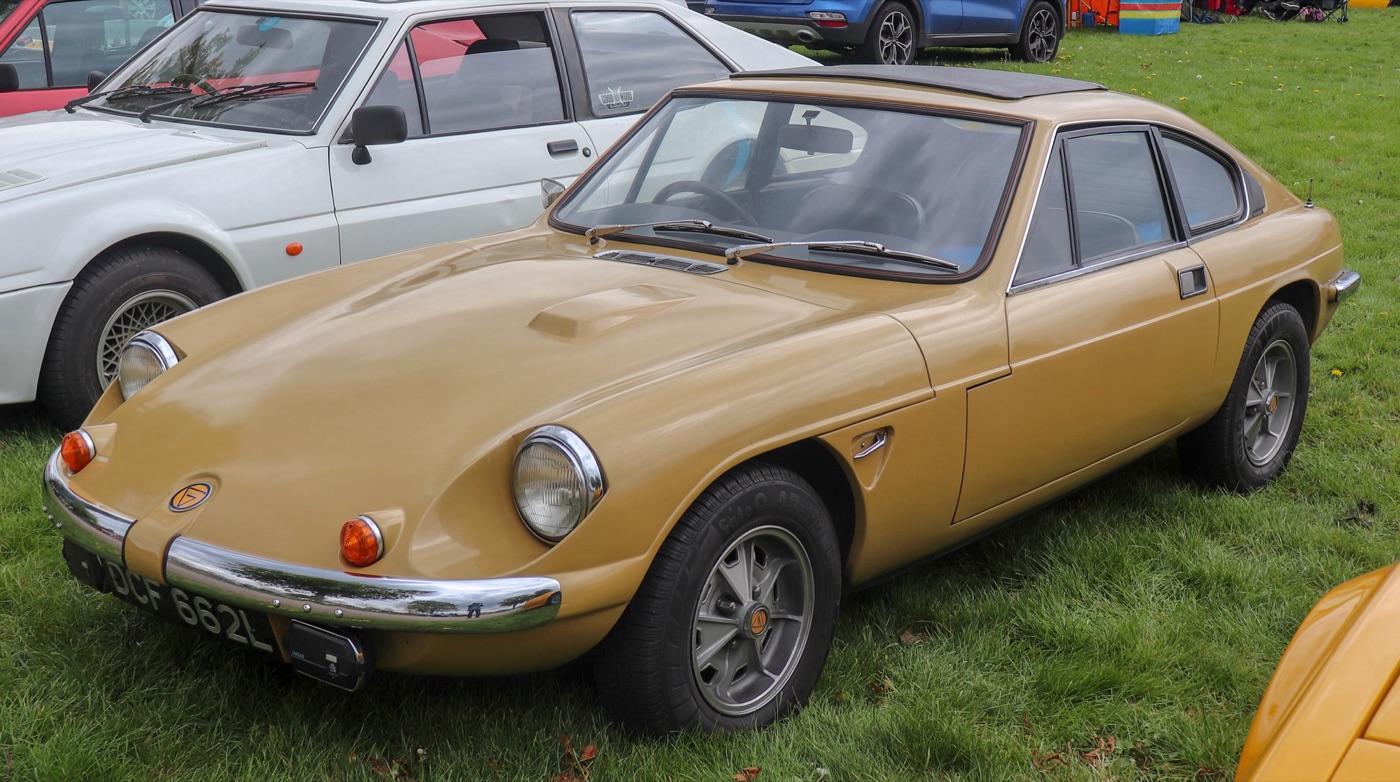
In the 1980s Ginetta went back to kits. The GRS Tora estate came in 1982, the G26 sports saloon in 1984 and the G27, a development of the G4 Series IV, in 1985. At the 1986 Motor Show Ginetta showed the G28, G30 and G31 sports saloons alongside the G32, a type-approved mid-engined coupé built from Ford Fiesta parts. In 1989 the brothers retired and sold the company to a consortium led by Martin Phaff, with Ivor staying on as technical director and a ten per cent shareholder. Motor Sport noted that the buyers did not get one thing: only the Walkletts know why the cars were called Ginetta, “and they are not telling”.
Martin Phaff, receivership and the one-make series
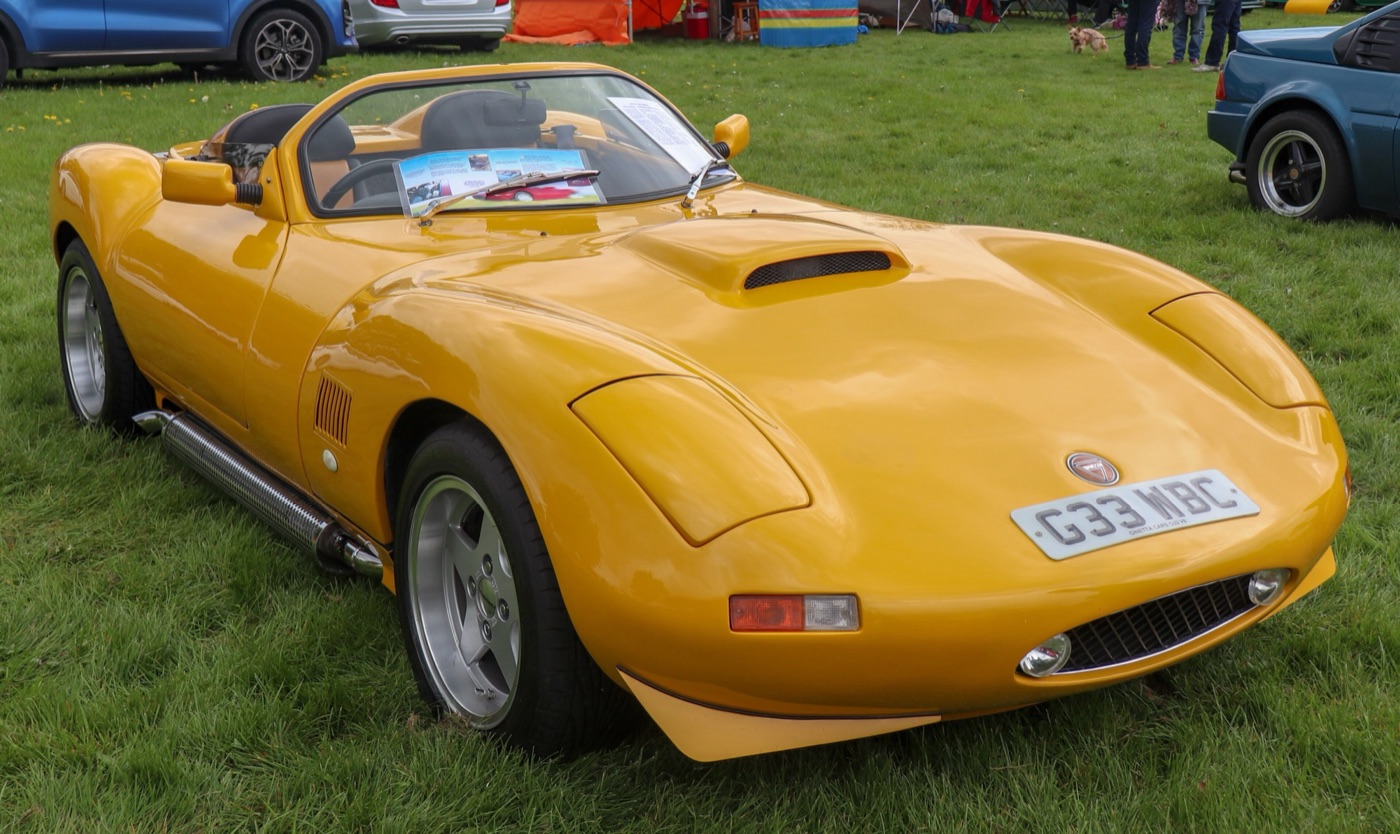
The G33 roadster, a Rover V8 descendant of the G4 shown at the 1990 Motor Show, was admired, but the G32 was soon being compared with Toyota’s MR2, and testers criticised its build quality. Falling property values (most of the debts were secured on the factory) and a failed contract to supply G4s and G12s to Waryhouse of Tokyo put the company into financial trouble in 1992. Ivor and Trevers Walklett, with Mark Walklett of the family’s next generation, then set up Dare UK (Dare (UK) Ltd), which built G4s and G12s for the Japanese market near Colchester; the G34, a stretched G33 with Volvo running gear, was built in Sweden by Gin 1 Car AB. In January 1993 Ginetta Cars was bought by a consortium of mainly overseas distributors with Phaff still in charge; the present company, Ginetta Cars Limited, was registered in September 1992 as Broomco (600) Limited and took its current name on 17 February 1993, according to Companies House.
Under Phaff, Ginetta turned to racing. A G27 race series began for the 1996 season, G20 Cup cars followed for 2002, and a closed G20 Junior car was introduced for the 2003 season, according to the club’s timeline. In 1995 Phaff told Motor Sport he expected to build about 120 cars that year. By 2005 the company was small again: Richard Dean, who ran it for Tomlinson, told Motor Sport in 2009 that he thought Ginetta had built five cars in the year before the takeover.
Who owns Ginetta now?
Ginetta is owned by Lawrence Tomlinson, who bought it in December 2005 through LNT Automotive, part of his LNT Group; Motor Sport in 2009 gave his business background as construction and care homes. The registered office of Ginetta Cars Limited is at Isabella Road, Garforth, and Companies House lists it as active, with motor vehicle manufacture as its business. Ginetta called 2025 the 20th anniversary year of “Dr Lawrence Tomlinson’s acquisition” in its press release of 10 March 2025.
Lawrence Tomlinson, TVR and Team LNT
Tomlinson raced before he owned a car company. His Team LNT, formed in 2004, won the GT class at the 2006 Le Mans 24 Hours in a Panoz Esperante, finishing 15th overall with Tomlinson, Richard Dean and Tom Kimber-Smith driving; the race organisers’ history of the team says it remains the only class win for a Panoz at Le Mans, and that Tomlinson finished three of his four Le Mans starts, in 2004, 2006 and 2007.
He had first tried to buy TVR. PistonHeads reported in April 2025 that he raced TVR T400Rs in British GT and at Le Mans and bid for the company in 2004, but lost it to the Russian businessman Nikolay Smolensky; he bought Ginetta a year later. A 2012 SkiddMark report adds that the first car Tomlinson ever raced was a Ginetta. Dean recalled the phone call for Motor Sport: “I’ve bought Ginetta,” Tomlinson said, and when Dean asked why he wanted one, “No, you don’t understand, I’ve bought the business.”
Where are Ginetta cars made?
Ginetta cars are made at Garforth, on the eastern edge of Leeds, in what Ginetta’s own site describes as a 75,000 sq ft factory where every car is hand-built. The site also lists the circuit it owns, Blyton Park, the track day company want2race and an in-house simulator. A 2012 SkiddMark factory visit counted 70 staff building six cars a week, with a carbon-fibre shop able to bake two G60 shells at once.
The company sells abroad: CAR magazine’s factory tour, published at the start of 2016, reported that a large share of production was exported, to North and South America and Japan among other markets.
Racing cars first: the G50 and G55
Under Tomlinson, Ginetta became a racing car maker that also builds road cars. The first new design was the G50, a 300 bhp Ford V6 coupé for a new one-make series, the G50 Cup: Dean told Motor Sport in May 2009 that the idea came at the Autosport International show in January 2007, the prototype ran by September and raced in France that month, and the 26 cars ordered for the 2008 G50 Cup were all built in 11 weeks. Ginetta made 58 G50s in 2008, and the car won every round of the GT4 class of that year’s British GT Championship. At £45,000, Dean pointed out, it cost far less than a rival Aston Martin at £120,000.
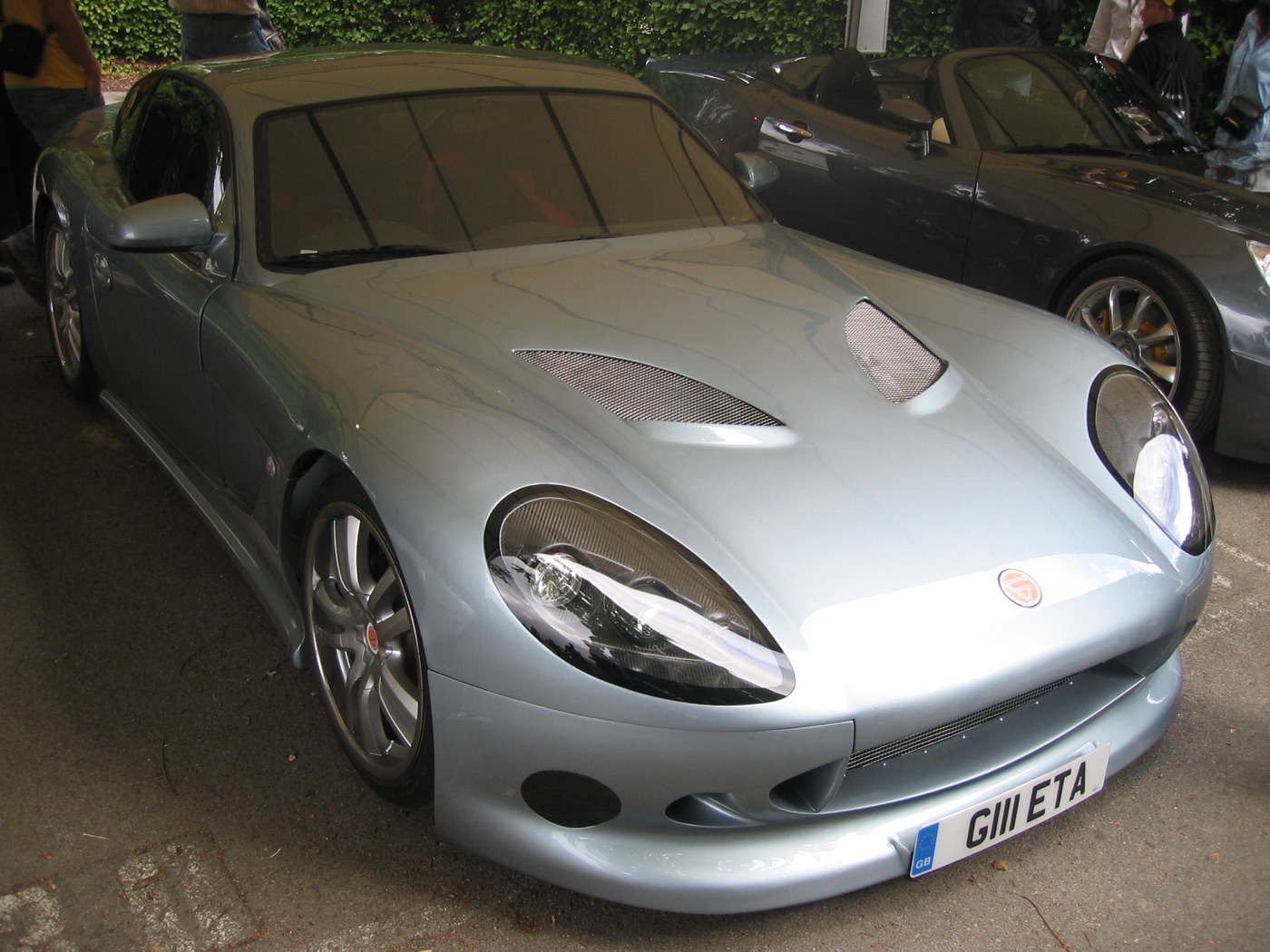
Ginetta added sports prototypes too: having bought Juno, it built the first LMP3 cars, and from them the G57-P2 with a 6.3-litre Chevrolet V8, which Motor Sport wrote in January 2017 could match LMP2 pace for a fraction of the price. The G55 followed the G50, with a 3.7-litre V6 in the Supercup and GT4 cars and a 4.35-litre V8 in the GT3 version. Ginetta’s current GT racer, the G56, is described on its site as “derived from the most successful GT4 chassis in history”, and the G56 GT4 Evo uses a 6.2-litre V8 of Ginetta’s own.
The G40 race car and G40 R road car
The G40 is a small front-engined, rear-wheel-drive coupé that Ginetta has built since 2010, first as a junior racing car and from 2011 also as a road car. Autocar reported in November 2009 that Ginetta had dropped a road version of the G50 as too expensive and would build a smaller, cheaper G40 instead, with a 1.8-litre Ford Zetec, about 800 kg to carry and a price of £24,950; the designer, Marcos Lameirao, said, “We are aiming at the Lotus market.”
The race car has a tubular steel spaceframe that is also its FIA roll cage, clothed in glass fibre. More than 350 G40s had been made by early 2022, according to Motor Sport’s buying guide, which gives the Zetec’s output as 100 bhp in Junior trim (the limit in Motorsport UK’s regulations), 130 bhp in G40 Cup cars and 155 bhp in the GT5 Challenge car. Earlier race cars had a five-speed synchromesh gearbox. The new car replaced the G20, the open race car that had carried Ginetta’s one-make series since 2002 and, by the late 2000s, looked dated.
G40 R specification
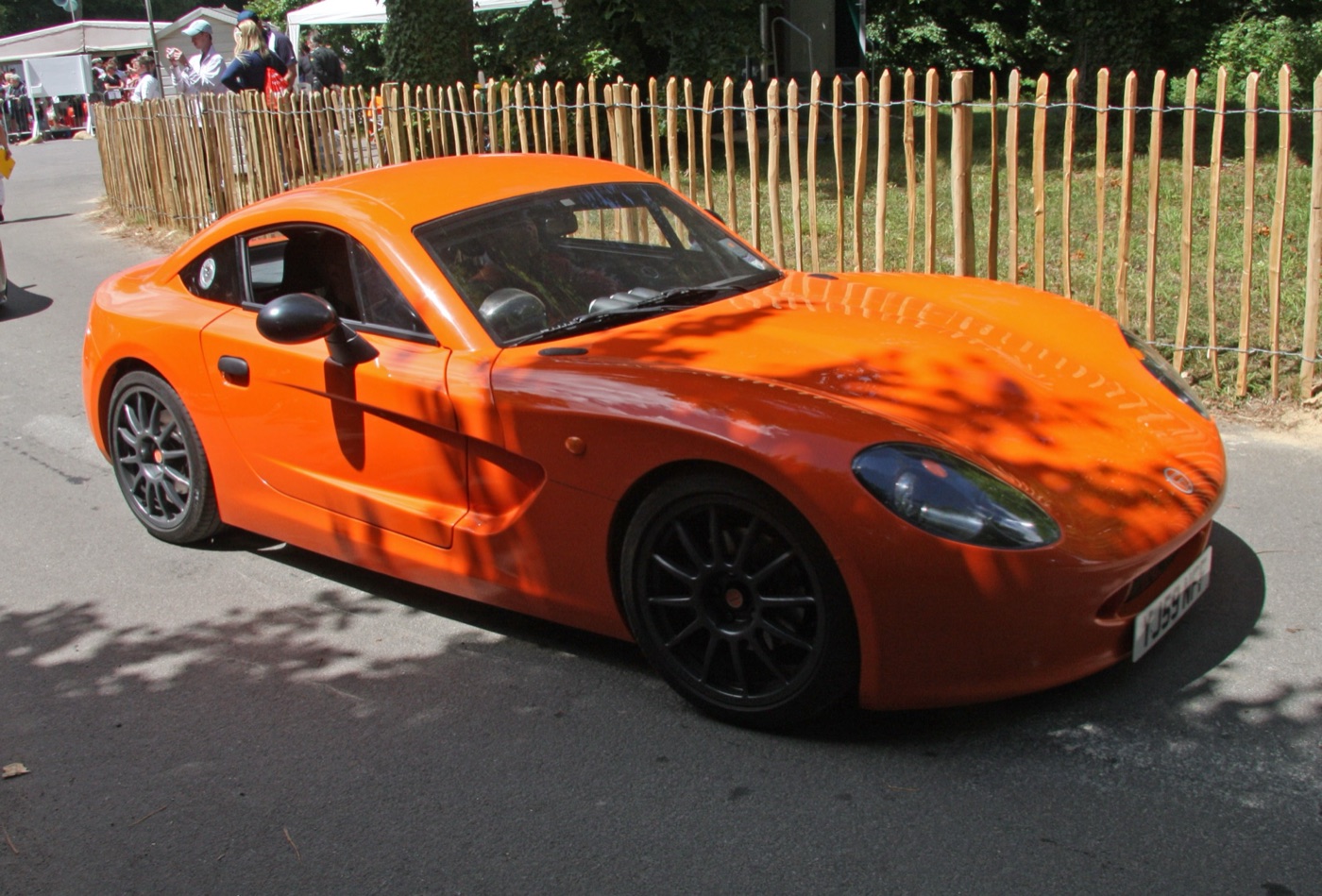
The G40 R is the G40 race car made road-legal, with a 2.0-litre Mazda MZR engine, gearbox and limited-slip differential in place of the racer’s Ford Zetec. A 2011 SkiddMark track test at Silverstone recorded the road car’s manual gearbox in place of the race car’s sequential, plus road seats and belts, headlights and a number plate, and gave 175 bhp, a kerb weight of 795 kg, 0–60 mph in 6 seconds and a top speed approaching 140 mph. It called the car Ginetta’s first road car since the 1990s, though Motor Sport had reported in 2009 that road-going G50s existed to meet homologation rules.
| Item | Figure |
|---|---|
| Layout | Front engine, rear-wheel drive, two-seat coupé |
| Engine | Mazda MZR 1,999 cc four-cylinder, as in the MX-5 |
| Power | 175 bhp at 7,000 rpm (157 bhp in the MX-5) |
| Gearbox | Mazda six-speed manual, limited-slip differential |
| Kerb weight | 795 kg claimed; 880 kg fully fuelled on Autocar’s scales |
| 0–60 mph | 5.8 sec claimed; 6 sec (SkiddMark); 6.3 sec average (Autocar, two aboard) |
| Top speed | 140 mph |
| Length and width | 3,748 mm and 1,642 mm |
| Wheels and tyres | 7.5x17in Team Dynamics wheels, 205/40 17 tyres |
| Price at launch | £29,950 (What Car?, SkiddMark); £29,995 (PistonHeads), 2011 |
The power figure comes from a Ginetta engine control unit; Autocar measured the claimed 0–60 mph time as 6.2 seconds at best with two people and fuel aboard, and said the car could not reach 60 mph in second gear. Brakes and steering are unassisted. The car was approved under the Individual Vehicle Approval scheme, which Autocar said let Ginetta register up to 300 a year.
The Junior car that the teenagers race is the same body and chassis with a sealed 1.8-litre Ford Zetec restricted to 100 bhp, a sealed Quaife six-speed sequential gearbox, 280 mm discs all round and controlled Pirelli road tyres, Ginetta’s G40 Junior page says.
The G40 R on track
The SkiddMark test at Silverstone in October 2011 found the steering “slightly un-communicative” at low speed but full of feedback as the pace rose, and the unservoed brake pedal “rock solid”, easy to lock the rear wheels with until the driver adapted. It judged the car less forgiving than a Caterham Seven or a Lotus Elise when grip ran out, with performance between an Elise and an Exige. The car tested was a pre-production model, and the report wanted better interior trim and exterior panels before customer deliveries.
What the magazines said
Autocar’s 2012 road test said the G40 R “stands alone in offering balance and ability in a closed-roof, track-focused road car”, but found the steering heavier than an Elise’s at low speed and the test car’s cabin unfinished. What Car?, in August 2011, liked the 200-litre boot (“nearly twice the space in an Elise”) and the unassisted steering, but complained that the doors “flap shut” and most panels fitted poorly, at £1,850 more than an Elise. PistonHeads drove it at Elvington and noted the body came with a gelcoat finish, not paint. Auto Express in August 2012 found “masses of grip” on a wet track but called the noise and the heavy clutch reasons not to use it every day.
CAR magazine ran a G40 GRDC (the Ginetta Racing Drivers’ Club version) as a long-term test car in 2015. Its final report in March 2016 recorded commuting in it, two race wins at Silverstone in the GRDC series and a trip to Le Mans in a sister car, and gave the GRDC package price as about £40,000 including a season’s racing.
How much is a Ginetta G40?
The G40 R cost £29,950 at launch, and Ginetta aimed to sell 100 a year; the 2011 SkiddMark report said all would go to UK customers, with deliveries from 2012. Motor Sport’s 2022 buying guide gave a new G40 race car as £39,000 to £45,000 and used examples as £15,000 to £35,000, and called second-hand values strong.
Ginetta road cars since 2011
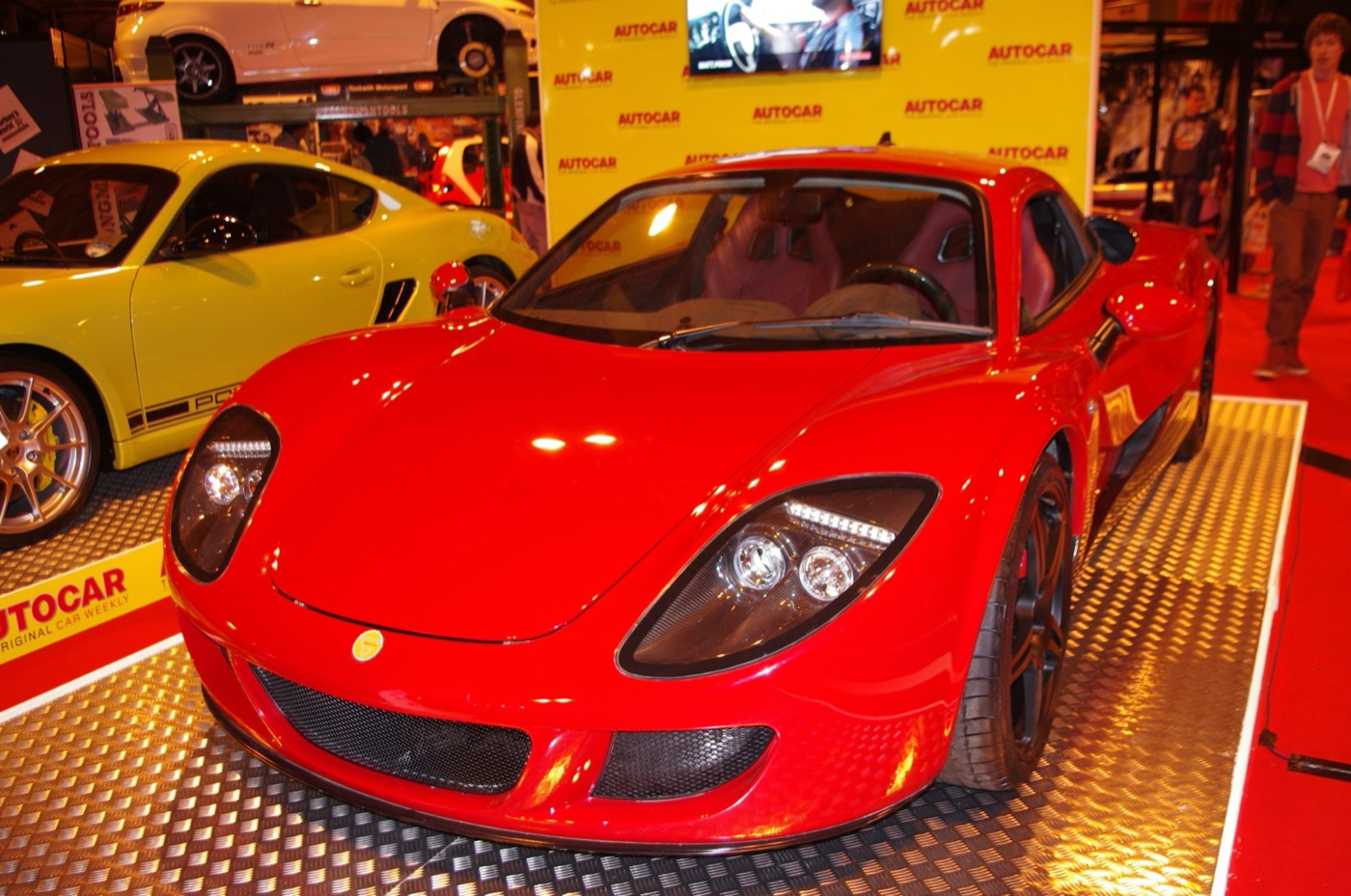
Since 2011 Ginetta has added the G60, the Akula, a remade G10 and the GTR. In March 2010 it bought Farbio, a Bath maker of the carbon-fibre-bodied GTS, whose founder Chris Marsh stayed on as managing director, Autocar reported.
The G60
The G60 is the Farbio car reworked as a mid-engined Ginetta. The 2012 SkiddMark factory report gave its engine as a 3.7-litre V6, its price as £68,000 and its output as about 50 a year; Tomlinson, asked whether a clean sheet would have been better, answered, “Absolutely yes… but then absolutely not.” By the end of 2015, CAR reported, the G60 had been “put on ice”.
The Akula supercar
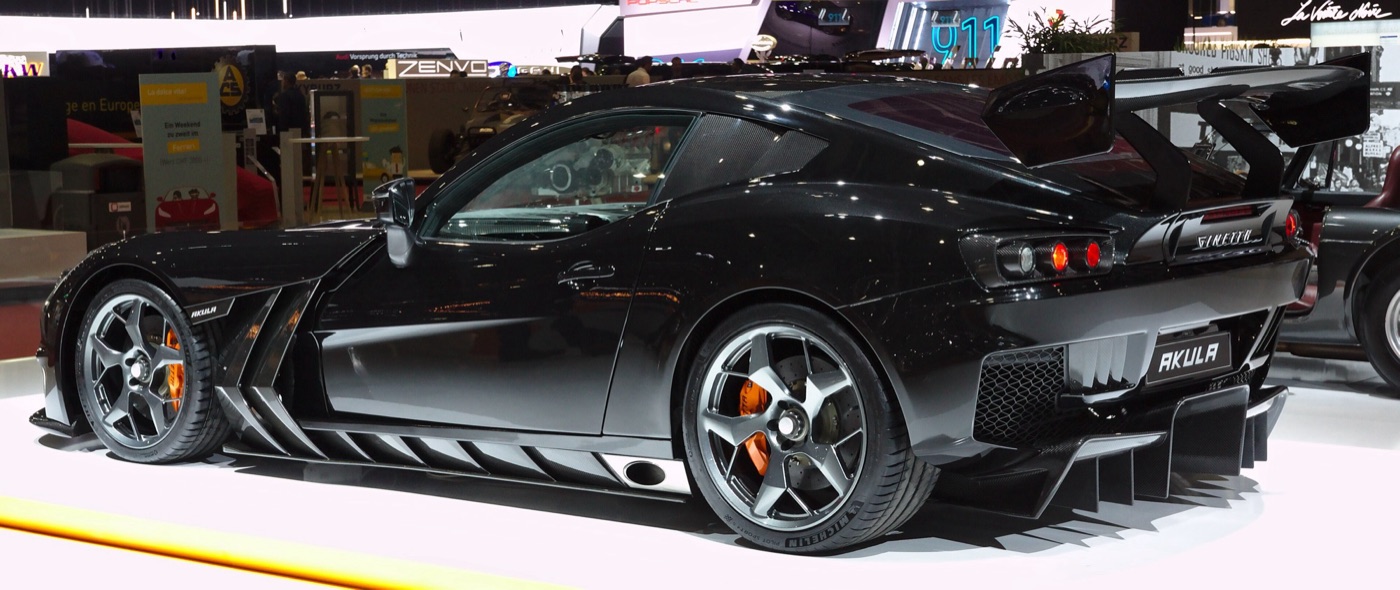
The Akula, shown at the Geneva Motor Show in March 2019, is Ginetta’s most expensive car. Goodwood’s first report in February 2019 described a carbon-fibre coupé with a 6.0-litre Ginetta V8 of more than 600 bhp mounted so far back that the weight split was 49:51, with 20 cars planned from 2020 at around £400,000. Ginetta’s current Akula page lists a 6.4-litre V8 of 600 bhp at 7,200 rpm, 1,190 kg, 0–62 mph in 2.9 seconds, more than 180 mph, and a price from £275,000 plus taxes, still limited to 20 cars.
The G10 remastered and the GTR
Ginetta also lists two low-volume road cars on its site: a remade G10, hand-built to order with a 6.2-litre Ginetta V8 and offered “to serious private collectors by invitation”, and the GTR, a road car based on the G56 with a 6.2-litre V8 and a six-speed manual gearbox.
Ginetta in motorsport
Ginetta runs three one-make championships for its sports cars in Britain (earlier series included the GT4 Supercup on the touring car bill and the GT5 Challenge), sells GT4, GT2 and LMP3 cars to teams abroad, and has raced at Le Mans as a car maker. Its 2025 plans, announced in September 2024, put all three series (the Juniors, the GT Academy and the GT Championship) on the British GT Championship’s support programme.
The Ginetta Junior Championship
The Ginetta Junior Championship is for drivers aged 14 to 17 and has used the G40 since 2010. The 2012 SkiddMark report said Tomlinson moved the Juniors onto the British Touring Car Championship’s support bill after Formula BMW left it at the end of 2007, and offered a scholarship worth a funded £40,000 season. PistonHeads recorded a record-equalling 28-car grid at Donington Park in April 2025, when the championship marked its 20th anniversary. Ginetta names Lando Norris and Jamie Chadwick among the drivers who started in its cars, and Tomlinson told PistonHeads that Norris, asked on television for his favourite race series, said the Ginetta Juniors.
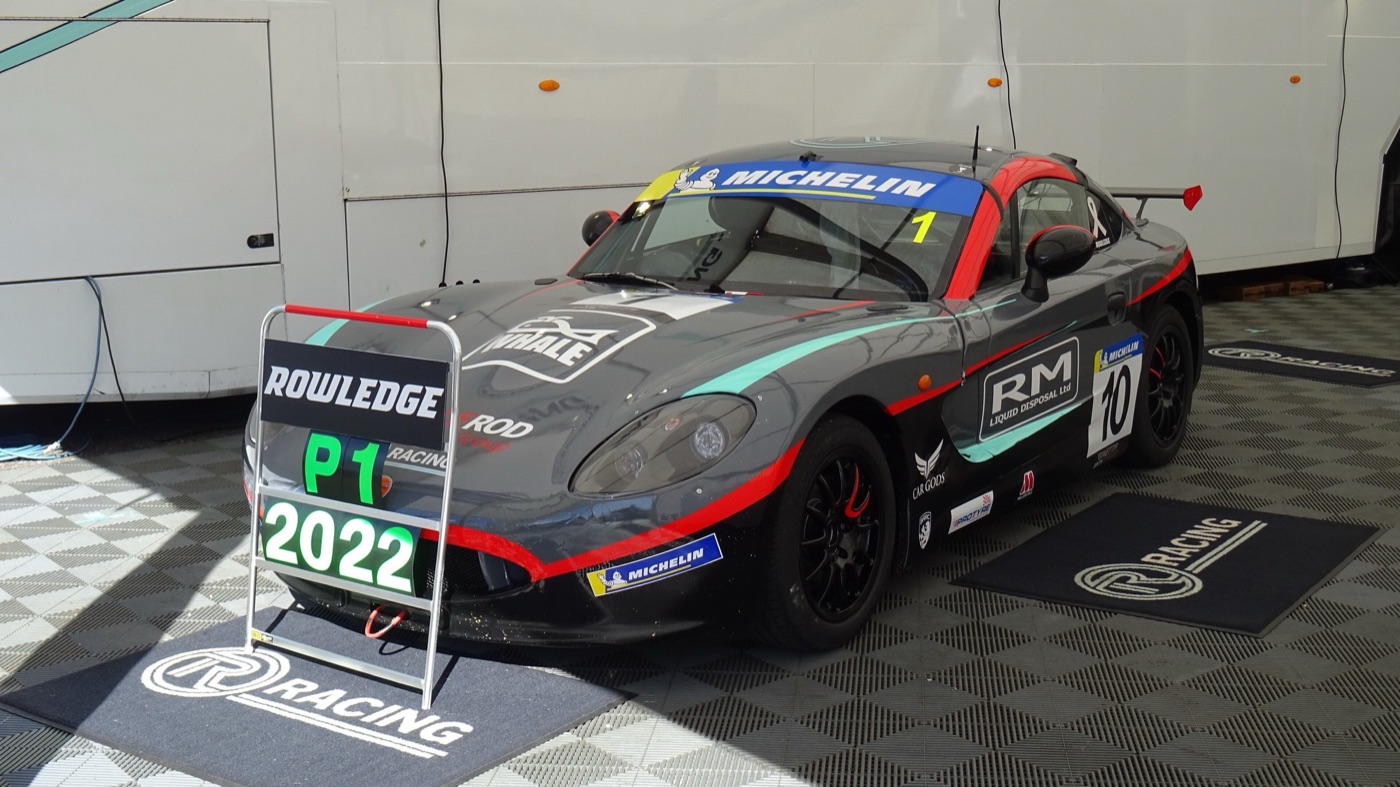
For 2025 the Junior car became the G40 Junior Evo, with a G56-style front, simpler doors and rear panels and no road-car parts. Tomlinson told PistonHeads the old door “was originally a road car door”, with a winding window that the racers never used.
GT Academy and the GT Championship
The GT Academy, which Ginetta’s September 2024 announcement said would enter its fifth season in 2025, uses the G56 GTA with a 3.5-litre Ford V6 and a rookie class; Ginetta’s racing page says it is aimed at drivers of every level of experience. The Ginetta GT Championship, new in 2023, moved to the 6.2-litre V8 G56 GTP8 for 2025, a car of about 400 bhp based on the G56 GT4 Evo. Tomlinson told PistonHeads that the GT Academy had created “hundreds and hundreds” of new racing licence holders.
Ginetta at Le Mans
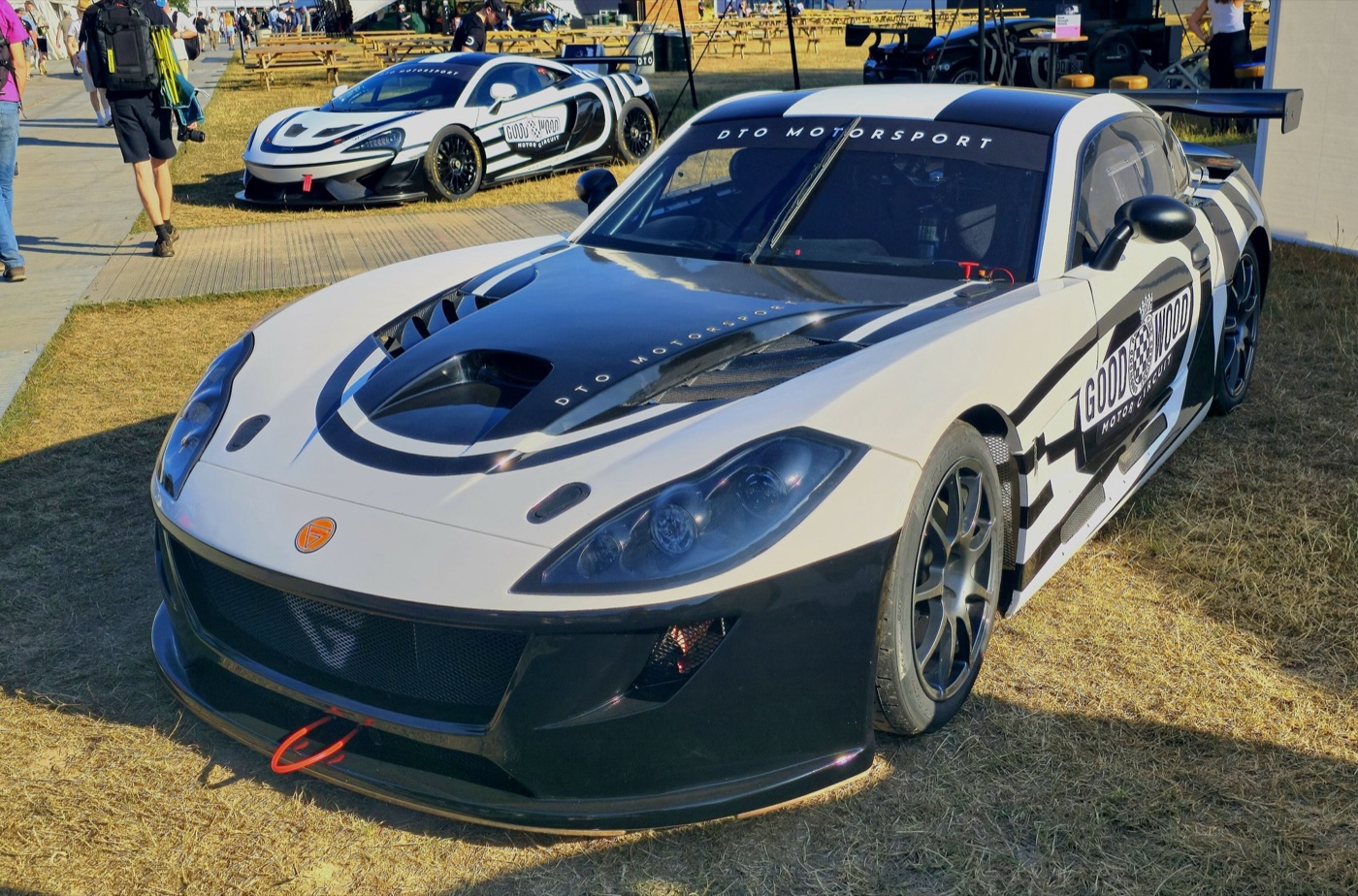
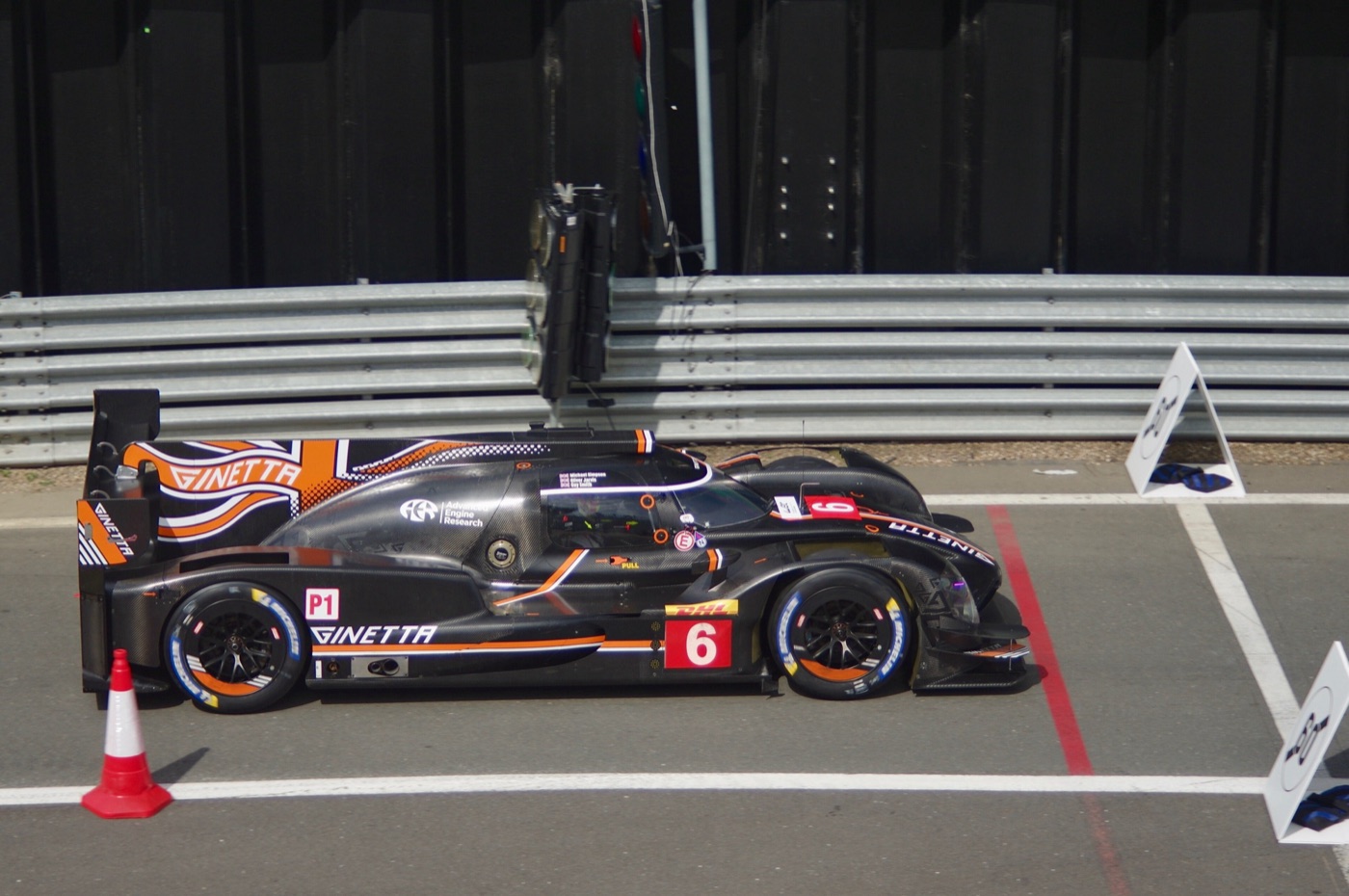
Ginetta’s own cars have started the Le Mans 24 Hours in the LMP1 class, in 2010 and 2018. Nigel Mansell crashed the Ginetta-Zytek GZ09S early in the 2010 race; Ginetta built the first LMP3 cars in 2015, when, according to the organisers, it had the class to itself and Team LNT’s Sir Chris Hoy and Charlie Robertson won the European Le Mans Series LMP3 title. In January 2018 it showed the G60-LT-P1, named for the marque’s 60th year and designed with Paolo Catone and Adrian Reynard, the Le Mans organisers announced.
| Year | Car | Class | Result |
|---|---|---|---|
| 2006 | Panoz Esperante GT-LM (Team LNT: Tomlinson, Dean, Kimber-Smith) | GT | Class win, 15th overall |
| 2010 | Ginetta-Zytek GZ09S (Nigel Mansell) | LMP1 | Crashed after a puncture |
| 2018 | Ginetta G60-LT-P1 (Robertson, Simpson, Roussel) | LMP1 | Finished, 99 laps behind the winner, then penalised one place |
| 2018 | Ginetta G60-LT-P1 (Rowland, Brundle, Turvey) | LMP1 | Retired in the 10th hour with electronic faults |
The LMP1 programme went badly. The two cars missed the opening round at Spa when the team’s sponsor ran short of money; at Le Mans, Autosport reported, the finishing car spent nearly a quarter of the race in the pits. By that autumn, Motor Sport reported, the Manor team had left the project and Ginetta had stepped in to fund it.
The newest racer is a GT2 car with a supercharged 6.3-litre Ginetta V8 of up to about 800 bhp before balance of performance; Ginetta says it took two podiums on its debut in the 2025 GT2 European Series at Barcelona.
Is Ginetta still in business?
Yes. Ginetta Cars Limited is an active company that files its accounts each year, and it races a full British season: Ginetta said more than 70 drivers would race in its championships in 2025, including more than 15 starting their first season of car racing. Tomlinson said in April 2025 that Ginetta would not chase a Hypercar or GT3 programme, and that “we hope that the next couple of years the factory will start to break even”.
Questions
Why is it called Ginetta?
Motor Sport reported in 1995 that only the Walklett family knew. When the brothers sold the company in 1989, the magazine said, the buyers did not get “the secret of the name”, and the Walkletts were “not telling”.
How fast is the G40 R?
Ginetta claimed 0–60 mph in 5.8 seconds and a top speed of 140 mph from its 175 bhp Mazda engine. SkiddMark’s 2011 test gave 6 seconds to 60 mph, and Autocar measured a 6.3-second average with two people aboard.
Can you drive a Ginetta G40 on the road?
The G40 R is road-legal, approved under the Individual Vehicle Approval scheme, with lights, a heated windscreen and a 200-litre boot. Some G40 race cars have also been road-registered: CAR magazine drove its G40 GRDC to work in 2015, and a near-identical G40 to Le Mans and back.
What engine is in the G40?
The G40 R road car uses Mazda’s 2.0-litre MZR four-cylinder and six-speed gearbox from the MX-5. The race cars use a 1.8-litre Ford Zetec, restricted to 100 bhp in the Junior car and tuned to 130 bhp for the G40 Cup and 155 bhp for the GT5 class.
How old do you have to be to race in Ginetta Juniors?
The Ginetta Junior Championship is for drivers aged 14 to 17, according to Ginetta. Ginetta pitches it at karting graduates, and the series races on the British GT support programme.
Did Lando Norris race a Ginetta?
Ginetta lists Lando Norris among the drivers who started their car racing careers in its cars, and Lawrence Tomlinson told PistonHeads in 2025 that Norris once named the Ginetta Juniors as his favourite race series.
Is Ginetta a British company?
Yes. Ginetta Cars Limited is registered with Companies House, has its office and factory at Garforth, near Leeds, and is owned by the British racer and businessman Lawrence Tomlinson.
How much is the Ginetta Akula?
Ginetta lists the Akula from £275,000 plus taxes and shipping, limited to 20 cars. When it was first announced in February 2019 the price was given as around £400,000.
Sources
- Ginetta Owners Club, “History: timeline” (text from Trevor Pyman, Ginetta Road and Track Cars, 2018), read 28 October 2026: founders, model dates, the G20 Junior and the December 2005 sale.
- Ginetta Owners Club, “Models Index: G15 Series 3”, read 28 October 2026: G15 output in 1970 and the Series 3 changes.
- Motor Sport, “Multiple G-Force”, July 1995, p. 70: the Walkletts’ business, G2 to G33, the 1989 sale, the 1992 troubles, the 1993 buyers and the name.
- Motor Sport, “Ginetta G4”, September 2009, p. 115: the G1, the G4’s design, the G4R’s 1964 record and G4 chassis numbers.
- Motor Sport, “The Ginetta G15”, January 1969, p. 54: engine, weight, price and fuel consumption.
- Motor Sport, “Full of Northern promise”, May 2009, p. 98: Richard Dean on the takeover, the G50 and the factory.
- Motor Sport, “Ginetta G40: race car buying guide”, March 2022, p. 132: G40 numbers, outputs and prices.
- Motor Sport, “Why Ginetta is moving into LMP1”, 18 January 2017: Juno, the first LMP3 season, the G57-P2 and the LMP1 plan.
- Motor Sport, “Ginetta’s LMP1 saga”, November 2018, p. 26: Manor’s exit from the LMP1 programme.
- Companies House, Ginetta Cars Limited (02744760), read 28 October 2026: incorporation, former name, registered office, status.
- Ginetta Cars, “About us”, and its pages for the G40 Junior Evo, Akula, G10, GTR, G56 GTA, G56 GT4 Evo, GT2 and racing, read 28 October 2026: the factory, current cars and specifications, the championships and their graduates.
- Ginetta Cars, 2025 race season plans, 9 September 2024, and 2025 season media day, 10 March 2025: the championships, the G56 GTP8 and the G40 Junior Evo, driver numbers.
- 24h-lemans.com, “Team LNT: memories and stories of the 24 Hours of Le Mans”, 8 September 2015: the 2006 class win, Tomlinson’s Le Mans starts and the 2015 LMP3 title.
- 24h-lemans.com, “Ginetta unveils its LMP1 in Birmingham”, 11 January 2018: the G60-LT-P1’s name and designers.
- Autosport, “Manor has solid WEC building block with Ginetta LMP1 after Le Mans”, 2 July 2018: the 2018 Le Mans results.
- PistonHeads, “Lawrence Tomlinson: Ginetta has ‘turned a corner’”, 25 April 2025: the TVR bid, the Juniors, the 2025 cars and the company’s finances.
- PistonHeads, “Driven: Ginetta G40R”, 3 August 2011: engine, length, weight, finish and price.
- What Car?, “Ginetta G40R reviewed”, 3 August 2011: performance, boot, build quality and price against the Elise.
- Autocar, “Ginetta G40 review”, 24 April 2012: power, measured weight and acceleration, approval and verdict.
- Autocar, “Ginetta G50 replaced by G40”, 2 November 2009: the plan for the G40 road car.
- Autocar, “Ginetta buys Farbio”, 15 March 2010: the Farbio purchase.
- Auto Express, “Ginetta G40R”, 24 August 2012: road and wet-track impressions, price.
- CAR, “Ginetta’s Yorkshire home in pictures”, January 2016: the factory, exports, the G60 and the 2010 Le Mans car.
- CAR, Ginetta G40 GRDC long-term test, final report, 14 March 2016: road and race use, GRDC price.
- Goodwood Road & Racing, “Your first look at the all-new Ginetta supercar”, 27 February 2019: the Akula as first announced.
- SkiddMark: “Track Tested: Ginetta G40 R”, 18 October 2011 (the Silverstone test, the G40 R’s specification, price and target, the G60 and Farbio); “The Great and The British: Part 2 – Lawrence Tomlinson and Ginetta”, 21 October 2012 (the factory, the Juniors on the BTCC bill, the G60, prices and Individual Vehicle Approval).