Greatest F1 driver of all time: what the polls say and why Senna wins
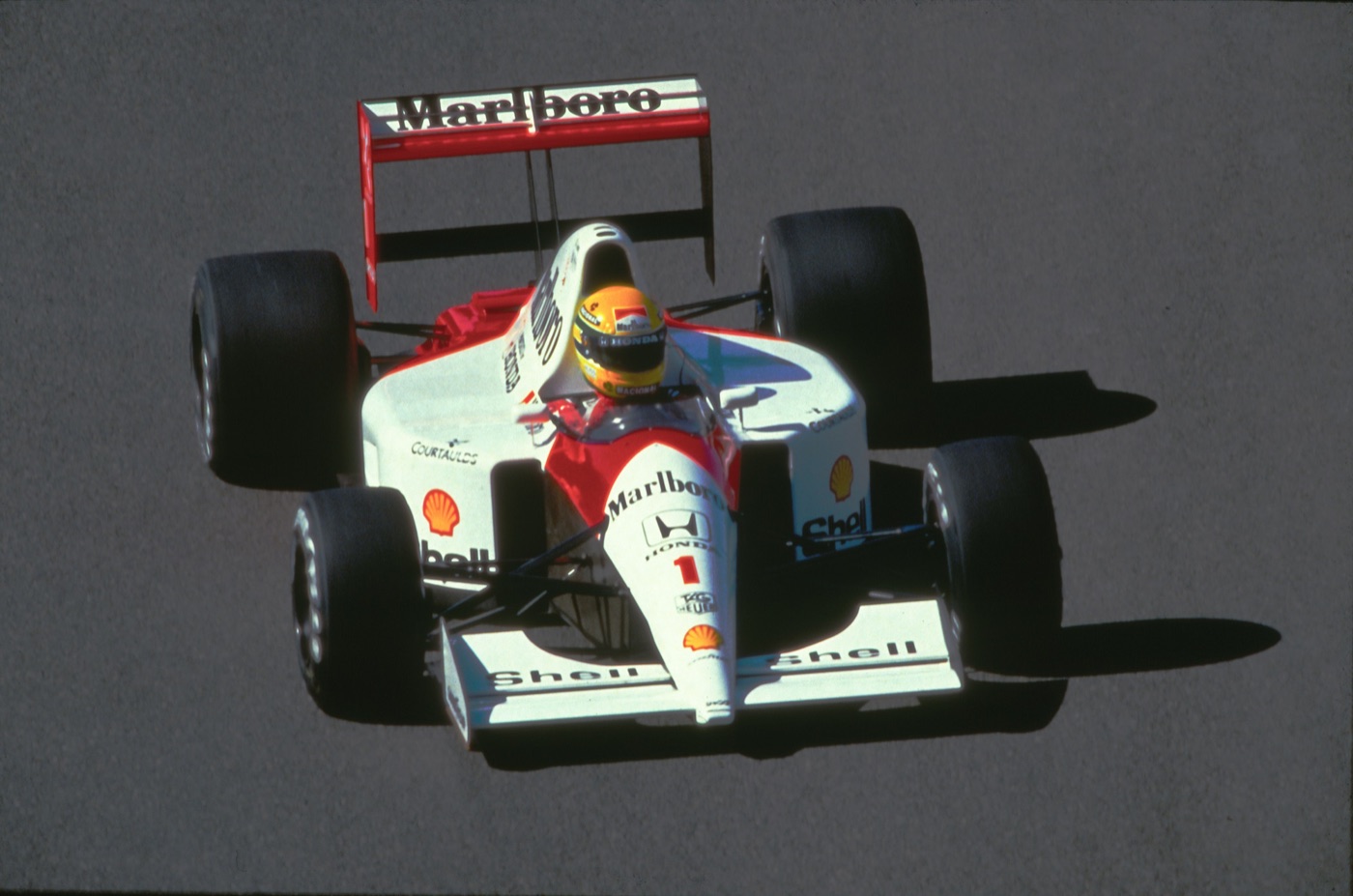
The greatest F1 driver of all time, by the verdict of most polls, is Ayrton Senna, the Brazilian who won three world championships for McLaren. In December 2009 a poll of 217 F1 drivers, run by the British weekly Autosport, put him first, ahead of Michael Schumacher and Juan Manuel Fangio; the BBC’s F1 team and three fan surveys did the same. Statisticians and the record books give other answers: a 2016 University of Sheffield model ranks Fangio first, and Lewis Hamilton holds the records for wins (106) and pole positions (104).
The ten polls and rankings below were made between 2005 and 2025 by drivers, journalists, readers and statisticians. Senna is first in five of them, second in three and never lower than fifth. Jim Clark tops two; Stirling Moss, Fangio and Schumacher one each.
Every greatest F1 driver poll and ranking compared
The table gives the winner of each poll and where the most-named drivers placed. A dash means the driver was outside the published list, was not on the ballot, or had not yet raced in F1. Each poll is described, with its source, in the sections that follow.
| Year | Poll or ranking | Who decided | Number one | Senna | Schumacher | Hamilton | Fangio | Clark | Prost | Verstappen |
|---|---|---|---|---|---|---|---|---|---|---|
| 2005 | Crash.net readers’ vote | about 24,000 readers, ten-name ballot | Senna | 1 | 2 | – | 4 | 3 | 8 | – |
| 2007 | ING fan survey | 8,500 European fans | Senna | 1 | 2 | – | – | – | 8 | – |
| 2008 | Alan Henry, The Top 100 F1 Drivers of All Time | one writer, the editor of Autocourse | Stirling Moss | 3 | 11 | 30 | 6 | 2 | 4 | – |
| 2009 | The Times top 50 | the newspaper’s writers | Jim Clark | 2 | 3 | 21 | 6 | 1 | 4 | – |
| 2009 | Autosport drivers’ poll | 217 world championship drivers | Senna | 1 | 2 | 17 | 3 | 5 | 4 | – |
| 2012 | BBC Sport top 20 | the BBC F1 team’s combined lists | Senna | 1 | 4 | 15 | 2 | 3 | 5 | – |
| 2015 | GPDA and Motorsport.com fan survey | over 200,000 fans in 194 countries | Senna | 1 | 2 | – | – | – | 3 | – |
| 2016 | University of Sheffield model | statistical, team effect removed | Fangio | 4 (5) | 8 (9) | – | 1 | 3 (4) | 2 | – |
| 2019 | Beyond the Flag fan bracket | reader votes, head-to-head rounds | Schumacher | 2 | 1 | – | – | – | – | – |
| 2025 | Top Gear top 10 | each driver judged on his best season | Clark | 2 | 5 | 6 | 4 | 1 | 7 | 3 |
Sources: the publishers named in each section below. The Sheffield row gives the order in the paper’s main model, with the order in its table A1 and the university’s announcement in brackets; the main text does not give Hamilton’s place, and he is outside table A1’s top ten. The 2015 survey asked fans to name their favourite drivers of the past.
The 2009 Autosport poll: 217 F1 drivers vote
Autosport called it “a poll that has never been tried before”: the voters were F1 drivers themselves, and they put Senna first. The magazine published it on 10 December 2009. Its 217 voters had 9,194 Grand Prix starts and 270 wins between them, and they included starters from all but ten of the world championship Grands Prix held since 1950 (the eleven Indianapolis 500s that counted towards the championship were left out).
Michael Schumacher voted. So did José Froilán González, the earliest surviving Grand Prix winner, Paul Pietsch, at 98 the oldest living F1 driver, the reigning champion Jenson Button and much of the 2009 grid. Each voter listed his ten greatest drivers of the world championship era, and Autosport left the meaning of “greatest” to him. The lists were scored ten points for first down to one for tenth, with a countback to separate ties, according to the method the magazine published with the results (reproduced by Motorsport Retro). Niki Lauda was seventh and Moss eighth. The editor, Andrew van de Burgt, said the poll “has thrown up some interesting and unexpected results, but you can’t argue with how the top 10 has worked out, or the integrity of the poll.”
The Autosport top 20
Autosport published a top 40. The first 20 are below. Five drivers from the 2009 grid made the 40: Fernando Alonso (9th), Hamilton (17th), Kimi Räikkönen (22nd), Sebastian Vettel (26th) and Button (30th).
| Place | Driver | Place | Driver |
|---|---|---|---|
| 1 | Ayrton Senna | 11 | Nigel Mansell |
| 2 | Michael Schumacher | 12 | Emerson Fittipaldi |
| 3 | Juan Manuel Fangio | 13 | Nelson Piquet |
| 4 | Alain Prost | 14 | Jochen Rindt |
| 5 | Jim Clark | 15 | Mika Häkkinen |
| 6 | Jackie Stewart | 16 | Alberto Ascari |
| 7 | Niki Lauda | 17 | Lewis Hamilton |
| 8 | Stirling Moss | 18 | Jack Brabham |
| 9 | Fernando Alonso | 19 | Ronnie Peterson |
| 10 | Gilles Villeneuve | 20 | Mario Andretti |
Places 21 to 40 run Graham Hill, Räikkönen, John Surtees, James Hunt, Keke Rosberg, Vettel, González, Dan Gurney, François Cevert, Button, Alan Jones, Giuseppe Farina, Phil Hill, Carlos Reutemann, Stefan Bellof, Clay Regazzoni, Gerhard Berger, Jean Behra, Riccardo Patrese and Jacky Ickx.
Rankings by journalists and expert panels
Lists drawn up by journalists put Senna first once in four attempts, and in the top three every time; the other three each crowned a British driver of the 1950s or 1960s.
BBC Sport, 2012: Senna first
Through the 2012 season BBC Sport profiled 20 of the greatest F1 drivers. Every member of the BBC F1 team gave a personal top 20, and the lists were combined; the chief F1 writer Andrew Benson wrote the profiles, with Murray Walker’s recollections on video. Senna was revealed as number one on 20 November 2012, as the Jornal do Brasil reported that day, with Fangio second, Clark third, Schumacher fourth and Prost fifth. Moss was sixth, Vettel eighth and Hamilton 15th. The Senna profile said that his death had perhaps inevitably given his legend a romanticised glow, and that his self-belief brought a sense of entitlement that led him to put his own life, and his opponents’ lives, at risk.
The Times, 2009: Jim Clark first
The Times’s top 50, published in October 2009 and summarised by the Spanish site Motorpasión on 23 October 2009, put Clark first, Senna second and Schumacher third. Prost was fourth, Stewart fifth, Fangio sixth, Moss seventh and Alonso eighth. The newly crowned world champion Button was 16th, Gilles Villeneuve 19th, Hamilton 21st and Damon Hill 31st.
Alan Henry, 2008: Stirling Moss first
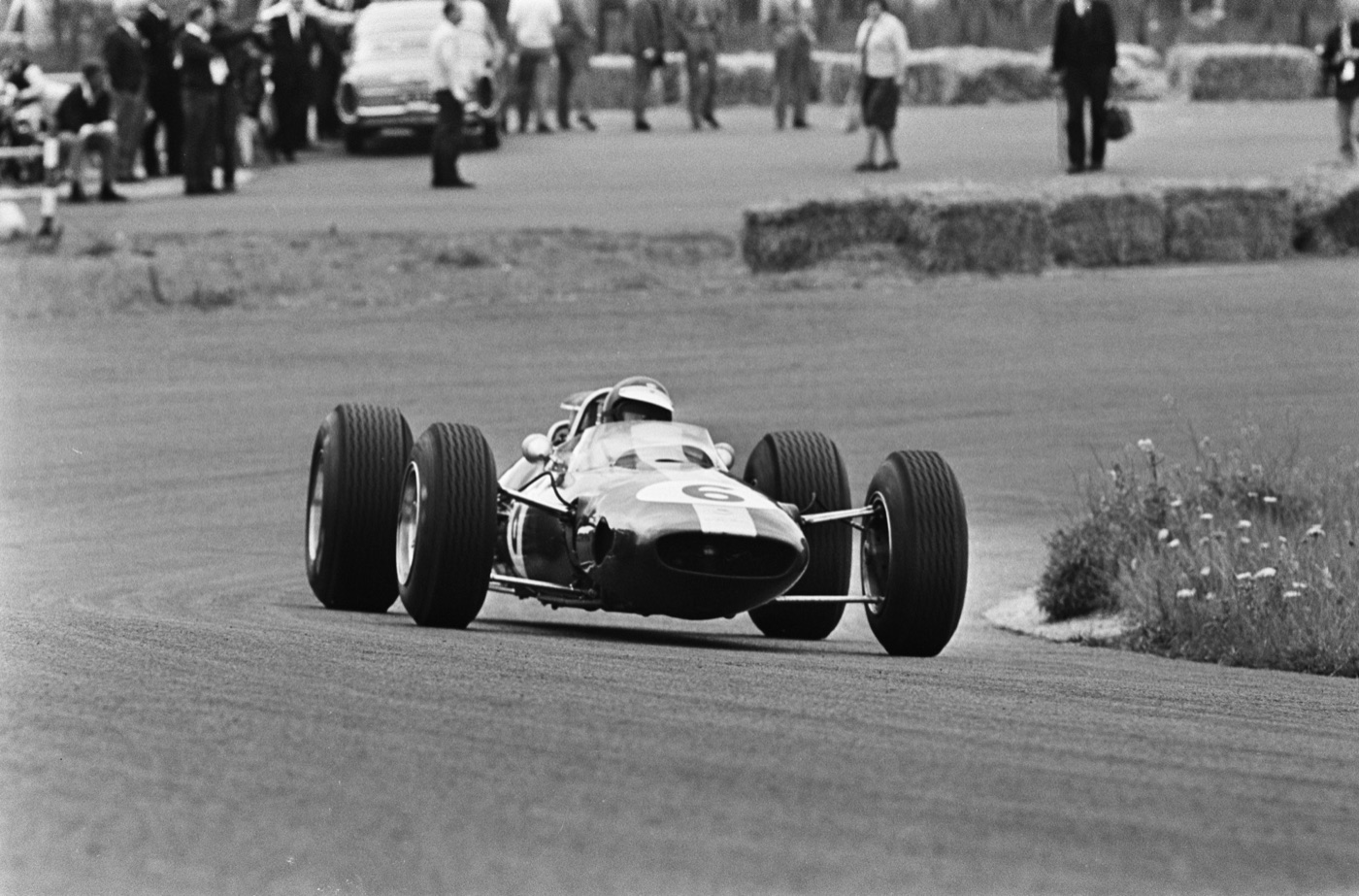
Alan Henry, the editor of the annual Autocourse, ranked Moss first in his 2008 book The Top 100 F1 Drivers of All Time, with Clark second, Senna third and Prost fourth (Crash.net, 12 March 2008). Fangio was sixth, and Hamilton, with one season of F1 behind him, was 30th. “Moss’s versatility was astonishing, separated from the dynamic Clark by only a thin margin,” Henry wrote. Schumacher was 11th: Henry held against him the contracts that made him Ferrari’s undisputed number one at his team-mates’ expense. His top ten includes two drivers from before the world championship began, Bernd Rosemeyer and Tazio Nuvolari, and Gilles Villeneuve is 12th.
Top Gear, 2025: Clark first, Verstappen third
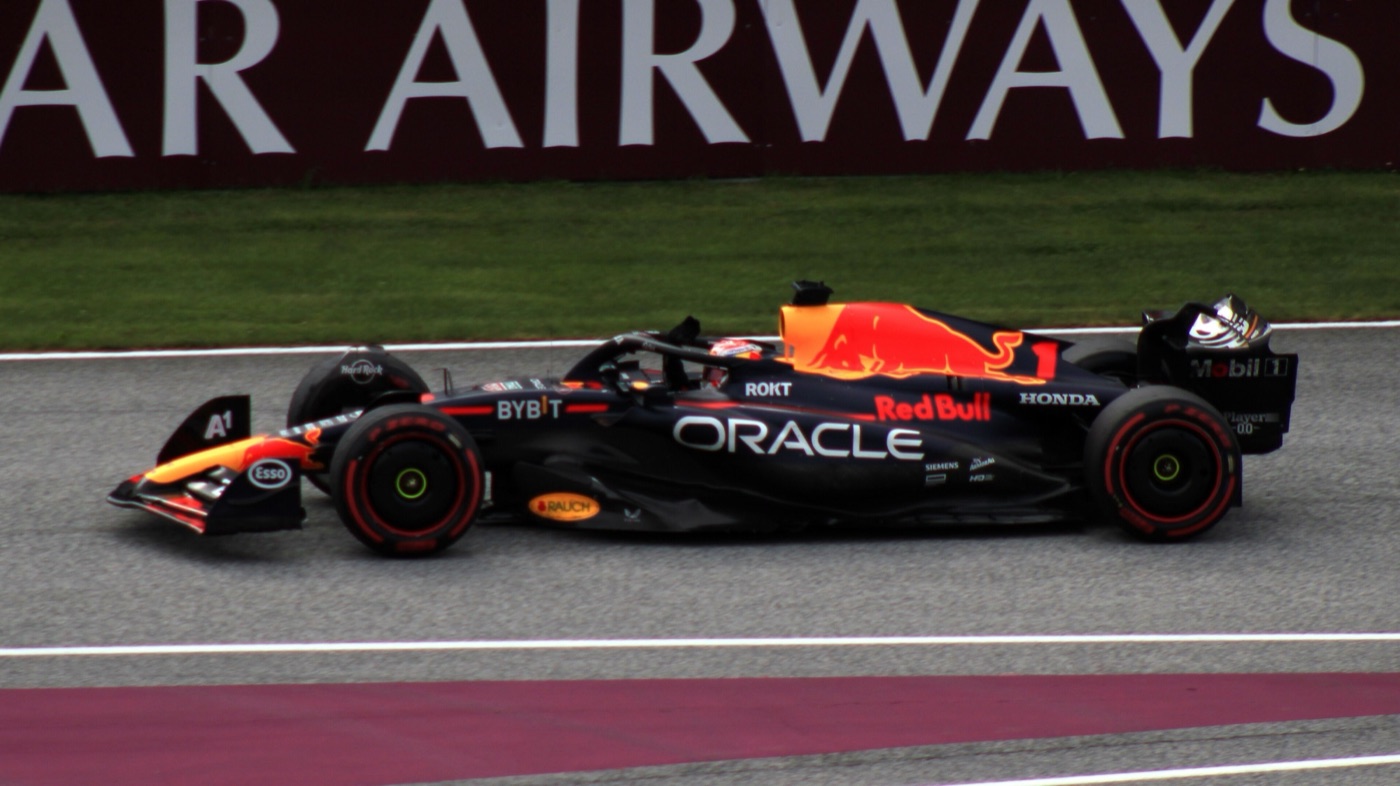
Top Gear’s top 10 of March 2025 judged each driver on his single best season. Clark was first for 1963 in the Lotus 25, Senna second for 1988 in the McLaren MP4/4 and Max Verstappen third for 2023, when he won 19 Grands Prix in the Red Bull RB19. Fangio (1954), Schumacher (2004), Hamilton (2014), Prost (1986), Moss (1958), Stewart (1971) and Tazio Nuvolari (1935) filled places four to ten.
Fan votes and surveys
Senna won three of the four fan votes here. The one he lost was decided by head-to-head rounds, and Schumacher beat him in the final.
Crash.net readers, 2005
In December 2004 Crash.net asked its readers to choose from ten names, and nearly 24,000 voted. Senna took more than 40% of the votes, Schumacher was second, and Clark edged Fangio for third. Villeneuve, the only driver on the ballot never to win the title, was fifth, ahead of Stewart and Graham Hill, with Prost, Lauda and Jack Brabham eighth to tenth (Crash.net, 11 January 2005).
ING survey, 2007
ING, the title sponsor of the Renault team, surveyed 8,500 European fans in 2007. Their all-time top eight was Senna, Schumacher, Nelson Piquet, Nigel Mansell, Häkkinen and Robert Kubica (joint fifth), Räikkönen and Prost. Kubica had one podium finish at the time, and Hamilton, then in his first season, was not in the eight (Autocar, 15 November 2007).
GPDA and Motorsport.com global fan survey, 2015
The Grand Prix Drivers’ Association, which represents the current F1 drivers, ran a survey with Motorsport.com that closed in June 2015. The research firm Repucom conducted it in 14 languages and reported more than 200,000 respondents in 194 countries, which it called the largest sports-fan survey ever made (GPDA and Motorsport.com press release, 11 June 2015). Asked for their favourite drivers of the past, the fans put Senna first, Schumacher second and Prost third; Räikkönen was the favourite current driver (Motor.es, 1 July 2015). The official Senna site noted that more respondents came from Britain than anywhere else, with France second and Brazil tenth.
Beyond the Flag bracket, 2019
The American site Beyond the Flag ran a knockout “GOAT” poll over several weeks in January 2019, with drivers seeded into head-to-head rounds. Schumacher beat Senna in the final (Beyond the Flag, 1 February 2019).
The greatest F1 driver by the statistics
The numbers favour Hamilton and Schumacher on total victories and championships, and Fangio on his rate of victory. Senna is fifth in this group of ten for wins and third for poles, and his three titles are fewer than Schumacher’s, Hamilton’s, Fangio’s, Prost’s or Verstappen’s.
| Driver | F1 career | Titles | Wins | Poles | Podiums | Grands Prix | Win rate |
|---|---|---|---|---|---|---|---|
| Lewis Hamilton | 2007– | 7 | 106 | 104 | 208 | 398 | 26.6% |
| Michael Schumacher | 1991–2012 | 7 | 91 | 68 | 155 | 307 | 29.6% |
| Max Verstappen | 2015– | 4 | 73 | 50 | 137 | 251 | 29.1% |
| Alain Prost | 1980–1993 | 4 | 51 | 33 | 106 | 199 | 25.6% |
| Ayrton Senna | 1984–1994 | 3 | 41 | 65 | 80 | 161 | 25.5% |
| Jackie Stewart | 1965–1973 | 3 | 27 | 17 | 43 | 99 | 27.3% |
| Jim Clark | 1960–1968 | 2 | 25 | 33 | 32 | 72 | 34.7% |
| Niki Lauda | 1971–1985 | 3 | 25 | 24 | 54 | 171 | 14.6% |
| Juan Manuel Fangio | 1950–1958 | 5 | 24 | 29 | 35 | 51 | 47.1% |
| Stirling Moss | 1951–1961 | 0 | 16 | 16 | 24 | 66 | 24.2% |
Sources: StatsF1 career pages for Senna, Schumacher, Fangio, Clark, Prost, Stewart, Lauda and Moss (Grands Prix started); Formula1.com’s driver pages for Hamilton and Verstappen (Grands Prix entered, figures after the 2026 United States Grand Prix). Win rate is wins divided by Grands Prix.
The Sheffield study: Fangio first
Andrew Bell of the Sheffield Methods Institute and three colleagues tried to separate the driver from the car. Their statistical analysis, published in the Journal of Quantitative Analysis in Sports in 2016, scored the points every driver earned in every race from 1950 to 2014, standardised across seasons, and removed the effects of the team and the team’s form in each year. In the paper’s main model (section 4.1) Fangio comes out top, followed by Prost, Clark, Senna and Alonso, with Schumacher eighth. The paper’s table A1, which scores finishing position, gives Fangio, Prost, Alonso, Clark and Senna, with Schumacher ninth, and that is the order the University of Sheffield announced on 14 April 2016. Bell put Schumacher’s low place down to his comeback with Mercedes from 2010 to 2012, after his first retirement, when his team-mate Nico Rosberg generally outperformed him, and with that period treated as a separate driver the pre-2006 Schumacher rises to third (online appendix, table A9). Lauda, a three-time champion, was outside the top 100.
The university described the aim as finding who is best “because of their talent, rather than because they have a good car”. The same study found that team effects account for 86% of the variation in drivers’ results from 1979 to 2014 (section 4.2), and that teams matter more than drivers, increasingly so over time, and less on street circuits, where the driver’s skill plays a greater role in the performances it measured.
Why polls name Senna the greatest F1 driver
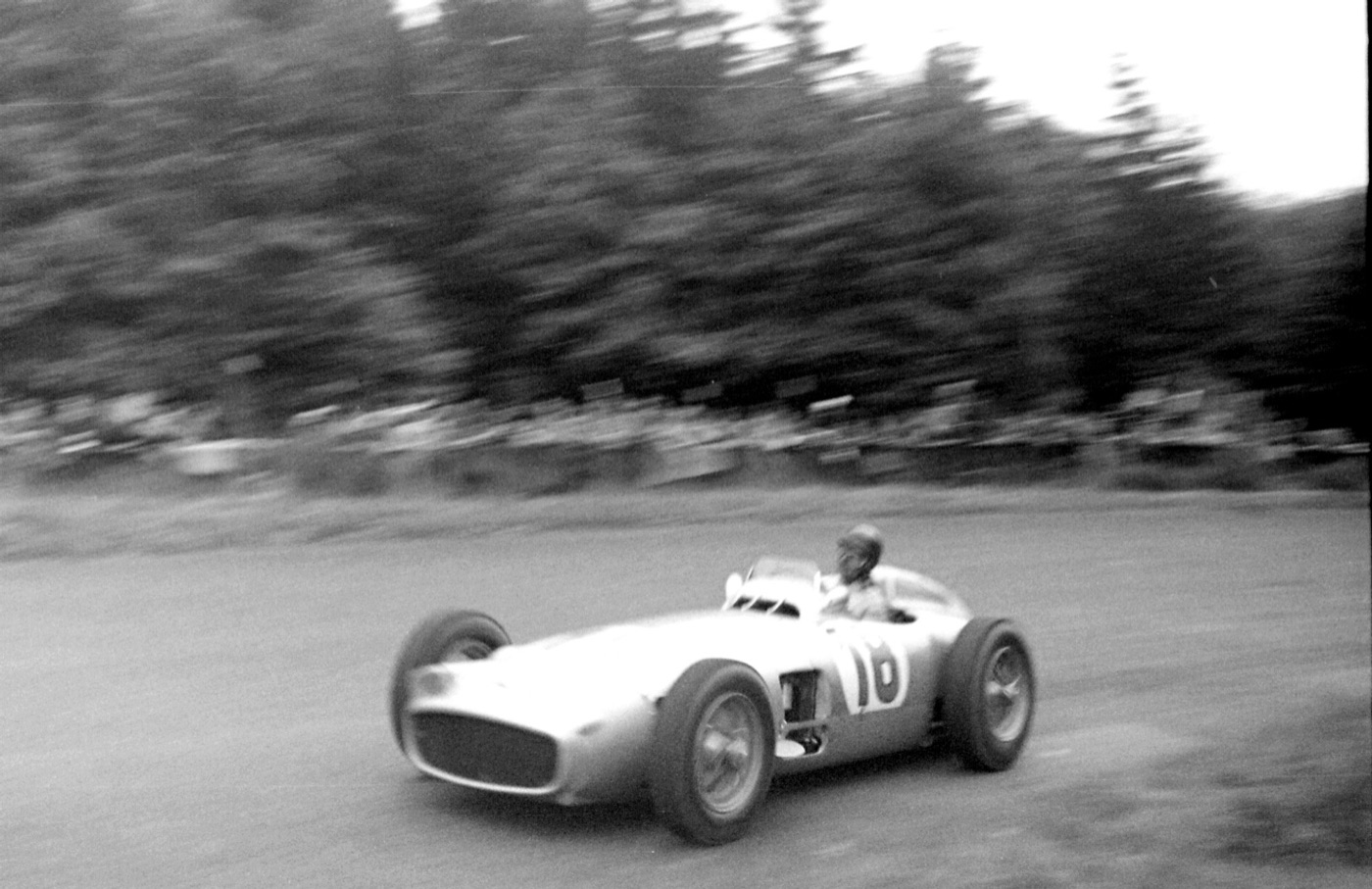
The polls publish rankings, not their voters’ reasons. Top Gear, which explains its choice, points to his 1988 season against Prost, his second place at Monaco in a Toleman and his win at a wet Estoril; the sections below set out his record for speed over a single lap, in the rain and at Monaco. He was killed in a crash during the San Marino Grand Prix at Imola on 1 May 1994, at the age of 34, in his first season with Williams, having started both earlier races of 1994 from pole (StatsF1).
Qualifying speed
Senna started from pole position in 65 of his 161 Grands Prix, 40.4% of them, against Schumacher’s 22.1% and Hamilton’s 26.1%. He took 13 poles in a season twice, in 1988 and 1989, and eight in a row from the 1988 Spanish Grand Prix to the 1989 United States Grand Prix (Formula1.com, “Vital Statistics: Ayrton Senna edition”). Hamilton, whose hero was Senna according to Formula1.com, passed his tally of 65 on the way to the all-time record.
Racing in the wet
His first win came on a wet track at Estoril in 1985, in a Lotus 97T, a drive in which he lapped every car except Michele Alboreto’s Ferrari in second, according to Formula1.com’s race result; Top Gear also points to his drive to second place at Monaco in a Toleman the year before. The Sheffield paper found that the team counts for less in wet races than in dry ones, though it called the evidence too uncertain for a firm conclusion. Its model rates Senna the third-best wet-weather driver of all time, one place behind the pre-2006 Schumacher and ahead of Prost.
Monaco
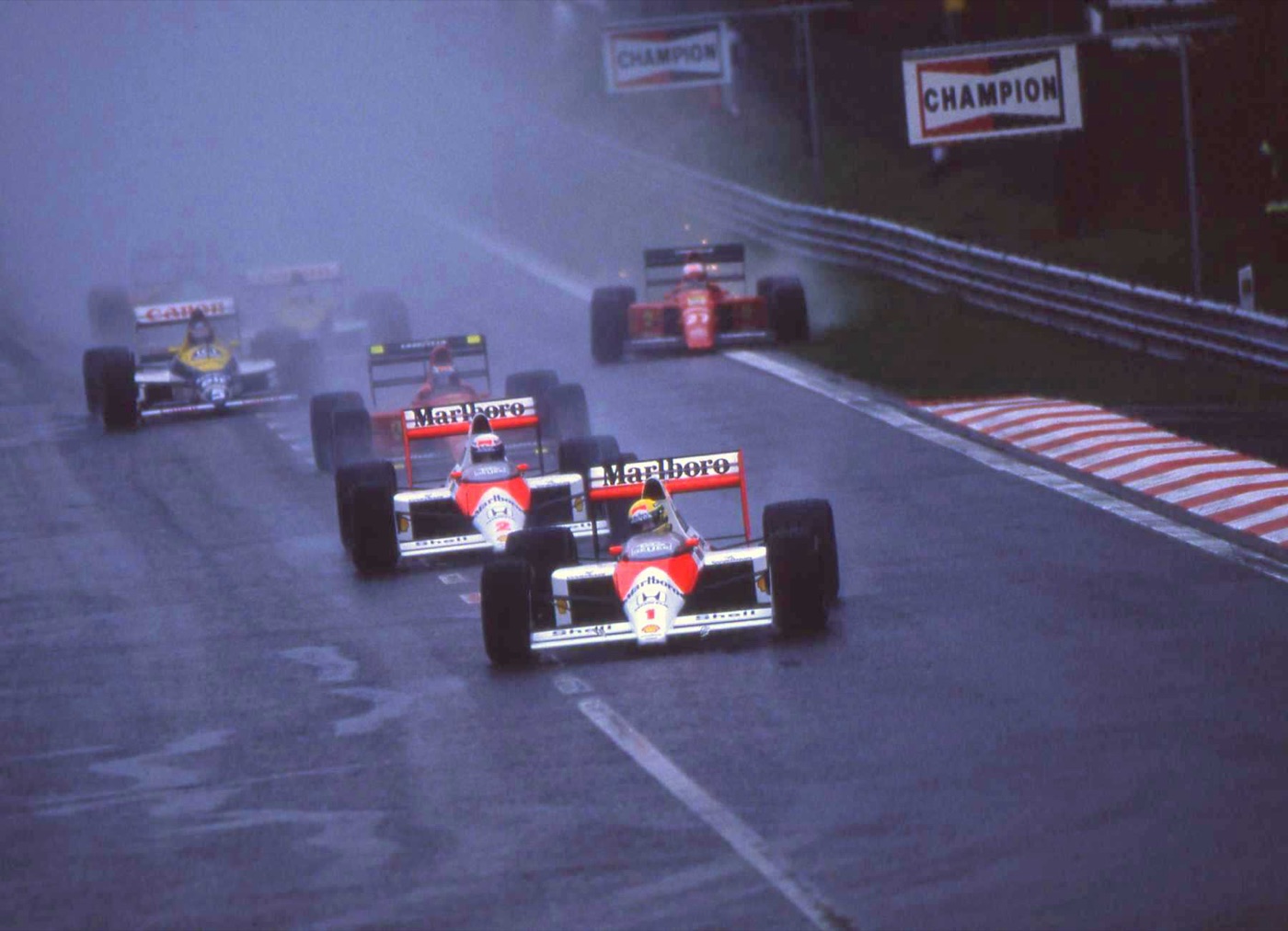
Senna won the Monaco Grand Prix six times, in 1987 and every year from 1989 to 1993. Formula1.com lists both, six wins at Monaco and five in a row at one Grand Prix, as records.
Beating Prost in equal cars
In 1988 Senna and Prost, a Frenchman, drove identical McLaren-Honda MP4/4s. Senna won eight races, Prost seven, and Senna took the first of his three titles. Prost had won the two titles before that, in 1985 and 1986, and went on to win in 1989 and 1993.
Who answers the polls
Three of the five polls Senna won were published in Britain (Crash.net, Autosport and the BBC), though Autosport’s voters were drivers from every decade of the championship, and more respondents to the fourth, the GPDA survey, came from Britain than from any other country. Where the ranking came from a statistical model or a head-to-head knockout, he did not finish first.
The case for the other contenders
Schumacher, Hamilton, Fangio and Clark each top at least one list or record table; Prost reaches the top three of two (the GPDA survey and the Sheffield study) and Verstappen of one (Top Gear).
Michael Schumacher
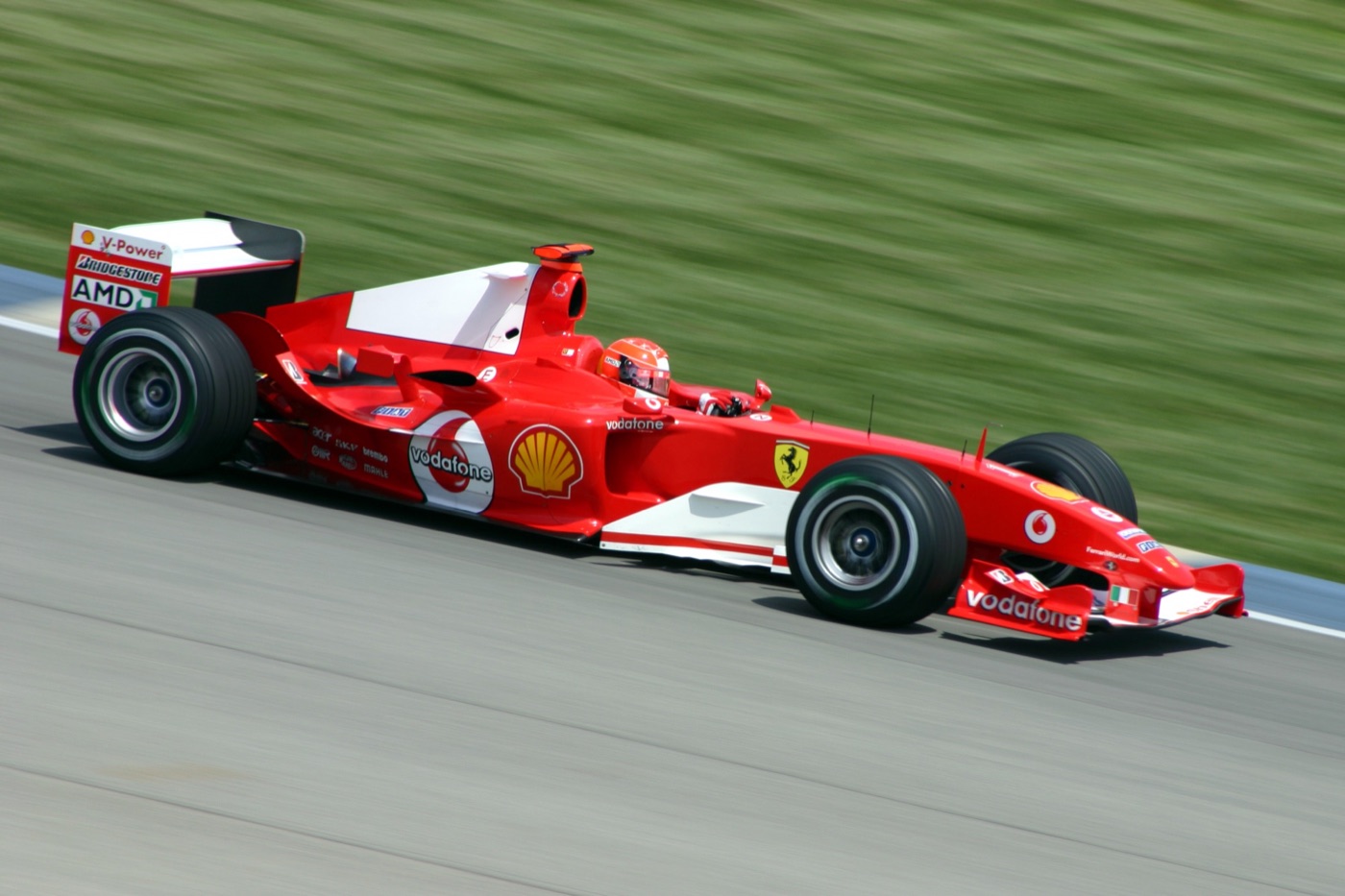
The German won seven world championship titles and 91 Grands Prix. His dominance peaked with five titles in a row for Ferrari from 2000 to 2004, and in 2004 he won 13 of the 18 races. He was second in the Autosport drivers’ poll, in the ING and GPDA fan surveys and with Crash.net’s readers, and he won Beyond the Flag’s knockout poll by beating Senna in the final.
Lewis Hamilton
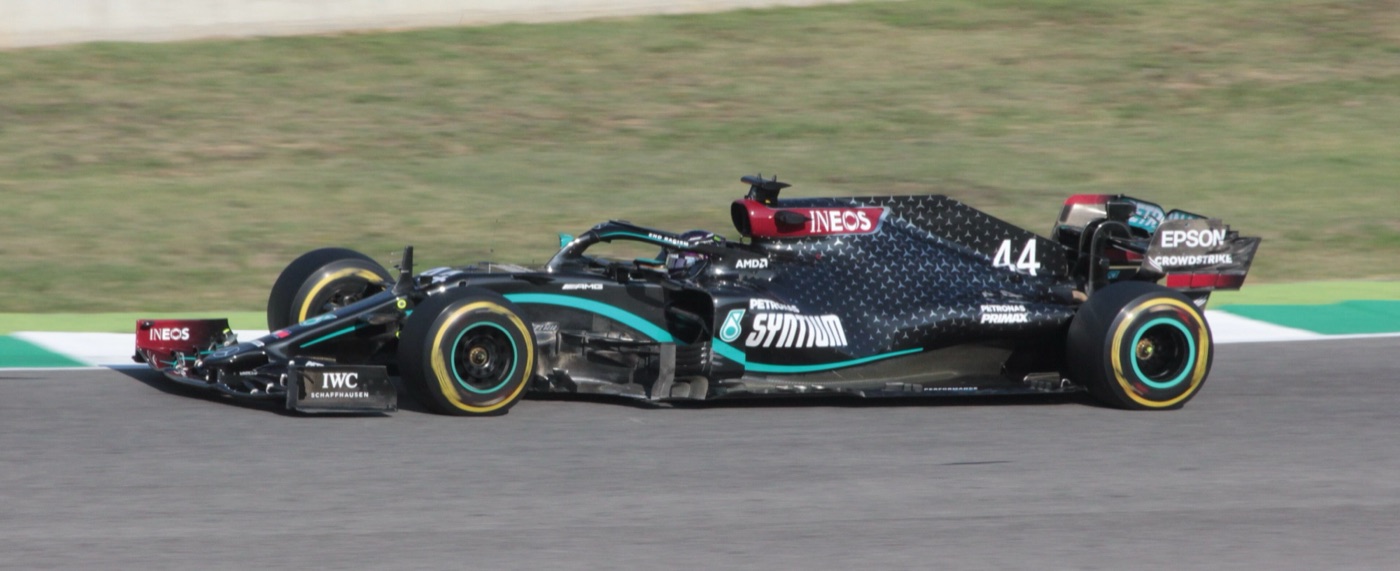
Hamilton has the most wins (106), poles (104) and Grands Prix (398) of any driver, and shares the record of seven titles with Schumacher. The polls were mostly taken early in his career: he was 17th with the drivers in 2009 and 15th with the BBC in 2012, when he had one title. In Top Gear’s 2025 list he was sixth, for a 2014 season in which he won 11 races.
Juan Manuel Fangio
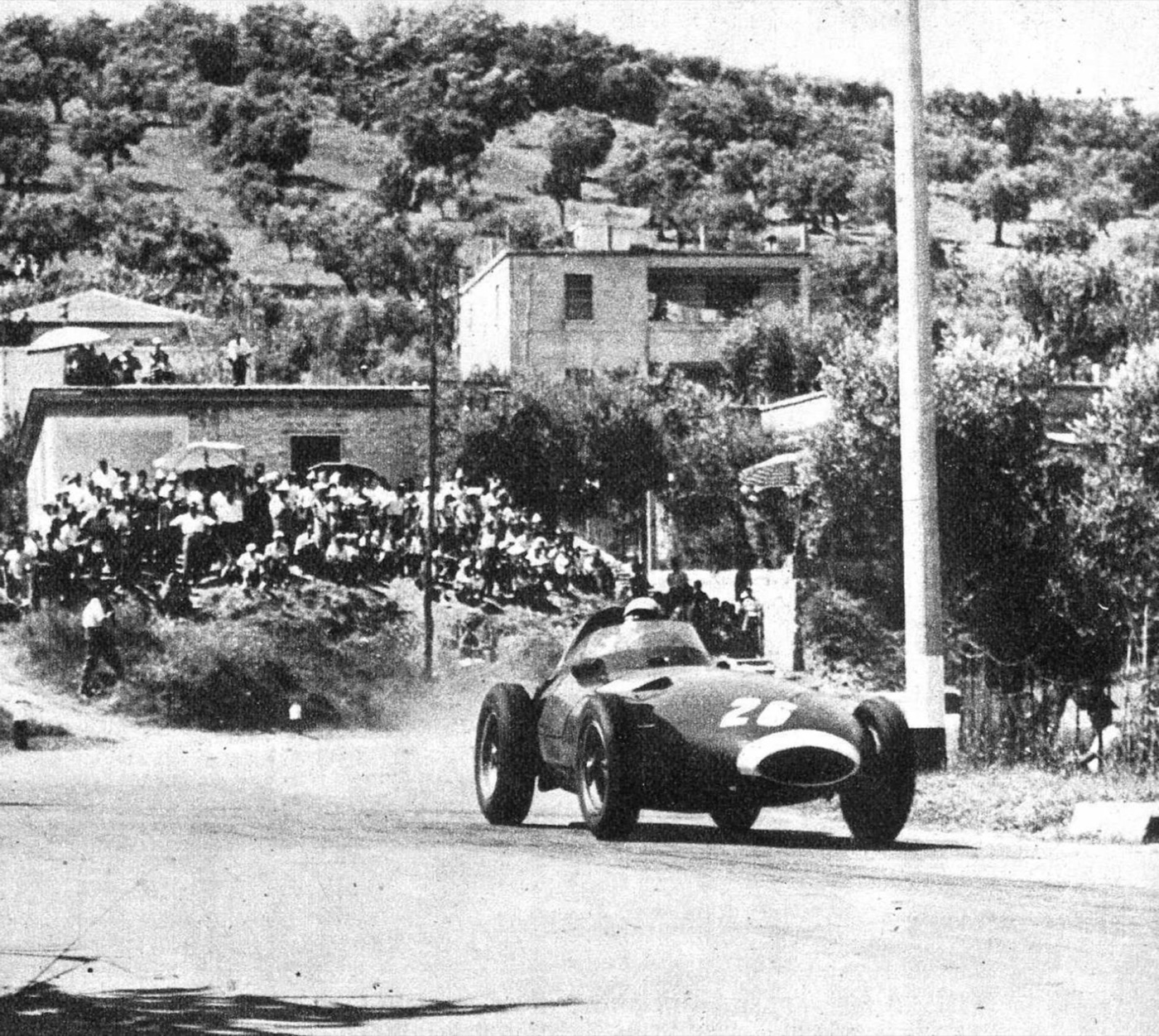
Fangio won five titles in the 1950s, driving for Alfa Romeo, Maserati, Mercedes and Ferrari, and 24 of his 51 Grands Prix, a rate of 47.1%, the highest in the table above; Clark’s 34.7% is next. He was third with the drivers in 2009, second with the BBC, and first in both Sheffield rankings once the car was accounted for.
Jim Clark
Clark won 25 of his 72 Grands Prix and the titles of 1963 and 1965, winning seven and six of the ten races in those years, and Top Gear notes that he was winning in touring car racing, Formula 2 and at Indianapolis at the same time. He was killed in a Formula 2 race at the Hockenheim circuit on 7 April 1968. The Times and Top Gear rank him first.
Alain Prost
Alain Prost won four titles and 51 Grands Prix, and was runner-up to Senna in 1988 and 1990; Senna was runner-up to him in 1989 and 1993. He was fourth with the drivers in 2009 and second in both Sheffield rankings, which place him ahead of Senna.
Fernando Alonso
Alonso is in the top ten of four lists here: ninth with the drivers in 2009, tenth with the BBC, eighth in The Times, and third (table A1) or fifth (main model) in the Sheffield study, which ranked him the highest of the drivers still racing in 2014.
Max Verstappen
Verstappen won four titles in a row from 2021 to 2024 and has 73 wins. His 19 wins in 2023 are a record for one season, and in 2025 he missed a fifth title by two points. He made his F1 debut in 2015 at the age of 17, the youngest driver in the sport’s history according to Formula1.com, after most of these polls were taken; the only list here that includes him, Top Gear’s, puts him third.
Greatest F1 driver never to win the championship
Stirling Moss is the highest-placed driver without a title in every poll and journalists’ list that includes him: first for Alan Henry, sixth for the BBC, seventh for The Times and eighth with the drivers in 2009. He won 16 of his 66 Grands Prix and finished second or third in the championship in seven seasons, according to Top Gear. In 1958 he won four races to Mike Hawthorn’s one, and Hawthorn took the title.
Gilles Villeneuve is the next: tenth in the 2009 drivers’ poll, fifth with Crash.net readers in 2005 and 12th in Henry’s book.
Questions
Who is the GOAT of Formula 1?
There is no agreed answer. Senna wins most polls of drivers, journalists and fans, Hamilton and Schumacher hold the records with seven titles each, and a 2016 statistical study that removed the effect of the car ranked Fangio first.
Who did F1 drivers vote the greatest of all time?
Ayrton Senna. In Autosport’s 2009 poll of 217 F1 drivers he finished ahead of Michael Schumacher, Juan Manuel Fangio, Alain Prost and Jim Clark.
Who has won the most F1 races?
Lewis Hamilton, with 106 Grand Prix wins as of October 2026. Michael Schumacher is second with 91 and Max Verstappen third with 73.
Who has won the most F1 world championships?
Michael Schumacher and Lewis Hamilton, with seven each. Juan Manuel Fangio won five in the 1950s.
Is Max Verstappen one of the greatest F1 drivers?
He has four titles and 73 wins, and Top Gear’s 2025 list ranks him third of all time. Most of the big polls were taken before or soon after his debut in 2015, so he does not appear in them.
Why do so many polls rank Senna above Schumacher?
The polls publish rankings, not reasons. Senna’s case rests on 65 poles in 161 races, a higher rate than Schumacher’s, six Monaco wins and the defeat of Prost in identical McLarens in 1988. Schumacher has more of every career total, and he beat Senna in the one knockout fan vote.
How do you compare F1 drivers from different eras?
Polls ask people to weigh it themselves; statisticians try to strip out the car. The Sheffield model compared each driver with his team-mates and the team’s form year by year, and it rated Fangio first and Prost second.
Sources
- Autosport, “Drivers vote Senna the greatest ever”, 10 December 2009: the 217 voters, their starts and wins, who voted, and van de Burgt’s comment.
- Motorsport Retro, “Autosport names the greatest F1 drivers of all time”, 15 December 2009: Autosport’s published method and top 40.
- BBC Sport, “Formula 1’s greatest drivers. Number 15: Lewis Hamilton”, 22 May 2012: how the BBC list was compiled; Hamilton 15th.
- Jornal do Brasil, “Britânicos fazem top 20 da F1 e colocam Senna no primeiro lugar”, 20 November 2012: the BBC top 20 and the Senna profile.
- Motorpasión, “Fernando Alonso, el octavo mejor piloto de Fórmula 1 de la historia, según The Times”, 23 October 2009: The Times top 50.
- Crash.net, “Moss number one”, 12 March 2008: the Top 100 F1 Drivers of All Time book ranking and its quote.
- Top Gear, “10 of the greatest F1 drivers of all time, in the years they were at their best”, 21 March 2025: the Top Gear top 10.
- Crash.net, “Top ten F1 drivers: You vote Senna as number one”, 11 January 2005: the readers’ vote.
- Autocar, “Lewis isn’t the greatest, says survey”, 15 November 2007: the ING survey.
- Motorsport.com and GPDA press release, “Grand Prix Drivers’ Association sets global fan survey record”, 11 June 2015: the survey’s size and method.
- Motor.es, “Cara, tecnológica y aburrida, así consideran los aficionados la Fórmula 1”, 1 July 2015: the survey’s favourite drivers.
- Senna.com, “Ayrton Senna is the best driver of all time, according to survey conducted in 194 countries”, July 2015: the respondents’ countries.
- Beyond the Flag, “Formula 1: Michael Schumacher voted greatest driver of all-time”, 1 February 2019: the knockout poll.
- Journal of Quantitative Analysis in Sports, “Formula for success: Multilevel modelling of Formula One driver and constructor performance, 1950–2014”, vol. 12 no. 2, 2016, pp. 99–112 (University of Sheffield author copy): the model, its rankings (section 4.1, table A1) and the wet-weather findings (sections 4.1 and 4.2).
- Online appendix to the same paper: table A9, Schumacher split into two careers.
- University of Sheffield, “Greatest Formula One driver of all time”, via ScienceDaily, 14 April 2016: the study’s headline order and Lauda outside the top 100.
- Formula1.com, 1985 Portuguese Grand Prix race result: Senna’s first win and Alboreto on the lead lap.
- Formula1.com, “Vital Statistics: Ayrton Senna edition”, May 2014: Senna’s pole and Monaco records.
- Formula1.com, Lewis Hamilton driver page, checked 28 October 2026: Hamilton’s career figures.
- Formula1.com, Max Verstappen driver page, checked 28 October 2026: Verstappen’s career figures, 2023 and 2025 seasons.
- StatsF1, career pages for Senna, Schumacher, Fangio, Clark, Prost, Stewart, Lauda and Moss, checked 28 October 2026: titles, wins, poles and starts.