GT Academy: the Nissan and PlayStation contest that made gamers racers
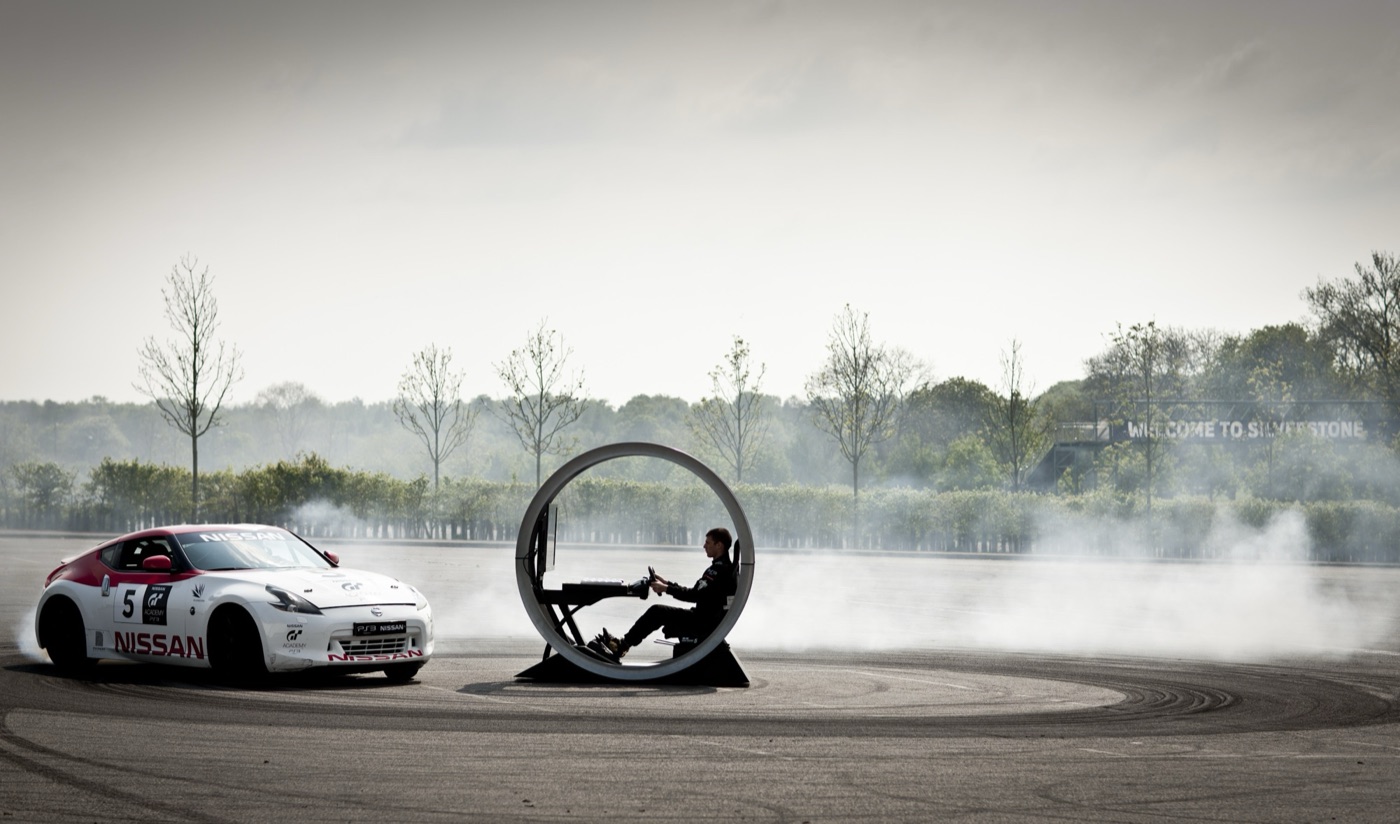
GT Academy, also called Nissan GT Academy and later Nismo PlayStation GT Academy, was a partnership between Nissan, Sony's PlayStation and the game's maker Polyphony Digital that ran from 2008 to 2016: the fastest players of the Gran Turismo racing game were taken to a selection camp at Silverstone Circuit in England, and the winners were trained as racing drivers and entered in real races by Nissan. It named 24 winners, from Lucas Ordóñez in 2008 to Johnny Guindi in 2016, and two of them, Ordóñez and Jann Mardenborough, finished on the class podium at Le Mans. The 2023 film Gran Turismo tells the story of Mardenborough, its 2011 winner, with invented characters.
Over its life the contest had separate competitions for Europe, the United States, Germany, Russia, the Middle East, South Africa, Asia and an "International" group. The 2010 European competition was filmed as five 24-minute television episodes, taken by more than 160 broadcasters, and Sony Computer Entertainment America announced a series on the Speed channel and the PlayStation Network for September 2011 about the first American edition.
How GT Academy began
GT Academy began as a marketing idea at Nissan Europe and was first run in 2008. Its creator was Darren Cox, then chief marketing manager for sports cars at Nissan's European arm, who developed it with Mark Bowles of Sony Computer Entertainment Europe, a joint Nissan and Sony release of June 2011 says.
A Nissan 350Z promotion at Bedford
The idea came from a car launch. Cox told Autosport that Nissan was selling a special 350Z (in Japan the 30th Anniversary model) which, through the magazine publisher Haymarket and Sony UK, was badged GT4 to tie in with the release of Gran Turismo 4. Twenty UK gamers were invited to Bedford Autodrome, and the best won car number one of 176. The instructor Charlie Butler-Henderson told Cox that "a couple of these boys can really pedal", and when Cox compared their lap times in the real car with their times in the game, the same names were at the top of both lists.
Getting the contest approved took three years, Cox said. One email from the then Nismo president told him that "just because someone is good at Tiger Woods Golf, doesn't mean they'll win a PGA tournament". He told Hagerty in 2023 that he had to put his career on the line to get Nissan to sign it off, during the 2008 financial crisis.
The first GT Academy in 2008
The first competition was launched in May 2008 and was open to players in 12 European countries. According to a Nissan release of spring 2009, 25,000 people entered by setting online lap times in Gran Turismo 5 Prologue on the PlayStation 3. The 20 fastest from each country went to national finals, and 22 reached the final at Silverstone.
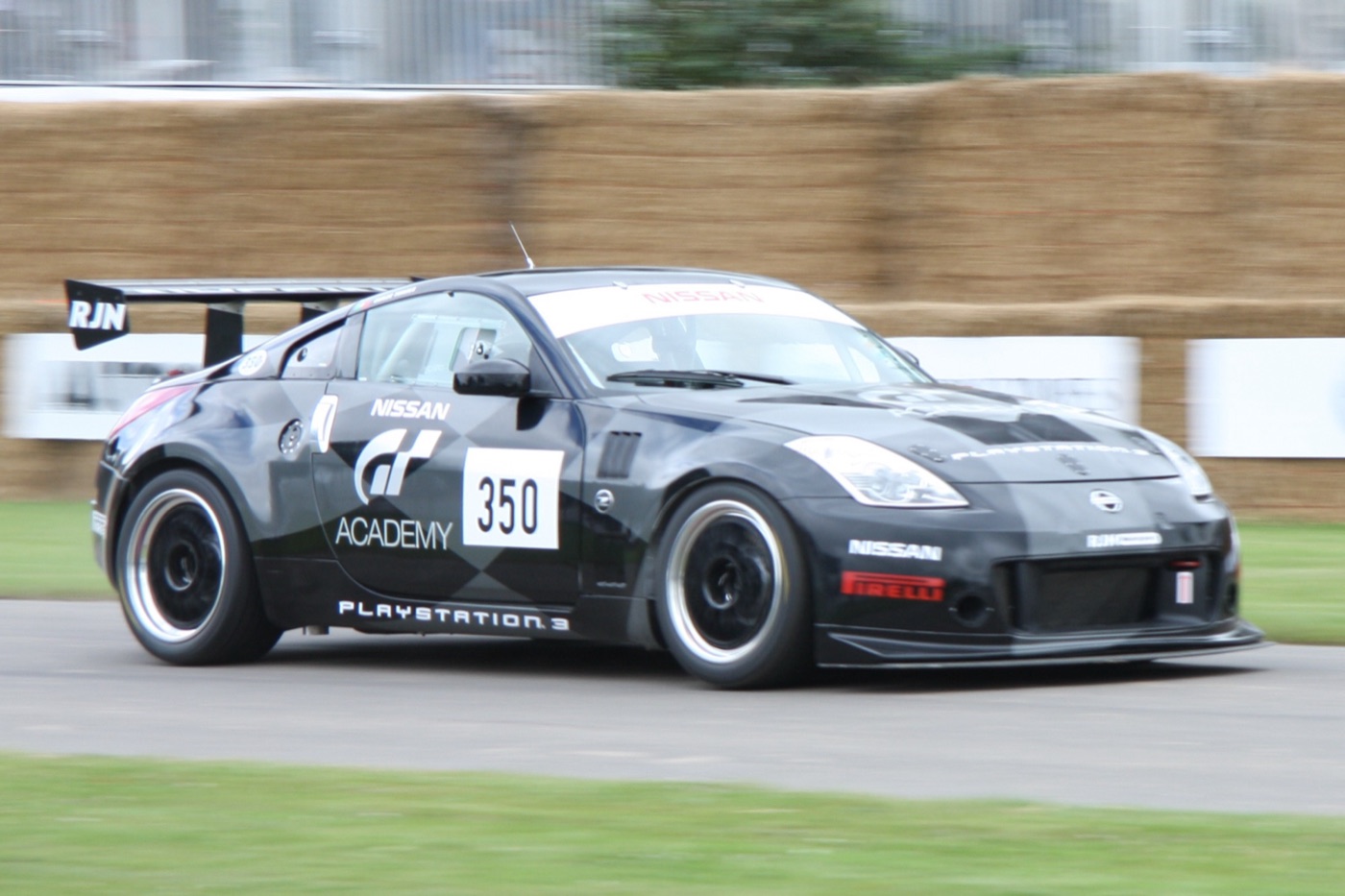
The week at Silverstone mixed a four-hour kart race, Caterham car control, sessions in the Nissan 350Z and the Nissan GT-R, fitness and written tests, with eliminations every night, Sony's 2008 season recap records. Steve Deeks was head judge and Johnny Herbert the mentor. On 31 August 2008 the judges named two winners, Lucas Ordóñez, a 23-year-old student from Madrid, and Lars Schlömer from Germany.
The prize was a seat in a Nissan 350Z built to GT4 rules and run by RJN Motorsport in the Dubai 24 Hours in January 2009, but neither winner was promised it. Schlömer struggled with the race car's sequential gearbox and did not race; Cox later told Autosport that Schlömer, a Berlin taxi driver, "put on weight" once he was being paid to train. Ordóñez drove at Dubai alongside Herbert, and Nissan kept him on for the 2009 European GT4 Cup.
How did GT Academy work?
GT Academy worked in four stages: an online time trial in the game, national finals, a week-long Race Camp, and a training programme that ended in a real race. The first stage needed only a PlayStation and the game.
Qualifying on Gran Turismo
Players in the participating territories downloaded a free time trial, later a special demo or game update, and set lap times in Nissan cars. The game changed with the years: Gran Turismo 5 Prologue in 2008, Gran Turismo 5 from 2010 to 2012, a demo of Gran Turismo 6 on the Silverstone circuit in 2013, six months before the full game, and a pre-release version of Gran Turismo Sport on the PlayStation 4 at the 2016 live events. In 2014 a free Facebook game gave a second route in.
National finals and live events
The fastest online players in each country were invited to a national final that tested them in the game and in real cars, and later on fitness and media interviews too. From 2012, gaming pods at events such as the Goodwood Festival of Speed, the Barcelona Motor Show and the Moscow City Race let people without a PlayStation 3 qualify directly. The 2011 European national finals were held at Brands Hatch, Circuit Paul Ricard and the Barcelona Motor Show; the 2012 German final ran at the Nürburgring.
Race Camp
Race Camp was a week of driving tests and eliminations in Nissan road cars and race cars, based at Silverstone Circuit, with its quarters at the Stowe Circuit, for every competition except Europe 2015, which moved to the Yas Marina Circuit in Abu Dhabi. Finalists were split into groups by territory, or by country in the smaller competitions, each with a judge from motor racing, and were dropped through the week until one per country remained for a final race. The judges then chose the winner, taking the race and each driver's progress through the week into account.
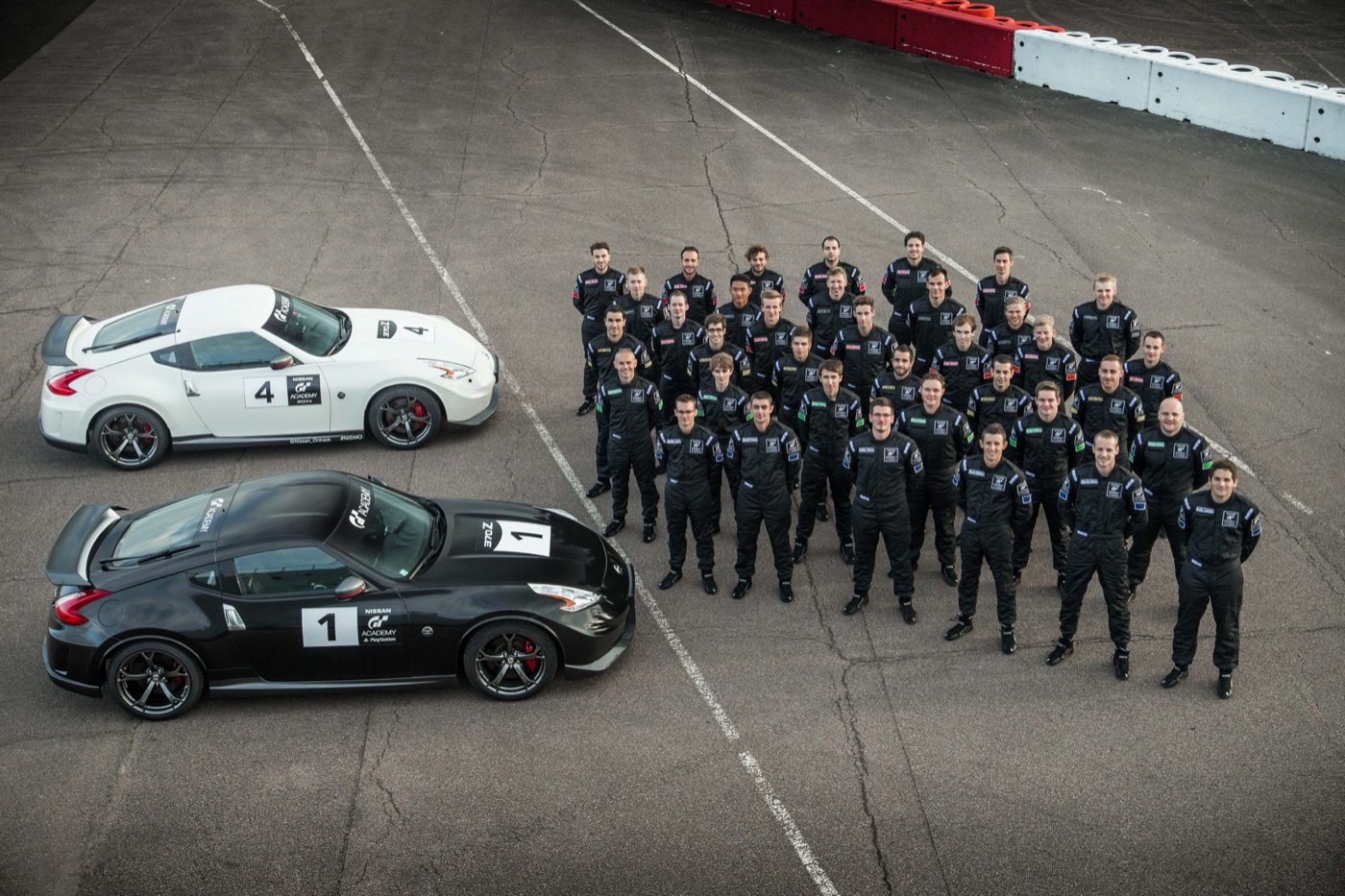
The challenges tested driving skill, fitness and attitude. Sony's recaps describe assault courses run by former marines, a "triathlon" in which competitors pulled a 370Z with a harness, karting, single-seaters, dogfights in identical cars, Micra stock car races, a gymkhana between aircraft hangars, media training with Louise Goodman, and the ARDS test for a basic race licence. Judges included Johnny Herbert, Eddie Jordan, Eddie Irvine, Sabine Schmitz, Nick Heidfeld and Rob Barff.
Who could enter GT Academy?
Anyone from a participating country who was over 18 and held a full driving licence could enter, but anyone who held or had ever held a national or international racing licence could not, under the rules of GT Academy 2010 set out in Nissan and Sony's launch release of 18 December 2009. The release said the bar on licence holders kept the "virtual to real" idea pure.
The Driver Development Programme
Each winner then spent three to five months living near Silverstone and racing almost every weekend in British club and national events with RJN Motorsport, to earn an international racing licence. The first race abroad was usually the Dubai 24 Hours, in a Nissan 370Z in GT4 specification in most years and a Nissan GT-R Nismo GT3 in 2015. The 2013 European winner's prize was a full 2014 season in a GT-R Nismo GT3, Nissan's September 2013 release said.
GT Academy season by season
GT Academy ran eight seasons, skipping 2009, and grew from one European competition to five or six regional ones a year.
2010: a million downloads in three weeks
The second competition opened on 17 December 2009 with a time trial for the coming Gran Turismo 5, set on the road course at the Indianapolis Motor Speedway, a circuit new to the series. Players drove a standard Nissan 370Z and a race-tuned one, and their two lap times were added together. Sony Computer Entertainment Europe announced in January 2010 that the time trial had been downloaded more than a million times in its first three weeks, a SkiddMark report of the time recorded. It quoted Kazunori Yamauchi, creator of Gran Turismo and president of Polyphony Digital: "We created the Time Trial purely as the mechanic to run the first phase of GT Academy 2010."
The contest ran in 15 European countries plus Australia and New Zealand, and the fastest 20 in each country at the close, midnight GMT on 24 January 2010, went to national finals. Later totals vary: Sony's April 2010 release gave 1.2 million downloads and the June 2011 release 1.3 million. Eighteen finalists reached Silverstone in February. Jordan Tresson, a 21-year-old automotive engineering student from Villers-la-Montagne in northern France, and Luca Lorenzini from near Mantua were both named winners, and after two months of training Tresson won a five-lap shoot-out on Silverstone's Grand Prix circuit in April. Lorenzini, 26, called it "an awesome experience". Tresson's prize was a season in the European GT4 Cup in a 420bhp Nissan 370Z, in which he finished fourth.
2011: Mardenborough and the first American edition
The 2011 European final began at the Le Mans 24 Hours, where the 12 finalists watched Ordóñez make his race debut, and moved to Silverstone for the week. More than 90,000 people in 10 countries had entered, Sony's 2011 recap says. The last six came from Italy, the Netherlands, France, Germany, the UK and Spain, and Mardenborough, 19, from Cardiff, won the final 20-minute race in a 370Z by eight seconds.
The same month the contest reached the United States. Bryan Heitkotter of Fresno, California, came through from more than 53,000 entrants, a national final in Orlando and a Race Camp of 16 at Silverstone from 30 May to 5 June 2011, Sony Computer Entertainment America announced. "GT Academy made my dream of becoming a race car driver a reality," Heitkotter said. He was the first GT Academy USA winner, and the first from outside Europe.
2012 and 2013: Germany, Russia, the Middle East and South Africa
Germany and Russia gained competitions of their own in 2012. Wolfgang Reip, 26, of Belgium won the European final on 25 August 2012 from 36 finalists and 830,000 entrants; Peter Pyzera won the German one from 96,000 players; Mark Shulzhitskiy of Vladivostok won the first Russian edition; Steve Doherty took the American title.
In 2013 a record 42 finalists reached the European Race Camp. Miguel Faísca, a 24-year-old student from Lisbon, won GT Academy Europe on 11 September 2013 after the leader, Belgium's Romain Delva, spun on a wet track. "Thanks to Nissan and PlayStation for this opportunity. It is fantastic to be the first Portuguese winner," he said. Nissan described the week as the start of "the process of turning them from virtual to real racers". Florian Strauss won in Germany, Stanislav Aksenov in Russia and Nick McMillen in the United States. Ashley Oldfield, a former topCar magazine journalist, won the South African competition, Nissan South Africa announced on 29 August 2013, and Salman Al Khater of Qatar the first Middle East one.
2014 to 2016: International, Asia and Abu Dhabi
A new International competition in 2014 brought in Australia, India, Mexico, the Middle East and Thailand; Ricardo Sánchez of Toluca, Mexico, won it. Gaëtan Paletou of France won the European title, Nicolas Hammann of Elkhart Lake, Wisconsin, the North American one, Marc Gassner the German one, in what Sony called the closest final race GT Academy Germany had seen, and Ahmed Bin Khanen of Saudi Arabia the Middle East one.
For 2015 the United States joined the International group, which also took in Turkey and North Africa, and a first Asian competition covered Japan, India, Thailand, the Philippines and Indonesia. The European Race Camp moved to Abu Dhabi with 56 finalists from 11 nations and was won by Romain Sarazin of France. Matthew Simmons of Brisbane won the International title from 29 other finalists, and Jose Gerard Policarpio of Manila the Asian one. The last competition, International 2016, drew 36 finalists from Australia, Mexico, Indonesia, the Philippines, Thailand and North Africa, and was won by Johnny Guindi of Mexico City, Sony's 2016 recap records.
How many people entered GT Academy?
Entries ran from 25,000 in the first year to more than a million for the 2010 time trial. Sony and Nissan gave entry figures for most competitions up to 2014, and none for Europe 2014 or the later International and Asian competitions.
| Season | Competition | Entrants | Race Camp finalists |
|---|---|---|---|
| 2008 | Europe (12 countries) | 25,000 | 22 |
| 2010 | Europe, Australia and New Zealand (17 countries) | 1 million in 3 weeks; 1.2 to 1.3 million in all | 18 |
| 2011 | Europe (10 countries) | More than 90,000 | 12 |
| 2011 | USA | More than 53,000 | 16 |
| 2012 | Europe | 830,000 | 36 |
| 2012 | Germany | 96,000 | 12 |
| 2012 | Russia | About 30,000 | 14 |
| 2013 | Europe (16 countries) | 765,000 | 42 |
| 2013 | Germany | More than 99,000 | 12 |
| 2013 | Russia | More than 34,000 online, about 20,000 at live events | 11 |
| 2014 | Europe (12 countries) | Not published | 42 |
| 2014 | North America | Nearly 100,000 | 12 |
| 2014 | Germany | More than 65,000 | 8 |
| 2014 | International | Not published | 27 |
| 2015 | Europe (11 nations) | Not published | 56 |
| 2015 | International | Not published | 30 |
| 2016 | International | Not published | 36 |
Sources: Sony's season recaps on gran-turismo.com for each competition, Nissan's 2009 release (2008), SkiddMark's January 2010 report and Sony's April 2010 and June 2011 releases (2010), Sony Computer Entertainment America's June 2011 release (US 2011).
Every GT Academy winner
GT Academy named 24 winners. Twenty-three completed Nissan's training programme and raced, the total Autosport gives; Lars Schlömer, named in 2008, did not race.
| Season | Competition | Winner | Home country |
|---|---|---|---|
| 2008 | Europe | Lucas Ordóñez | Spain |
| 2008 | Europe | Lars Schlömer | Germany |
| 2010 | Europe | Jordan Tresson | France |
| 2011 | Europe | Jann Mardenborough | United Kingdom |
| 2011 | USA | Bryan Heitkotter | United States |
| 2012 | Europe | Wolfgang Reip | Belgium |
| 2012 | USA | Steve Doherty | United States |
| 2012 | Germany | Peter Pyzera | Germany |
| 2012 | Russia | Mark Shulzhitskiy | Russia |
| 2013 | Europe | Miguel Faísca | Portugal |
| 2013 | USA | Nick McMillen | United States |
| 2013 | Germany | Florian Strauss | Germany |
| 2013 | Russia | Stanislav Aksenov | Russia |
| 2013 | Middle East | Salman Al Khater | Qatar |
| 2013 | South Africa | Ashley Oldfield | South Africa |
| 2014 | Europe | Gaëtan Paletou | France |
| 2014 | North America | Nicolas Hammann | United States |
| 2014 | Germany | Marc Gassner | Germany |
| 2014 | International | Ricardo Sánchez | Mexico |
| 2014 | Middle East | Ahmed Bin Khanen | Saudi Arabia |
| 2015 | Europe | Romain Sarazin | France |
| 2015 | International | Matthew Simmons | Australia |
| 2015 | Asia | Jose Gerard Policarpio | Philippines |
| 2016 | International | Johnny Guindi | Mexico |
Sources: Sony's GT Academy graduate profiles and season recaps on gran-turismo.com; Nissan's releases for Faísca, Oldfield and Al Khater; Nissan's January 2015 Dubai release for Bin Khanen.
What did GT Academy graduates achieve?
GT Academy graduates won a Bathurst 12 Hour outright, two Blancpain Endurance Series driver titles, the 2011 Intercontinental Le Mans Cup LMP2 title, and finished on the LMP2 podium at Le Mans in 2011 and 2013. In 2013 alone they scored 41 podium finishes, Nissan said in December 2013.
| Year | Race or series | Graduates | Result |
|---|---|---|---|
| 2009 | European GT4 Cup | Lucas Ordóñez | 2nd in the championship (tied) |
| 2011 | Le Mans 24 Hours, Signatech Oreca 03 (Nissan engine) | Ordóñez | 2nd in LMP2 |
| 2011 | Intercontinental Le Mans Cup | Ordóñez | LMP2 champion |
| 2011 | Blancpain Endurance Series | Jordan Tresson | GT4 class winner |
| 2012 | Nürburgring 24 Hours, Nissan GT-R | Ordóñez, with Kazunori Yamauchi | 1st in SP8T class |
| 2012 | Dubai 24 Hours, all-gamer 370Z | Ordóñez, Tresson, Mardenborough, Heitkotter | 3rd in class |
| 2013 | Le Mans 24 Hours, Greaves Zytek Z11SN (Nissan engine) | Ordóñez, Mardenborough | 3rd in LMP2 |
| 2013 | Blancpain Endurance Series | Ordóñez; Pyzera | Pro-Am champion; 3rd in Pro-Am |
| 2014 | Dubai 24 Hours | 2013 winners | SP2 class win |
| 2014 | Le Mans 24 Hours, Nissan ZEOD RC | Wolfgang Reip, Ordóñez | First all-electric lap of Le Mans |
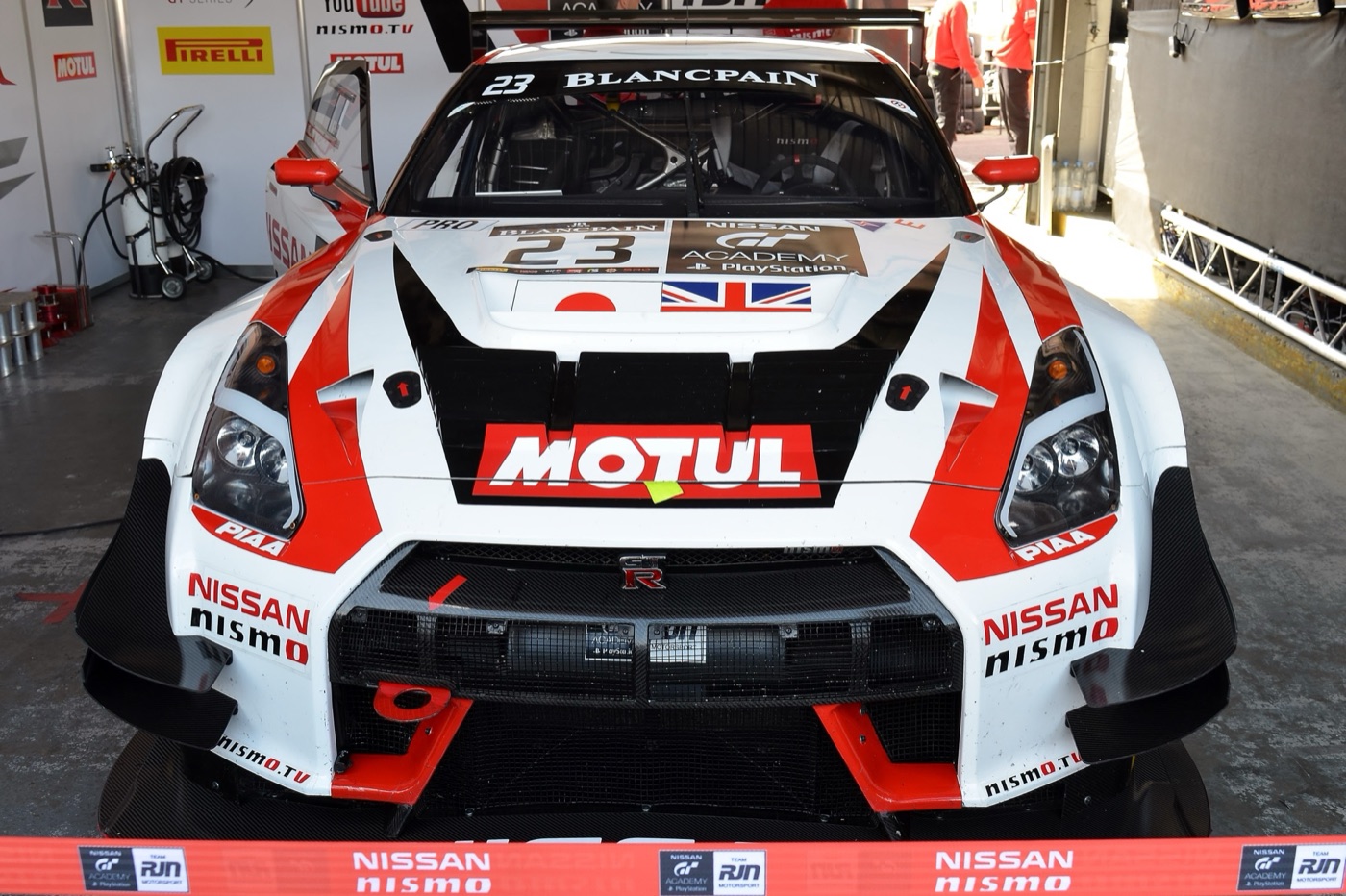
| 2015 | Dubai 24 Hours, Nissan GT-R Nismo GT3 | Paletou, Bin Khanen, Sánchez, Hammann, Strauss | 2nd in Pro-Am, 5th overall of 95 |
| 2015 | Bathurst 12 Hour, Nissan GT-R Nismo GT3 | Reip, Strauss | 1st overall |
| 2015 | Blancpain Endurance Series | Reip | Pro Cup champion |
Sources: Sony's graduate profiles, GTPlanet (Nürburgring 2012), Motorsport.com (Le Mans), Nissan's releases (the 2013 season and the 2015 Dubai race), the FIA WEC (ZEOD RC), Speedcafe (Bathurst).
GT Academy drivers at Le Mans
Ordóñez was the first gamer to race at Le Mans, in 2011, less than three years after winning the contest, and finished second in LMP2 in a Signatech Oreca with Franck Mailleux and Soheil Ayari. He was third in the class in 2013 with Mardenborough and Michael Krumm, in Greaves Motorsport's Zytek with a Nissan engine, Motorsport.com recorded. He started five Le Mans in a row from 2011.
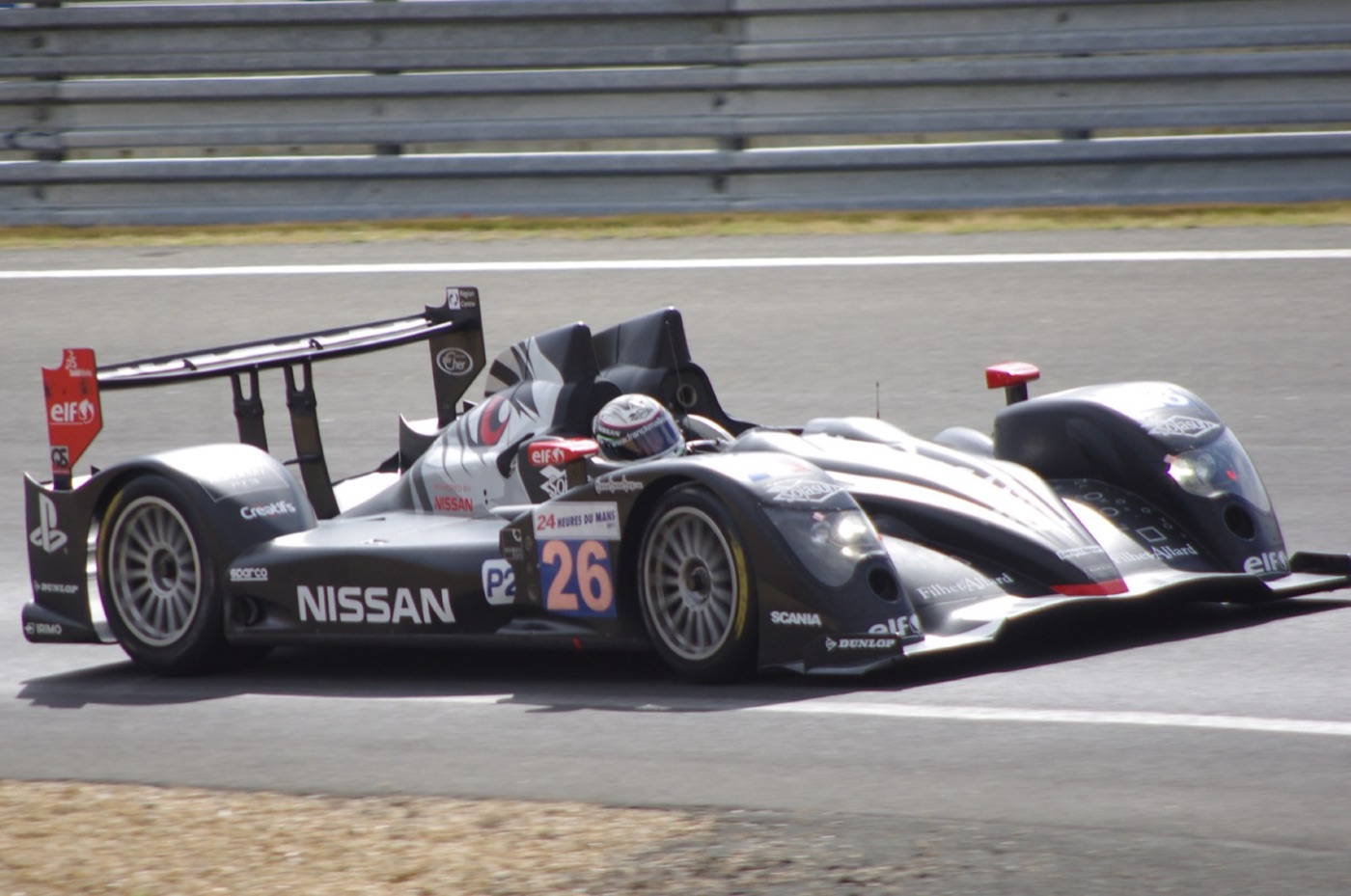
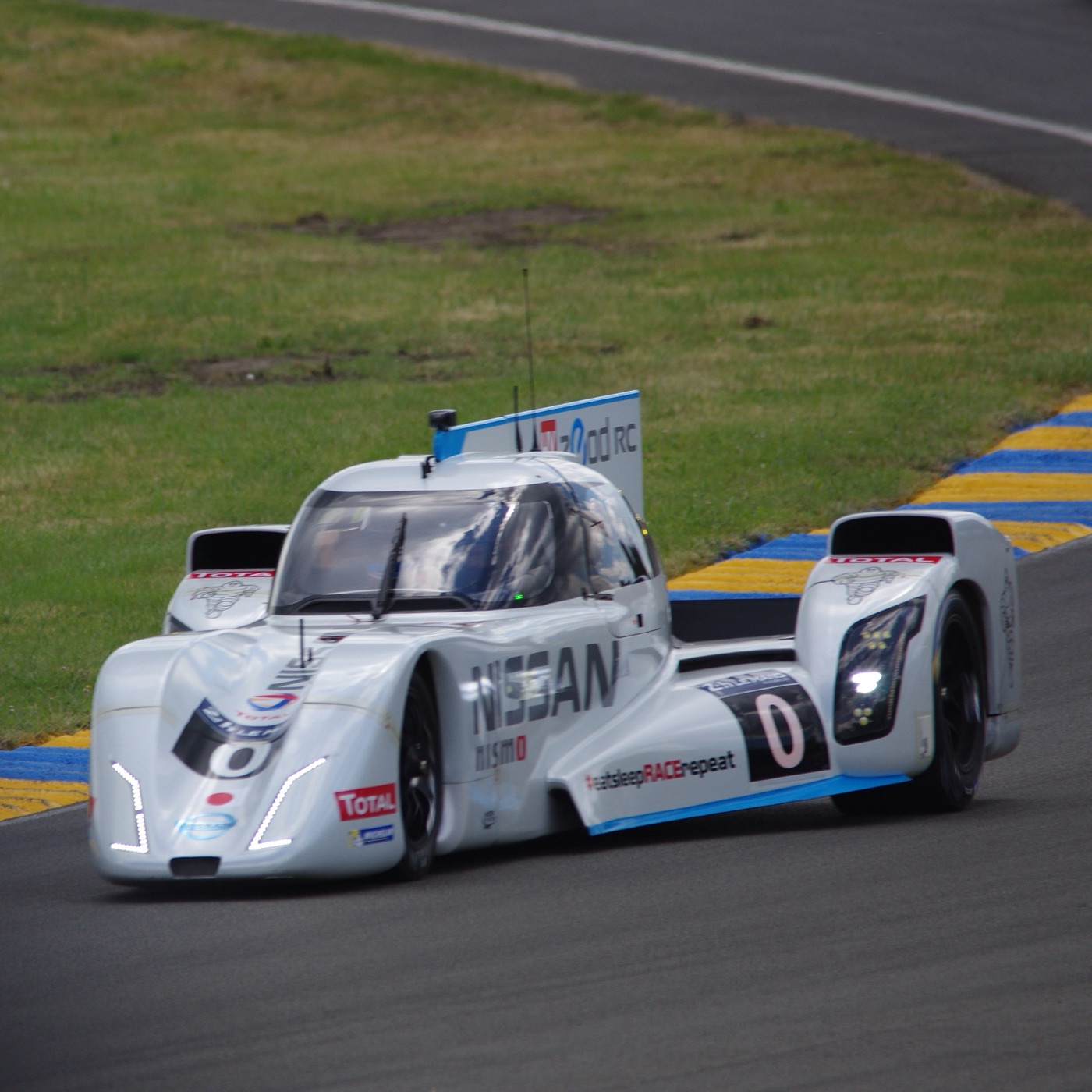
On the morning of the 2014 race Reip, the 2012 winner, drove the Nissan ZEOD RC round the 8.5-mile circuit on its two 110 kW electric motors alone, the first all-electric lap of Le Mans, the FIA World Endurance Championship reported. "I used electricity to originally become a racing driver through GT Academy and now I've used it again," Reip said; it was his Le Mans debut.
Dubai, Bathurst and the Blancpain Endurance Series
The Dubai 24 Hours endurance race was the usual first international race for new winners, who had driven real race cars for only a few months. In January 2015 four of the five 2014 winners (all but Gassner) and Strauss finished second in Pro-Am and fifth overall from a grid of 95 in a GT-R Nismo GT3, beaten in their class only by a team with two professionals, one of them the GT Academy judge Rob Barff, Nissan's race release said.
A month later Reip, Strauss and the Super GT driver Katsumasa Chiyo won the Bathurst 12 Hour outright in the No. 35 Nismo GT-R. Reip pitted from the lead with 1 hour 43 minutes left, Strauss drove a 40-minute stint, and Chiyo took the lead at the restart after the race's 20th safety car with just over four minutes to go, Speedcafe reported. It was Nissan's first win at Mount Panorama since the Skyline GT-R took the Bathurst 1000 in 1992.

Were GT Academy drivers too fast for British GT?
British GT kept GT Academy drivers out of the championship from 2013, after Mardenborough and Alex Buncombe came close to the 2012 Pro-Am title in their RJN GT-R. Cox told Autosport in 2019 that it was a compromise agreed between the series and Nissan, which moved its graduates to the Blancpain series instead. Sony's profile of Mardenborough says he was once given a penalty in British GT for being "too fast".
What happened to the GT Academy winners?
Autosport wrote that not all of them became factory drivers, but that those who did not found jobs in the industry as tyre development drivers or track instructors.
Lucas Ordóñez
Ordóñez stayed with Nissan for ten years. After his Le Mans podiums he won the 2013 Blancpain Endurance Pro-Am title, raced the Nissan DeltaWing to fifth overall at the 2012 Petit Le Mans, spent 2014 in Super GT's GT300 class, raced the GT-R LM Nismo at Le Mans in 2015 and then All-Japan Formula 3, and drove RJN's GT-R in the Blancpain Endurance Cup until he and Nissan parted at the end of 2018, when he was 33, Motorsport.com reported.
Jann Mardenborough
Mardenborough went further than any other winner: GT racing in 2012, European Formula 3 in 2013, a GP3 race win with Arden in 2014, Nissan's LMP1 team in 2015, then GT500 and Super Formula in Japan. In 2015 he survived a crash at the Nürburgring in which a spectator died. He was the last GT Academy winner still on Nissan's books when Autosport asked him in 2019 about being the "last man standing"; he replied: "it's sad".
Wolfgang Reip and the other winners
Reip won the Bathurst 12 Hour and the 2015 Blancpain Endurance Pro Cup title. Tresson won the GT4 class of the 2011 Spa 24 Hours and Blancpain Endurance Series, then raced at Le Mans with Signatech in 2012, in a car powered by Nissan. Heitkotter won the STX class at the 2012 SCCA Solo National Championships. Al Khater won his class on his first race, the 2013 Britcar 1000km at Silverstone, sharing with Oldfield and Tomas Scheckter, Nissan noted. Strauss and Gassner won the Gentlemen class of an ADAC GT Masters race at Oschersleben in 2015. Sánchez was still racing a Nissan GT-R for RJN in the Blancpain Endurance Series in 2018, and Guindi made his international debut in the 2017 Dubai 24 Hours in an all-graduate 370Z with Mardenborough, Sarazin and Sánchez.
Was GT Academy a success?
GT Academy won a Cannes Gold Lion, two Campaign Media Awards and an Autosport Award. The 2010 series won a Gold Lion for Best Use of Branded Content at the Cannes festival in June 2011; its five 24-minute television episodes were taken by more than 160 broadcasters. In November 2011 it won two Campaign Media Awards in London, where Nissan's entry put the campaign's media value at more than £30 million, Sony's release said. In December 2013 GT Academy won the Pioneering and Innovation award at the Autosport Awards, collected by Cox from Paul di Resta.
Cox's own claim for its reach was 38 countries and 85 million people watching the television show at one point. He also said that 78% of the people GT Academy interviewed were motor racing fans because of games, not the other way round. Not everything worked. The 2008 co-winner never raced; Cox told Autosport, of Mardenborough's 2014 season, "I made a stupid decision to put him in GP3"; and some Race Camp tasks were made for television, such as the 2013 German camp's pentathlon of quad bikes, hovercraft and a jump into a cold pond.
Why did GT Academy end?
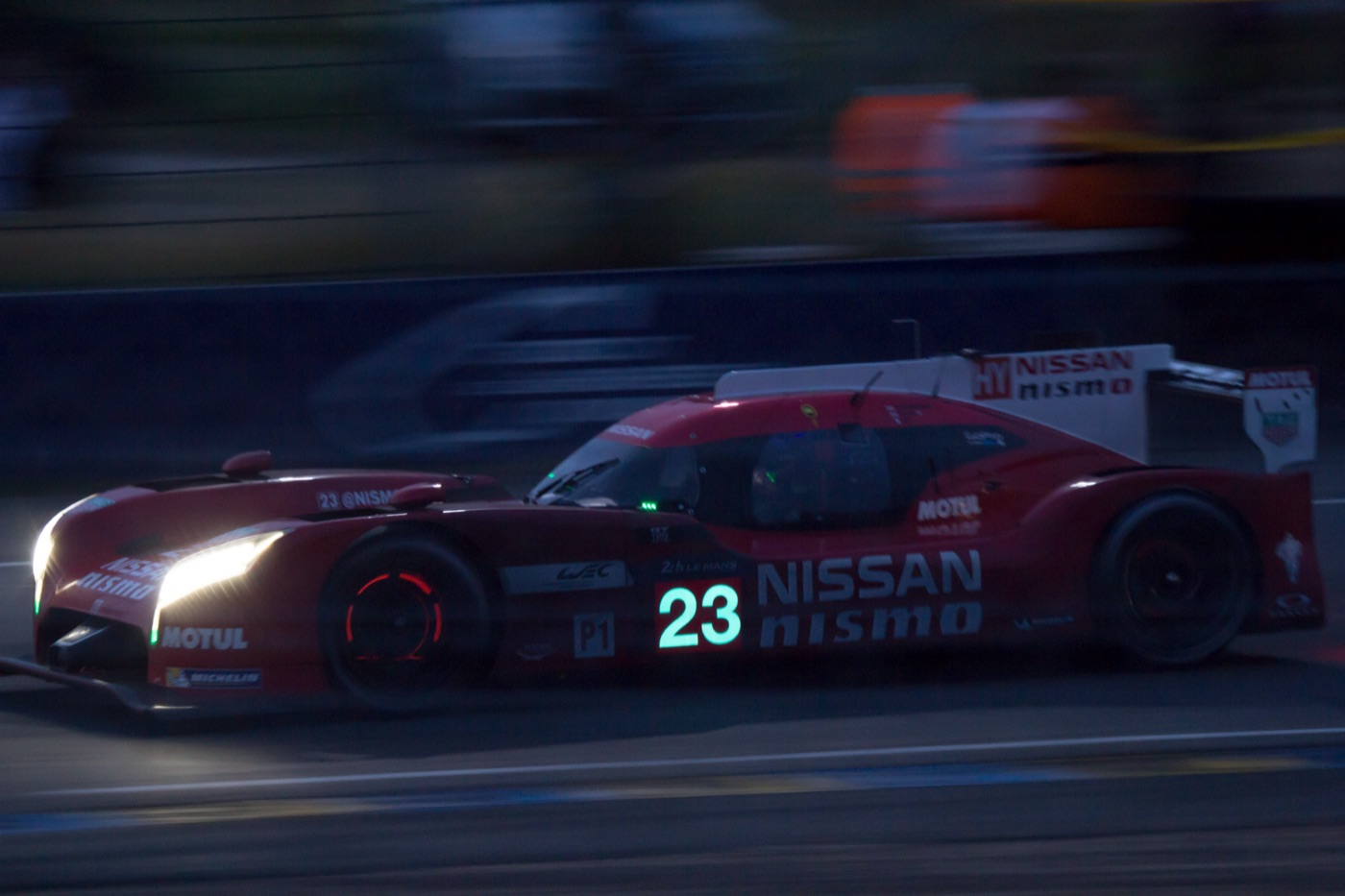
GT Academy ended after Darren Cox left Nissan in 2015 and Nissan cut back its racing outside Japan. By then Cox was Nismo's global head of brand, marketing and sales. Nissan's front-engined GT-R LM Nismo LMP1 car raced at Le Mans in June 2015 with three GT Academy winners in its line-up, Ordóñez, Mardenborough and Shulzhitskiy; it was uncompetitive and Nissan cancelled the programme in the last days of 2015, GTPlanet recorded.
"Cox left Nissan in 2015 and the concept fizzled out," Autosport wrote. Cox told Hagerty that after he left, Nissan was "just racing in Japan again and doing Formula E". No competition was held after the International one of 2016, and Autosport later wrote that the programme "quietly ended in 2017". RJN Motorsport, which had run every winner's training and racing, left Nissan for Honda at the end of 2018, after almost 20 years with the company, GTPlanet reported, and Nissan dropped Ordóñez and Buncombe the same winter.
Is the Gran Turismo film a true story?
Gran Turismo (2023), directed by Neill Blomkamp for Sony Pictures, is based on GT Academy and Mardenborough's first two years, with invented characters and events. Archie Madekwe plays Mardenborough, Orlando Bloom plays Danny Moore, a Nissan marketing executive based on Darren Cox, and David Harbour plays Jack Salter, a composite character, USA Today's fact-check explains. Sony Pictures billed it as the true story of a gamer, a failed former racing driver and a motorsport executive.
The film presents GT Academy as a new idea, though Mardenborough won its third edition, and it puts his 2015 Nürburgring crash before his 2013 Le Mans podium. Hagerty notes that the real final was in Nissan 370Zs and won by eight seconds, where the film has GT-Rs and a photo finish. Cox said the scene in which his character argues for a rival to win "never happened", and that "I certainly don't remember a private airplane with Nismo on the side". The film opened in France on 9 August 2023, in the UK on 11 August and in North America on 25 August, and took $122,076,738 worldwide, according to Box Office Mojo.
What came after GT Academy?
After leaving Nissan, Cox set up World's Fastest Gamer, a contest open to players of any racing game, sim, console or mobile; its winner Rudy van Buren became a McLaren simulator driver, Autosport reported. Gran Turismo's own competitive series became the FIA-sanctioned Gran Turismo Championships, which award a trophy at the FIA's end-of-season prize-giving but no place in Nissan's driver programme, GTPlanet noted in 2018. Asked by Autosport in 2019 whether there could be another GT Academy, Mardenborough said: "It's possible but it's whether any company or manufacturer wants to be behind it 100% and not as a marketing gimmick."
Questions
Is GT Academy still running?
No. The last competition was GT Academy International in 2016, won by Johnny Guindi of Mexico, and no edition has been held since. RJN Motorsport, the team that trained and raced the winners, left Nissan at the end of 2018.
Who won the first GT Academy?
Lucas Ordóñez, a 23-year-old student from Madrid, won the first GT Academy on 31 August 2008, with Lars Schlömer of Germany named as a second winner. Ordóñez raced the Dubai 24 Hours in January 2009 and finished second in LMP2 at Le Mans in 2011.
Who created GT Academy?
Darren Cox of Nissan Europe created it with Mark Bowles of Sony Computer Entertainment Europe, after a promotion for a special Nissan 350Z showed that some Gran Turismo players were quick in real cars. Orlando Bloom's character in the 2023 film is based on Cox.
Which game did you play to enter GT Academy?
Entrants qualified on Gran Turismo 5 Prologue in 2008, Gran Turismo 5 from 2010 to 2012, Gran Turismo 6 from 2013 to 2015, and a pre-release Gran Turismo Sport at the 2016 live events, all on PlayStation.
Where was GT Academy Race Camp held?
At Silverstone in Northamptonshire for almost every competition, with the Stowe Circuit as its base. The exception was GT Academy Europe 2015, whose Race Camp was held at the Yas Marina Circuit in Abu Dhabi.
Did a GT Academy winner ever race in Formula 1?
No. The winner who went furthest in single-seaters was Jann Mardenborough, who won a GP3 race with Arden in 2014, made two GP2 starts in 2015 and later raced Super Formula in Japan.
Which cars did GT Academy winners race?
Mostly Nissans run by RJN Motorsport: a 350Z GT4 in 2009, the 370Z in GT4 trim, and the GT-R Nismo GT3. The best of them also raced Nissan-powered LMP2 cars at Le Mans, the ZEOD RC in 2014 and the GT-R LM Nismo LMP1 car in 2015.
Sources
- Nissan (European newsroom), "Success continues for the world's first ever virtual to real life racing driver", 2009: the 2008 competition, entrants and countries, Ordóñez's 2009 GT4 programme.
- Sony Interactive Entertainment, GT Academy season recaps, gran-turismo.com (2008 Europe to 2016 International, one page per competition): entrants, finalists, judges, Race Camp tasks, winners.
- Sony Interactive Entertainment, GT Academy graduate profiles, gran-turismo.com: each winner's home town and results.
- SkiddMark, "GT Academy 2010 Time Trial reaches 1 million players", January 2010: the 2010 time trial, its dates, circuit and cars, the million downloads, Yamauchi's comment.
- Nissan and Sony, GT Academy 2010 launch release via Racecar.com, 18 December 2009: entry rules, the time-trial close.
- Sony, "Jordan Tresson wins PlayStation and Nissan GT Academy 2010", 21 April 2010: the 2010 shoot-out and download total.
- Sony Computer Entertainment America, release of 6 June 2011: the first US competition.
- Nissan and Sony Computer Entertainment Europe, Cannes Gold Lion release, 22 June 2011: the award, broadcasters, downloads, Cox and Bowles.
- Nissan and Sony, Campaign Media Awards release, 30 November 2011: awards and media value.
- Nissan, "Miguel Faisca crowned 2013 European GT Academy champion", 11 September 2013: the 2013 European final and prize.
- Nissan South Africa release via Car Site, 29 August 2013: Ashley Oldfield's win.
- Nissan, "Where next for GT Academy?", December 2013: Salman Al Khater, the 2013 winners.
- Nissan, Autosport Award release, 4 December 2013: the award, 41 podiums, the 2013 Blancpain results.
- FIA World Endurance Championship, "Nissan achieves Le Mans goal with all-electric lap", 14 June 2014: Reip's electric lap.
- Nissan race release via Motorsport.com, January 2015: the 2015 Dubai 24 Hours.
- Speedcafe, Bathurst 12 Hour race report, February 2015: the 2015 win.
- Autosport, "The gamers that launched a motorsport revolution": Cox on the 350Z promotion, Schlömer, winners' careers, reach, his departure.
- Autosport, "The last Nissan gamer-racer still standing", 2019: the British GT ban, GP3, Mardenborough's comments.
- Motorsport.com, "First GT Academy winner ends 10-year Nissan relationship": Ordóñez's career and Le Mans cars.
- GTPlanet, "It's been ten years since Lucas Ordóñez won the very first GT Academy", 2018: the 2008 final date, Nürburgring 2012, the LMP1 cancellation.
- GTPlanet, "Is GT Academy officially dead?", 12 February 2019: RJN's move to Honda, the last edition.
- Hagerty, "Nissan executive tells the real story behind the new Gran Turismo movie", 2023: Cox on the origin, the film's changes and Nissan after 2015.
- Sony Pictures, Gran Turismo film page: director, cast and billing.
- USA Today via Yahoo, "Is the Gran Turismo movie based on a true story?", August 2023: Danny Moore and Jack Salter.
- Box Office Mojo, Gran Turismo (2023): release dates and takings.