Hiromu Naruse: Toyota's master test driver, Gazoo Racing and the LFA
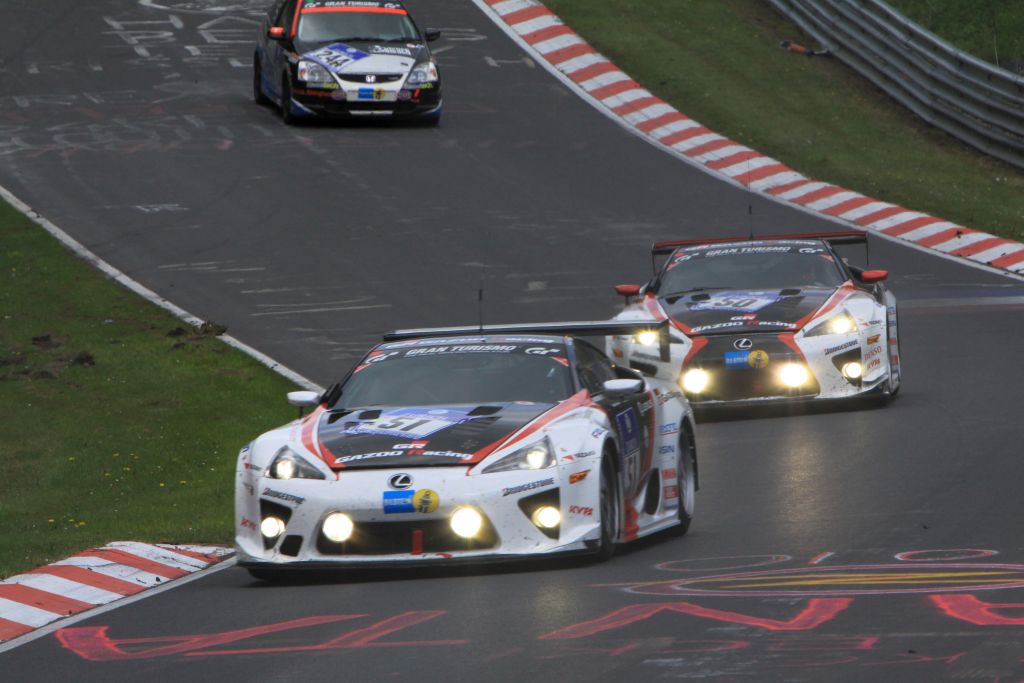
Hiromu Naruse was Toyota's master test driver: the man who set the handling of its sports cars from the 2000GT of the 1960s to the Lexus LFA, taught Akio Toyoda to drive and founded Gazoo Racing with him in 2007. He joined Toyota as a temporary mechanic in 1963 and was killed on 23 June 2010, aged 67, when the Lexus LFA prototype he was driving collided head-on with a BMW on a country road near the Nürburgring. He was alone in the car.
People look him up because of what Toyota has done since. Toyoda became Toyota's president in 2009 and its master driver after Naruse died, the GRMN badge on Toyota's hottest cars carries Naruse's nickname, and Toyota still names him as the starting point of Gazoo Racing.
Who was Hiromu Naruse?
Naruse was a mechanic who became Toyota's senior test driver, the person who decided how its cars should feel to drive. Toyota's own profile, published on its GAZOO Racing site in 2008, says he joined Toyota Motor Corporation in 1963 as a temporary employee in the Vehicle Evaluation and Engineering Division. He was a certified mechanic, and because he also held a level-2 abacus certificate he was nearly placed in the accounting division. He was 19, according to the publisher's note for Ren Inaizumi's 2016 book about him, and came to Toyota from a vocational school for car mechanics.
The same profile says Naruse had logged more years and more miles at the Nürburgring than any other Japanese driver, and that Ferrari called him "Nur Meister" and "the man who knows all the world's roads". Toyota's 2008 interview said he was known as a "meister of automobile manufacturing" inside Toyota and among Japanese motorsport journalists, and introduced him as a test driver "involved in the development of many renowned Toyota vehicles".
Mechanic in Toyota's racing department
For his first ten years at Toyota Naruse worked on its motorsport projects, and Toyota's profile says he headed up production of the Toyota 7 and the 2000GT. The cars it lists from that period are the Sports 800, which went racing in 1965 against Honda's S600 and S800, the 1600GT with its Yamaha-developed 9R twin-cam engine, and the 2000GT, whose engine and hand-built body came from Yamaha.
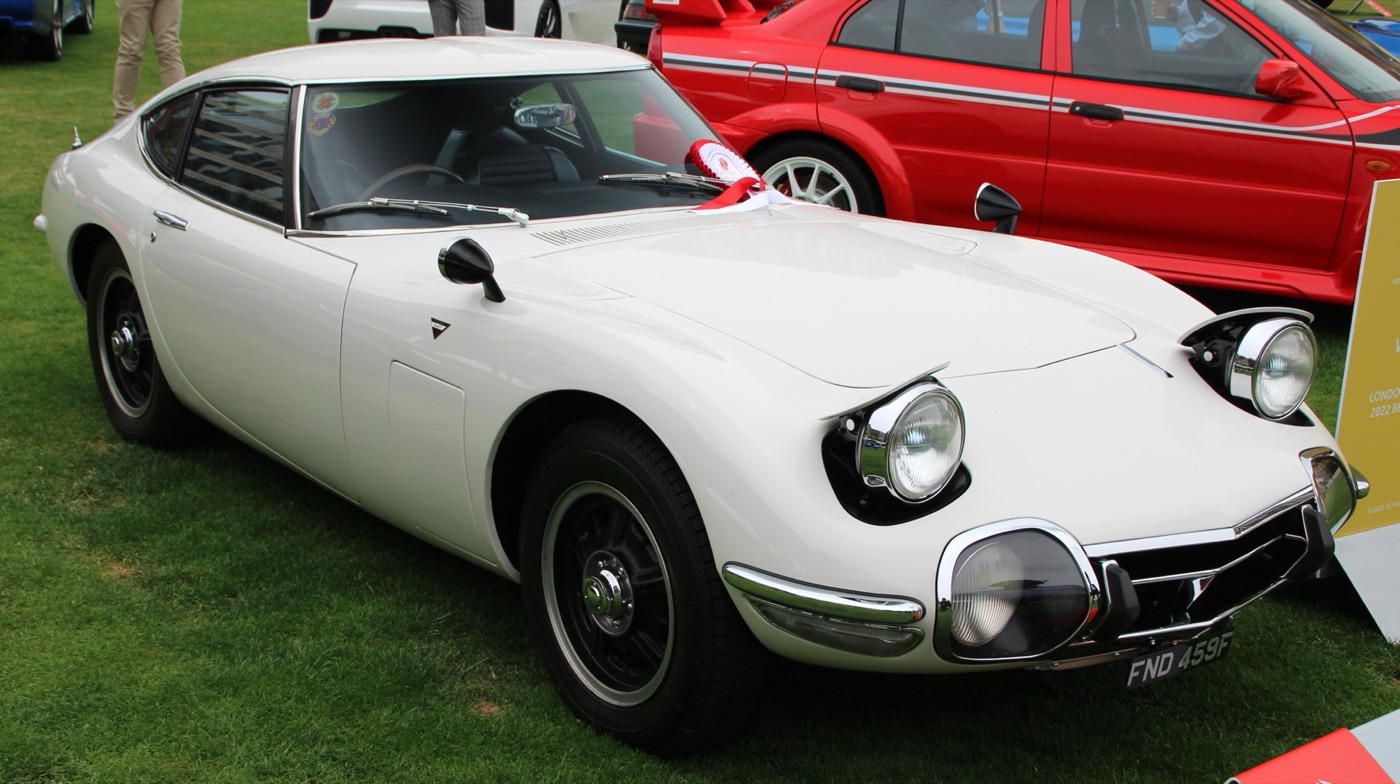
The 2000GT and the Toyota 7
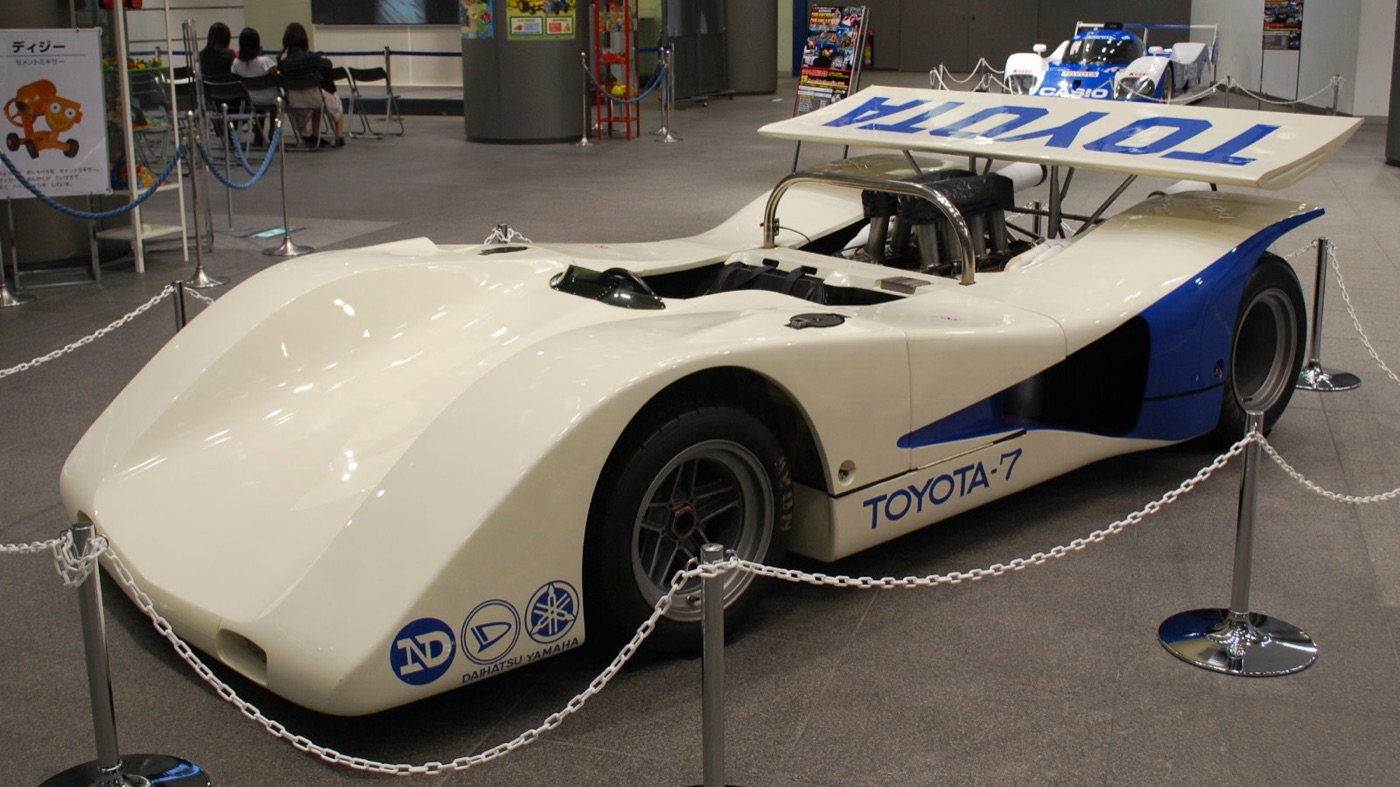
The 2000GT set a world speed record between its unveiling and its launch, Toyota's profile notes. The Toyota 7 was Toyota's two-seat racing car, shown in 1968 "with the aim of channeling Toyota's racing experience into a production car". By 1970 a turbocharged 5-litre version with about 800ps was ready for the Japanese Grand Prix, but the race was cancelled and the car never started it. Damon Lavrinc of Autoblog, who rode with Naruse at the LFA's launch in 2009, wrote in June 2010 that by the end of the 1960s Naruse had helped create both the 2000GT and the Toyota 7, "Toyota's first custom-built racer".
Switzerland and the first race at the Nürburgring
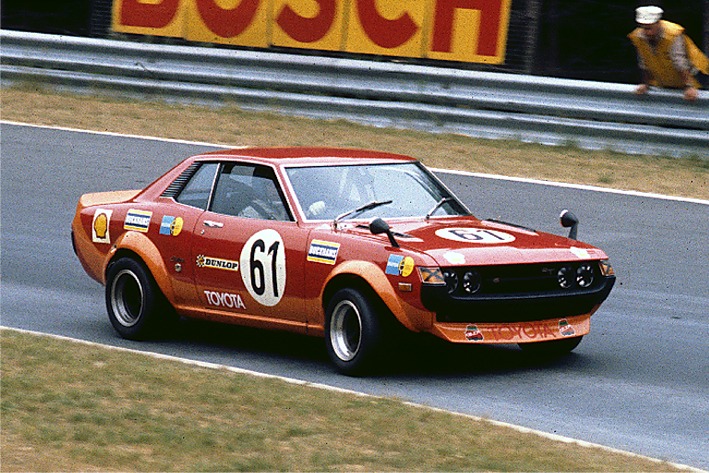
In 1970 Toyota stationed Naruse in Switzerland, where he helped with Japan's first entries in races at the Nürburgring and Spa-Francorchamps, according to the 2008 profile. Toyota's later history of the Supra's Nürburgring development says he was 28 when he took the wheel of a Celica 1600GT at the 6 Hours of Nürburgring, with Toyota there to give technical guidance. The first time he drove the circuit he thought "I have come to an extraordinary place", and felt straight away that "we can use the Nürburgring for development".
Naruse told the story himself at the Motor Sport Japan show in Tokyo in October 2009, in a talk reported on Toyota's GAZOO Racing site. The race had been about 40 years earlier, he said; the Japanese crew were not given a pit garage and worked outside under umbrellas, and the Celica won the 2-litre class. He also said it had taken him a week to learn the bumpy circuit.
Toyota's master test driver
After the racing years Naruse moved into vehicle evaluation, and he rose to master test driver, at the head of all Toyota's test drivers. Toyota's profile says he "influenced development of all the sporty mass-production vehicles from the Toyota 2000GT to the MR-S". At over 65 he still tested on the autobahn and drove mountain roads with his wife on his days off to keep his skills up.
He spoke Japanese with European engineers, finding it easier than halting English or an interpreter, and he named the benchmarks plainly: "The best steering is found on Mercedes Benz vehicles. For riding comfort, it is BMW." He added that combining the two would disappoint, because "there is no point in imitation".
The Supra developed at the Nürburgring
The fourth-generation Supra, launched in May 1993, was the first Toyota developed in full at the Nürburgring, according to Toyota's Supra history, and its evaluation driver "was, of course, Naruse". When Japanese magazines timed it at home circuits, rival sports cars were quicker. Naruse dismissed the result: "Japanese circuits only reveal one-tenth of a car's performance, but the Nürburgring uncovers 100 percent of a car's capabilities."
The Supra went out of production in 2002, and Toyota kept using it as a training car at the Nürburgring. When Akio Toyoda trained there with Naruse, the Supra was the car they drove, and Naruse told him: "Have a look at the German manufacturers. All of them test the new models they have under development at the Nürburgring. The only Toyota car capable of competing here is a used, out-of-production Supra."
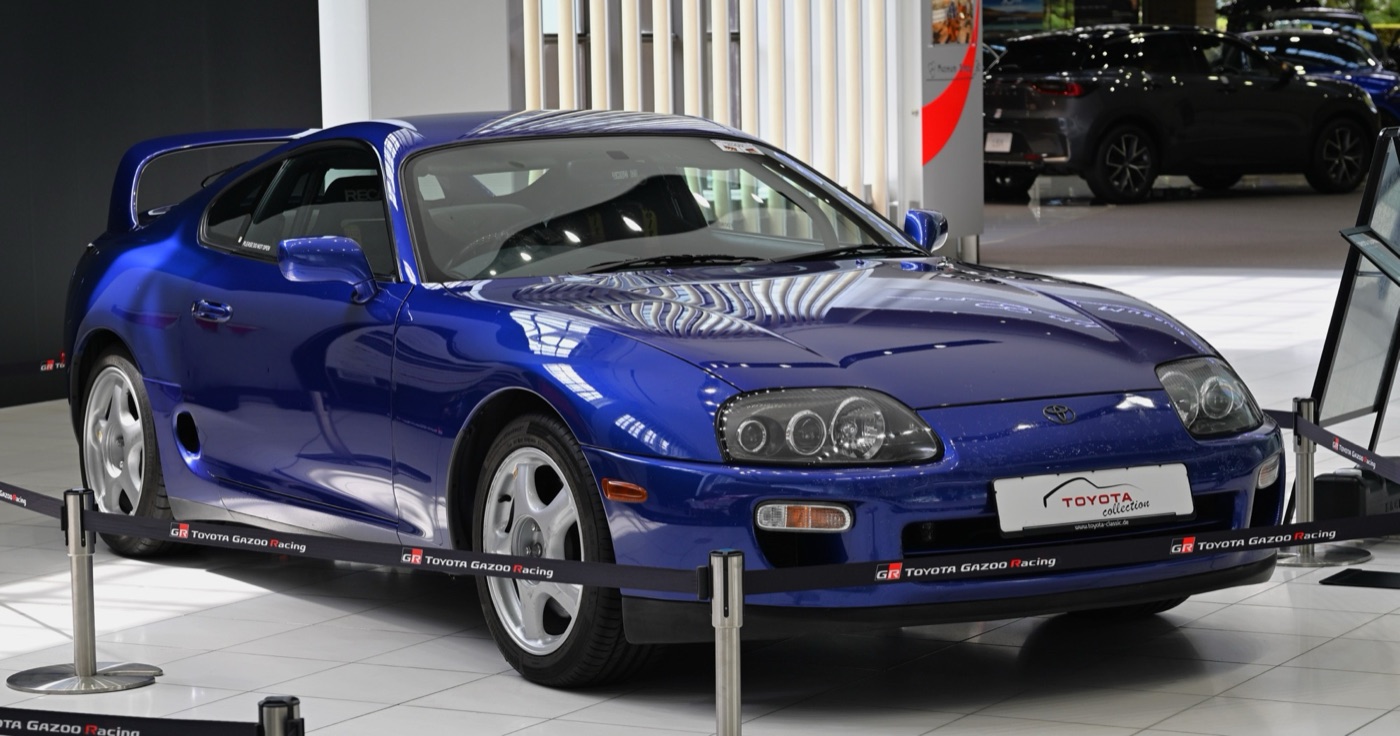
Which cars did Hiromu Naruse work on?
The cars below are the ones Toyota's 2008 profile and Autoblog name as Naruse's; the dates and roles are those the sources give.
| Car | When | Naruse's part |
|---|---|---|
| Toyota Sports 800 | Raced from 1965 | Mechanic in the racing department |
| Toyota 1600GT | 1960s | Mechanic in the racing department |
| Toyota 2000GT | 1960s | Headed up production, per Toyota |
| Toyota 7 | 1968 to 1970 | Headed up production, per Toyota |
| Toyota Celica | From December 1970 | Worked on every generation, per Autoblog |
| Corolla Levin and Sprinter Trueno (AE86) | 1980s | Test driver |
| Toyota MR2 | 1980s | Test driver |
| Toyota Supra (fourth generation) | May 1993 | Evaluation driver |
| Toyota Altezza (Lexus IS) | November 1998 | Master test driver |
| Toyota MR-S | October 1999 | Master test driver |
| Toyota Prius (second generation) | September 2003 | Master test driver |
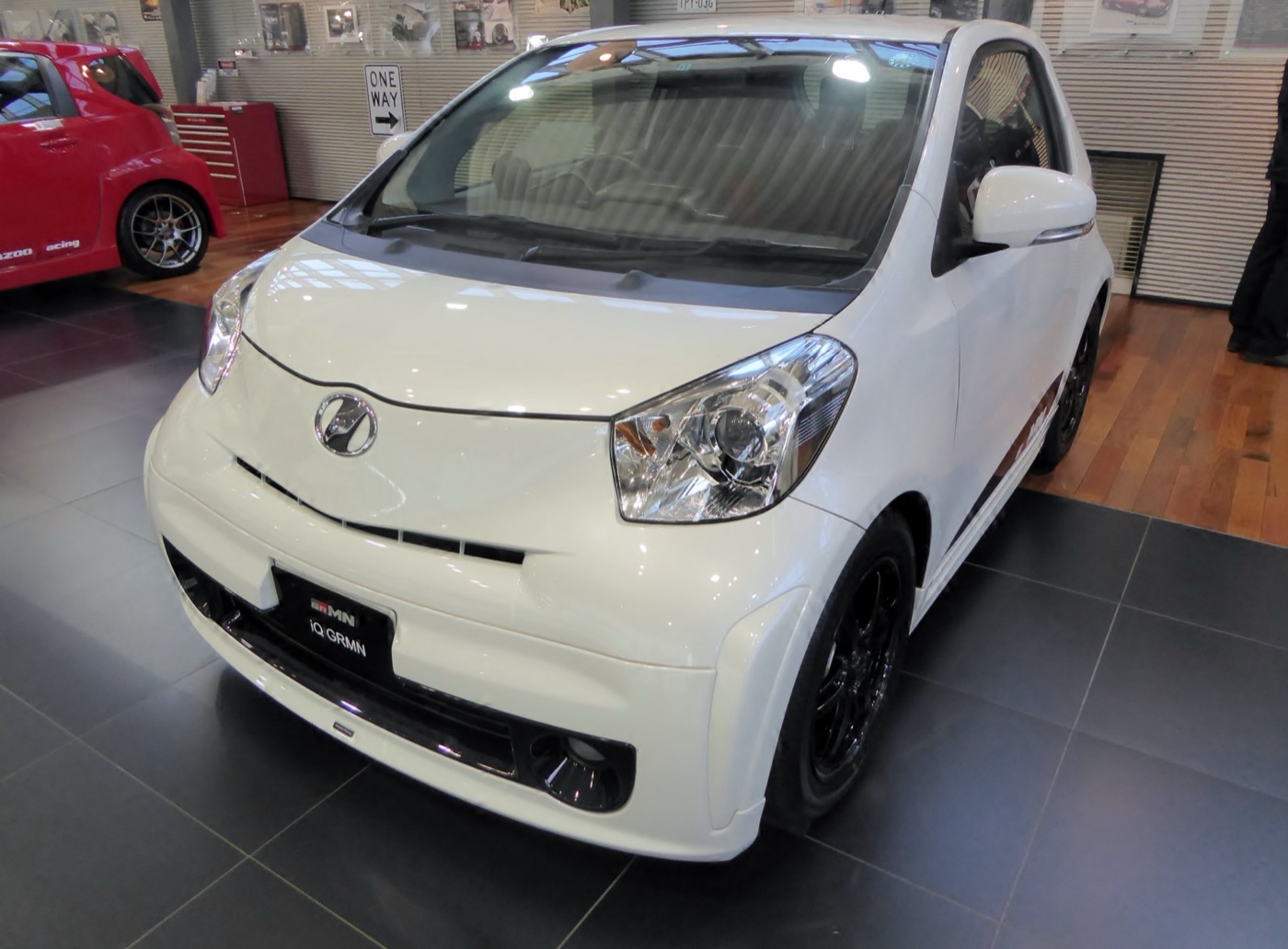
| iQ GAZOO Racing tuned by MN | August 2009 | Tuned it with the GAZOO Racing team |
| Lexus LFA | Production from 2010 | Chief test driver |
Sources: Toyota's GAZOO Racing profile (2008) and car pages; Toyota's Supra history; Autoblog (June 2010).
"Automotive seasoning": how Naruse judged a car
Naruse's method was to treat a car like a dish and the test driver like its chef. In Toyota's interview he said the specifications are the ingredients, and the final tuning, which he called "automotive seasoning", decides whether a customer wants to drive the car again. "The feel of the ride can change completely by changing the shock absorber shims by just two-tenths of a millimeter," he said, and with training a driver could feel longitudinal forces "in units of 1/1000 of a G".
He distrusted design by numbers. "A computer alone cannot generate flavor. I fear that we are becoming over-dependent on the computers," he told Toyota, and he believed races were the best place to train people because "the word 'can't' does not exist at the racetrack". He wanted one person at Toyota to have the last word on how its cars tasted, as a head chef does: "European automakers employ a master craftsman (meister) who is responsible for determining the flavor of the cars, and until that person gives the okay, the cars cannot be sold."
He gave Lexus magazine a shorter version in the spring of 2010: "Test drivers are like chefs, and I take the role of head chef." The first road car from the project was the iQ GAZOO Racing tuned by MN: 100 cars, on sale from 20 August 2009, sold out in a week.
Naruse and Akio Toyoda
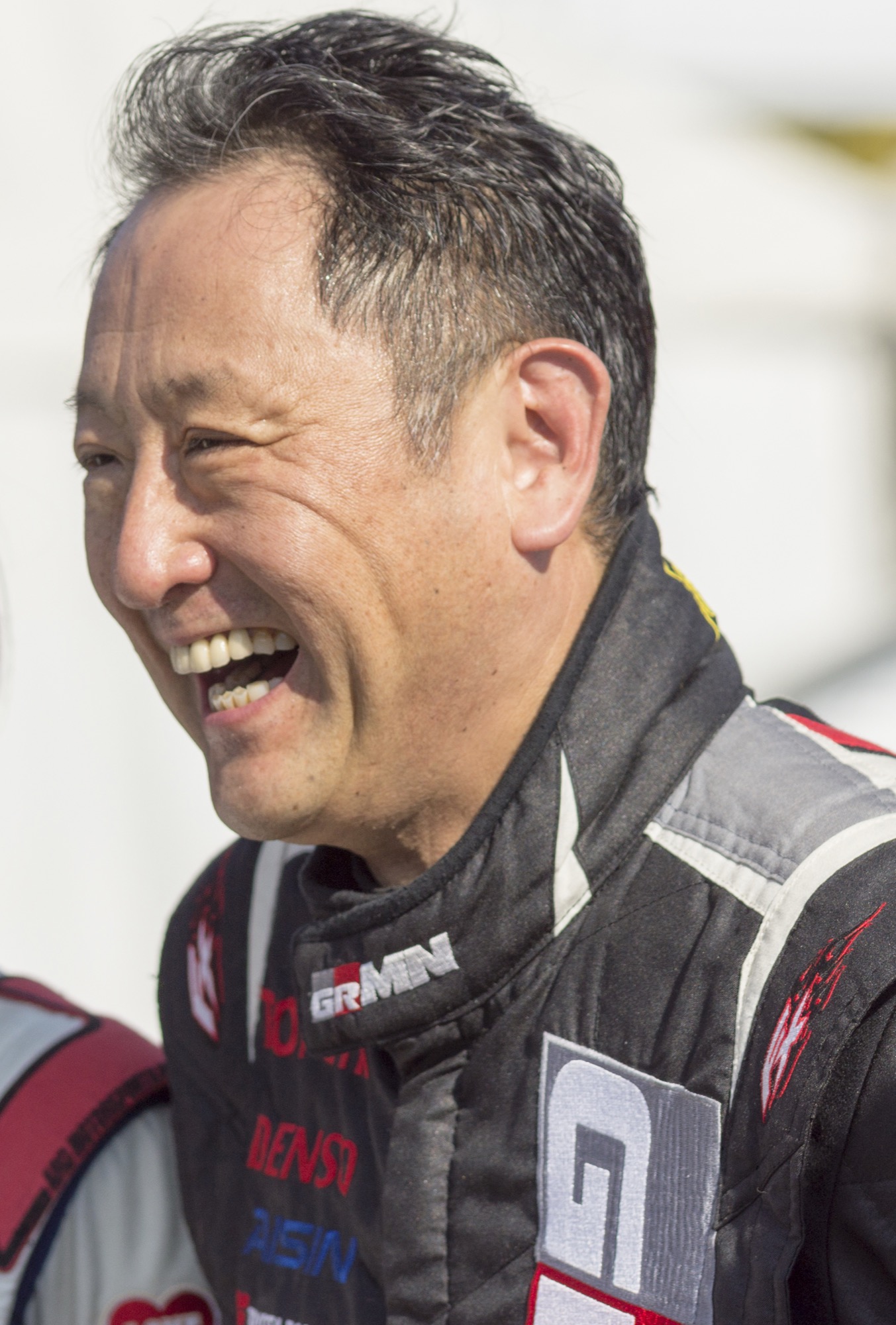
Naruse was Akio Toyoda's driving teacher; Toyota calls him Toyoda's "driving mentor". They met after Toyoda, grandson of Toyota's founder Kiichiro Toyoda and 14 years Naruse's junior, came back from Toyota's American subsidiary. Toyota Times records what Naruse said to him:
"It's annoying that someone at the top like you doesn't know the basics of driving, but just gets into the car and comments on this and that! ... If you feel like it, even if just once a month, I'll teach you how to drive."
Toyoda started his driver training at the Nürburgring in 2001, with Naruse as his teacher, according to Toyota GB's account of the 2019 Nürburgring 24 Hours. "We called it training," Toyoda told DirtFish in 2025, "but I just followed Naruse as he drove his car." Naruse gave him two instructions: hit the brakes where you see my brake lights, and if the gap is growing you are not using enough throttle.
Inaizumi, writing in NEWS Post Seven in March 2016, quotes more of the lessons (translated here): "Akio-san, you are not going to be a racer. First learn to say whether you like this car or not," and "Talk to the car. A car is a living thing, so it can't be made by calculation alone." Toyoda gave up golf, he told Inaizumi, because once he took cars seriously there was no time for it.
Gazoo Racing and the Nürburgring 24 Hours
Naruse and Toyoda founded Gazoo Racing in 2007 to race at the Nürburgring 24 Hours, and Naruse did not want to race to win. Toyota Times says he wanted the race used "as an opportunity to train people and cars"; his phrase was "roads make cars". Toyota did not recognise the entry as company business, so the team could not use the Toyota name, and Toyoda raced under the name "Morizo", Toyota said in its January 2026 statement on the Gazoo Racing name.
Team Gazoo's first race in 2007
Team GAZOO entered two Altezza RS200s, prepared with Toyota Technocraft (TRD), with eight drivers, Toyota's 2007 project page says. Naruse drove car No. 110 with drivers listed as Takagi, Takeda and Janssen, and it finished 104th, according to Racing Sports Cars. Toyoda remembered that race for the humiliation: overtaken by European makers' development cars, he felt rivals were saying "No way that you guys at Toyota could build a car like this!"
Lexus LF-A race cars, 2008 to 2010
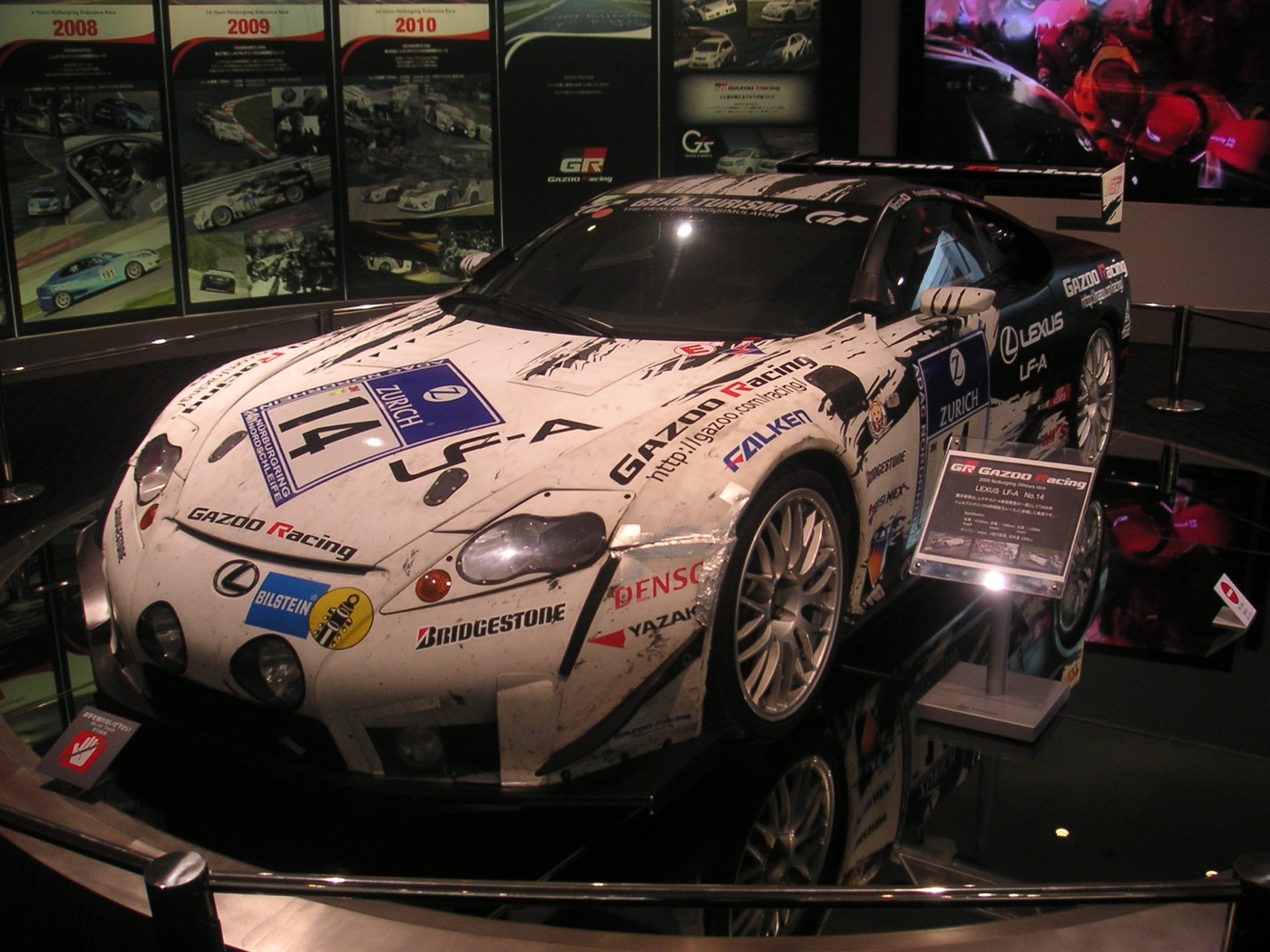
From 2008 the team raced the LF-A prototype, the car that became the Lexus LFA. Naruse had suggested the race to Lexus, he told Lexus magazine, so that it could "speed up the development process by three years". In 2009 he shared the No. 15 LF-A with Armin Hahne, Jochen Krumbach and André Lotterer; a broken driveshaft joint stopped it on the first lap, it rejoined five hours after the start, and it retired with less than 90 minutes left. He also drove the No. 16 Lexus IS F with Morizo, Minoru Takaki and Nobuyoshi Katsumata, which finished third in the SP8 class, as Toyota's 2009 race report and SkiddMark's live report from the race both recorded.
In 2010 Naruse ran the team as crew chief. He told Toyota that at the first test of one model "the vehicle body was deformed out of shape only after a single lap". The two LFAs had standard engines and only their aero parts, suspension, brakes, tyres and wheels changed, and every mechanic was a Toyota employee, half of them new to the race, according to Toyota's 2010 race report. The No. 50 car won the SP8 class, five weeks before Naruse died.
| Year | Car | Result | Naruse's role |
|---|---|---|---|
| 2007 | Altezza RS200, No. 110 | 104th overall, 14th in SP3 (82 laps) | Driver |
| 2007 | Altezza RS200, No. 109 | 110th overall, 16th in SP3 (80 laps) | Team (did not drive) |
| 2008 | Lexus LF-A, No. 14 | 121st overall, 7th in SP8 (106 laps) | Team (did not drive) |
| 2009 | Lexus LF-A, No. 14 | 87th overall, 4th in SP8 (114 laps) | Team (did not drive) |
| 2009 | Lexus LF-A, No. 15 | Retired (106 laps) | Driver |
| 2009 | Lexus IS F, No. 16 | 81st overall, 3rd in SP8 | Driver |
| 2010 | Lexus LFA, No. 50 | 18th overall, 1st in SP8 (142 laps) | Crew chief |
| 2010 | Lexus LFA, No. 51 | Not classified (67 laps) | Crew chief |
Sources: Toyota Gazoo Racing, Challenge to Nürburgring history; GAZOO Racing race reports 2009 and 2010; Racing Sports Cars for the drivers of 2007.
What does GRMN stand for?
GRMN stands for "GAZOO Racing tuned by the Meister of Nürburgring", as Toyota New Zealand's June 2026 release for the GRMN Corolla puts it, and the Meister was Naruse. Toyota's English site wrote the first car's name in 2009 as "iQ GAZOO Racing tuned by MN". Toyota's Supra history says the 86 GRMN, of which 100 were built, was the road version of the 86 that won its class at the Nürburgring 24 Hours in 2014.
Naruse and the Lexus LFA
Naruse was the chief test driver of the LFA, Lexus's V10 supercar, and its feel is largely his. When he first drove the prototype, he told Lexus magazine, "it was scary. It was like a monster." At 4,000rpm in a fast curve the engine did not respond as he wanted, so he asked the engineers to make it "sharp like a Japanese sword".
Running the LFA for durability at 200mph at Nardò in Italy frightened him: "I thought I might not return to Japan alive," he said, as quoted by AutoTrader.com in 2010. "The race was in the dark with no lights on the track, plus there were birds flying at me." Toyota's 2026 statement says Naruse, as master driver, had signed off the LFA's development with the words "Let's go with this" shortly before he died.
How did Hiromu Naruse die?
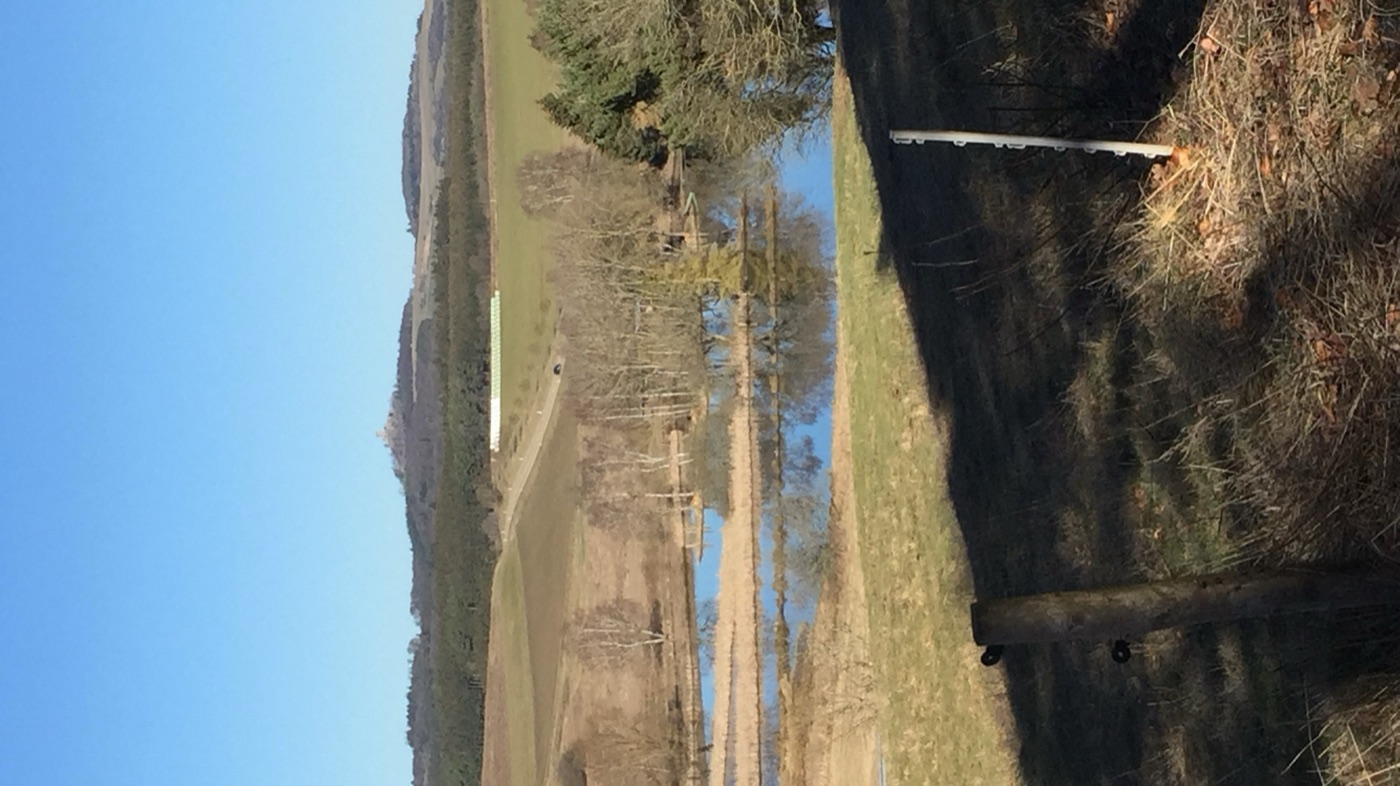
Naruse died at the scene of a head-on crash on the L94 country road near Boos, in the Eifel near the Nürburgring, around midday on Wednesday 23 June 2010. He was driving a yellow LFA prototype, a development car for the version Autocar called the Lexus LFA Nürburgring Edition, and he was alone in it. The other car was a production BMW carrying two BMW test drivers, aged 33 and 34; both were seriously injured, the older one critically, according to the Rhein-Zeitung, whose reporter was at the scene.
The police in Mayen said the Lexus crossed into oncoming traffic on a long left-hand bend, for reasons not then known. The speed limit there was 100km/h, all three test drivers wore helmets and both cars were full of test electronics. A police officer told the paper that Naruse had "certainly driven the road 1,000 times". The crash was close to Toyota's test workshop, Autocar reported the same day, and Naruse had been on his way back from the race track, Der Spiegel wrote.
Was anyone else in the LFA?
No. Some first reports, citing the German press, said a passenger in the LFA had died as well. Lexus Enthusiast, which had repeated that from the Rhein-Zeitung, added an update to its report after checking: "I've verified that there was no passenger in the LFA." The police account carried by dpa and printed in Auto Bild named one death, Naruse's; the BMW's 33-year-old driver was seriously injured and his 34-year-old passenger critically.
What caused the crash?
The police and the public prosecutor sent an expert to the scene of the accident, and Toyota said it would wait for the German authorities to find the cause. Its spokesman, Mieko Iwasaki, told The Local (reporting AFP): "We are shocked and saddened by the sudden death of Hiromu Naruse." Two years later Ben Barry wrote in CAR that Toyota sources said Naruse did not appear to have been wearing his seatbelt and appeared to have been on the wrong side of the road, and that the airbags and other safety systems of the early development car were not working.
What happened after Naruse's death
Gazoo Racing seemed ready to disband after Naruse died, Toyota Times says, but its members carried on. Toyoda told the team at the 2019 Nürburgring 24 Hours that he had resolved at Naruse's funeral "to stay on this path". He had taken office as Toyota's president on 23 June 2009, a year to the day before Naruse's death, and he traces his slogan "let's make ever-better cars" back to Naruse. In August 2010 Autocar reported that Toyota was considering a cheap rear-wheel-drive hatchback in Naruse's memory, the kind of car he had long argued for.
The cherry trees near the Nürburgring
Two cherry trees, one German and one Japanese, were planted in Naruse's memory at a quiet spot near the circuit. Takayuki Kinoshita, who drove Gazoo Racing's LF-A and LFA at the Nürburgring, wrote in a 2015 column for Toyota that he stops there with flowers when he arrives for a race and again on the day he leaves, and that he has raced with "NARUSE lives" painted on his helmet. Toyoda says a prayer at the trees on every visit, DirtFish reported.
Toyota's master driver today
Toyoda took Naruse's title himself: Toyota now calls him its master driver. He finished the 2019 race in the new GR Supra on the ninth anniversary of Naruse's death and said "I'm certain Mr. Naruse was beside us listening today". In 2025 he raced a GR Yaris to 52nd place at the Nürburgring and held a photograph of Naruse in the team's pictures after the finish. In January 2026 Toyota returned the team's name to "GAZOO Racing", calling the humiliation felt by Naruse and Toyoda in 2007 "the starting point of it all".
Questions
When did Hiromu Naruse die and how old was he?
Hiromu Naruse died on 23 June 2010, aged 67, in a head-on crash on the L94 road near Boos, close to the Nürburgring in Germany. He had worked for the company since 1963.
What car was Hiromu Naruse driving when he died?
He was driving a yellow Lexus LFA Nürburgring prototype, an early development car, on his way back from the circuit. The car he hit was a production BMW carrying two BMW test drivers.
Why was Hiromu Naruse called the Meister?
"Meister" is German for master craftsman. Toyota says Ferrari called him "Nur Meister" and "the man who knows all the world's roads", because he had driven more miles at the Nürburgring than any other Japanese driver.
Who replaced Hiromu Naruse as Toyota's master driver?
Akio Toyoda, his pupil, who had become Toyota's president in June 2009. Toyota now calls Toyoda, who races as "Morizo", its master driver.
Did Hiromu Naruse race at the Nürburgring 24 Hours?
Yes. He drove a Team Gazoo Altezza to 104th place in 2007, and in 2009 he was entered in a Lexus LF-A that retired and a Lexus IS F that finished third in the SP8 class. In 2010 he ran the team as crew chief.
Did Hiromu Naruse work on the Toyota 86?
No. The Toyota 86 went on sale in 2012, two years after his death, though Toyota developed it at the Nürburgring in the way he had set up with the LFA. Naruse had long argued for an inexpensive rear-wheel-drive Toyota.
Is there a book about Hiromu Naruse?
Yes, in Japanese: Toyoda Akio ga aishita test driver ("The test driver Akio Toyoda loved") by Ren Inaizumi, published by Shogakukan in March 2016. Inaizumi interviewed Toyoda three times for it.
Sources
- Toyota Motor Corporation, GAZOO Racing, "Profile of Hiromu Naruse" and the interview "What is Automotive Seasoning?" (pages 1 to 3), July 2008: career, cars, quotes on seasoning, the Meister nickname.
- GAZOO Racing, "What is GAZOO racing project?", 2007: the first Nürburgring entry.
- GAZOO Racing, 2009 Nürburgring 24 Hours race report: drivers, No. 15 and No. 16 results.
- GAZOO Racing, 2010 Nürburgring 24 Hours qualification and final: Naruse as crew chief, the cars' specification, the class win.
- GAZOO Racing, "iQ GAZOO Racing tuned by MN": release date and production of the first GRMN car.
- Toyota Gazoo Racing, "Challenge to Nürburgring: History", 2014: results 2007 to 2013.
- Toyota Gazoo Racing, "Toyota's Nürburgring car-making has its roots in the Supra": first Nürburgring race, the fourth-generation Supra, quotes to Toyoda.
- Toyota Gazoo Racing, Motor Sport Japan 2009 report (in Japanese), October 2009: Naruse's talk on his first Nürburgring race.
- Takayuki Kinoshita, "Kuruma Suki Tomoni, 146 LAP" (in Japanese), Toyota Gazoo Racing, 28 April 2015: the cherry trees, "NARUSE lives".
- Toyota Times, "Morizo": how Naruse and Toyoda met, Gazoo Racing's aims, Naruse's sayings.
- Toyota GB, "Hiromu Naruse: Akio Toyoda remembers GR's co-founder", 25 June 2019: training from 2001, Toyoda's 2019 tribute.
- Toyota Motor Corporation, "TOYOTA GAZOO Racing Reverting to GAZOO Racing", January 2026: the 2007 entry, "Let's go with this", Toyoda as master driver.
- Lexus magazine, "Test Driver", interview with Naruse, spring 2010: the LFA, head chef, Japanese sword.
- Damon Lavrinc, "Seat Time with Hiromu Naruse", Autoblog, 23 June 2010: the Toyota 7, cars he worked on.
- "Death of a Craftsman", AutoTrader.com, 2010: the Nardò quote.
- Autocar, "Toyota's chief tester killed", 23 June 2010: the crash, his career.
- Rhein-Zeitung, "Chef-Testingenieur stirbt bei Unfall mit Super-Lexus" (in German), 23 June 2010: place, police account, the BMW's occupants.
- Der Spiegel, "Lexus-Ingenieur stirbt bei Testwagen-Kollision" (in German), June 2010: the bend, the return from the circuit.
- The Local (AFP), "Toyota test driver killed in head-on crash", 24 June 2010: Toyota's statement.
- Auto Bild (dpa), "Toyota-Testfahrer tödlich verunglückt" (in German), June 2010: the police account, one death, the BMW's occupants.
- Toyota New Zealand, GRMN Corolla release, June 2026: what GRMN stands for.
- Lexus Enthusiast, report and correction, 23 June 2010: no passenger in the LFA.
- Ben Barry, "Lexus LFA Nürburgring (2012) review", CAR, 2012: what Toyota sources said about the crash.
- Autoblog, "Report: Toyota considering RWD hatch to commemorate Naruse", 10 August 2010, citing Autocar.
- DirtFish, "Toyoda pays tribute to key figure at Nürburgring 24 Hours", 24 June 2025: the training, the cherry trees, the 2025 race.
- Ren Inaizumi, "Toyota's Akio Toyoda and a legendary test driver" (in Japanese), NEWS Post Seven, 8 March 2016; Shogakukan, note on Inaizumi's book Toyoda Akio ga aishita test driver (2016): Naruse's lessons to Toyoda, his age on joining Toyota.
- Racing Sports Cars, results of Hiromu Naruse: his race entries 2007 and 2009.
- SkiddMark, live report from the 2009 Nürburgring 24 Hours: the SP8 class result of the No. 16 IS F.