Jackie Stewart: three-time F1 champion and safety campaigner
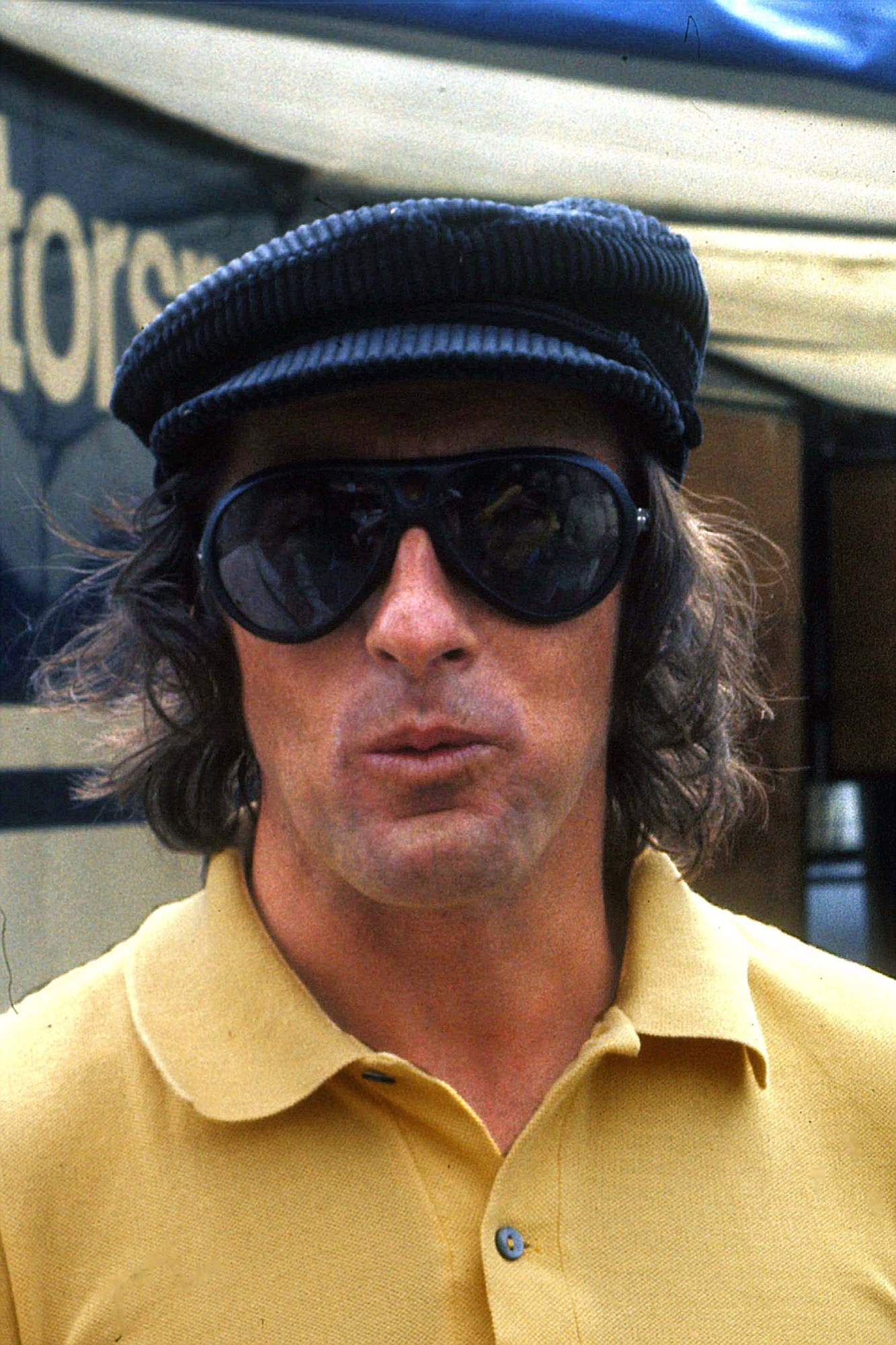
Sir Jackie Stewart is the Scottish racing driver who won the Formula One World Championship in 1969, 1971 and 1973 and retired with a record 27 Grand Prix wins from 99 starts. Born John Young Stewart on 11 June 1939, he is looked up as much for his work away from the cockpit: the safety campaign that followed his crash at Spa in 1966, Stewart Grand Prix, the Ford-backed team he ran with his son Paul from 1997 to 1999, and Race Against Dementia, the charity he set up in 2016 after his wife Helen fell ill. As of October 2026 he is 87; in September he waved the green flag at the 6 Hours of Fuji for the charity.
Early life: the Dumbarton garage, dyslexia and shooting
Jackie Stewart grew up around his father’s garage in Dunbartonshire, Scotland, and left school at 15, failing lessons because of dyslexia that nobody had diagnosed. Formula 1’s Hall of Fame entry gives his birth as 11 June 1939 in Dumbartonshire, Scotland, and says his father owned a garage business. Motor Sport’s driver database adds that his father had raced motorcycles as an amateur. In December 1973 Sports Illustrated put it more bluntly: he “dropped out of school at the age of 15 to pump gas at his father’s filling station in Dumbarton”.
His brother Jimmy Stewart
His elder brother Jimmy raced first. Motor Sport records that Jimmy drove for Ecurie Ecosse in the 1950s, ran sixth in the 1953 British Grand Prix before crashing out, and gave up racing after injuring his arm in 1955 to run the family business. Their mother had seen enough. Sports Illustrated wrote that she “would have none of it, having seen her older son hurt too often, so Jackie first raced anonymously, under the nom-de-course of A.N. Other.”
When was Jackie Stewart diagnosed with dyslexia?
He was 41. The Yale Center for Dyslexia & Creativity’s profile quotes him on his schooldays: “Everyone was saying I was dumb, stupid and thick, and in the absence of another explanation, I started to believe they must be right.” The same profile quotes him saying he still cannot recite the alphabet beyond the letter P, while he could recall “every single gear change and braking distance required to negotiate the 187 corners” of the old Nürburgring. He is president of Dyslexia Scotland, which lists him as “former world champion Formula One racing driver Sir Jackie Stewart OBE”. The Yale profile credits the charity’s lobbying with making Scotland the first country to require training in learning disabilities for all new teachers.
Clay pigeon shooting and the 1960 Olympics
Before cars, Stewart was a marksman. Formula 1’s Hall of Fame says he took up clay pigeon shooting as a teenager and “became one of the best shots in Britain”, and Motor Sport says he was unlucky not to be picked for the British team at the 1960 Olympic Games in Rome. The Yale profile says he still calls his first shooting championship his biggest victory of all.
How did Jackie Stewart start racing?
Stewart started in club races in 1961, in a Marcos owned by Barry Filer, a customer of the family garage, and won races in Scotland that year. Motor Sport’s database then lists the steps: a test in a Jaguar E-type at Oulton Park in 1962 that impressed onlookers, and an invitation from Ecurie Ecosse to drive its Tojeiro-Buick at Charterhall on 30 June 1963, which he won first time out. He added 13 more wins that season.
Formula 3 (F3) with Ken Tyrrell
Ken Tyrrell signed him for his works-backed Cooper T72-BMC after a test at Goodwood. In Motor Sport’s race-by-race record, Stewart won his Formula 3 debut at Snetterton in 1964 by 44 seconds from John Fenning, won the F3 support race at Monaco and took six of the next eight rounds of the British championship to win the 1964 title. Formula 1’s Hall of Fame dates the same season to 1963 and says he won seven races in a row; Motor Sport’s dated results put it in 1964.
Formula 2 (F2) and a first Formula One race
He made his Formula 2 debut at Clermont-Ferrand in July 1964, finishing second in Ron Harris’s semi-works Lotus 32-Cosworth. His first Formula One race came that December at the non-championship Rand Grand Prix at Kyalami, standing in for Jim Clark, who had slipped a disc: he retired on the opening lap of the first heat, then came from the back of the grid to win the second. Lotus offered him a Grand Prix seat for 1965. He chose BRM, as Graham Hill’s team-mate.
BRM years: the first Grand Prix wins
Stewart drove for BRM for three seasons, won two championship Grands Prix and finished third in his first world championship. Formula1.com’s 1965 standings give him 33 points behind Jim Clark and Graham Hill. He was sixth on his debut in South Africa on 1 January 1965, won the International Trophy at Silverstone, finished second behind Clark in Belgium, France and the Netherlands, and won the Italian Grand Prix at Monza on 12 September after Hill made a slight mistake.
Monaco and the Tasman Series in 1966
He opened 1966 by winning the Tasman Series for BRM, with victories at Wigram, Teretonga, Sandown Park and Longford (Motor Sport). On 22 May he won the Monaco Grand Prix in an underpowered 2-litre BRM P261. The new BRM P83, with its 3-litre H16 engine, kept breaking, and Stewart finished the 1966 championship seventh.
The Indianapolis 500 and Fuji in 1966
A week after Monaco he drove John Mecom’s Lola T90-Ford in the Indianapolis 500. The Indianapolis Motor Speedway’s record shows he started 11th, led 40 laps and dropped out with falling oil pressure after 190 of the 200 laps, classified sixth and paid $25,767. He was named rookie of the year. He returned in 1967 and retired after 168 laps with engine failure. In October 1966, says the FIA World Endurance Championship, he won the Fuji 200, the first American open-wheel race held in Japan, in the same Lola.
The crash at Spa-Francorchamps in 1966
On the first lap of the 1966 Belgian Grand Prix a cloudburst sent half the field off the road, and Stewart’s BRM ended up in a ditch near the Masta Kink. Motor Sport records that he was trapped in the overturned car for 25 minutes, lying in a pool of fuel, until Graham Hill and Bob Bondurant, who had also crashed, freed him. There were no marshals near and the ambulance got lost on the way to hospital. “As it turned out I only had a broken collar bone,” he told Formula 1, “but it was simply ridiculous. Here was a sport that had serious injury and death so closely associated with it, yet there was no infrastructure to support it, and very few safety measures to prevent it. So, I felt I had to do something.” The accident cost him the French Grand Prix and, says the WEC, a Ford GT40 drive at that year’s Le Mans.
1967: one finish in the top two
With Hill gone to Lotus, Stewart led BRM in 1967, but his only finishes were second in Belgium, driving one-handed while he held the gear lever in place, and third in France. He won Formula 2 races at Karlskoga, Enna-Pergusa and Albi in a Tyrrell-entered Matra and shared the second-placed Ferrari 330P4 in the Brands Hatch Six Hours. Two years earlier he had raced at Le Mans once, finishing tenth with Hill in the gas-turbine Rover-BRM.
Matra and Ken Tyrrell: the 1969 world title
Ken Tyrrell took his Matra International team into Formula One in 1968 with Stewart in a Ford-engined Matra, and the pair won the world championship in their second season. In April 1968 Jim Clark was killed in a Formula 2 race at Hockenheim. Stewart broke his right wrist in a Formula 2 race at Jarama, missed two Grands Prix and raced on with the wrist in a plastic splint.
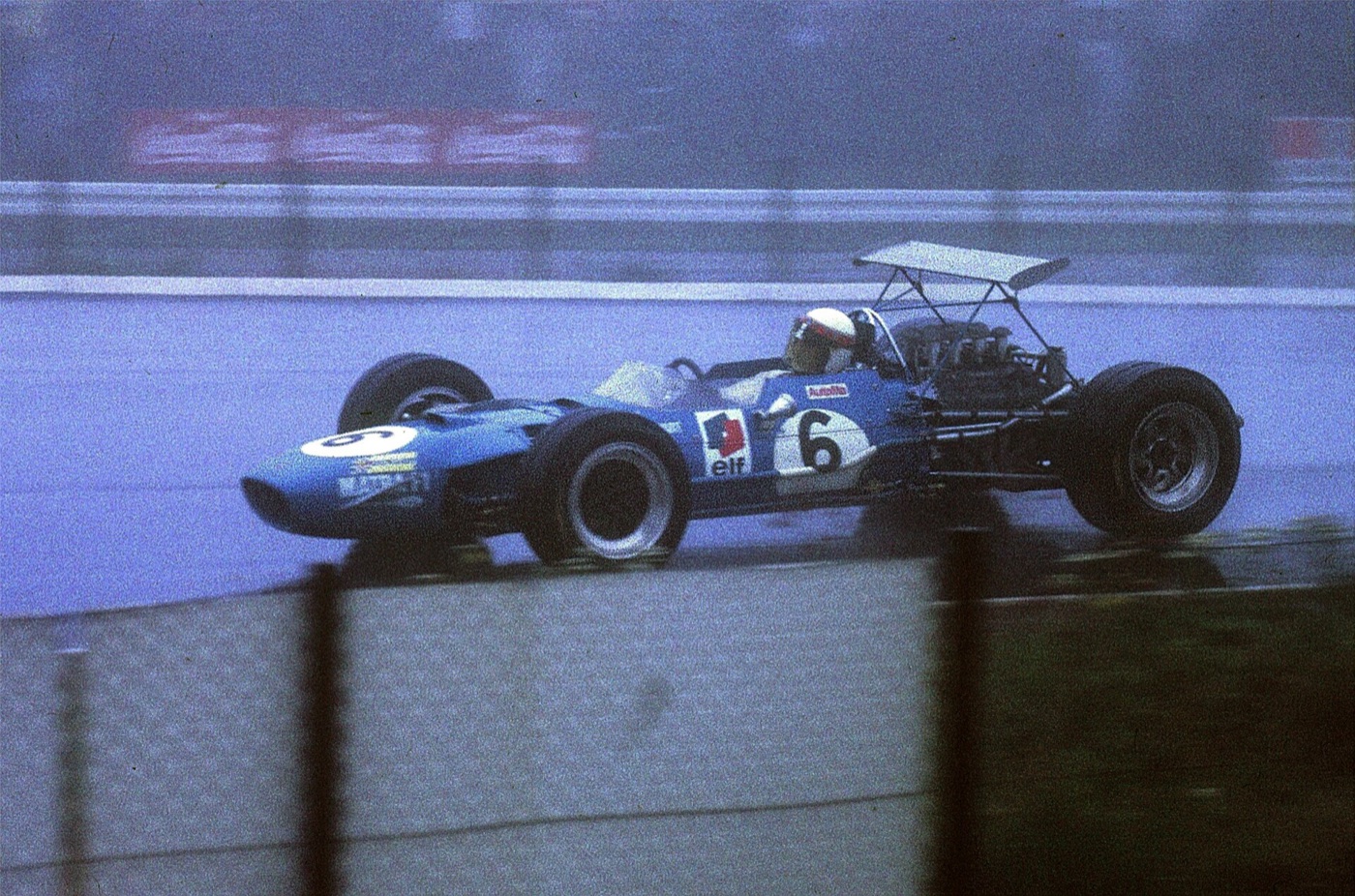
The Nürburgring in fog, 1968
He won the Dutch Grand Prix, then the German Grand Prix at the Nürburgring by more than four minutes. In 2019 Formula 1’s series on its finest drives put that win at number one. Stewart’s own verdict, from his Hall of Fame entry: “In 1968 I won there by over four minutes in thick fog and rain where you could hardly see the road. That race should never have been held, and having won it by such a big margin gave me more credibility when I demanded safety improvements.” A win at Watkins Glen took the title to the last race in Mexico, where a fuel-pump problem left him seventh and Hill champion, 48 points to 36.
The 1969 world championship
In 1969 Stewart won six of the eleven rounds, South Africa in the old MS10 and the rest in the new MS80: South Africa, Spain, the Netherlands, France, Britain and Italy. Motor Sport records that he won the Spanish race at Montjuïc by two laps and lapped the field at Silverstone; he lost Monaco from pole while 30 seconds in the lead. He clinched the title at Monza, beating Jochen Rindt and team-mate Jean-Pierre Beltoise in a slipstreaming finish in which the first four were covered by 0.19 seconds. He scored 63 points to Jacky Ickx’s 37.
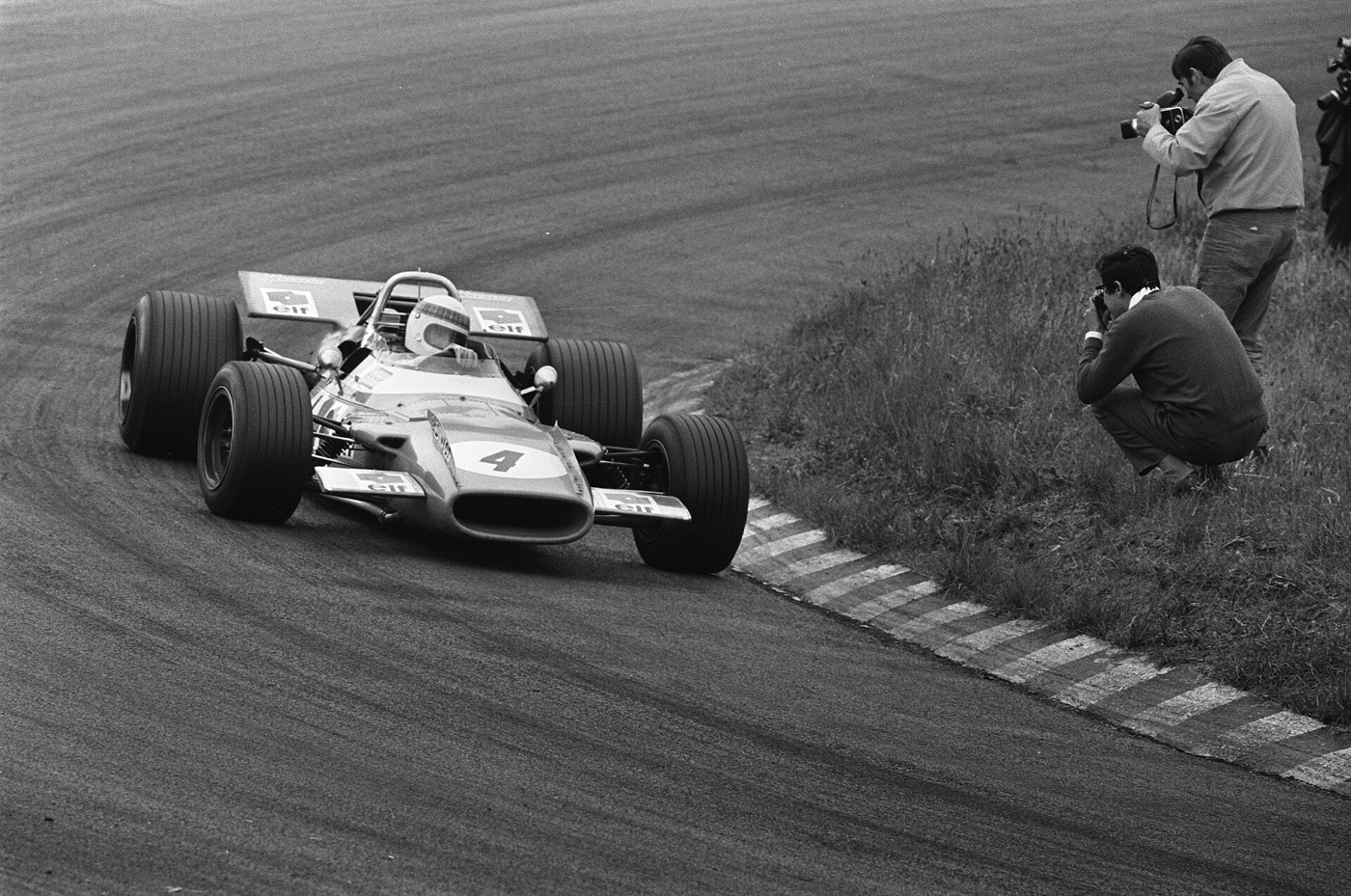
Tyrrell: the 1971 and 1973 titles
Stewart won two more championships with Tyrrell, in 1971 and 1973, in cars the team built for itself. For 1970 Matra wanted its own V12 in the car, so Tyrrell kept the Ford-Cosworth DFV V8 and bought March 701 chassis. Stewart won the Race of Champions and the Spanish Grand Prix in the March, while the team built the Derek Gardner-designed Tyrrell 001 in secret. It started from the front row in all three races it entered that autumn, including pole in Canada.
The 1970 season was also when two of his closest friends died. Piers Courage was killed in the Dutch Grand Prix at Zandvoort on 21 June and Jochen Rindt in practice for the Italian Grand Prix at Monza in September; Rindt became champion after his death.
The 1971 title and Can-Am
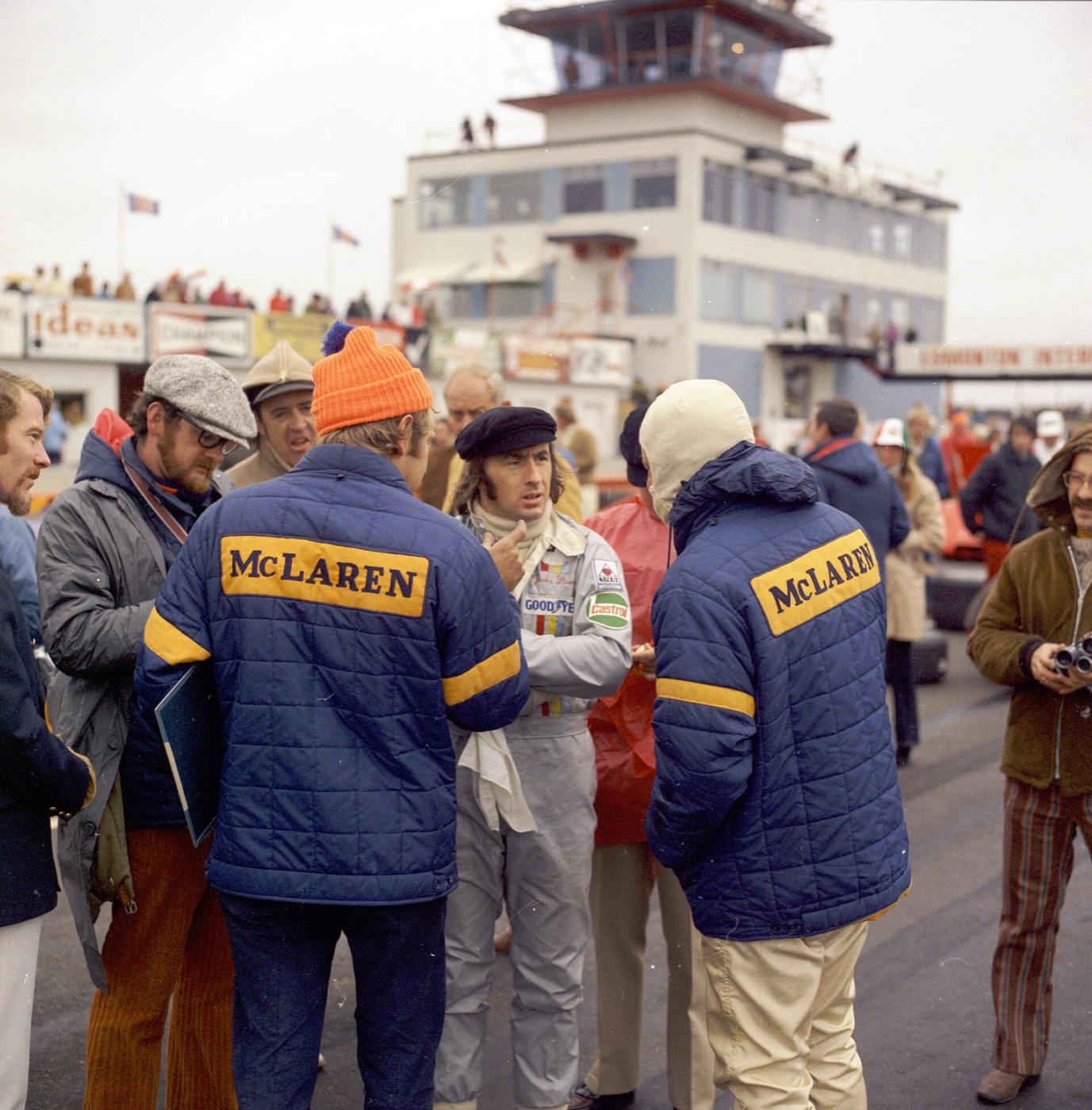
In 1971 the Tyrrell 003 won six Grands Prix (Spain, Monaco, France, Britain, Germany and Canada) and Stewart took the title with three races to spare. François Cevert, his team-mate, won the United States Grand Prix and Tyrrell won the constructors’ title at its first attempt. Stewart also raced Carl Haas’s Lola T260-Chevrolet in the Can-Am series, won at St Jovite and Mosport Park and finished third behind the McLarens of Peter Revson and Denny Hulme. Sports Illustrated counted 21 race starts and nine wins that year and put his earnings above $825,000.
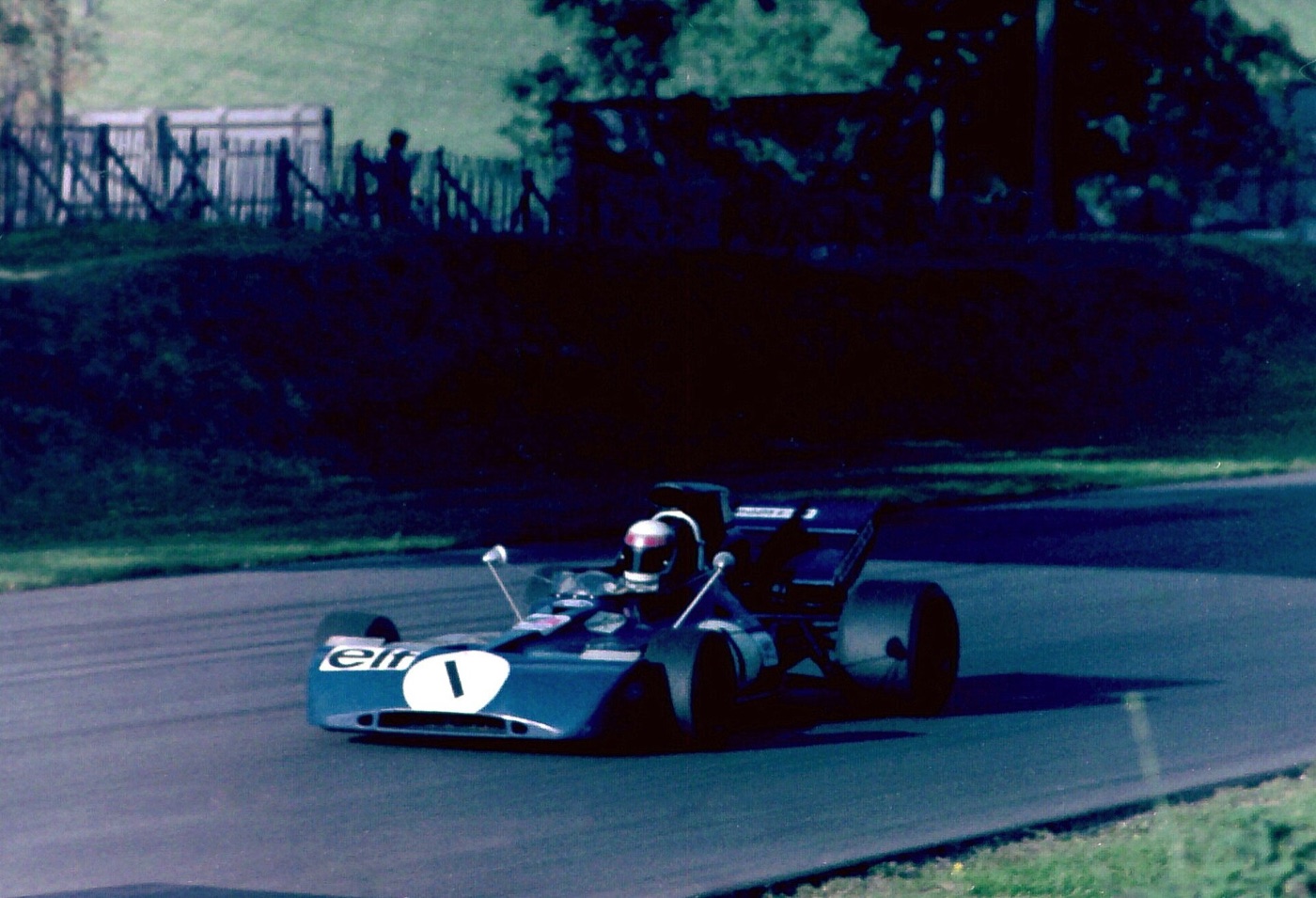
1972: an ulcer and second place
Stewart won the opening race in Argentina, then a bleeding ulcer kept him out of a car for a month, according to Sports Illustrated, and he missed the Belgian Grand Prix. He came back to win in France, Canada and the United States, too late to stop Emerson Fittipaldi, who took the title by 61 points to 45.
Why did Jackie Stewart retire? The 1973 season
He decided early in the season and told almost nobody. “In April I made the decision to retire at the end of this season, win or lose,” he told Sports Illustrated. “I decided not to tell Helen or anyone else.” In the same interview he listed the friends racing had already killed: “Jimmy Clark, Joe Schlesser, Lorenzo Bandini, Jerry Birrel, Mike Spence, Ludovico Scarfiotti, Bruce McLaren, Piers, Jochen, Jo (Seppi) Siffert, Jo Bonnier, even Pedro Rodriguez”.
He won in South Africa, Belgium and Monaco, then took his 26th win at Zandvoort on 29 July, one more than Clark’s 25, and his 27th and last at the Nürburgring on 5 August. Motor Sport records that he clinched the title at Monza by recovering from a puncture to finish fourth. His last race was the Canadian Grand Prix on 23 September, where he was fifth. Cevert was killed in practice for the United States Grand Prix at Watkins Glen, and Tyrrell withdrew both cars, so what would have been Stewart’s 100th Grand Prix never took place.
How many races did Jackie Stewart win? Results by season
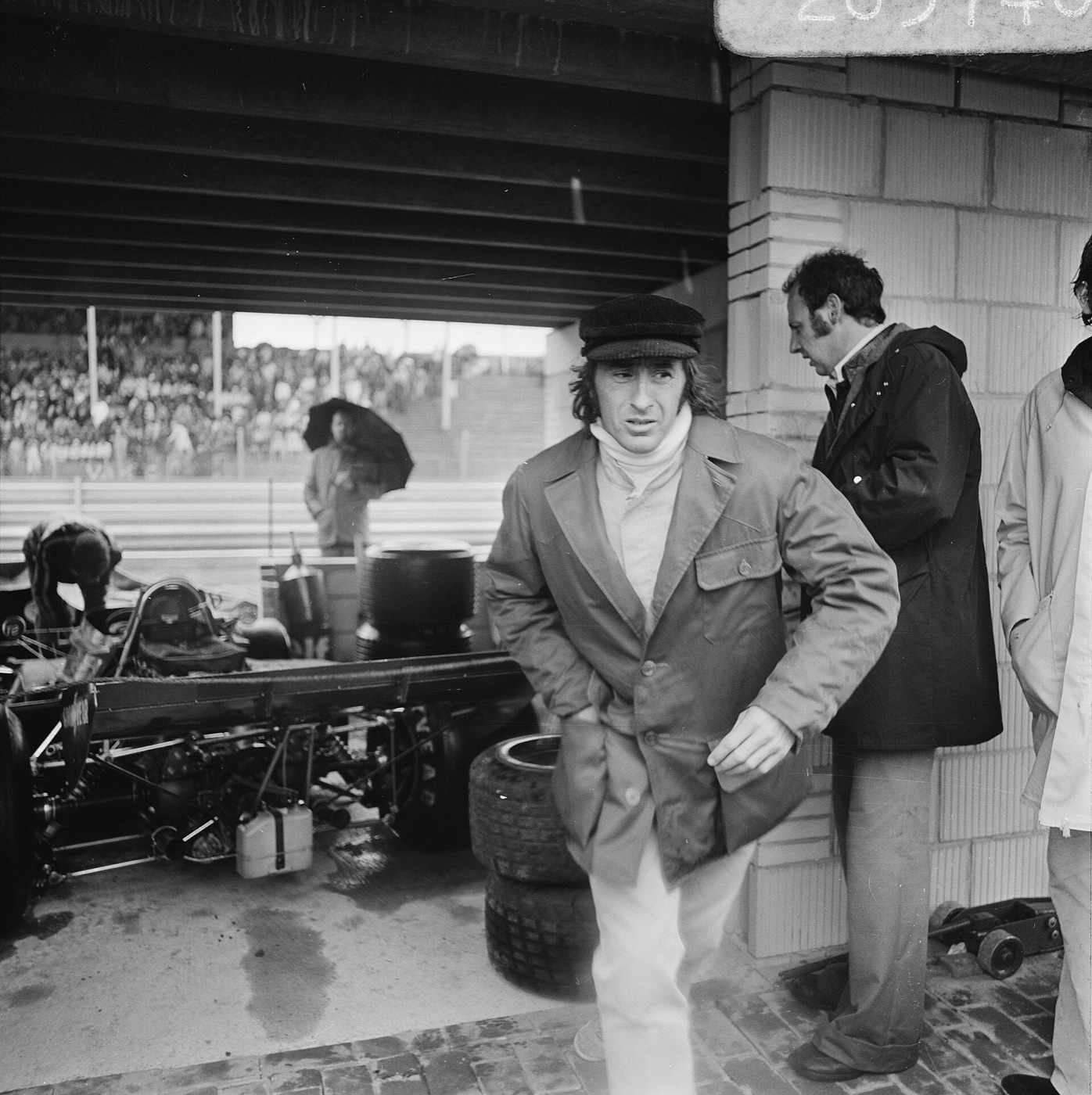
Jackie Stewart won 27 of his 99 World Championship Grands Prix, finished on the podium 43 times and took 17 pole positions. He won Monaco three times (1966, 1971 and 1973) and the German Grand Prix at the Nürburgring three times (1968, 1971 and 1973).
| Season | Team | Starts | Wins | Podiums | Poles | Points | Championship |
|---|---|---|---|---|---|---|---|
| 1965 | BRM | 10 | 1 | 5 | 0 | 33 | 3rd |
| 1966 | BRM | 8 | 1 | 1 | 0 | 14 | 7th |
| 1967 | BRM | 11 | 0 | 2 | 0 | 10 | 9th |
| 1968 | Matra-Ford | 10 | 3 | 4 | 0 | 36 | 2nd |
| 1969 | Matra-Ford | 11 | 6 | 7 | 2 | 63 | 1st |
| 1970 | Tyrrell (March and Tyrrell cars) | 13 | 1 | 4 | 4 | 25 | 5th |
| 1971 | Tyrrell-Ford | 11 | 6 | 7 | 6 | 62 | 1st |
| 1972 | Tyrrell-Ford | 11 | 4 | 5 | 2 | 45 | 2nd |
| 1973 | Tyrrell-Ford | 14 | 5 | 8 | 3 | 71 | 1st |
| Total | 99 | 27 | 43 | 17 | 359 | 3 titles |
The 27 wins stood as the record until Alain Prost won his 28th at the 1987 Portuguese Grand Prix. Stewart was also the only British driver with three world titles until Lewis Hamilton won his third in 2015, after 2008 and 2014 (Formula1.com’s 2015 standings).
Driver safety: the campaign for safer circuits
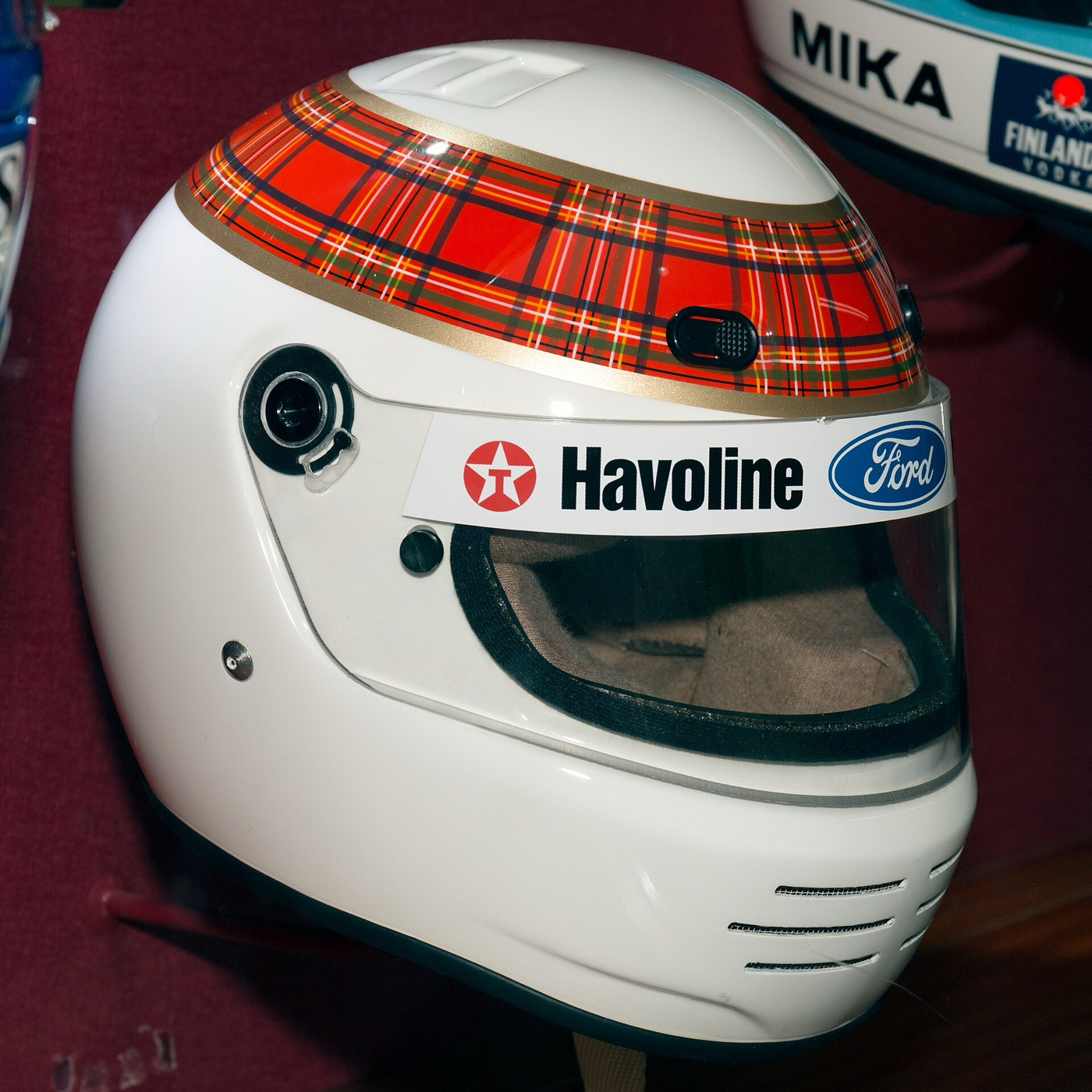
After Spa, Stewart pressed for full-face helmets, seat belts, a medical unit that travelled to every race, crash barriers and run-off areas, and in 1969 he led the drivers’ boycott of Spa. Formula 1’s Hall of Fame credits him with introducing full-face helmets and seat belts for drivers and with helping develop the Grand Prix medical unit. It also gives the odds he was racing against: in one period of his career, a driver who raced for five years had a two-in-three chance of being killed. Its verdict is that his campaign “eventually saved countless lives in what had been the deadliest sport in the world”. By 1967, Motor Sport’s Paul Fearnley wrote in 2019, Stewart had taped a spanner inside his cockpit so the steering wheel could be removed in a hurry.
The Belgian Grand Prix boycott of 1969
There was no Belgian Grand Prix in 1969. Fearnley’s account in Motor Sport explains why: Spa’s officials refused the alterations Stewart asked for, saying the notice was too short, and the Grand Prix Drivers’ Association, which Stewart led and which was “far from united”, withdrew its labour. Denis Jenkinson answered in his Continental Notes column in Motor Sport’s May 1969 issue: “I have always thought that one of the enduring features of a Grand Prix driver was that he has GUTS and would accept a challenge that normal people like you and I would not be brave enough to face; now I am not sure.” He accused Stewart of “milk-and-water thinking”.
Stewart remembered the criticism in his Hall of Fame interview: “It was said I removed the romance from the sport, that the safety measures took away the swashbuckling spectacular that had been. They said I had no guts. But not many of these critics had ever crashed at 150 miles an hour.”
Broadcasting, Ford and business after 1973
Stewart never raced again after 1973. He earned his living as a television commentator and as a paid ambassador for companies, above all the Ford Motor Company. Sports Illustrated reported in December 1973 that he would travel as a product and safety spokesman for Ford and Goodyear and do television commentary, and that he was already taking more than $850,000 a season out of the sport from endorsements, appearances and television work.
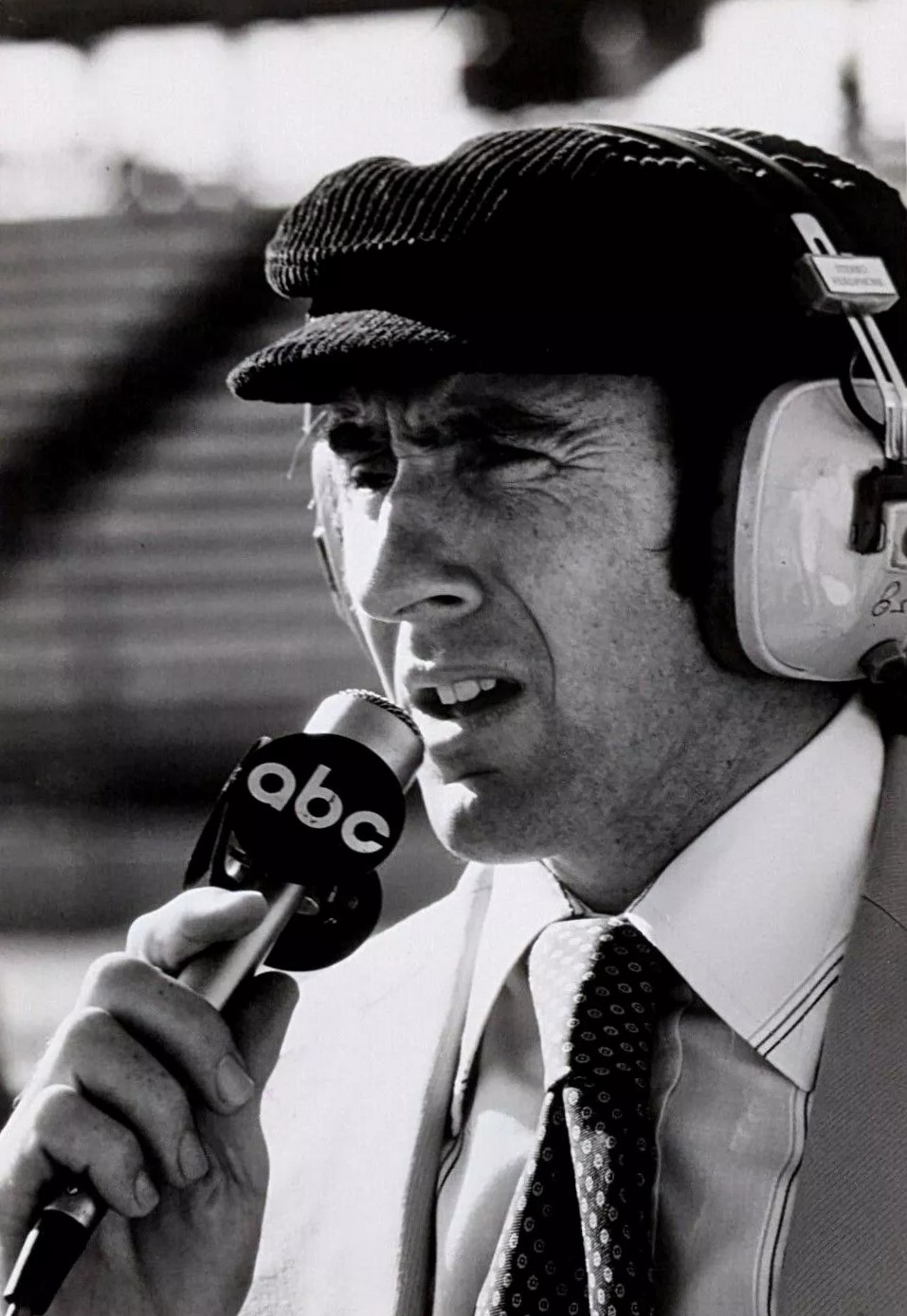
His television work had started while he was still racing. Formula 1’s Hall of Fame recalls that in 1971 he co-hosted the ABC network’s live coverage of the Monaco Grand Prix: he spoke to the camera from pole position on the grid, then pulled off his helmet at the finish to explain how he had won. He kept offices in London, New York and Switzerland. Motor Sport lists Rolex and Ford among the companies he worked for and his commentary work on American television. A SkiddMark report from March 2011 named the Royal Bank of Scotland, Ford, Rolex and the Lotus Renault team (through Genii Business Exchange) as brands he then represented.
Paul Stewart Racing
He went back into team ownership through his elder son. Paul Stewart Racing ran Paul in the junior formulae and, by Motor Sport’s count, won the British Formula 3 Championship six times between 1992 and 1998.
Stewart Grand Prix
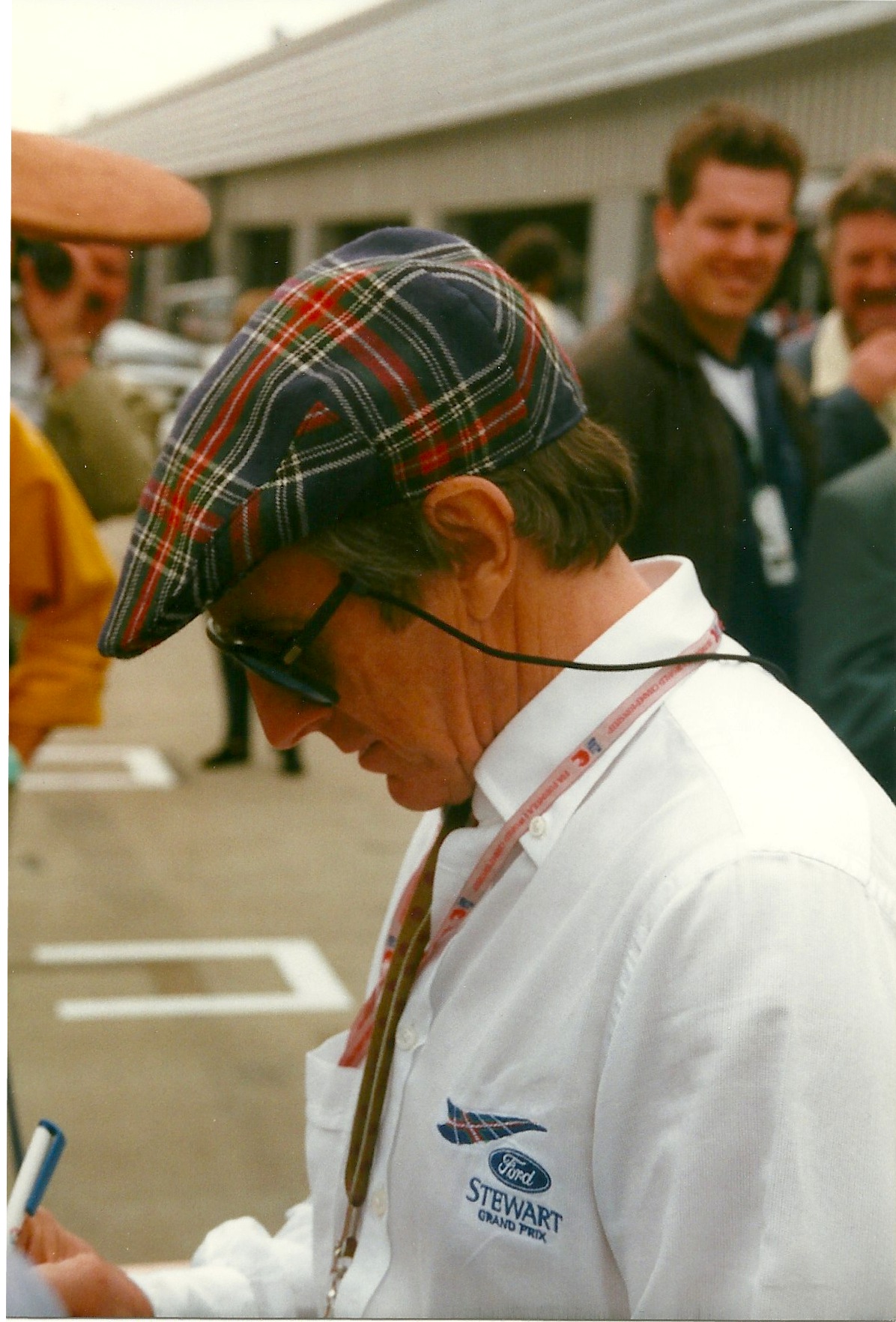
Stewart Grand Prix was the Formula One team Jackie and Paul Stewart ran with Ford backing for three seasons; it won one race before Ford bought it and renamed it Jaguar Racing. Its best day was the 1999 European Grand Prix at the Nürburgring, where Johnny Herbert won and Rubens Barrichello finished third.
| Season | Drivers | Points | Constructors’ position | Podiums |
|---|---|---|---|---|
| 1997 | Rubens Barrichello, Jan Magnussen | 6 | 9th | 2nd at Monaco (Barrichello) |
| 1998 | Rubens Barrichello, Jan Magnussen, Jos Verstappen | 5 | 8th | None |
| 1999 | Rubens Barrichello, Johnny Herbert | 36 | 4th | Win at the Nürburgring (Herbert); 3rd at Imola, Magny-Cours and the Nürburgring (Barrichello) |
Barrichello also took the team’s only pole position, at the 1999 French Grand Prix. Motor Sport records that the team was sold to Ford at the end of 1999, raced as Jaguar Racing and was bought by Red Bull in 2005.
Honours: OBE, knighthood and Sportsman of the Year
Stewart was appointed OBE in the 1972 New Year Honours and knighted in the 2001 Birthday Honours, both times “for services to Motor Racing”. The OBE appears in the supplement to The London Gazette of 1 January 1972, and the knighthood among the Knights Bachelor in the Gazette supplement of 15 June 2001, where he is listed as “John Young Stewart, O.B.E.”
Sports Illustrated named him its Sportsman of the Year for 1973, ahead of the racehorse Secretariat and the American footballer O. J. Simpson, for “a marvelous physical talent; the intelligence and perspective to be an eminent spokesman for auto racing; and the discipline to retire at the peak of his career”. The University of Stirling gave him an honorary degree in 2001.
Race Against Dementia and Lady Helen’s illness
Race Against Dementia is the research charity Stewart founded in 2016 after his wife, Lady Helen, was diagnosed with frontotemporal dementia; by August 2026 it had raised more than £20 million. The Companies House record shows it was incorporated on 27 January 2016, and the charity’s site gives its registered charity numbers in England and Wales (1165559) and Scotland (SC052594). The FIA WEC’s announcement of August 2026 says it had funded 88 researchers and more than 50 projects across five continents. His younger son Mark chairs the trustees.
How the charity works
The charity gives early-career scientists five-year fellowships. “We give them five year fellowships,” Mark Stewart told Speedcafe at a dinner during the 2026 Australian Grand Prix, where more than 400 guests gave about A$500,000 and Dementia Australia matched it. Speedcafe describes it as an official Formula 1 charity. In July 2026 it chose its first AI Innovation Fellow, the mathematician Dr Alex Smith, with the UK Dementia Research Institute, Asia Times reported. At Fuji in September 2026, 60 years after his Fuji 200 win, Stewart waved the green flag at the start of the WEC race.
Lady Helen Stewart
Jackie and Helen Stewart married in 1962: the University of Stirling marked their 64th anniversary on 28 August 2026. They have two sons, Paul and Mark. Sources differ on the year of her diagnosis. Stewart told the WEC in 2026 that Helen was diagnosed in 2014; the University of Stirling gives 2012. Stirling says its dementia design specialist Professor Lesley Palmer worked with Fiona Pia Architects to adapt the couple’s apartment on Lake Geneva, the first apartment in mainland Europe to gain the university’s Gold Dementia Design Audit Accreditation. “During my motor racing career, Helen was my timekeeper and my lap charter and she was the best,” Stewart said in the university’s announcement.
Jackie Stewart’s health
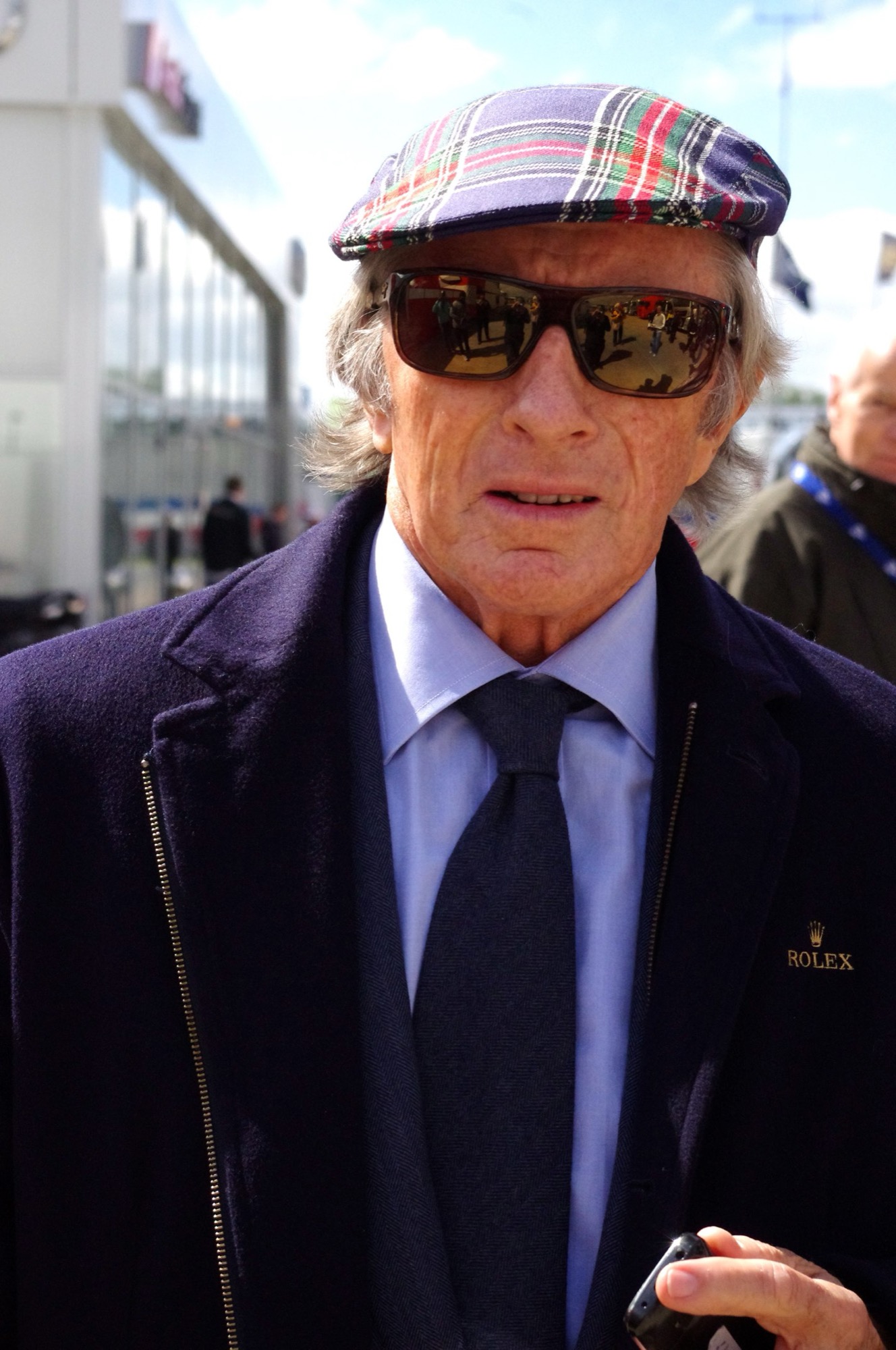
The injuries and illnesses in the record are the 1966 Spa crash, a broken wrist in 1968, a stomach ulcer in 1972 and a collapse on a flight in 2011. At Spa he broke his collarbone and, in Fearnley’s account, ribs. The wrist was broken in a Formula 2 race at Jarama in 1968. The ulcer of 1972 bled and cost him a month out of the car.
The 2011 flight from Geneva
On 2 March 2011, returning from the Geneva motor show, Stewart, then 71, had chest pains and passed out on British Airways flight BA727 to Heathrow. Channel 4 News reported that the crew asked for a priority landing and that paramedics took him to Hillingdon Hospital. By 4 March he was home. “All his vital organs are okay,” his son Paul told the BBC, as quoted by GrandPrix.com; “it wasn’t a heart attack or anything like that.” SkiddMark’s report at the time quoted Paul saying his father had been taken to hospital as a precaution.
The Flying Scot: films and documentaries
The fullest film of his life is Jackie Stewart: The Flying Scot, a 90-minute documentary produced by his younger son Mark and first shown on BBC Four on Saturday 11 April 2009, two months before his 70th birthday. The BBC’s programme page lists contributions from Niki Lauda, Emerson Fittipaldi, Sean Connery, Murray Walker and Edsel Ford, and the last interview Ken Tyrrell gave; it uses family photographs, home movies and the scrapbooks Lady Helen kept of his career. SkiddMark’s 2009 preview named the director as Mark Craig and quoted Fittipaldi on the sideburns: “Jackie has sideburns and he’s going fast, I have to have bigger ones to go even faster than him!”
Questions
Is Jackie Stewart still alive?
Yes. As of October 2026 Sir Jackie Stewart is alive and 87. In September 2026 he waved the green flag at the 6 Hours of Fuji in Japan for his charity, Race Against Dementia.
How old is Jackie Stewart?
He was born on 11 June 1939, so he turned 87 in June 2026.
How many world championships did Jackie Stewart win?
Three: 1969 with Ken Tyrrell’s Matra-Ford team, then 1971 and 1973 in Tyrrell-Fords. He was also runner-up in 1968 and 1972.
Who was Jackie Stewart’s team-mate killed in 1973?
François Cevert, his Tyrrell team-mate, was killed in practice for the 1973 United States Grand Prix at Watkins Glen. Tyrrell withdrew, and Stewart retired without starting what would have been his 100th Grand Prix.
Is Jackie Stewart a knight?
Yes. He was knighted in the Birthday Honours of June 2001 for services to motor racing, and had been appointed OBE in the 1972 New Year Honours.
Where does Jackie Stewart live?
In Switzerland. The University of Stirling’s 2026 announcement describes the Stewarts’ apartment on Lake Geneva, adapted for Lady Helen’s dementia.
Who bought Stewart Grand Prix?
Ford bought the team at the end of 1999 and ran it as Jaguar Racing from 2000; Red Bull bought it in 2005 and it became Red Bull Racing.
Did Jackie Stewart race at Le Mans?
Once, in 1965, sharing the gas-turbine Rover-BRM with Graham Hill; they finished tenth. His 1966 crash at Spa kept him out of a Ford GT40 drive there that year.
Sources
- Formula 1, “Hall of Fame: Jackie Stewart”: birth, schooling, shooting, the Spa crash and his quotes on it, the 1968 Nürburgring, safety measures and their critics, ABC at Monaco in 1971, the sale of Stewart Grand Prix.
- Formula 1, “Jackie Stewart at 80: the legend, his greatest drive, and the man himself”, June 2019: the 1968 Nürburgring win ranked first in its series on F1’s finest drives.
- Motor Sport, “Jackie Stewart” driver database biography: family, Jimmy Stewart, the 1960 Olympics, club racing 1961–63, Formula 3 and Formula 2 in 1964, the Rand GP, each F1 season, Tasman and Can-Am wins, the 1972 ulcer, Paul Stewart Racing, Stewart Grand Prix and its sale.
- Formula1.com, season results 1965–1973, 1997–1999, 2008, 2014 and 2015: championship points and positions, race winners, constructors’ standings, Hamilton’s titles.
- Jolpica F1 (Ergast) results database, queried 28 October 2026: starts, podiums and poles by season, dates of the 26th and 27th wins and the last start, Prost’s 28th win, Clark’s 25 wins, Stewart Grand Prix drivers and podiums.
- Sports Illustrated, “Sportsman of the Year” and “Leaving with love, and the loot”, 24 December 1973: the award and citation, leaving school at 15, A.N. Other, 1971 starts and earnings, the 1972 ulcer, the April 1973 decision to retire, the list of friends killed, Ford and Goodyear.
- Indianapolis Motor Speedway, “Jackie Stewart: Indianapolis 500 career”: 1966 and 1967 starts, laps, laps led, finishes and prize money.
- FIA World Endurance Championship, “Racing legend Sir Jackie Stewart to make charity appearance at 6 Hours of Fuji”, August 2026: the 1966 Fuji 200, Le Mans 1965, the missed 1966 Le Mans, Race Against Dementia’s figures, the 2014 diagnosis in Stewart’s words, Mark Stewart’s role.
- Paul Fearnley, “The 1969 Belgian Grand Prix that never happened”, Motor Sport, 29 August 2019: the boycott, the GPDA, Denis Jenkinson’s May 1969 column, the spanner, the 1966 and 1968 injuries.
- The London Gazette, supplement of 1 January 1972, p. 12: OBE “for services to Motor Racing”.
- The London Gazette, No. 56237, supplement of 15 June 2001, p. B1: Knight Bachelor “for services to Motor Racing”.
- University of Stirling, “Dementia expert helps transform living spaces for Sir Jackie Stewart’s wife Lady Helen”, 28 August 2026: the 2012 diagnosis date, the apartment and its award, the 64th anniversary, the 2001 honorary degree, Stewart’s quote.
- Companies House, Race Against Dementia, company 09973676: incorporated 27 January 2016.
- Race Against Dementia, home page: founder, charity numbers 1165559 and SC052594.
- Speedcafe, “Stewart family fight against dementia grows in Australia”, 2026: the Melbourne dinner, five-year fellowships, official F1 charity.
- Asia Times, “Sir Jackie Stewart brings his race against dementia to Japan”, September 2026: the Fuji green flag, the AI Innovation Fellowship.
- Yale Center for Dyslexia & Creativity, “Sir Jackie Stewart, World-Champion Race Car Driver”: diagnosis at 41, schooldays quotes, shooting.
- Dyslexia Scotland, “About Dyslexia Scotland”: Stewart as president.
- Channel 4 News, “Jackie Stewart taken ill on flight from Geneva”, 2 March 2011: the flight, priority landing and hospital.
- GrandPrix.com, “Stewart resting at home”, 4 March 2011 (archived): Paul Stewart’s statement to the BBC.
- BBC Four, Jackie Stewart: The Flying Scot, programme page: the documentary’s producer and contributors.
- SkiddMark, “Jackie Stewart: The Flying Scot” (10 April 2009): broadcast time, length, director and Fittipaldi’s quote; “Sir Jackie Stewart falls ill whilst flying back to London” (March 2011): ambassador roles and Paul Stewart’s first statement.