Jules Bianchi: career, Ferrari academy years and the Suzuka crash
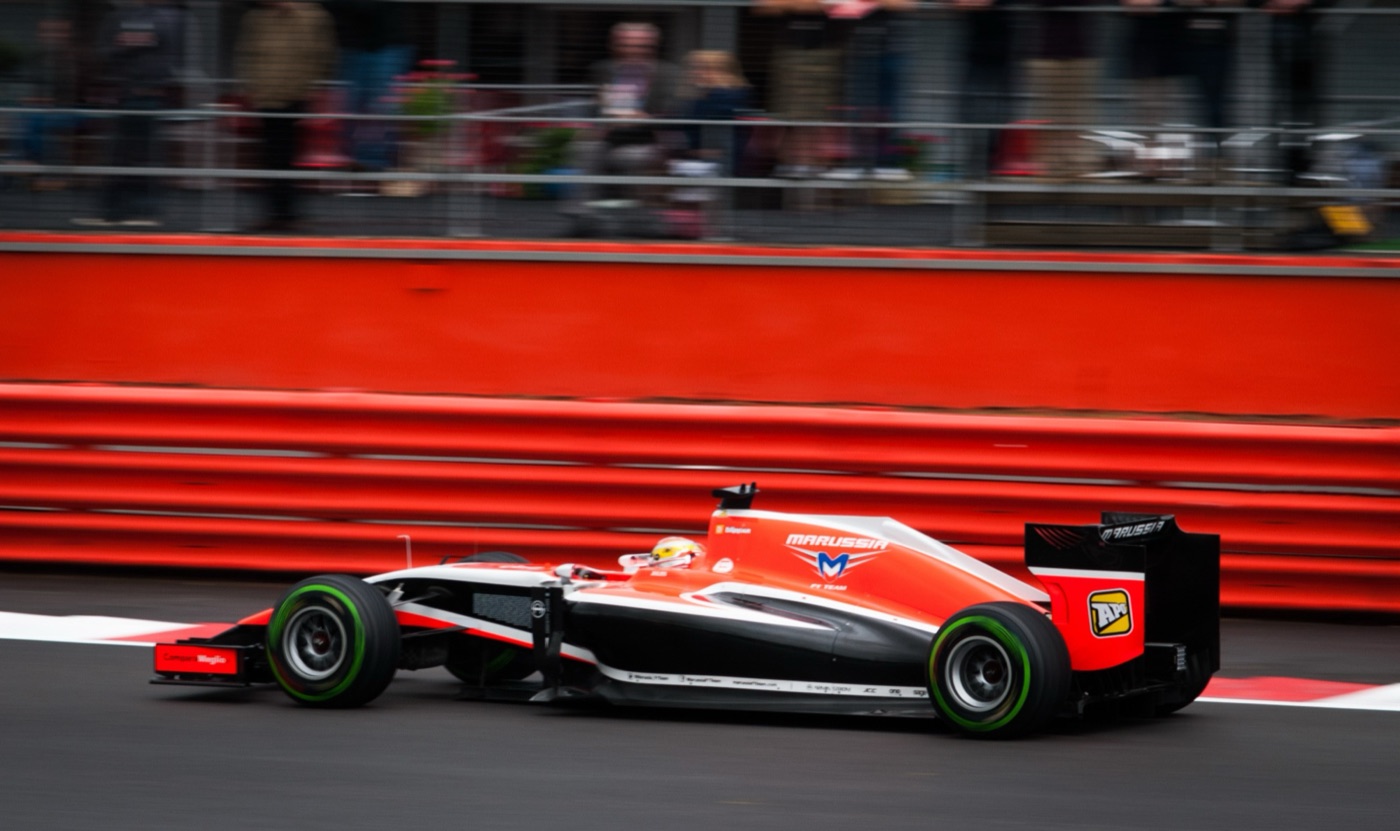
Jules Bianchi, born in Nice, France, on 3 August 1989, was a French racing driver who started 34 Formula One Grands Prix for Marussia in 2013 and 2014, and the first driver Ferrari signed to its Driver Academy. He scored Marussia’s first points with ninth place at the 2014 Monaco Grand Prix. At the Japanese Grand Prix on 5 October 2014 he slid off the wet track at Suzuka into a recovery crane, and he died of his head injuries in Nice on 17 July 2015, after nine months in a coma, at the age of 25: the first driver to die from injuries suffered at a Grand Prix since Ayrton Senna in 1994, as the BBC reported the day after his death.
SkiddMark interviewed him at Brands Hatch on 5 September 2009, when he was 20, leading the Formula 3 Euro Series and three months from his first Ferrari contract. He had crashed out of race one at Paddock Hill Bend less than an hour before.
Early life and the Bianchi racing family
Bianchi was born in Nice on 3 August 1989, according to StatsF1’s driver record, into a motorsport family that had raced for two generations. His parents are Philippe and Christine; he had a brother, Tom, and a sister, Mélanie, named in the family’s statement of July 2015.
Mauro and Lucien Bianchi
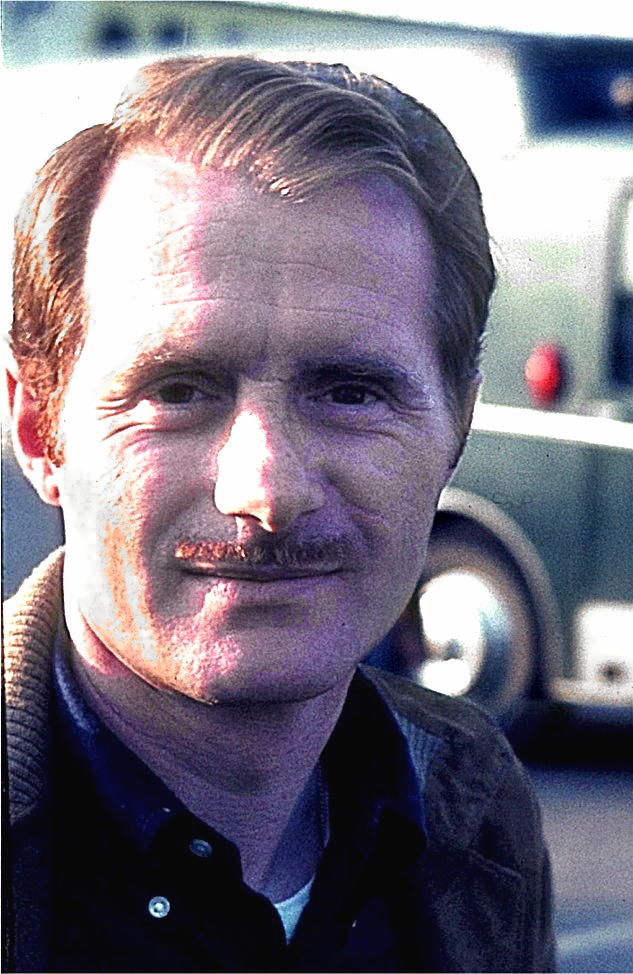
His grandfather Mauro Bianchi raced for Abarth and Alpine (StatsF1). Mauro’s brother, Lucien Bianchi, won the 24 Hours of Le Mans on 29 September 1968 with Pedro Rodríguez in John Wyer’s Ford GT40, and was killed in practice for the race the following year, aged 34, as the Automobile Club de l’Ouest records. Jules told SkiddMark in 2009 that he never met Lucien, “because he died too early”.
Karting at his father’s track
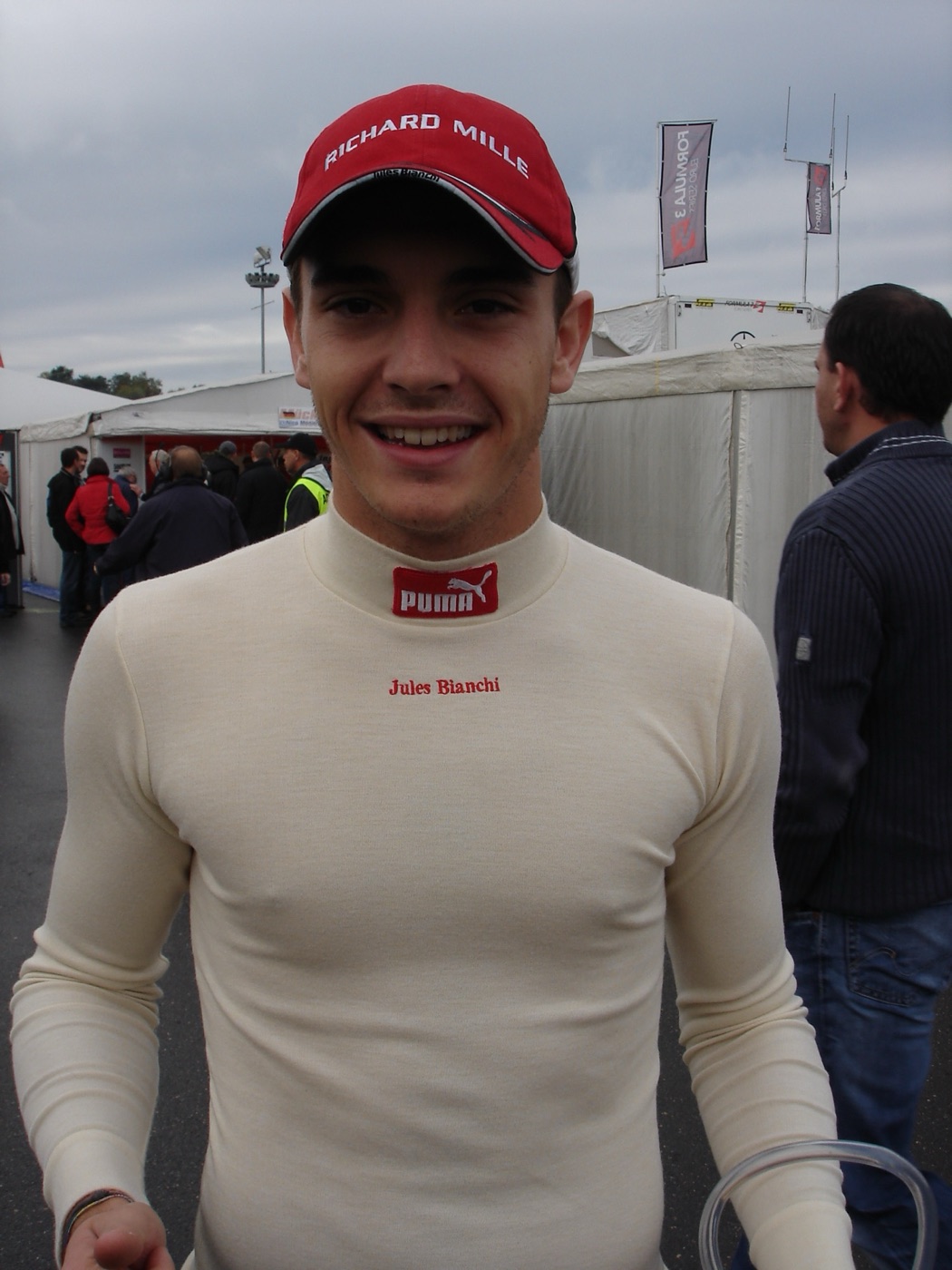
Philippe Bianchi owned a kart circuit, and Jules drove there most days after school. He started karting at three, made it his aim at about ten and was an official Maranello kart team driver at 15, as he told SkiddMark in September 2009. Michael Schumacher was his favourite driver of all time, he said in the same interview.
Junior career: Formula Renault to GP2
Bianchi won the first and third championships he entered in cars, then finished third twice in GP2 and second in Formula Renault 3.5. Autosport’s report of his death lists the French Formula Renault title in 2007 and the European Formula 3 title in 2009.
French Formula Renault champion
He left karting at the end of 2006, when he signed with Nicolas Todt as his manager, and won French Formula Renault 2.0 at his first attempt in 2007. StatsF1 notes that Alain Prost had done the same.
Formula 3 Euro Series with ART
ART Grand Prix ran him in the Formula 3 Euro Series from 2008. As a rookie he won a race, finished third overall and won the Masters of Formula 3 at Zolder. For 2009 ART kept him as team leader beside three rookies, Valtteri Bottas, Esteban Gutiérrez and Adrien Tambay, and Bianchi said: “I am part of the best team in the championship and I am aware that I have an advantage, it will be up to me to make the difference” (Autosport, January 2009).
He clinched the title at Dijon in October 2009, with a round to spare. A first-corner pile-up in race two lifted him from seventh to third, and he then passed Mücke’s Sam Bird and Alexander Sims for the victory, according to Autosport’s race report; Christian Vietoris needed to win and finished sixth.
GP2 and the Hungaroring back injury
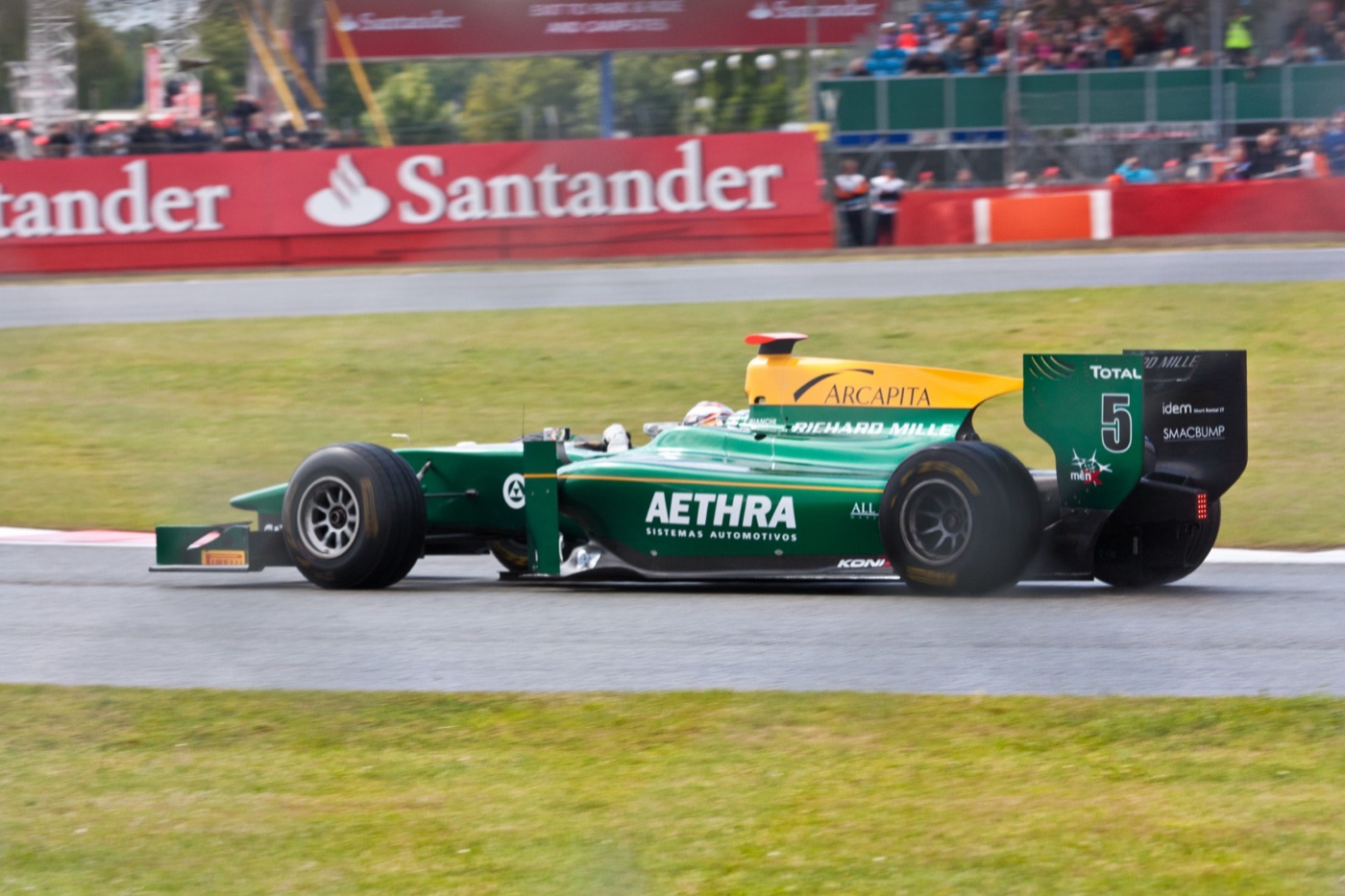
He moved up to GP2 with ART in 2010. At the Hungaroring that July he ran wide at the exit of Turn 1 at the start of the feature race, spun across the track and was hit head-on by Ho-Pin Tung’s DAMS car, fracturing his second lumbar vertebra (Autosport, 31 July 2010). Ferrari’s statement of 3 August, his 21st birthday, reprinted by SkiddMark in 2010, said he had got out of bed and taken his first steps at the AEK Hospital in Budapest. He was back racing at Spa within four weeks, fourth in the championship (Autosport, 26 August 2010), and finished the season third.
In February 2011 he won his first GP2 race, the GP2 Asia feature race at Abu Dhabi, ahead of Romain Grosjean (Autosport, 12 February 2011). He finished the 2011 main series third again, one point behind Luca Filippi.
Formula Renault 3.5 runner-up to Robin Frijns
For 2012 he raced in Formula Renault 3.5 with Tech 1 Racing beside his Force India duties. Todt told Autosport: “At least nine [grand prix] Fridays is good, but it’s not huge mileage.” A home win sent Bianchi to the Barcelona finale leading the points, where he made a poor start from pole and spun on the Saturday. Of the Sunday race, which decided the title, Formula Scout’s season review judged him “innocent in what happened”. Robin Frijns, a rookie in the category, took the championship.
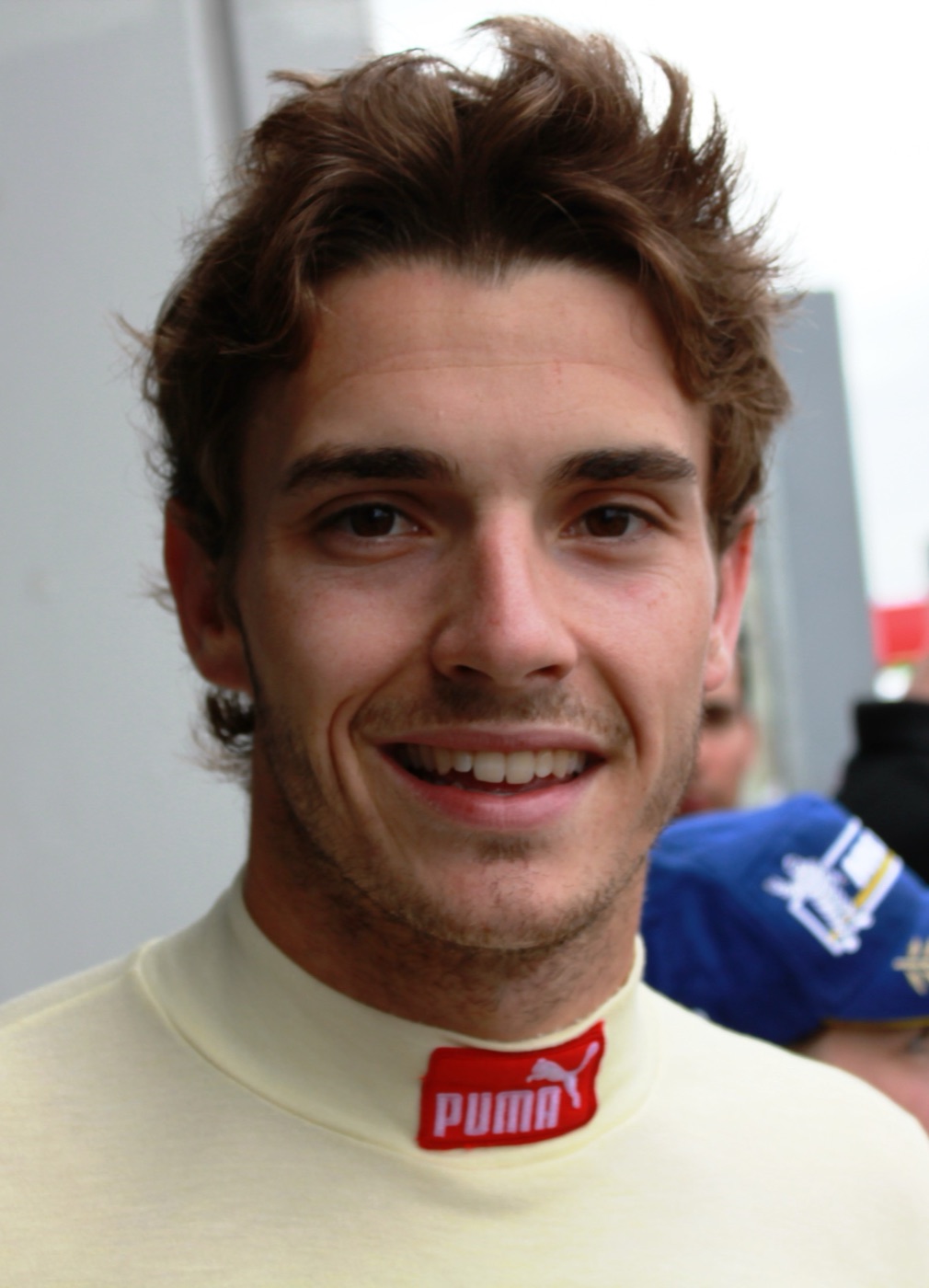
SkiddMark’s interview at Brands Hatch
Rick Osborn interviewed Bianchi for SkiddMark at the DTM and Formula 3 Euro Series meeting at Brands Hatch on 5 September 2009. He had won six races that season and was the runaway points leader. The interview first ran on 23 February 2010, after he had won the title and signed for Ferrari; the quotes below are his, from that afternoon.
The crash at Paddock Hill Bend
A qualifying mistake left him 16th on the grid for race one, although he had been fastest in free practice. He worked his way up behind Tiago Geronimi, in 11th, and tried to pass him around the outside of Paddock Hill Bend; the two cars went through most of the corner side by side, touched on the exit, and the collision put both into the barriers; and the race was red-flagged. Both drivers walked away; Bianchi said his back was slightly sore. Bianchi came back from the medical centre in an ambulance, sat down in the back of the ART truck and talked through it while DTM qualifying ran outside.
“I didn’t really change, you just have to be a bit calmer in cars because if you’re like you are in karting you crash, like today. You saw with Geronimi I was outside, in front of him and he just had to lift and say ‘OK, I’ll lose this place,’ but he didn’t think like that, he just pushed and said ‘I will not let him pass me.’”
Then, with a shrug: “It’s normal, it’s racing.” He added that sometimes a driver has to accept he is slower and wait: “Maybe a driver will crash in front of you and you will finish P8 so tomorrow you will be P1 so you just have to not be crazy on the track.” He did not start race two the next day.
Karting, family and Nicolas Todt
“You know, I started at 3, but at 3 to 13 it’s just for fun because you are young and you just want to have fun. Then I started Formula A in karts, the top class, and I was an official Maranello team driver at 15 years old.”
Of his father’s circuit: “When I was young for sure it helped because to have a kart track it’s a lot better to improve yourself and I was driving every day when I returned from school.” His grandfather Mauro, he said, followed every race and sent him messages: “he teaches me the technique of the car, because he was not just a driver but also an engineer.”
The person he credited most was his manager, Nicolas Todt, son of the FIA president Jean Todt and also manager of Felipe Massa: “We signed a contract at end of 2006 and since then he’s been my manager … It’s a very close relationship and he is like my father of racing.”
Driving style, data and pressure
Asked whether he modelled himself on Prost’s precision or Senna’s aggression, he said: “I don’t really copy a style, I just work a lot with my engineer to look at the data because we work with it a lot to see where we brake, when we apply the throttle and those things.” He named his weak point as the year before, when “I wanted a lot to win so I was wanting to go faster, faster and faster so I would crash.” On carrying the number 1 as favourite: “I have a #1 on the car but this is nothing really, it’s just a number, it’s nothing.”
Formula One plans and Ferrari
That summer the press had linked him with Luca Badoer’s Ferrari race seat. His own plan was to win the F3 title and move to GP2, “normally that’s the plan with my manager”, and he said: “My goal is to be in Formula 1, my dream is to be in Formula 1 also … there are only 20 drivers in F1, so you have to be really perfect and also I have to improve my English.” His dream road car was a Ferrari 599 GTB.
Was Jules Bianchi a Ferrari driver?
Yes, as a junior and test driver: Ferrari signed him in December 2009, made him the first member of its Driver Academy and used him as a test driver, but he never started a race for the Scuderia. His Formula One races were all for Marussia, which used Ferrari engines in 2014.
First recruit of the Ferrari Driver Academy
In the week of his first Formula One test, for Ferrari at Jerez in December 2009, he signed a long-term deal. “From now on, he will be at Ferrari’s disposal,” Todt told Autosport on 2 December 2009. In March 2010 Ferrari added Mirko Bortolotti, Daniel Zampieri and Raffaele Marciello to the academy “alongside first recruit Jules Bianchi” (Autosport, 6 March 2010). Sources differ on the year he joined: Bianchi himself said 2009, while Ferrari’s own report of September 2011 says 2010.
Test driver for Ferrari and reserve for Force India
In 2011 he worked on car development for Ferrari; at Fiorano on 15 September that year he drove 70 laps in the 2009 F60, with a best of 1:00.213. For 2012 Ferrari placed him at Force India as reserve driver, with at least nine Friday practice sessions, the role Nico Hülkenberg had used to earn a race seat (Autosport, January 2012).
Ferrari’s plans for Bianchi
Days before Suzuka in 2014, with Alonso’s future at Ferrari uncertain, Bianchi said: “Of course I feel ready. I have been working on that since I joined the [Ferrari] academy in 2009. Now I have done nearly two seasons in F1. I have good experience and feel ready for that” (Autosport, 2 October 2014). After his death Luca di Montezemolo, president of the Italian team until 2014, told Sky Sport Italia that Bianchi “was the driver who we had picked for the future, once our collaboration with Kimi Räikkönen was to end”, as GPUpdate reported on 20 July 2015.
Formula One career with Marussia
Marussia gave Bianchi a race seat on 1 March 2013, two weeks before the season opener, after it ended Luiz Razia’s contract; the team’s announcement called him “a proven talent who is highly regarded within the Paddock”. He raced for the team for 34 Grands Prix, beside Max Chilton.
Debut season with a Cosworth V8
He finished 15th on his debut in Australia and 13th in Malaysia, his best result of 2013, and ended the year 19th without points (Formula1.com results). Ferrari considered moving him to Sauber for 2014, but Marussia’s switch to Ferrari engines kept him at the team (Autosport, October 2013).
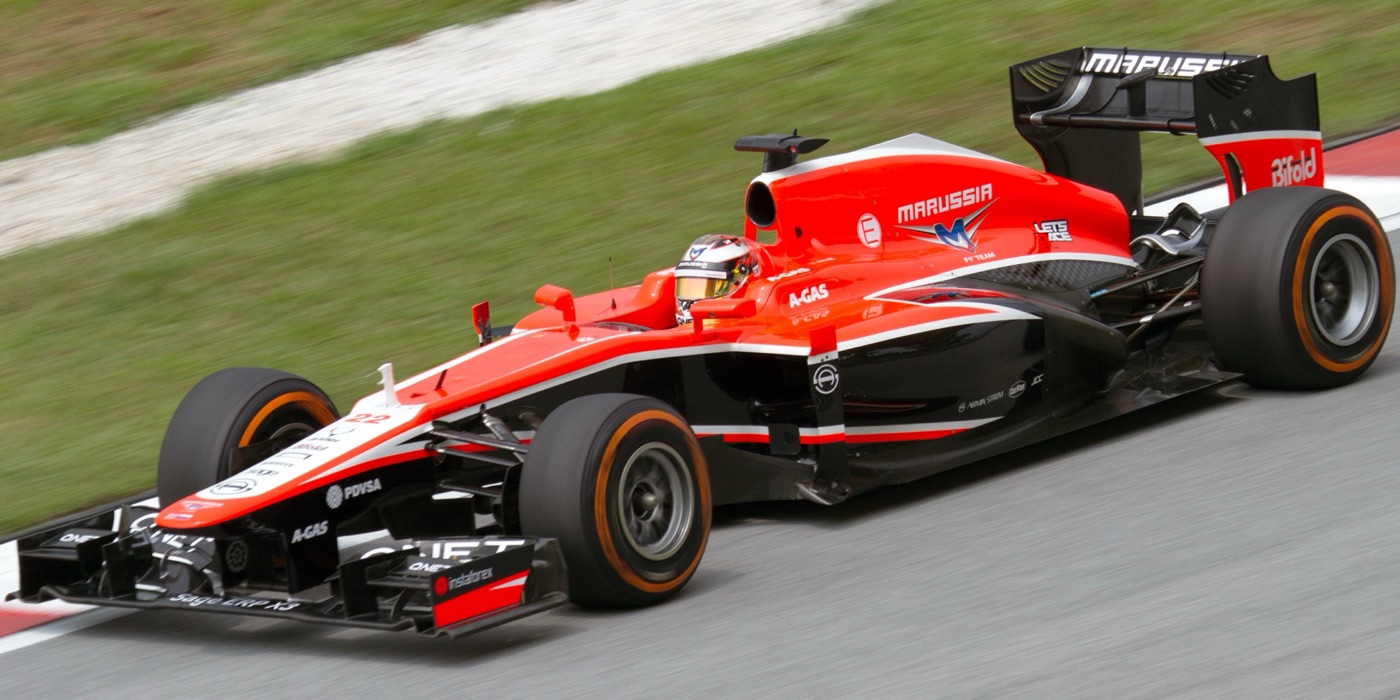
Monaco: Marussia’s first points
At Monaco on 25 May 2014 he started 21st after a five-place grid penalty for a gearbox change, and finished ninth, Marussia’s first points at its 83rd attempt. He was given two five-second penalties, the first for starting from the wrong grid slot and the second for serving the first one incorrectly under the safety car, and passed Kamui Kobayashi’s Caterham on the way (Formula1.com, 25 May 2014). “I am just incredibly happy,” the Frenchman said, “but first of all I have to pay credit to everyone at the Marussia F1 Team for making this possible.”
The two points left Caterham as the team with the most starts and no points in Formula One. Fernando Alonso, who trained with him at Maranello, told Autosport: “We spend a lot of time together in Maranello, we play football, we cycle, [and] we travel together for some races.” They were the only points Bianchi scored, and he finished the 2014 championship 17th.
Jules Bianchi’s results
Bianchi started 34 Grands Prix and scored 2 points, with no wins, podiums or pole positions: his best finish was ninth and his best grid position 12th, and seven of his starts ended in retirement (StatsF1).
Career by season
| Season | Series (team) | Result |
|---|---|---|
| 2007 | French Formula Renault 2.0 | Champion |
| 2008 | Formula 3 Euro Series (ART Grand Prix) | 3rd, with a race win as a rookie |
| 2008 | Masters of Formula 3, Zolder | Winner |
| 2009 | Formula 3 Euro Series (ART Grand Prix) | Champion, title won at Dijon |
| 2010 | GP2 Series (ART Grand Prix) | 3rd |
| 2011 | GP2 Asia Series (Lotus ART) | Won the Abu Dhabi feature race |
| 2011 | GP2 Series (Lotus ART) | 3rd, one point behind Luca Filippi |
| 2011 | Formula One (Ferrari) | Test driver, car development |
| 2012 | Formula Renault 3.5 (Tech 1 Racing) | 2nd, to Robin Frijns |
| 2012 | Formula One (Force India) | Reserve driver, Friday practice |
| 2013 | Formula One (Marussia Cosworth) | 19th, 0 points, 19 starts |
| 2014 | Formula One (Marussia Ferrari) | 17th, 2 points, 15 starts |
Formula One race by race
His 2014 results are from Formula1.com’s 2014 record; the standings are from Formula1.com’s championship tables.
| Marussia Cosworth MR02 | Finish | Marussia Ferrari MR03 | Finish |
|---|---|---|---|
| Australia | 15 | Australia | Not classified |
| Malaysia | 13 | Malaysia | Retired |
| China | 15 | Bahrain | 16 |
| Bahrain | 19 | China | 17 |
| Spain | 18 | Spain | 18 |
| Monaco | Retired | Monaco | 9 (2 points) |
| Canada | 17 | Canada | Retired |
| Great Britain (Silverstone) | 16 | Austria | 15 |
| Germany | Retired | Great Britain (Silverstone) | 14 |
| Hungary | 16 | Germany | 15 |
| Belgium | 18 | Hungary | 15 |
| Italy | 19 | Belgium | Retired |
| Singapore | 18 | Italy | 18 |
| South Korea | 16 | Singapore | 16 |
| Japan | Retired | Japan | Retired (accident) |
| India | 18 | ||
| Abu Dhabi | 20 | ||
| United States | 18 | ||
| Brazil | 17 |
What happened to Jules Bianchi at Suzuka?
On lap 43 of the rain-hit Japanese Grand Prix on 5 October 2014, Bianchi lost control of his Marussia at Turn 7 (the Dunlop Curve, as Motor Sport’s race report names it) and struck a mobile crane that was recovering Adrian Sutil’s Sauber, which had crashed at the same place a lap earlier. He suffered life-threatening head injuries and was taken to hospital by ambulance, according to the FIA Accident Panel’s summary of 3 December 2014.
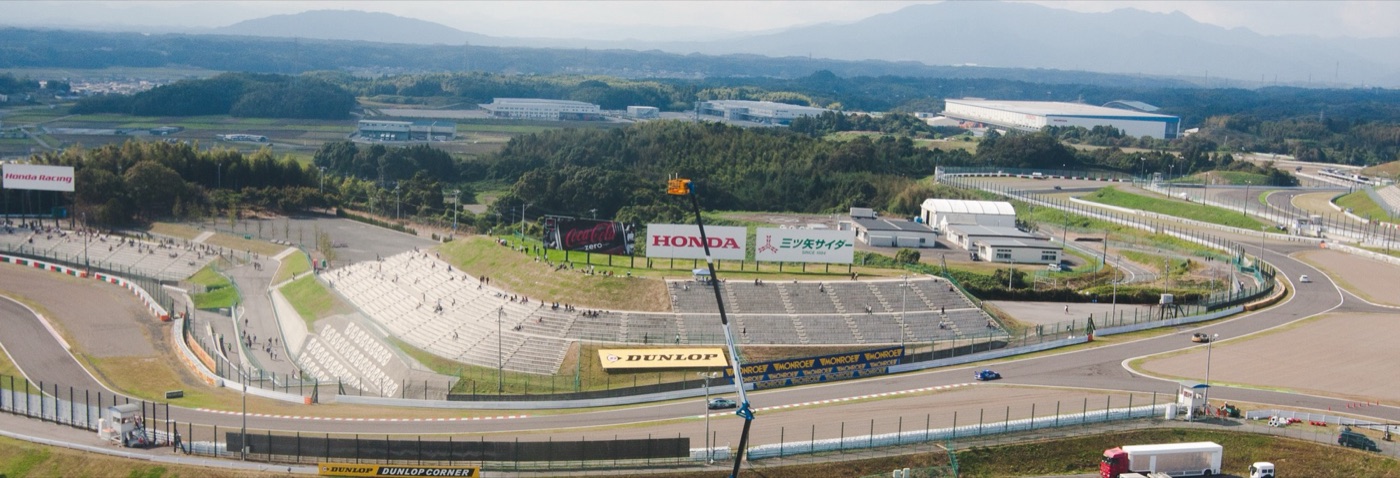
The crash at the Dunlop Curve
The section was under double waved yellow flags for Sutil’s crash. Less than two minutes passed between the two accidents, and in that time the recovery crane had lifted the Sauber and almost got it behind the barrier again (BBC Sport, 4 December 2014). The BBC noted that Martin Brundle had narrowly missed a similar vehicle at Suzuka in 1994. Bianchi was treated in Japan at the Mie Prefecture General Medical Center and moved to the Centre Hospitalier Universitaire in Nice about a month later. He had suffered a diffuse axonal injury, a severe brain injury.
What the FIA Accident Panel found
A ten-man panel chaired by Peter Wright, with Ross Brawn, Stefano Domenicali, Emerson Fittipaldi, Alex Wurz and Professor Gérard Saillant among its members, wrote a 396-page report. Its summary listed causes that “may have contributed to the accident, though none alone caused it”:
- water draining across the track had abruptly narrowed the semi-dry line at Turn 7, where both Sutil and Bianchi lost control;
- Bianchi “did not slow sufficiently to avoid losing control at the same point on the track as Sutil”;
- he applied throttle and brake together, and Marussia’s brake-by-wire system, of a unique design, stopped the FailSafe from cutting the engine, an effect on the impact speed the panel could not quantify;
- his helmet struck the sloping underside of the crane, a 700 kg car hitting a 6,500 kg vehicle at 126 km/h.
The panel said the officials’ response was consistent with how 384 incidents had been handled in the previous eight years, that the rescue and medical work “contributed significantly to the saving of Bianchi’s life”, and that neither a closed cockpit nor skirts on the crane could have reduced injuries from forces that large.
How did Jules Bianchi die?
Bianchi died at the Centre Hospitalier Universitaire in Nice on 17 July 2015, without regaining consciousness after the crash nine months earlier. His family said: “Jules fought right to the very end, as he always did, but today his battle came to an end” (family statement, via Autosport). His funeral was held at Sainte Réparate Cathedral in Nice on 21 July (Autosport).
Graeme Lowdon, Marussia’s president and sporting director, told BBC Sport: “In my opinion he could have been a future world champion. You could tell that from the moment he walked into our garage.”
The family’s legal action
In May 2016 the family began legal action against the FIA, the Marussia team and the Formula One Group. They did not accept the panel’s finding that Bianchi was to blame. “We seek justice for Jules, and want to establish the truth about the decisions that led to our son’s crash,” Philippe Bianchi said; their lawyer, Julian Chamberlayne of Stewarts Law, said the death “was avoidable” (Autosport, May 2016).
What changed in Formula One after the crash
The panel recommended a speed limit wherever double yellow flags are shown, a review of track drainage and safety-critical software, a course on safety procedures for new superlicence holders, and a rule that races start at least four hours before sunset or dusk, except night races.
Virtual safety car and start times
The FIA tested a virtual safety car at the last races of 2014, and the World Motor Sport Council approved it for 2015 at its meeting in Doha on 3 December 2014. It neutralises a race where double waved yellow flags are needed and people may be in danger, but a full safety car is not warranted: every driver must stay above a minimum time in each marshalling sector.
The halo
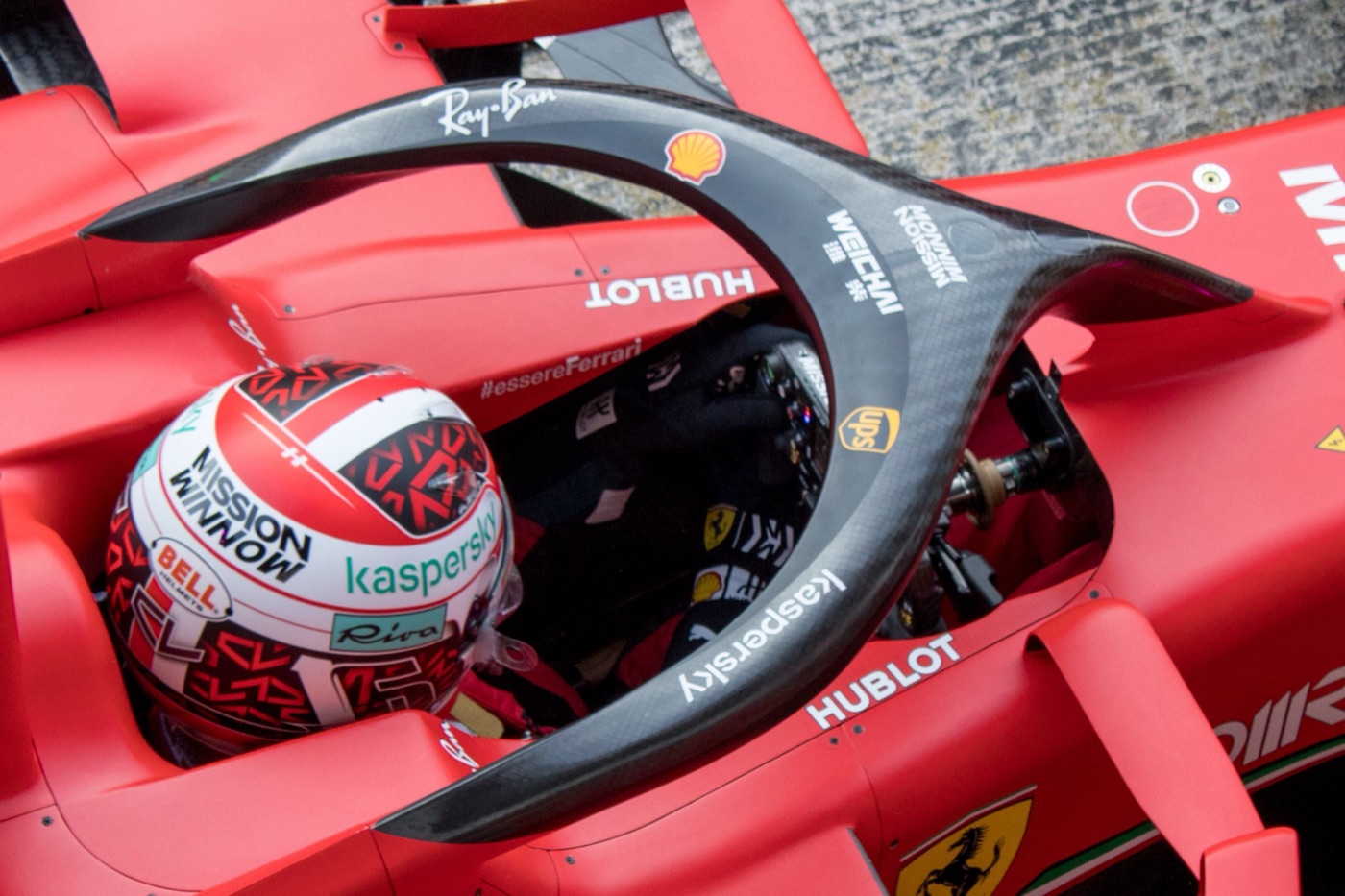
In July 2017 the FIA confirmed the halo frontal protection for every Formula One car from 2018, saying that after evaluating “a large number of devices over the past five years”, the halo “presents the best overall safety performance” (FIA statement, via Top Gear). The accident panel had already found that enclosing the cockpit could not have reduced Bianchi’s injuries in an impact with a crane.
Number 17 and the tributes
The FIA retired car number 17 from the Formula One World Championship after his death; Jean Todt said that as drivers now choose their own numbers, retiring Bianchi’s was “an appropriate gesture” (Autosport, 20 July 2015). StatsF1 says Bianchi had wanted 7, 27 or 77 and took 17 when all three had gone. The Grand Prix Drivers’ Association said drivers owed it to Jules “to never relent in improving safety”.
Charles Leclerc, Bianchi’s godson
Charles Leclerc was Bianchi’s godson and friend. For his first home Grand Prix as a Ferrari driver, at Monaco in 2019, he wore a tribute helmet with Bianchi’s design on one side and his late father Hervé’s on the other: “Without these two I would not be here” (RaceFans, 22 May 2019). Leclerc’s team of childhood friends won the karting marathon held in Bianchi’s memory at the Circuit Paul Ricard in September 2024, after more than 42 hours of racing; he had raced the seven earlier editions at Brignoles with Jules, and the money raised goes to the association named after him, which supports people with traumatic brain injuries and their families (Monaco Life).
In his memory Nice named a street near the Allianz Riviera stadium Rue Jules Bianchi, at a ceremony on Monday 23 January 2017 (Reuters, via Gulf Times, 24 January 2017).
Questions
How old was Jules Bianchi when he died?
He was 25. Born on 3 August 1989, he died in Nice on 17 July 2015, nine months after his crash at the Japanese Grand Prix.
What did Jules Bianchi crash into?
A mobile crane, a 6,500 kg recovery vehicle, which was lifting Adrian Sutil’s crashed Sauber at Turn 7 at Suzuka. The FIA put his speed at impact at 126 km/h.
Was Jules Bianchi Charles Leclerc’s godfather?
Yes. Leclerc wore a helmet carrying Bianchi’s design at Monaco in 2019 and raced in all eight editions of the karting marathon held in Bianchi’s name up to 2024.
Why is number 17 retired in Formula One?
The FIA retired it in July 2015 in Bianchi’s honour, since Formula One drivers choose their own numbers. No car in the championship can now carry 17.
Was Jules Bianchi related to Lucien Bianchi?
Yes, Lucien was his great-uncle. Lucien won the 1968 Le Mans 24 Hours with Pedro Rodríguez and was killed in practice at Le Mans in 1969.
How many Formula One races did Jules Bianchi start?
34, all for Marussia: 19 in 2013 and 15 in 2014. He scored 2 points, from ninth place at Monaco in 2014.
Who was Jules Bianchi’s manager?
Nicolas Todt, son of the former FIA president Jean Todt, from the end of 2006. Bianchi told SkiddMark in 2009 that Todt was “like my father of racing”.
Did Jules Bianchi ever win an F1 race?
No. His best Formula One result was ninth at Monaco in 2014; his race wins came in junior series, among them the 2009 Formula 3 Euro Series title season.
Sources
- Rick Osborn, SkiddMark, “The Next Big Thing: Ferrari’s Jules Bianchi”, interview at Brands Hatch on 5 September 2009, first published 23 February 2010, republished 5 October 2014, with the Ferrari statement of 3 August 2010: all quotes from the interview, the Ferrari statement on his recovery, karting from age three, his father’s kart track, favourite driver, Todt contract of 2006.
- FIA, “Accident Panel”, 3 December 2014: the Suzuka crash, the panel’s findings, members and recommendations.
- FIA, “World Motor Sport Council 2014 – Doha”, 3 December 2014: approval of the virtual safety car for 2015.
- Formula1.com, 2013 and 2014 race results and drivers’ standings: every race result and championship position.
- Formula1.com, “Bianchi hails Marussia determination after first points”, 25 May 2014: the Monaco grid penalty, time penalties and quotes.
- Marussia F1 Team, announcement of Bianchi’s race seat, 1 March 2013: his signing and the team’s quote.
- Scuderia Ferrari, “The Ferrari Driver Academy according to Perez and Bianchi”, 15 September 2011: the Fiorano test and the year he joined the academy.
- Automobile Club de l’Ouest, “Today in history: Pedro Rodriguez wins Le Mans in 1968”: Lucien Bianchi’s Le Mans win and death.
- StatsF1, “Jules Bianchi”: date of birth, Formula One statistics, Mauro Bianchi’s teams, 2008 and 2011 positions, number 17.
- Autosport, “ART complete Euro Series line-up”, 6 January 2009: 2008 race win and Masters of F3, 2009 team-mates.
- Autosport, “Bianchi secures Euro F3 championship”, October 2009: the Dijon title race.
- Autosport, “Bianchi signs long-term Ferrari deal”, 2 December 2009: the Ferrari contract and Jerez test.
- Autosport, “Ferrari expands young driver academy”, 6 March 2010: first recruit of the academy.
- Autosport, “Bianchi suffers back injuries”, 31 July 2010, and “Bianchi cleared to race at Spa”, 26 August 2010: the Hungaroring crash and return.
- Autosport, “Bianchi given post-race penalty”, 12 February 2011: first GP2 win, Abu Dhabi.
- Autosport, “Jules Bianchi joins Force India F1 team as reserve driver”, January 2012: the Force India role.
- Autosport, “Jules Bianchi joins Tech 1 for FR3.5 season”, February 2012: GP2 third places, Todt quote.
- Formula Scout, review of the 2012 Formula Renault 3.5 season: the 2012 title fight with Robin Frijns.
- Autosport, Bianchi to stay with Marussia for 2014, 3 October 2013: Sauber option and Ferrari engines.
- Autosport, “Fernando Alonso ‘very proud’ of Jules Bianchi after first F1 points”, 26 May 2014: Alonso quote, Caterham record.
- Autosport, “Jules Bianchi ‘ready’ if Fernando Alonso leaves Ferrari F1 team”, 2 October 2014: Bianchi’s quote on Ferrari.
- BBC Sport, “Jules Bianchi: Key findings from FIA’s crash report”, 4 December 2014: the time between the two crashes, the 1994 Brundle incident.
- BBC Sport, “Jules Bianchi: F1 driver dies nine months after crash”, 18 July 2015: his death, the first since Senna in 1994.
- BBC Sport, F1 safety reaction to Bianchi’s death, July 2015: Lowdon and GPDA quotes.
- Autosport, family statement on Bianchi’s death, 18 July 2015: the family statement, hospitals, junior titles.
- Autosport, “The FIA will retire Jules Bianchi’s number 17”, 20 July 2015, and funeral report: number 17 and the funeral.
- GPUpdate, “Di Montezemolo: Bianchi was Ferrari’s future”, 20 July 2015: Montezemolo quote.
- Autosport, “Bianchi family launches legal action”, May 2016: the legal action and quotes.
- Top Gear, report of the FIA’s halo statement, July 2017: the halo for 2018.
- RaceFans, “Leclerc’s special Monaco helmet features his father’s design and Bianchi’s”, 22 May 2019: godson and the 2019 helmet.
- Monaco Life, “F1’s Charles Leclerc and friends triumph at Marathon du Karting Jules Bianchi”, September 2024: the karting marathon and the association.
- Reuters, “Nice names a street after late French driver Bianchi”, via Gulf Times, 24 January 2017: the street in Nice and the ceremony.
- Motor Sport, 2014 Japanese Grand Prix report: Turn 7 as the Dunlop Curve.
This article was written in October 2026 to replace SkiddMark’s interview “The Next Big Thing: Ferrari’s Jules Bianchi” of 5 October 2014 (first published on 23 February 2010), whose quotes it keeps.