Lotus Cars: who owns Lotus, from Colin Chapman to Geely
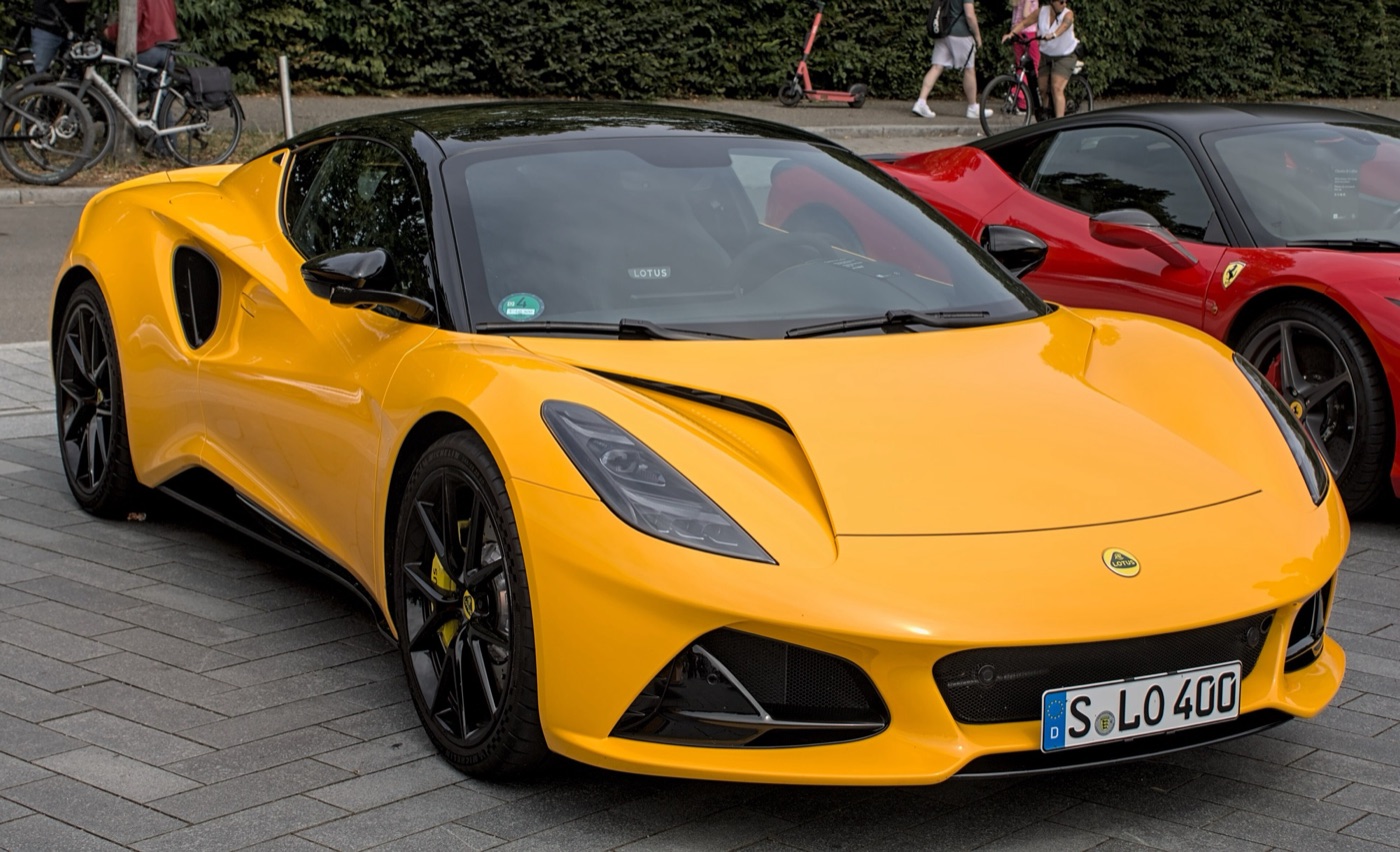
Lotus Cars is the British sports car maker Colin Chapman founded in 1952, based since 1966 at Hethel, near Norwich in Norfolk, England. Since 21 August 2026 Lotus Cars has been wholly owned by Lotus Technology, a Nasdaq-listed company controlled by Li Shufu, who owns most of China’s Geely Holding. Since Chapman died in 1982, Lotus Cars has belonged to a British Car Auctions consortium with Toyota, then General Motors, Romano Artioli’s Bugatti group, Malaysia’s Proton, DRB-Hicom (which bought Proton in 2012), and from 2017 Geely with the Malaysian group Etika. The Lotus Emira and Lotus Evija sports cars are still built at Hethel; the electric Eletre and Emeya are built by Geely in Wuhan, China.
Who owns Lotus Cars today?
Lotus Cars belongs to Lotus Technology Inc. (Nasdaq: LOT), usually called Lotus Tech. On 21 August 2026 Lotus Tech completed the purchase of 100% of Lotus Advance Technologies Sdn Bhd, the company that holds the Hethel business it calls “Lotus UK”, according to Lotus Tech’s announcement of 25 August 2026. Lotus UK runs Lotus Cars’ sports car factory and Lotus Engineering, the consultancy that does engineering and development work for other car makers.
Until that date Lotus UK belonged to Geely (51%) and Etika Automotive (49%). In January 2023 Lotus Tech gave each of them an option to sell it their stake, exercisable in 2025 if Lotus UK sold more than 5,000 cars in 2024. Geely exercised its option on 14 April 2025 and Etika on 30 June 2025. Based on Lotus UK’s 2024 results, the price for both came out at nil, so Lotus Tech issued no new shares to pay for them, as Lotus Tech’s annual report for 2025 (Form 20-F, filed April 2026) explains.
Lotus Tech is controlled from China. Its annual report calls it a “controlled company” under Nasdaq rules because Li Shufu holds more than half the votes, and lists these holders of more than 5% of its shares:
| Shareholder | Who stands behind it | Share of ordinary shares |
|---|---|---|
| Lotus Advanced Technology Limited Partnership | British Virgin Islands partnership whose general partner is owned by chief executive Feng Qingfeng | 28.8% |
| Etika Automotive Sdn Bhd | Albukhary Corporation, 99.9% owned by Syed Mokhtar Shah Syed Nor (Syed Mokhtar Al-Bukhary) | 24.1% |
| Lotus Technology International Investment Ltd | Geely Holding, 82.233% owned by Li Shufu | 16.8% |
| ATW | New York investment fund | 11.6% |
| Lotus Group International Ltd | Lotus UK’s own holding company (then 51% Geely, 49% Etika) | 7.4% |
| Jingkai Fund | Hubei motor industry investment fund based in Wuhan | 7.0% |
Etika’s owner, Syed Mokhtar Al-Bukhary, is the Malaysian businessman whose DRB-Hicom group owned Lotus Cars through Proton from 2012 to 2017. Feng Qingfeng, who joined the Lotus board when Geely arrived in 2017, is chief executive of Lotus Tech.
Lotus Cars owners since 1952: the full list
Lotus Cars has changed hands seven times since its founder’s death, four of them between 1986 and 2012. Each owner, with the way its ownership ended:
| Years | Owner | How it ended |
|---|---|---|
| 1952–1982 | Colin Chapman, his family and the company’s other shareholders | Chapman died in December 1982 |
| 1983–1986 | David Wickins of British Car Auctions, with Toyota, the Bamford family and other investors | Sold to General Motors, January 1986 |
| 1986–1993 | General Motors | Sold to Romano Artioli’s Bugatti group, 1993, for a reported £30m |
| 1993–1996 | Romano Artioli (Bugatti Automobili) | Bugatti failed; 80% sold to Proton for £51m, October 1996 |
| 1996–2012 | Proton, Malaysia’s national car maker (100% by 2003) | Proton itself bought by DRB-Hicom, 2012 |
| 2012–2017 | DRB-Hicom, through Proton | Sold to Geely and Etika for £100m, 2017 |
| 2017–2026 | Geely Holding (51%) and Etika Automotive (49%) | Both stakes sold to Lotus Tech |
| 2026 to date | Lotus Technology Inc., or Lotus Tech (controlled by Li Shufu) | Current owner |
Colin Chapman’s Lotus, 1952–1982
Lotus belonged to its founder for its first 30 years. The first Lotus business was formed in January 1952, and Hazel Williams, later his wife, provided the £25 that made it a limited company a few months later, as Motor Sport recorded in her 2021 obituary. Chapman worked from the old stables behind the Railway Hotel on Tottenham Lane, Hornsey, in north London, which his father ran.
The works moved to Cheshunt, Hertfordshire, in June 1959, and when a plan to expand there was refused planning permission, Lotus bought the former RAF Hethel airfield from Norfolk County Council. Lotus’s own history of its sites says the company has been at Hethel since the summer of 1966; the base had been USAAF Station 114, home to B-24 Liberator bombers of the 389th Bombardment Group, and its runways and perimeter roads gave Chapman somewhere to test his cars.
Chapman’s road cars made Lotus Cars’ name for light weight and handling: The Spectator described them as “notable for their lightness, their incredible road-holding and their habit of allowing rainwater to leak through the bodywork”. The Lotus Seven was introduced at the 1957 Earls Court show “at a lower cost than the XI” (Motor Sport, November 1957), and the Elan, with a steel backbone chassis and a one-piece glassfibre body, followed in 1962 (Motor Sport, November 1962). Most Elans were sold in kit form, which avoided purchase tax, and in October 1966 the Elan was being built at 40 a week, with capacity at Hethel to rise to at least 60, Motor Sport reported. Lotus Cars later sold the Seven: Caterham Cars bought the tooling, designs and exclusive rights from Lotus Cars in May 1973, according to Caterham’s own history.
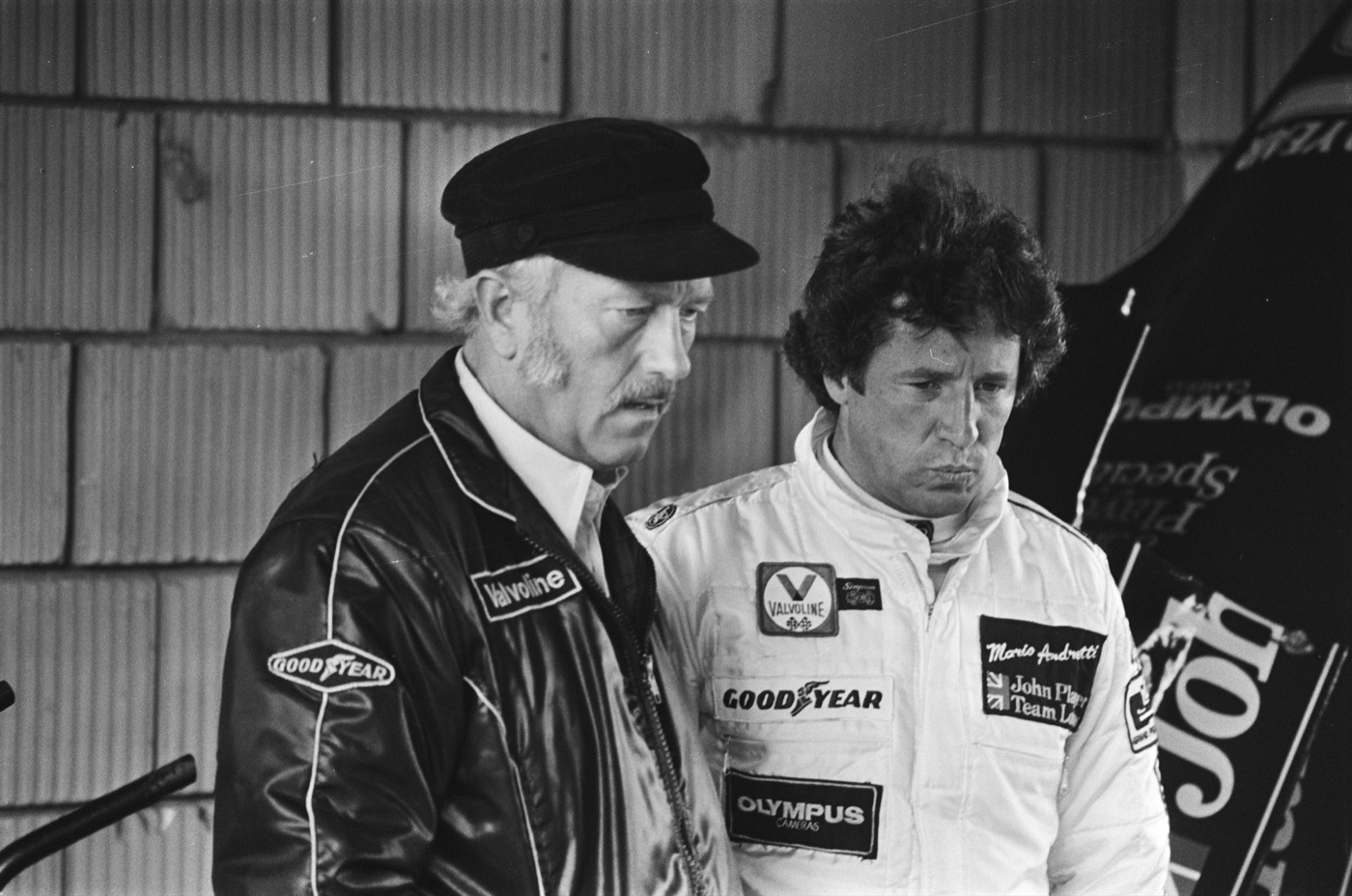
The 1970s were hard for every specialist car maker after the 1973 oil crisis. Lotus Cars “fell gradually into the red, to be rescued first time round by American Express”, Martin Vander Weyer wrote in The Spectator of 28 September 1996, and a £12 million design contract from John DeLorean, signed in 1979, kept it going. That contract later brought the scandal of the missing DeLorean money, to which Lotus’s finance director Fred Bushell eventually pleaded guilty. At the end of 1982 DeLorean collapsed and American Express withdrew its backing, Motor Sport reported in September 1983. Chapman died at his home in Norfolk during the night of 15/16 December 1982, aged 54, Motor Sport’s obituary reported; in 1982 the company had lost £2 million (The Spectator).
Team Lotus and who owns the Lotus name in Formula One
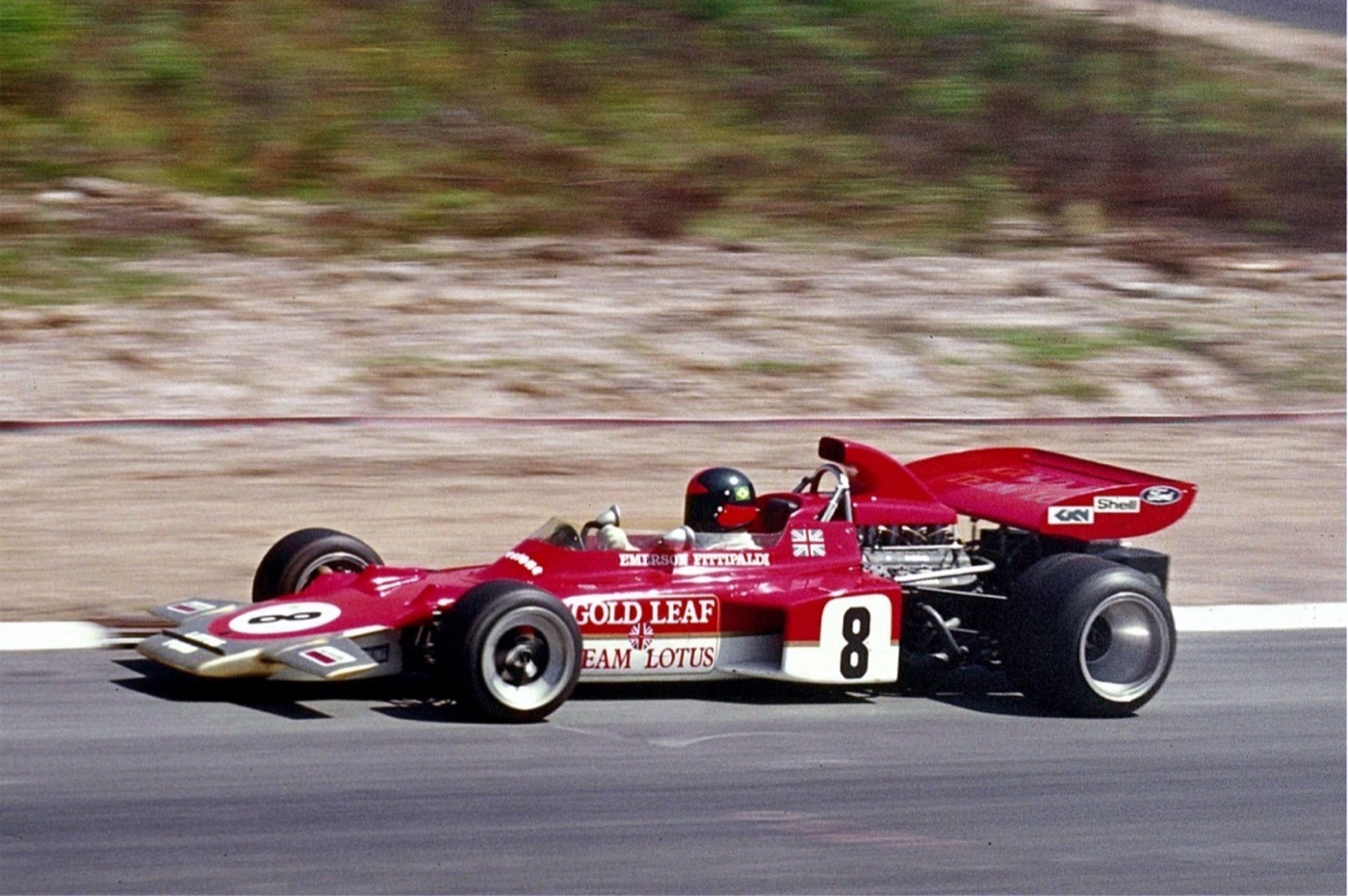
The racing team was never part of the car company. Team Lotus was Chapman’s separate racing business, and it won the Formula One constructors’ championship seven times: in 1963 and 1965 with Jim Clark, and in 1968, 1970, 1972, 1973 and 1978, the last with Mario Andretti as world champion (Formula 1’s results archive; Motor Sport, January 1983). Team Lotus raced in Formula One until 1994; its company went into administration that year, and its business and name were sold on.
The split led to a court case in 2010, when Tony Fernandes’s Malaysian team raced as Lotus Racing under a licence from the car company, then bought the old Team Lotus name and fell out with it. In Group Lotus v 1Malaysia Racing Team ([2011] EWHC 1366 (Ch), 27 May 2011), Mr Justice Peter Smith ruled that Fernandes’s team could race as “Team Lotus”, that the car company had validly ended its licence in September 2010, and that Lotus Cars’ parent kept its own goodwill in the Lotus name in Formula One. Genii Capital’s Enstone team raced as Lotus Renault GP in 2011 with Group Lotus as title sponsor, a deal that ended in April 2012 (SkiddMark, December 2010 and April 2012), and as Lotus F1 Team from 2012 to 2015, listed as Lotus Renault and later Lotus Mercedes in Formula 1’s results; Fernandes’s team became Caterham in 2012 (Formula 1’s 2012 standings).
Who bought Lotus after Colin Chapman died?
A consortium led by David Wickins, head of British Car Auctions, rescued Lotus in 1983. By June 1983 a package had been put together with British Car Auctions taking 25% and the merchant bank Schroder Wagg 14%, according to the Lotus Esprit Turbo owners’ history of the period; Wickins “brought along Toyota and the mega-rich Bamford family as fellow shareholders”, The Spectator recorded in 1996. With Mike Kimberley, a Hethel veteran, as chief executive, Lotus returned to profit in 1984, according to Autocar’s history of the GM years (4 December 2025).
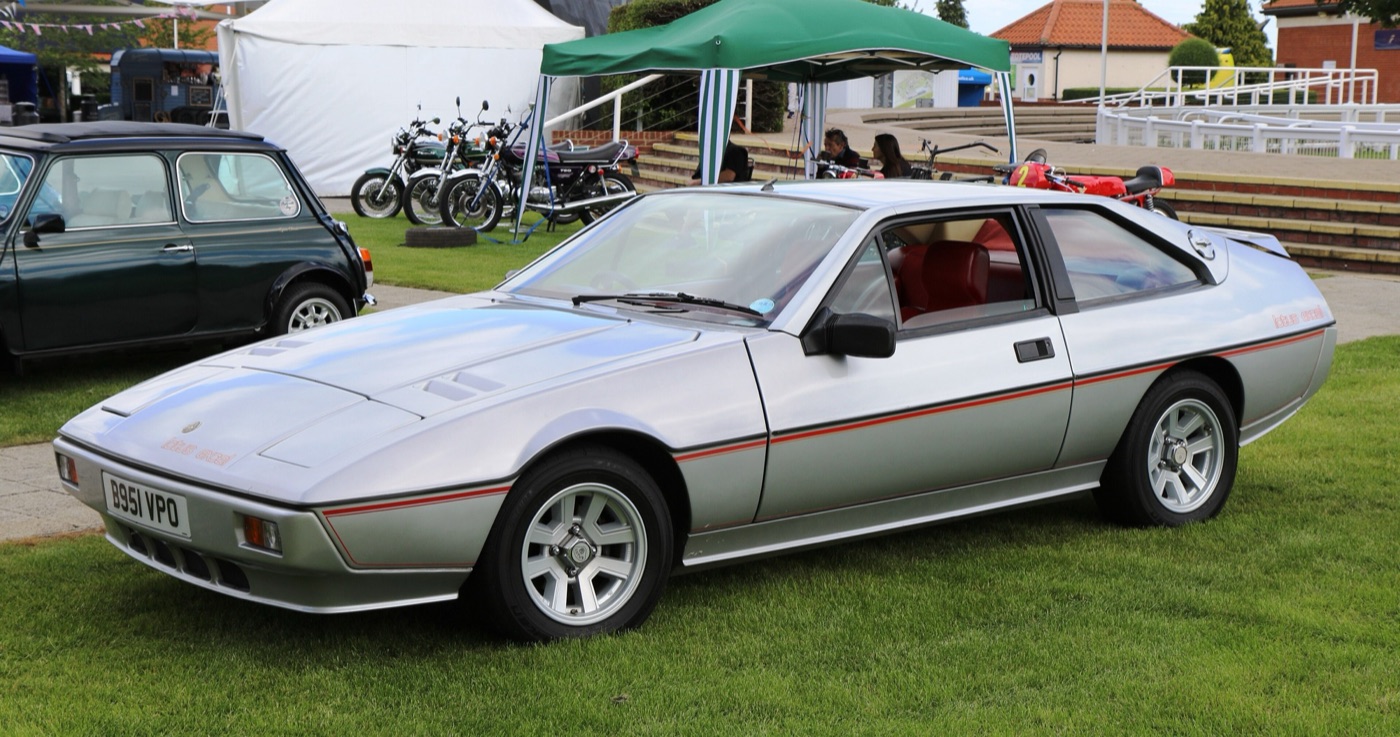
The Excel, first seen at the 1982 Motor Show, used Toyota’s five-speed gearbox, differential, driveshafts “and even the disc brakes”, Motor Sport’s 1983 test noted, so Toyota was a supplier as well as a shareholder, and Lotus was then planning a Toyota-powered sports car, the M90, to replace the Elan. The new shareholders still lacked the money to replace an ageing range, so they looked for a richer buyer.
General Motors and Lotus, 1986–1993
General Motors bought Lotus in January 1986. After ten days of negotiation, GM paid £22.75 million for 58% of the shares, “just one day’s cashflow for what was the world’s biggest car company”, Autocar wrote. GM wanted Hethel as a quick, cheap engineering centre for its own brands, and agreed a ten-year plan: an affordable roadster (the front-wheel-drive Elan, code M100), a V8 supercar called the Etna, a bigger consultancy, and production rising to 5,000 cars a year.
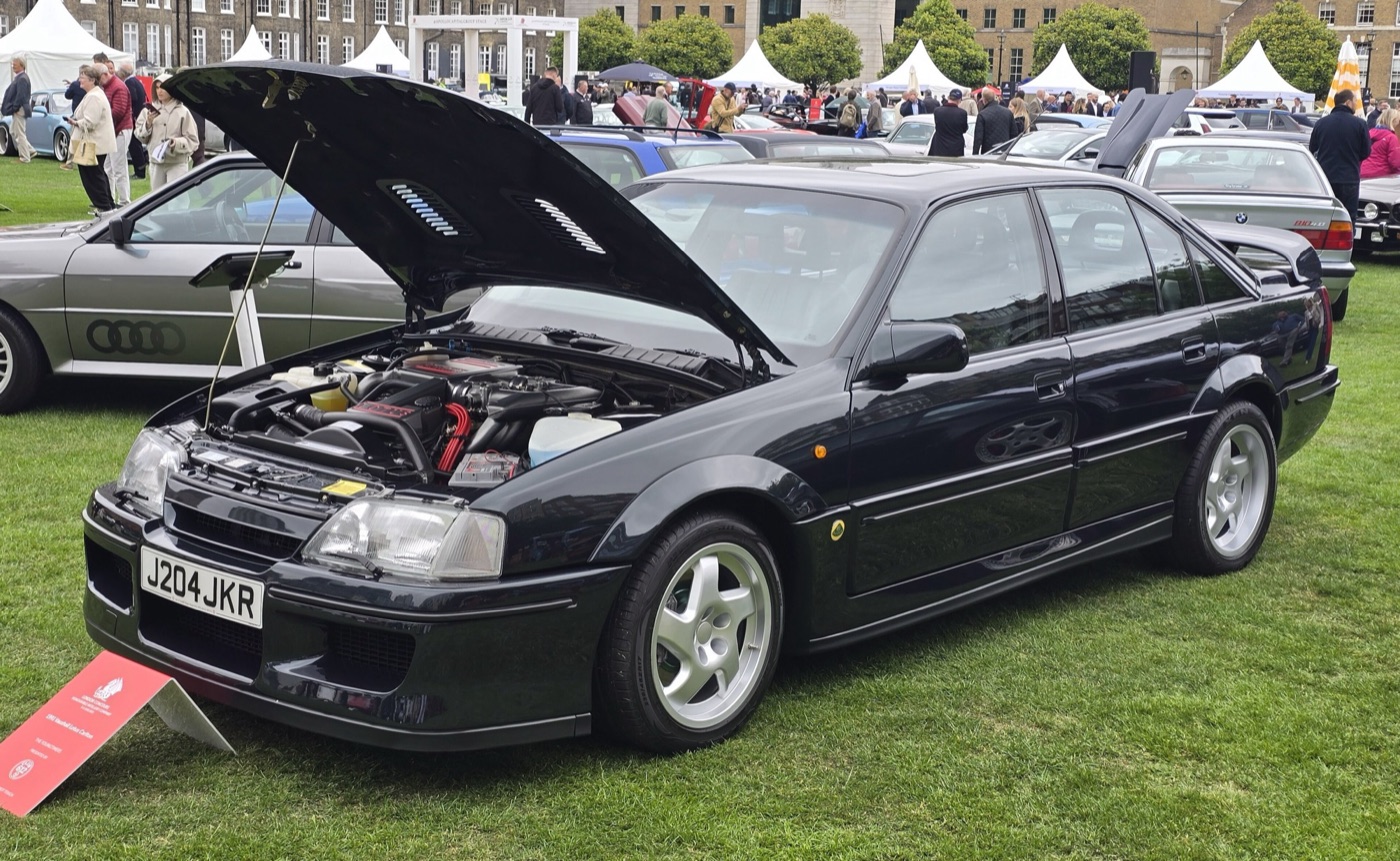
GM’s plan fell apart. The new Elan, road-tested by Autocar in January 1990, met the Mazda MX-5 head on, and with the American market in recession Lotus dropped it after less than two years. The Lotus Carlton, built for GM’s Vauxhall and Opel, also fell short of its targets. GM wrote off £54 million; a management buyout was tried, but in 1993 GM sold Lotus to Bugatti for a reported £30 million (Autocar). The Spectator put the Elan’s sales in mid-1992 at a quarter of its break-even target.
Romano Artioli and Bugatti, 1993–1996
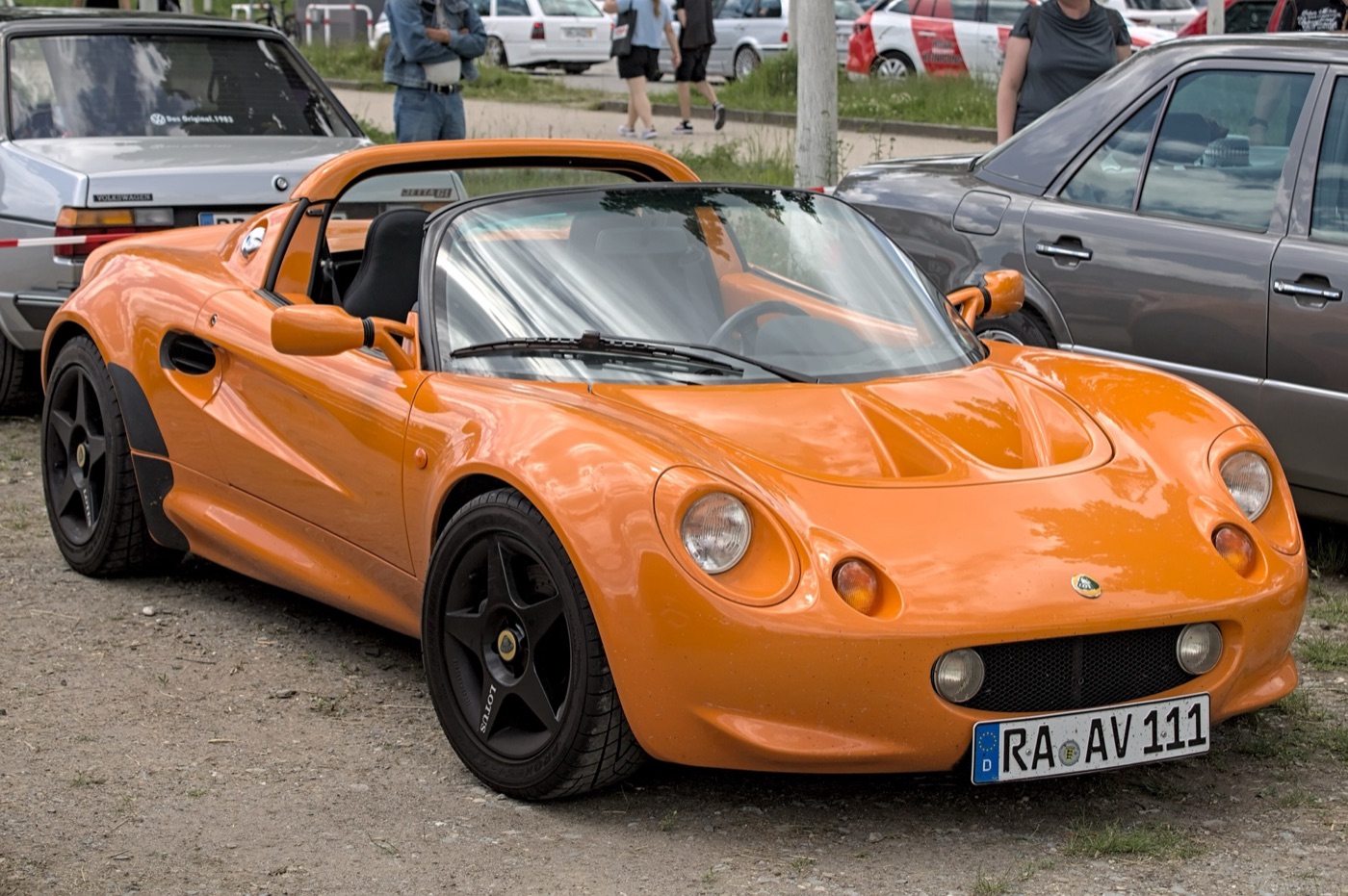
Lotus spent three years under the Italian businessman Romano Artioli, who had revived the Bugatti name as Bugatti Automobili. He backed the small, light Elise, which made its debut at the Frankfurt motor show on 12 September 1995 and was named after his granddaughter Elisa, according to Lotus’s history of the Elise. The design of the M100 Elan was sold to Kia, which built it in Korea (The Spectator).
When Bugatti Automobili went under, Lotus needed a new investor. By September 1996 the Midland Bank and an insolvency specialist from Ernst & Young were working to keep it alive, and Daewoo of Korea was the favourite to buy it (The Spectator). Proton made the deal instead: it agreed on Wednesday 30 October 1996, The Auto Channel reported, to buy 80% of Lotus for £51 million, with Artioli keeping the rest, according to The Irish Times of 2 November 1996. The paper said Lotus had built 800 cars and made an £8.5 million profit the year before; The Spectator had put the profit at £5 million.
Is Lotus owned by Proton?
Proton owned Lotus from 1996 to 2017, and has had no stake since. Of the 80% bought in 1996, Proton itself took 64% and its chairman Yahaya Ahmad bought 16% personally, grandprix.com reported on 4 November 1996, and Proton owned all of Lotus by 2003. Tengku Mahaleel Tengku Ariff, Proton’s chief executive at the time, said in 2026 that Malaysia’s government wanted Proton to design its own cars, and that buying a firm gave Proton the know-how a consultancy keeps to itself: “The two companies that were chosen was, at that time, Porsche and Lotus” (paultan.org, 23 April 2026). Lotus Engineering’s cam-profile-switching valve timing became the basis of Proton’s CamPro engine, and Proton designers, among them its later chief designer Azlan Othman, learned from Julian Thomson, who designed the Elise.
Under Proton, Lotus built a new headquarters at Hethel in 2000 and moved its assembly line into a new hall the same year, where it built the second-generation Elise, the Exige and the Vauxhall VX220 for General Motors (Lotus’s history of its sites). Speaking in the Commons in April 2012, Richard Bacon, MP for South Norfolk, said the Lotus group employed about 1,400 people, 1,200 of them at Hethel, and that its accounts showed a pre-tax profit of £1.5 million in 2008–09 (Hansard, 24 April 2012).
China Youngman and the Lotus Youngman company
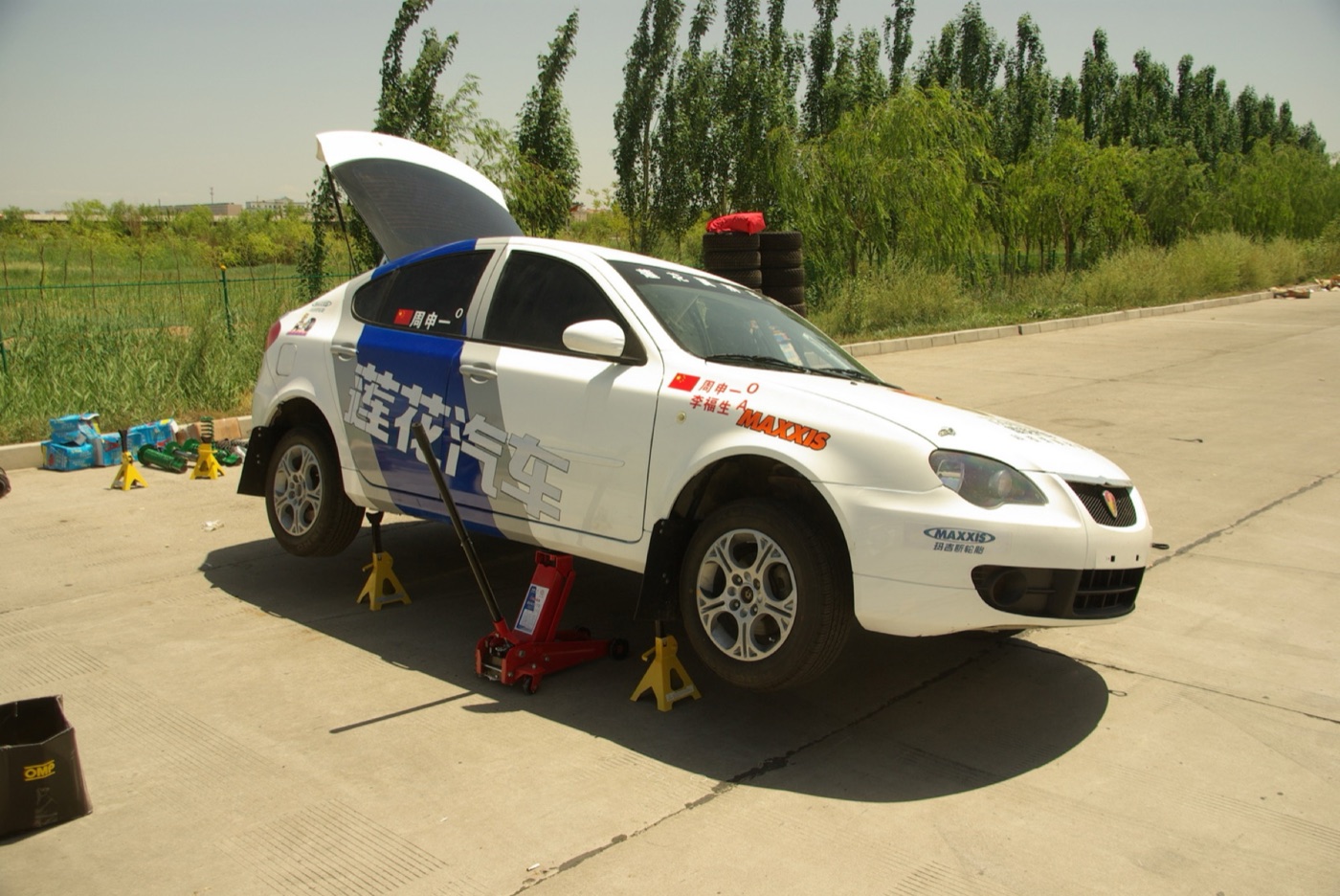
Youngman, a Chinese car maker, was a Lotus Engineering client. Its L3 and L5 cars were based on Proton running gear and engineered with Lotus’s help, SkiddMark reported in April 2012, and carried the licensed words “Engineered by Lotus”. A Lotus statement given to SkiddMark that month described the link as “an engineering services agreement” and said Youngman was “not Lotus’ importer in China”.
The relationship became a political issue in April 2012. On 13 January 2012, three days before DRB-Hicom’s purchase of Proton was announced, a company called Lotus Youngman UK Automotive Company Limited (number 07909455) was incorporated with Lotus’s chief executive Dany Bahar and fellow director Azman bin Abdullah as directors, its Companies House record shows. The Malaysian stock exchange was not told until 12 April. In his Commons debate Bacon said the right to the Lotus name in China now belonged to a small Taiwanese company that licensed it to China Youngman, which he described as “a potential buyer of Group Lotus that is already importing Lotus cars into China”, a claim at odds with Lotus’s statement that Youngman was not its importer. He warned of “a repeat of the MG Rover saga”.
Lotus told SkiddMark the company was set up to protect the name of a planned joint venture, under discussion for more than 18 months, and that it would go dormant if the venture did not proceed. Thomas Hofmann, Lotus’s director of group communications, told SkiddMark on 18 April 2012 that “because of the mayhem around the announcement, formal notification was overlooked.” No joint venture followed; the company was dissolved on 5 February 2019 (Companies House).
Lotus sold its cars in China as “Lotus Nyo” from 2011 because Youngman held the Lotus brand rights there, and Youngman kept them after it reportedly stopped making cars in 2015 and went bankrupt. A legal fight of more than five years ended on 7 December 2024, letting Lotus drop “Nyo” and use 莲花 (liánhuā, the Chinese word for the lotus flower), paultan.org reported on 3 January 2025, citing Lotus’s announcement and an internal memo reported by the Chinese site IT Home.
The Dany Bahar years, 2009–2012
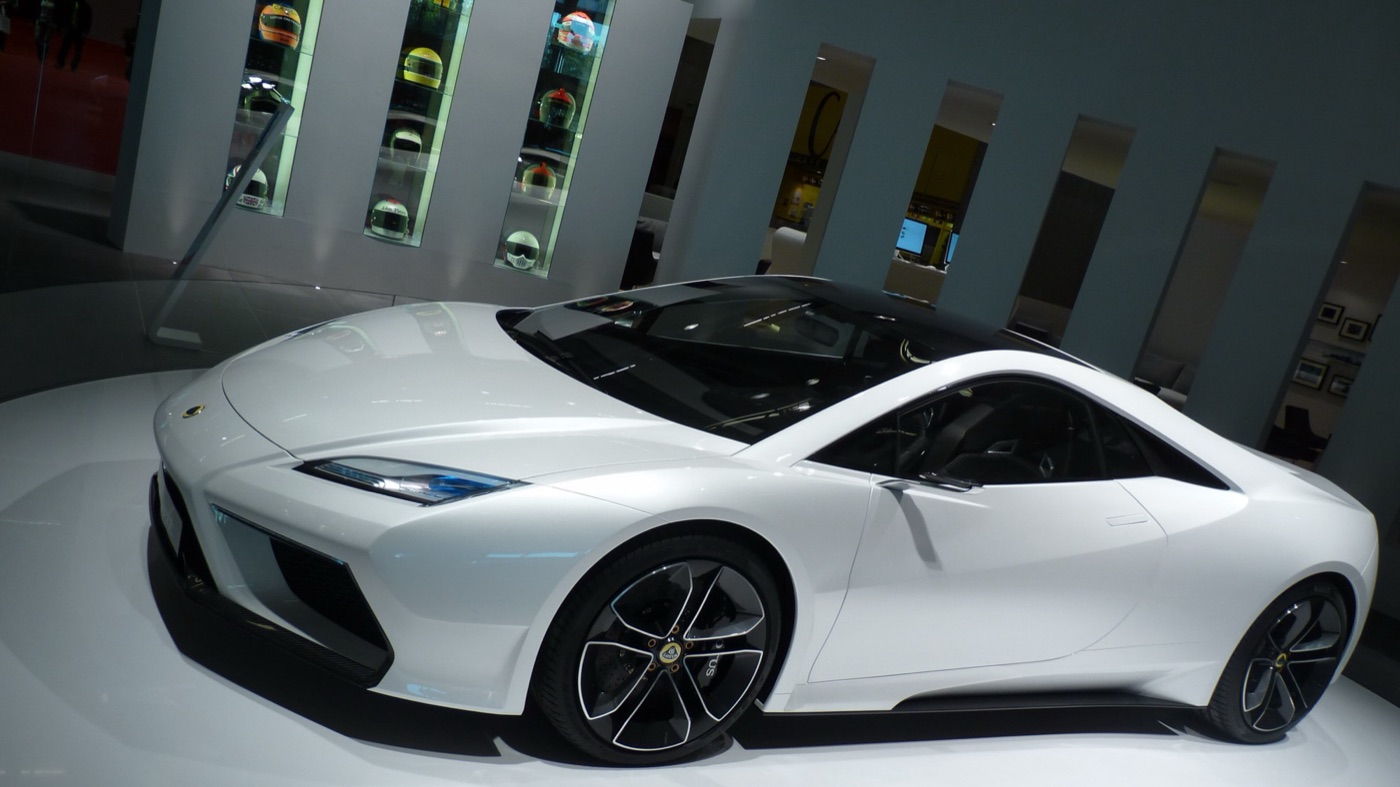
Dany Bahar joined Lotus from Ferrari, where he had run sales and marketing, in September 2009, and Proton backed his plan to take Lotus upmarket. At the 2010 Paris motor show Lotus showed six new models, among them a new Esprit, Elite, Elan, Elise and the Eterne saloon, to be launched by 2016. Autocar reported from Paris that the plan would cost a “fully funded” £770 million over ten years and take Lotus from about 2,700 cars a year at under £40,000 to between 6,000 and 7,000 cars at £80,000 to £120,000. “Our plan is to change Lotus from its present position as a niche sports car company to a builder of a range of premium sports cars,” Bahar said. The plan also promised work on the factory, test track and design studio and a new museum and heritage centre.
Much of the money was borrowed. A SkiddMark analysis in May 2012 put Lotus’s syndicated loan from six Malaysian and Singaporean banks at £270 million, guaranteed by Proton, and noted that Proton’s interim results of March 2012 recorded Lotus in breach of some loan covenants. The British government also offered help: a Regional Growth Fund grant of £10.4 million, announced in 2011 against Bahar’s promise of up to 1,200 new jobs (SkiddMark, April 2012), was put on hold when Proton changed hands. The business minister Mark Prisk told the Commons on 24 April 2012 that it would be revived only “if the vehicle development programme goes ahead in Norfolk” (Hansard).
Why was Dany Bahar suspended and sacked?
Bahar was suspended on 25 May 2012 and dismissed on 7 June 2012 after an investigation into a complaint about his conduct made by DRB-Hicom, which Lotus’s statement called its “penultimate parent company”. The company said he had been “temporarily suspended from his role to facilitate an investigation into a complaint about his conduct”, Autocar reported on 25 May; neither company gave a reason in public. The Sunday Telegraph reported that the inquiry concerned his expenses (Autocar, 7 June 2012), and paultan.org cited reports of company money spent on his home and on private jets and helicopters. Bahar denied the allegations.
Aslam Farikullah, one of three DRB-Hicom executives who ran Lotus during the suspension, became chief operating officer. Bahar sued the Lotus parent company and DRB-Hicom in the High Court in London (paultan.org) for £6.7 million in damages, and DRB-Hicom said it would “vigorously oppose and/or defend the claim” (GoAuto, August 2012). The two sides agreed in May 2014 to withdraw their claims against each other, The Star of Malaysia reported on 16 May 2014.
DRB-Hicom’s Lotus, 2012–2017
DRB-Hicom, the Malaysian industrial group controlled by Syed Mokhtar Al-Bukhary, became Lotus’s owner when it bought Proton in 2012. On 16 January 2012 it agreed to buy the government investment fund Khazanah Nasional’s 42.7% of Proton for 1.29 billion ringgit, and it later bought the rest and took Proton off the Malaysian stock exchange in May 2012 (SkiddMark, May 2012). DRB-Hicom’s group managing director Mohd Khamil Jamil said in March 2012 that the group would review Lotus to decide “whether it will remain in the stable or be disposed of” (paultan.org, 15 March 2012). Lotus’s spending was frozen for 60 days while auditors went through its books (Autocar, May 2012).
The 2012 crisis at Hethel
By the autumn of 2012 Lotus was short of cash and parts. Internal results for August 2012 seen by The Independent showed Lotus owing suppliers up to £23 million more than 90 days overdue and another £7 million 30 to 90 days overdue, with losses of £23.6 million in the five months to August; the document read “Cash flow: Critical” (reported by The Truth About Cars and SkiddMark, October 2012). Sources close to DRB-Hicom told the paper that many of the unpaid bills dated from the previous management.
A SkiddMark report of 5 October 2012, built on interviews with staff, suppliers and dealers, found the factory had recently stopped and sent workers home for lack of components, and that no customer orders for the new Exige S had yet been delivered. The agency supplying contract staff had ended its agreement over late payments, and Lotus had withdrawn from the March 2013 Geneva motor show. Bell & Colvill, Britain’s longest-established Lotus dealer, told SkiddMark it had sold 48 new Lotuses in 2010, 16 in 2011 and 6 in 2012 to that date. Farikullah told dealers at Hethel that deliveries would restart in November or December, depending on money to pay suppliers, and said in public that Lotus was “committed to staying in Norfolk and to a turn-around plan”.
The Proton–Honda agreement and the new Esprit
On 29 October 2012 Proton signed an agreement with Honda “to explore collaboration opportunities in the areas of technology enhancement, new product line-up, and sharing of platforms and facilities”, DRB-Hicom told Bursa Malaysia (The Star, 29 October 2012). SkiddMark suggested at the time that Lotus might work on Honda’s planned new NSX, which could give the Esprit the volumes it needed. Honda’s tie-up went no further than one car. In October 2015 Honda’s Asia-Pacific chief operating officer Noriaki Abe said “Our involvement with Proton stops at the Perdana”, the Accord-based saloon Proton unveiled in December 2013 (paultan.org, 30 October 2015).
Did DRB-Hicom try to sell Lotus?
DRB-Hicom denied in 2012 that it was planning to sell Lotus, and sold it in 2017. At an extraordinary general meeting in Shah Alam on 26 November 2012, called to approve the sale of its Hicom Power business, minority shareholders asked why the group was selling a profitable company and keeping loss-making Lotus. The chairman, Syed Mohamad Syed Murtaza, answered: “I assure you we are looking at it deeply and seriously… I’ve visited the company twice.” Two days later he issued a statement saying he had meant improving Lotus, not selling it (SkiddMark, 27 and 28 November 2012).
Jean-Marc Gales and the return to profit
Jean-Marc Gales, a former member of PSA Group’s managing board, became chief executive in 2014. Under him sales of the Elise, Exige and Evora rose by a third to about 1,600 a year and Lotus made small operating profits; Gales said 2017 was the first year Lotus had ever made a profit (Autocar, June 2018). By then the owner had decided to sell: on 24 May 2017 DRB-Hicom announced it would sell Lotus in its entirety for £100 million, citing Lotus’s continuing losses and its capital spending commitments in sterling (paultan.org, 24 May 2017).
Geely and Lotus, from 2017
Zhejiang Geely Holding has controlled Lotus since 29 September 2017, when Proton completed the sale of 51% of Lotus Advance Technologies to Geely and 49% to Etika Automotive, according to DRB-Hicom’s filing to Bursa Malaysia reported by The Star on 29 September 2017. In the same deal Geely bought 49.9% of Proton. Etika, the buyer of the minority stake, belongs to Syed Mokhtar Al-Bukhary, who also controls DRB-Hicom, so 49% of Lotus stayed with the man behind its previous owner. Geely appointed three of the five board members, with its chief financial officer Daniel Li as chairman (paultan.org, 29 September 2017).
Gales left in June 2018 and Feng Qingfeng, a Geely Auto vice president, took over as head of the Lotus group; Phil Popham became chief executive of Lotus Cars, the sports car business (Autocar, 2018; evo, 2018). Geely paid for a new Evija assembly hall and a new sports car factory at Hethel from 2019, and Lotus employed 1,345 people in the UK at the end of 2019, 35% more than a year earlier (Lotus’s history of its sites).
Where are Lotus cars made?
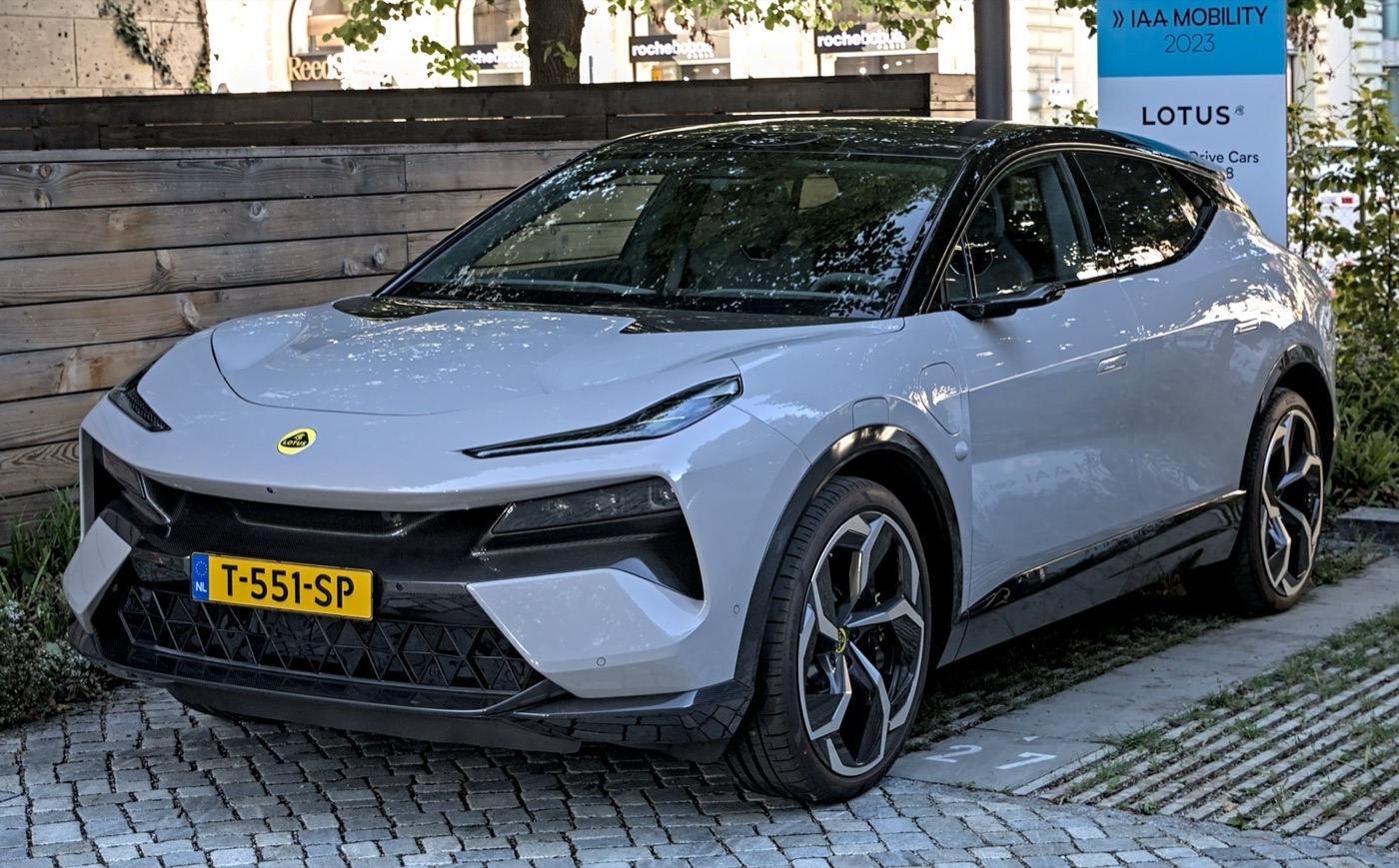
Lotus Cars builds its sports cars at Hethel in Norfolk, England; the electric “lifestyle vehicles” are made in Wuhan, China. Hethel builds the Emira, which Octane describes as the marque’s last combustion-engined sports car, and the Lotus Evija electric hypercar, whose production “is limited to just 130 examples”, a number taken from its project code, Type 130, according to Lotus’s Evija page. The Eletre SUV (launched in 2022) and the Emeya saloon (launched in September 2023) are built under a ten-year contract from 2022 at a Geely Holding electric car factory in Wuhan, according to Lotus Tech’s 2025 annual report. Lotus Tech delivered 12,134 cars in 2024 and 6,520 in 2025, counting its electric models and the Hethel sports cars it distributes.
In August 2025 Lotus said it would cut 550 jobs in the UK, citing “rapid changes in global policies including tariffs” (Autocar, 28 August 2025). That was more than a third of the 1,300 people at Hethel, and Lotus said Norfolk would remain the hub of its sports car production, motorsport and engineering consultancy (Octane, 28 August 2025).
Lotus Technology and the Lotus UK merger
Lotus Tech began as Geely’s electric car project for the Lotus brand in 2018 and was incorporated in the Cayman Islands in August 2021. It holds a licence to the Lotus name for vehicles other than sports cars, granted by Lotus UK in November 2021. It listed on Nasdaq on 23 February 2024 after merging with L Catterton Asia Acquisition Corp, a listed shell company, and its American depositary shares trade as LOT (Lotus Tech 20-F for 2025). Until August 2026 there were two Lotus businesses. Lotus Cars and Lotus Engineering at Hethel were owned by Geely and Etika; Lotus Tech designed the electric models and distributed all Lotus cars worldwide. “Lotus is one brand and one strategy, and from today it is one business,” Feng Qingfeng said when the merger was completed (Lotus Tech, 25 August 2026).
Questions
Is Lotus owned by China?
Yes. Lotus Technology Inc., which has owned all of Lotus since 21 August 2026, is headquartered in Shanghai and controlled by Li Shufu, the majority owner of China’s Geely Holding, who holds more than half of its votes. The Malaysian group Etika owns 24.1% of its shares.
Is Lotus still a British company?
The brand’s home and its sports car business are British: Lotus Cars Limited is registered at Hethel, Norfolk, where the Emira and Evija are built and Lotus Engineering is based. Its owner, Lotus Technology, is a Cayman Islands company listed on Nasdaq and run from Shanghai.
Did Toyota ever own part of Lotus?
Yes. Toyota was a minority shareholder in the consortium that rescued Lotus after Colin Chapman’s death in 1982, alongside British Car Auctions and the Bamford family, and it supplied the Excel’s gearbox and differential. General Motors bought control in January 1986.
Did Bugatti own Lotus?
Yes, from 1993 to 1996. General Motors sold Lotus to Romano Artioli’s Bugatti group for a reported £30 million, and Proton bought 80% for £51 million in October 1996 after Bugatti Automobili went under.
When did Geely buy Lotus?
Geely completed its purchase of 51% of Lotus on 29 September 2017, with Etika Automotive taking the other 49%; DRB-Hicom had announced the £100 million sale on 24 May 2017. Geely’s Lotus Technology then bought both stakes, completing on 21 August 2026.
Who is the chief executive of Lotus?
Feng Qingfeng, a former Geely Auto vice president who joined the Lotus board in 2017 and ran Group Lotus from June 2018, is chief executive of Lotus Technology, which now owns the whole of Lotus.
How many cars does Lotus sell a year?
Lotus Technology delivered 12,134 Lotus cars in 2024 and 6,520 in 2025, counting the Wuhan-built electric models and the sports cars from Hethel. In 2010 Lotus was building about 2,700 cars a year.
Does Proton still own Lotus?
No. Proton sold its whole holding in 2017, 51% to Geely and 49% to Etika Automotive. In the same 2017 deal Geely bought 49.9% of Proton.
Sources
- Lotus Technology Inc., “Lotus Tech Completed Acquisition of 100% Equity Interest of Lotus Advance Technologies”, Form 6-K exhibit 99.1, 25 August 2026: completion on 21 August 2026; Feng Qingfeng quote.
- Lotus Technology Inc., Annual report on Form 20-F for 2025, filed 28 April 2026: put options and their exercise, shareholders, Li Shufu’s control, Wuhan manufacturing, 6,520 deliveries in 2025, Nasdaq listing.
- Lotus Technology Inc., Annual report on Form 20-F for 2024, filed 30 April 2025: 12,134 deliveries in 2024.
- Lotus Cars, “Lotus Elise” (The Lotus Story), read October 2026: Frankfurt debut on 12 September 1995; the name Elisa.
- Motor Sport, “Hazel Chapman: without her there would be no Lotus”, 15 December 2021: the first Lotus business in January 1952; the £25.
- Lotus Cars, “Places” (The Lotus Story), read October 2026: the Railway Hotel, Hornsey; Cheshunt 1959; Hethel 1966; RAF Hethel, 2000 buildings, Geely investment, 2019 staff numbers.
- Motor Sport, “Cars at Earls Court”, November 1957, p. 22: the Lotus Seven introduced.
- Motor Sport, “A new Lotus sports car”, November 1962, p. 16: the Elan.
- Motor Sport, “A critical look at the Lotus Elan”, October 1966, p. 15: kit sales, production rate, the Hethel opening.
- Caterham Cars, “50 at 50”, October 2023: the Seven rights bought from Lotus Cars in May 1973.
- Motor Sport, “Obituary: Colin Chapman”, January 1983, p. 24: Chapman’s death; constructors’ titles 1968–1978.
- Motor Sport, “The excellent Lotus Excel”, September 1983, p. 60: the end-1982 crisis; Excel and its Toyota parts; the M90 plan.
- Lotus Esprit Turbo, “Lotus History: The Toyota and GM Years”, owners’ history, read October 2026: the June 1983 rescue shareholdings.
- Formula 1, constructors’ standings (1963, 1965, 1978, 2012 and 2015 seasons): Lotus titles; Lotus Renault, Lotus Mercedes and Caterham entries.
- The National Archives, Group Lotus Plc & Anor v 1Malaysia Racing Team Sdn Bhd & Ors [2011] EWHC 1366 (Ch), 27 May 2011: Team Lotus history to 1994; the 2010–11 name dispute.
- Martin Vander Weyer, “Not many owners”, The Spectator, 28 September 1996, p. 12: American Express, DeLorean, 1982 loss, the Wickins consortium, GM and the Elan, Artioli, Bugatti’s failure, the 1996 sale talks.
- Autocar, “How GM’s ownership of Lotus went ‘appallingly wrong’”, 4 December 2025: Wickins and Kimberley, GM’s 1986 purchase and plan, the Elan, the 1993 sale.
- The Irish Times, “Proton joins the Lotus eaters with £51m buy”, 2 November 1996: the £51 million for 80%; 1995 output and profit.
- grandprix.com, “Proton buys Lotus”, 4 November 1996: the 64% and 16% split.
- paultan.org, “Why did Proton buy over Lotus back in 1996?”, 23 April 2026: Mahaleel’s account; 100% ownership by 2003; CamPro.
- Hansard, House of Commons debate “Group Lotus”, 24 April 2012: Richard Bacon on jobs, profit and Lotus Youngman; Mark Prisk on the Regional Growth Fund offer.
- Companies House, Lotus Youngman UK Automotive Company Limited (07909455): incorporated 13 January 2012, dissolved 5 February 2019; directors.
- SkiddMark, “Lotus speaks out about its relationship with China’s Youngman”, 17–18 April 2012: Lotus’s statements on Youngman; Thomas Hofmann’s answer; the £10.4 million grant.
- SkiddMark, “Dany Bahar of Lotus suspended, but what could he have done so wrong?”, May 2012: the £270 million loan and covenant breach.
- SkiddMark, “Is DRB-Hicom fiddling while Lotus burns?”, 5 October 2012: factory stoppage, Exige S deliveries, contract staff, Geneva withdrawal, Bell & Colvill sales, Farikullah’s statements, The Independent’s figures.
- SkiddMark, “Proton signs a collaboration agreement with Honda”, 30 October 2012: the NSX suggestion.
- SkiddMark, “DRB-Hicom chairman confirms Lotus is ‘not safe’ and considers its disposal”, 27–28 November 2012: the EGM remarks and the next-day statement.
- Autocar, “Paris motor show 2010: Lotus stuns Paris with six new models”, September 2010: Bahar’s plan, £770 million, volumes and prices.
- Autocar, “Lotus boss Dany Bahar suspended”, 25 May 2012, and “Bahar dismissed as Group Lotus boss”, 7 June 2012: statements, spending freeze, Farikullah.
- paultan.org, “Dany Bahar sues DRB-Hicom over alleged wrongful termination from Lotus”, 20 June 2012: the reported grounds and Bahar’s denial.
- GoAuto, “Axed Bahar sues Lotus for $10.3 million”, August 2012: the £6.7 million claim.
- The Star, “Ex-Lotus CEO, DRB-Hicom agree to settle claims”, 16 May 2014.
- paultan.org, “DRB-Hicom to announce Proton’s new management team”, 15 March 2012: the Lotus review.
- GoAuto, “Malaysian government offloads Proton”, 18 January 2012: Khazanah’s 42.7% for 1.29 billion ringgit.
- The Truth About Cars, “Lotus owes suppliers nearly $37 million”, October 2012: The Independent’s report.
- The Star, “Proton, Honda sign agreement on collaboration”, 29 October 2012.
- paultan.org, “Honda says no future collaboration plans with Proton”, 30 October 2015.
- Autocar, “Lotus boss Jean-Marc Gales departs car maker”, June 2018: Gales’s record; Feng Qingfeng.
- evo, “Lotus appoints new CEO”, 2018: Phil Popham.
- paultan.org, “DRB-Hicom to sell Lotus in its entirety for £100 million”, 24 May 2017, and “Geely completes majority stake purchase of Lotus”, 29 September 2017.
- The Star, “DRB-Hicom completes stake sale in Proton for RM460m”, 29 September 2017: completion of the Lotus sale.
- Autocar, “Lotus to cut 550 more UK jobs amid Hethel uncertainty”, 28 August 2025: the 550 jobs; the tariffs quote.
- Octane, “Lotus announces 550 job cuts at Hethel”, 28 August 2025: the 1,300 staff; the Emira as the last combustion-engined Lotus; Norfolk as the hub.
- Lotus Cars, “Lotus Evija”, read October 2026: production limited to 130.
- The Auto Channel, “Daewoo shelves Lotus takeover plan; Proton takes over”, 1 November 1996: the 30 October agreement.
- paultan.org, “Lotus regains use of brand from Youngman in China”, 3 January 2025: Lotus Nyo and the end of the dispute.