Lotus Evora: history, every version, specs, values and racing
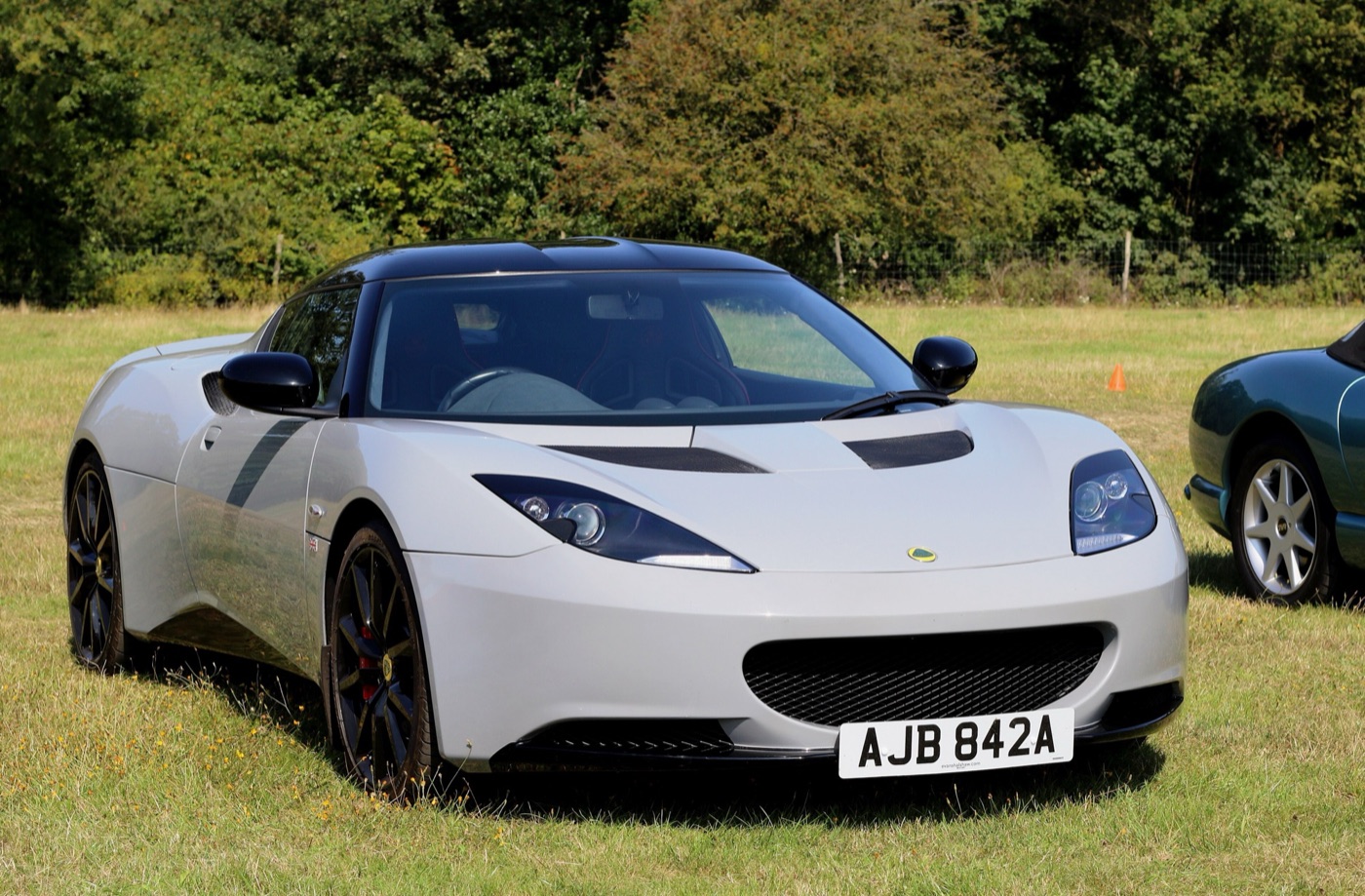
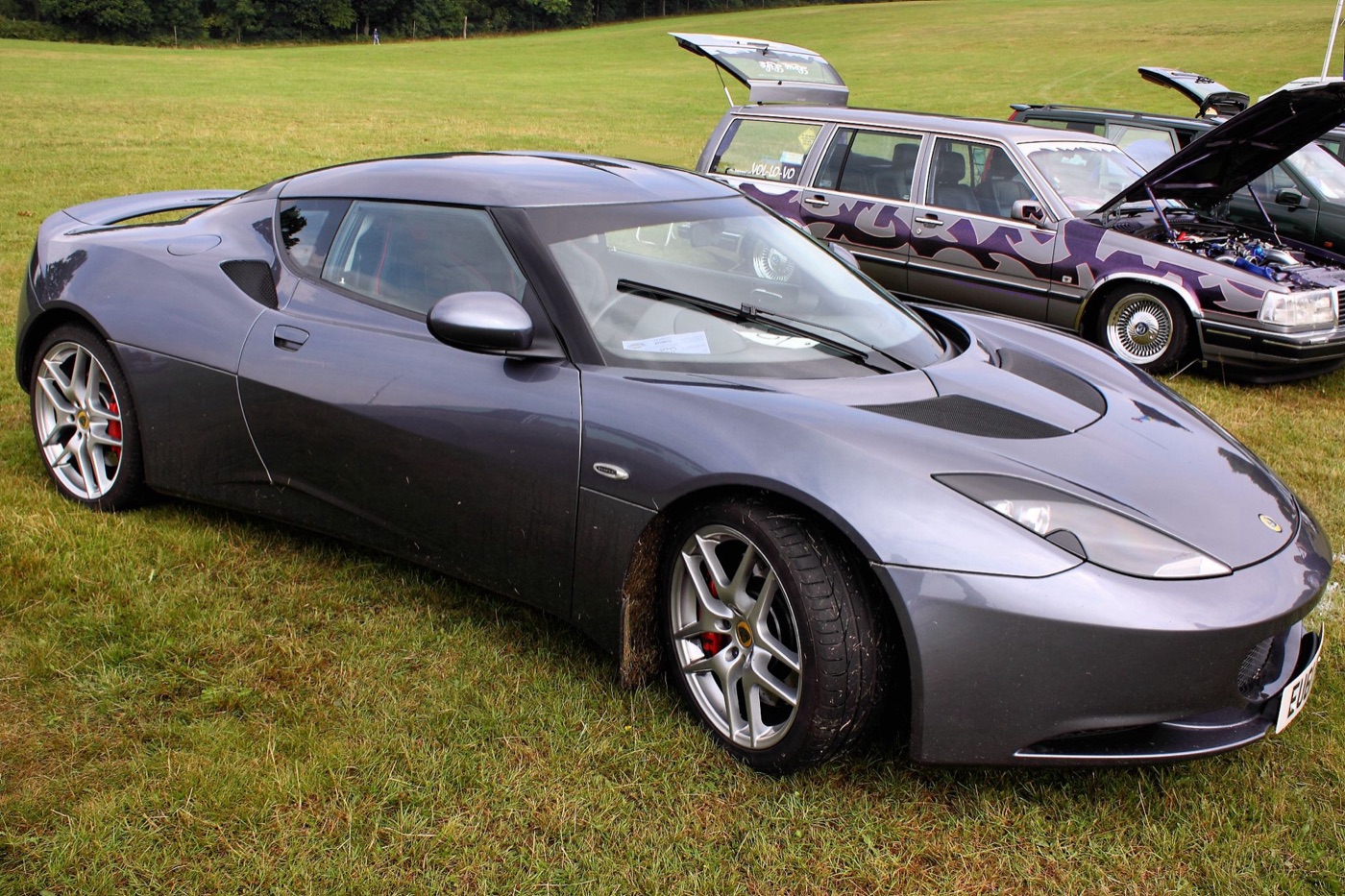
The Lotus Evora is the mid-engined 2+2 sports car Lotus built at Hethel in Norfolk from 2009 to 2021, with a 3.5-litre Toyota V6 behind the seats. Lotus made 6,117 of them, from the 276bhp original that won Autocar's and evo's top awards in 2009 to the 430bhp GT430, then the most powerful road car Lotus had built. It also raced, from the Evora Cup that Jarno Trulli developed in 2010 to Le Mans in 2011 and Super GT in Japan.
Lotus Evora history and development
The Evora began as Project Eagle, the first part of a plan to give Lotus a car for buyers who found the Elise too spartan. Russell Carr, the project's chief designer, told evo in its July 2008 preview that the first sketches were drawn in August 2006, with a brief "to create a visually stunning car that had everyday useability and plus-two capability". Nineteen first-stage prototypes were built on the Hethel production line to prove the tooling. Lotus then belonged to Proton, one of the owners of Lotus since Colin Chapman.
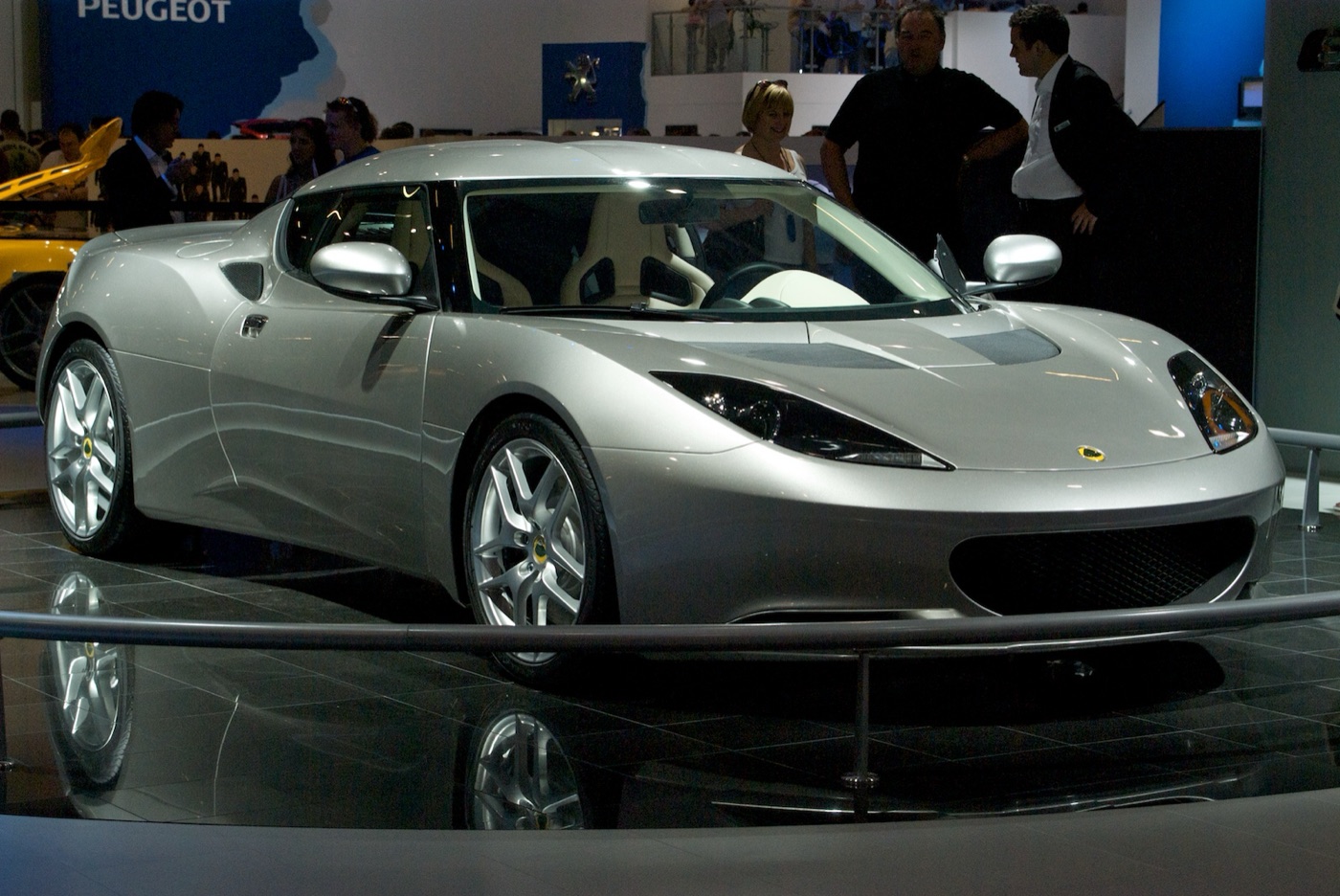
The 2008 London Motor Show launch
Lotus showed the Evora at the British International Motor Show at ExCeL in London in July 2008. It was aiming for 2,000 sales a year at prices from £45,000 to just over £50,000, evo reported, and the car was built to pass type approval everywhere from South America to China. Chief executive Mike Kimberley is 6ft 5in, and the cabin was drawn round him. "Either Mike was going to fit or one of us was no longer going to fit in the company," Carr said.
What does Evora mean?
The name keeps the Lotus habit of model names that start with E. The Lane Motor Museum in Nashville, which owns a 2013 Evora S, says it is made from evolution, vogue and aura; Lotus's own heritage page gives the last word as aurora. Lotus's type number for the road car is 122.
Sales, awards and the Evora S, 2009 to 2014
The Evora went on sale in early autumn 2009 at £47,500. The first 450 were Launch Editions sold only with every option, at about £59,000, and UK sales peaked at about 400 a year with a similar number abroad, according to evo's buying guide. PistonHeads put the slow start down to a car launched "into the teeth of the financial meltdown". The press liked it at once: in 2009 it won Autocar's Britain's Best Driver's Car, evo's Car of the Year and Top Gear magazine's Sports Car of the Year. In August 2009 Lotus said it was taking on more than 150 assembly staff, about 30% more, to meet demand.
The supercharged Evora S and the IPS automatic followed in 2010, announced in August and shown at the Paris Motor Show on 30 September. For the 2012 model year Lotus gave the standard car the S's thicker rear anti-roll bar, a valved exhaust and new Pioneer navigation.
The Evora 400 and the last Evoras, 2015 to 2021
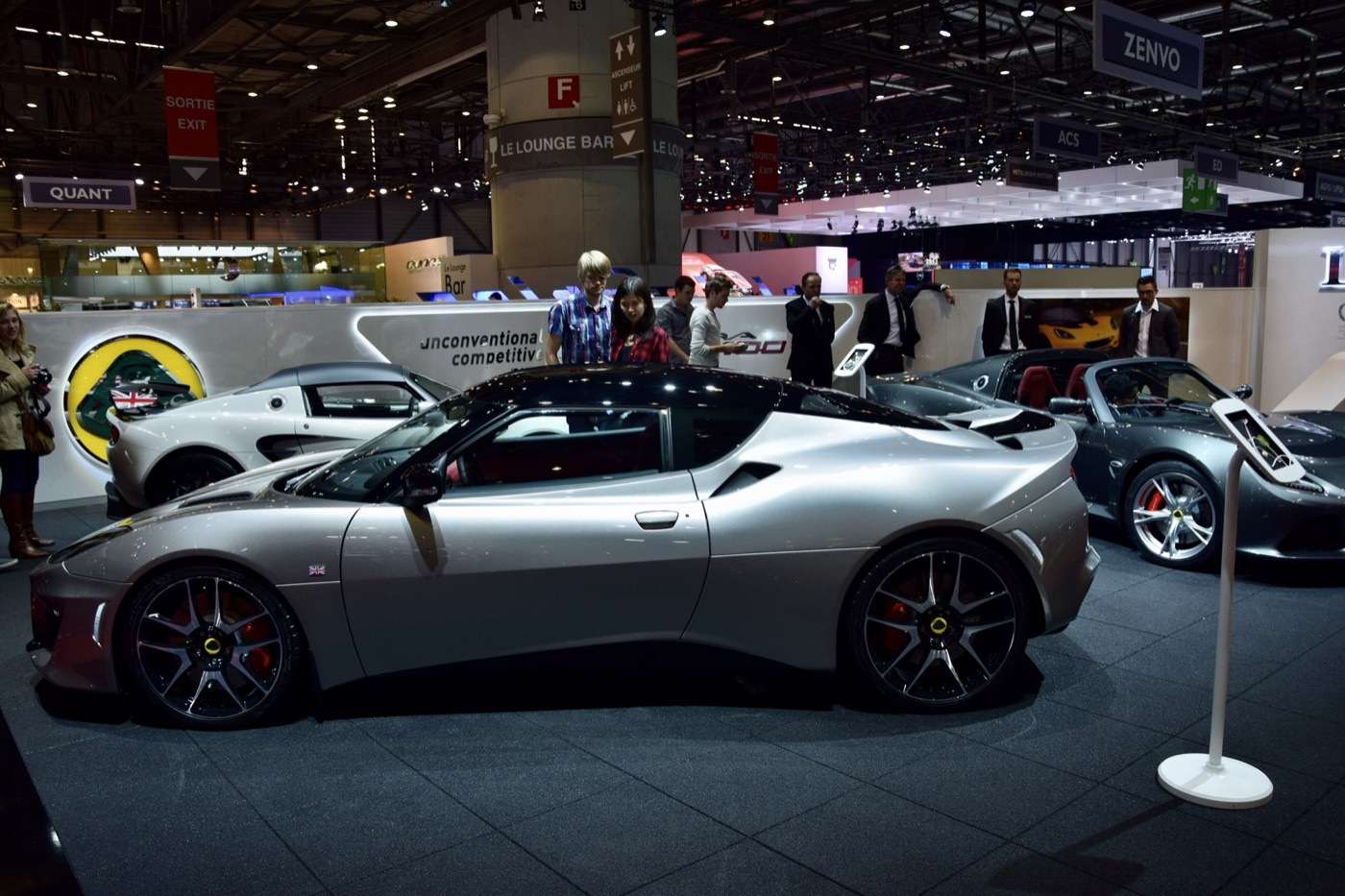
Under chief executive Jean-Marc Gales, Lotus showed the Evora 400 at the Geneva Motor Show in March 2015, and the first one left the Hethel line in July that year. Lotus said more than two-thirds of the car was new. The Sport 410 followed in 2016, the GT430 in 2017, the GT410 Sport in 2018 and the GT410 in January 2020. In January 2021 Lotus said the Evora, Elise and Exige had entered their last year of production.
When did Lotus stop making the Evora?
Production ended in December 2021. On 22 December Lotus photographed the last Elise, Exige and Evora at Hethel; the last Evora, a GT430 Sport in Dark Metallic Grey and number 6,117, went into the company's heritage collection. Its replacement is the Lotus Emira, launched at Hethel in July 2021 with full production from spring 2022 on a new assembly line, and Lotus calls it its last petrol car.
Design and engineering
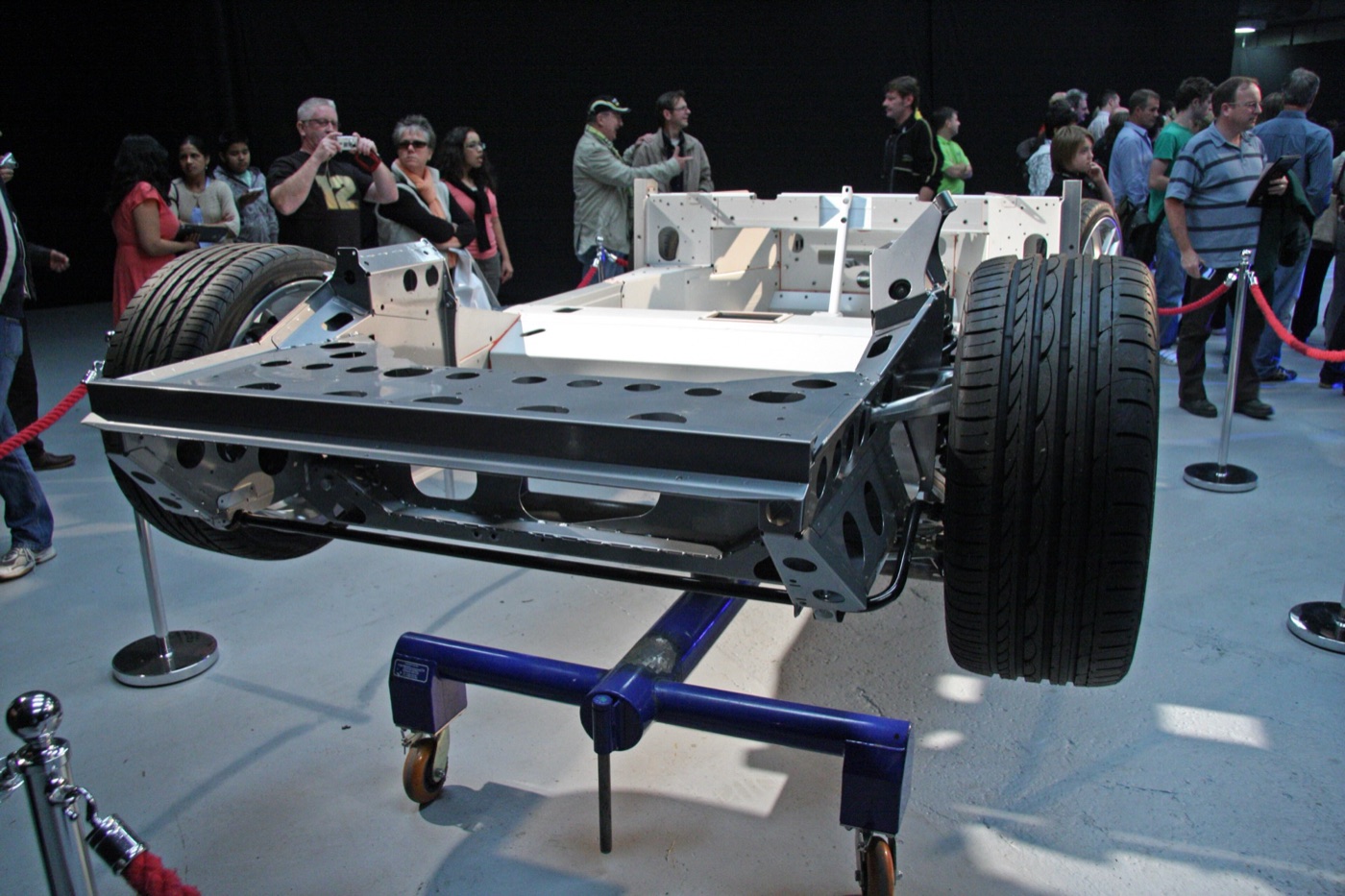
The Evora is built round a bonded aluminium tub with front and rear subframes and a transversely mounted V6 behind the seats, the layout of a small mid-engined coupé stretched to take two rear seats. The wheelbase is 2,575mm, 275mm longer than the Elise's, and that length bought 75mm of extra seat travel as well as the rear seats and a bigger engine.
Bonded aluminium chassis and body
The tub uses the extruded and bonded aluminium technology Richard Rackham pioneered on the Elise, but in three sections (Lotus calls the system its Versatile Vehicle Architecture), so that it can be lengthened, widened or stiffened without new tooling. Lotus described it in its February 2010 release for the Evora 414E Hybrid, which used the same chassis unchanged. The body panels are composite and unstressed, with separate front and rear sections that are easier to repair. The weight split is 39% front and 61% rear, and the drag coefficient is 0.337.
What engine is in the Lotus Evora?
Every Evora has Toyota's 3,456cc 2GR-FE V6 engine, the all-alloy unit from the Camry, run by Lotus's own T6e engine management. In the first cars its power output was 276bhp at 6,400rpm, with 350Nm of torque. The Evora S added a supercharger made by Harrop of Australia for 345bhp; the Evora 400 added a charge cooler and more boost, and later versions took it to 430bhp in the GT430. PistonHeads called the core engine "as reliable as you'd expect a Toyota unit to be".
Gearboxes: manual and IPS automatic
The first cars used Toyota's six-speed manual transmission. A close-ratio Sport gearbox was a £1,495 option on the standard car and standard on the S. The IPS (Intelligent Precision Shift) automatic, a six-speed torque-converter gearbox with paddles, arrived in 2011, mainly for the US market; it added 54kg and went without the limited-slip differential the manual cars have.
Suspension, steering and brakes
The suspension is forged aluminium double wishbones with Bilstein dampers and Eibach springs, the steering is hydraulically assisted, and the brakes are AP Racing four-piston calipers on 350mm front discs. The standard car runs 18in front and 19in rear wheels, the S 19s and 20s. The GT430 has Öhlins TTX dampers with 20 clicks of adjustment. Every Evora has stability control as a safety net; the Sport button lets the car slide further before it intervenes, and it can be switched off.
Interior and practicality: is the Lotus Evora a four-seater?
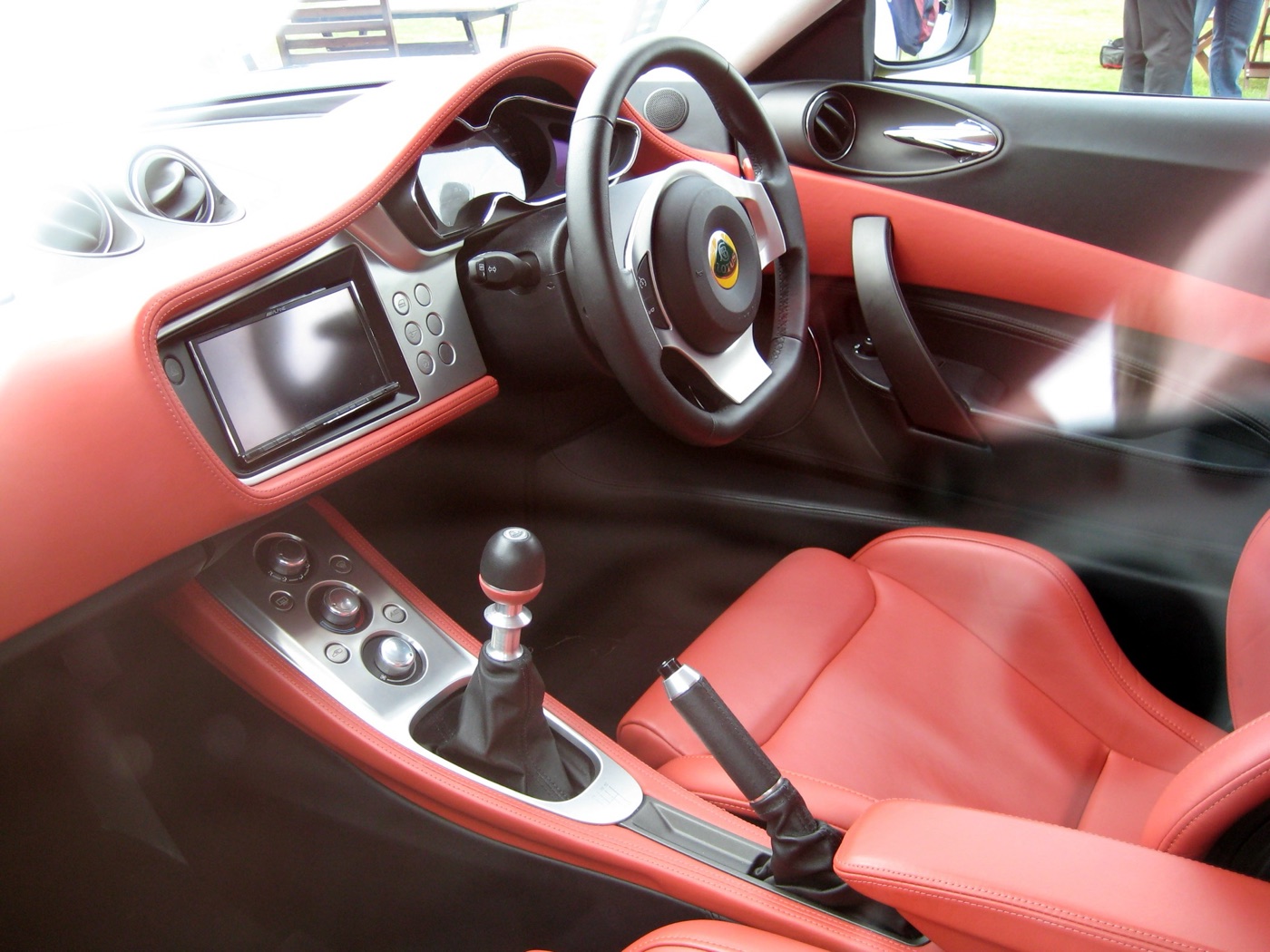
It is a 2+2, and the extra space is the point of the car: the rear seats are about the size of a Porsche 911's, with Isofix mounts for child seats, and evo's 2008 preview judged them fit for an adult only on a short trip sitting sideways. Buyers could delete them for the Plus Zero two-seater, £1,500 cheaper. The 160-litre boot sits behind the engine and takes a set of golf clubs. "We didn't actually design it with the clichéd clubs in mind," Carr told evo. "There are no golfers here." Unlike the Elise, the Evora has a low, narrow sill and a seat 65mm higher off the floor, so getting in does not mean folding in half.
Lotus Evora specs and performance
Power rose from 276bhp to 430bhp over the Evora's life while weight fell from about 1,350kg at the kerb for the first cars to 1,258kg dry for the GT430. The table gives the makers' figures for each version at its launch; the acceleration column uses whichever of 0–60mph or 0–62mph was quoted.
| Version | Power | Torque | 0–60/62mph | Top speed |
|---|---|---|---|---|
| Evora (2009) | 276bhp (280PS) | 350Nm | 5.1s (0–62) | 162mph |
| Evora S (2010) | 345bhp (350PS) | 400Nm | 4.6s (0–62) | 172mph |
| Evora 400 (2015) | 400hp | 410Nm | 4.1s (0–60) | 186mph |
| Evora Sport 410 (2016) | 410hp | 410Nm | 3.9s (0–60) | 186mph |
| Evora GT430 (2017) | 430hp | 440Nm | 3.7s (0–60) | 190mph |
| Evora GT430 Sport (2017) | 430hp | 440Nm | 3.7s (0–62) | 196mph |
| Evora GT410 Sport (2018) | 410hp | 420Nm | 4.0s (0–60) | 190mph |
| Evora GT, North America (2019) | 416bhp (422PS) | 430Nm | 3.8s (0–60) | 188mph |
Sources: Lotus releases for the 400, Sport 410, GT430, GT410 Sport and Evora GT; PistonHeads for the Evora, Evora S and GT430 Sport. Weights: 1,325kg kerb for the Sport 410, 1,297kg unladen for the GT410 Sport and 1,408kg for an Evora GT with every lightweight option, Lotus said.
How fast is the Lotus Evora?
The slowest Evora, the 2009 car, reaches 162mph and 62mph in 5.1 seconds; the fastest, the wingless GT430 Sport, reaches 196mph. PistonHeads called the GT430 range the fastest and most powerful road-legal Lotus yet. The winged GT430 tops out at 190mph because its rear wing makes 250kg of downforce at that speed. On Lotus's Hethel test track the Evora 400 lapped in 1min 32sec, six seconds quicker than the S, the Sport 410 in 1min 28sec and the GT430 in 1min 25.8sec, the record for an Evora.
Lotus Evora versions and special editions
There were three generations of road car (the original Evora and Evora S, the 400, and the lighter 410 and 430 family), plus a run of special editions and one hybrid prototype.
Evora and Plus Zero (2009)
The first car came as a 2+2 or as the Plus Zero two-seater. Options were grouped in packs: Tech (£2,495, with parking sensors and cruise control), Sport (£950, drilled discs and a Sport button that sharpens the throttle and raises the rev limit) and Premium (£2,495, full leather), with the Launch Edition combining all three.
Evora S and Evora IPS (2010)
The S had 350PS, the Sport pack as standard, cross-drilled brakes and an active exhaust that opens a bypass valve at the press of the Sport button. "You don't realise what you were missing from your driving experience until you get behind the wheel of the Evora S," chief executive Dany Bahar said in Lotus's August 2010 announcement, which also introduced the IPS automatic with the 280PS engine. The IPS cost £51,000, a little more than a Porsche Cayman S with a PDK gearbox.
Evora Sports Racer (2012)
Launched in December 2012 after the Evora's British endurance title, the Sports Racer is a fully loaded Evora or Evora S with gloss black roof, splitter, diffuser and sills, in Aspen White, Carbon Grey, Nightfall Blue or Ardent Red. It cost £57,900 with the 280PS engine and £65,900 as an S, which Lotus said saved £6,450 to £7,150 against the same options bought separately.
Evora GTE road car and GT350
The GTE Road Car Concept of 2011 was a 1,277kg homologation special meant to carry a 438hp engine and let Lotus go GTE racing. About 25 were made but sat unsold while Lotus changed hands, and 20 of them were turned into GT350s in 2014 and 2015 with Evora S drivetrains refitted, PistonHeads found; 16 were left-hand drive for China.
Evora 400 (2015)
The 400 has a new aluminium chassis with cut-down sills, a new interior, new composite front and rear bodywork and a charge-cooled supercharger for 400hp and 410Nm. It cost £72,000 in the UK, more than the Porsche Cayman GT4 of the same time, and was 42kg lighter than the S. European deliveries began in August 2015, with North America and China getting it as a 2017 model in early 2016. The Hethel Edition of 2016 marked 50 years of Lotus at Hethel with forged wheels and coloured calipers, at £75,500.
Evora Sport 410 (2016)
Lotus cut 70kg from the 400 with a carbon fibre roof, tailgate, front access panel and diffuser, carbon seats and lighter wheels, and a 10hp power increase took it to 410hp. Air conditioning and the audio system became options (£1,500 and £2,000). Lotus planned 150 a year at £82,000. North America got it in 2017, offered in a GP Edition colour scheme, as the fastest road Lotus yet sold in the US.
Evora GT430 and GT430 Sport (2017)
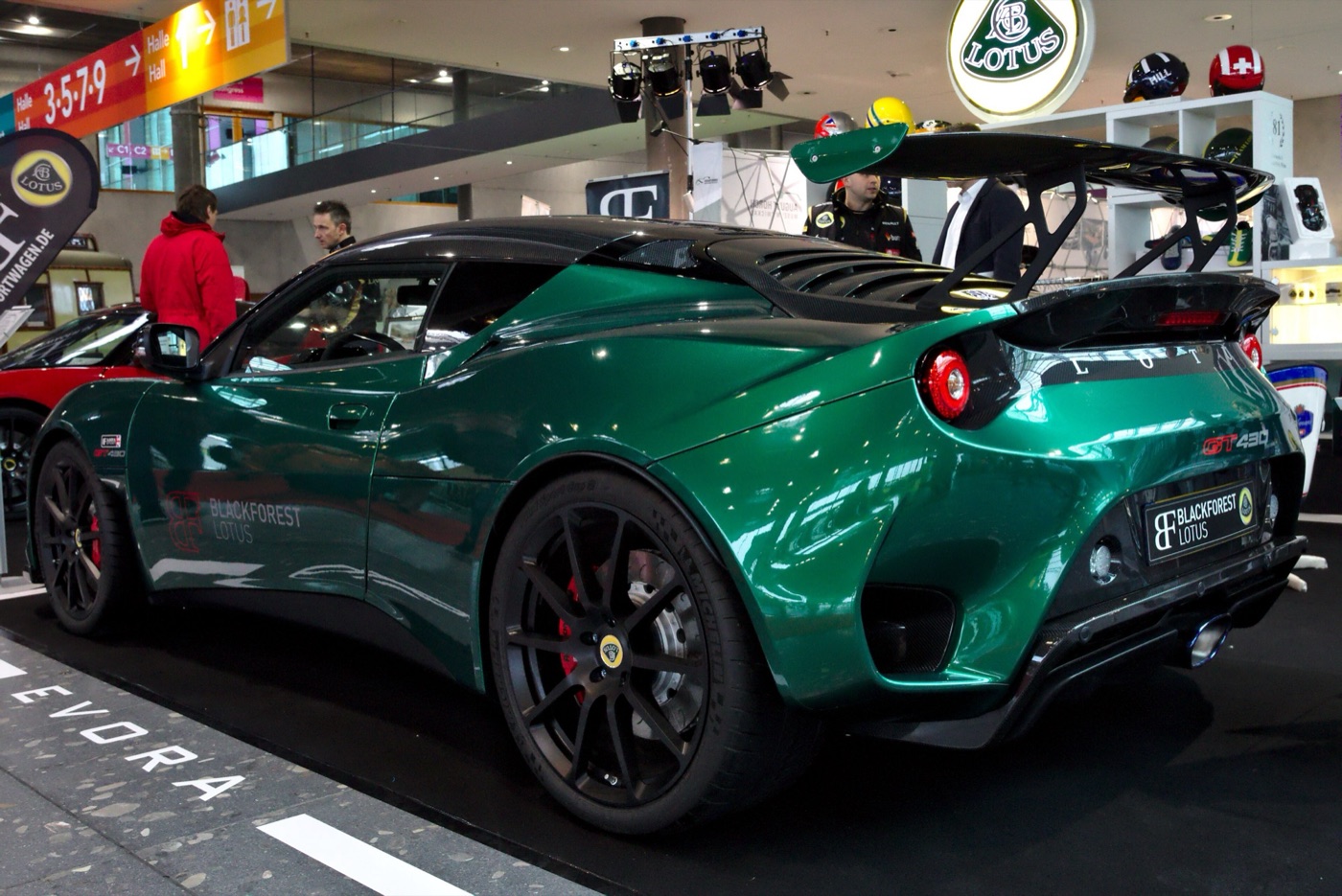
The GT430 has carbon front and rear bumpers, a full-width carbon rear wing, a titanium exhaust and Michelin Pilot Sport Cup 2 tyres, and Lotus said "just 60 editions" would be built. Lotus took weight out from beyond both axles for better agility, and the dry weight is 1,258kg. The GT430 Sport drops the wing for lower drag and 100kg of downforce. They cost £112,500 and £104,500. The GT badge recalls the Esprit V8 GT and Esprit GT3 of the 1990s, Lotus said.
Evora GT410 Sport (2018) and GT410 (2020)
The GT410 Sport replaced the Sport 410 in Lotus's 70th year, with the GT430's front and rear panels but less of its aero: 96kg of downforce, 50% more than the Sport 410, and 1,297kg unladen, as a two-seater or 2+2. The Lotus Evora GT410 of January 2020 is the comfortable version, with Sparco seats, air conditioning, a reversing camera, Apple CarPlay, DAB radio, more sound insulation against road noise and softer dampers, at £82,900, £3,000 less than the GT410 Sport.
Evora GT for North America (2019)
Lotus built the Evora GT for North America from the 2020 model year, replacing the 400 and Sport 410 there. It has 416bhp and 430Nm and reaches 60mph in 3.8 seconds. In the first half of 2021, its last year, Lotus said US Evora GT sales were 121% up on the year before and had already passed the whole of 2020.
Evora 414E Hybrid (2010)
Lotus Engineering's technology demonstrator at the 2010 Geneva show was a plug-in Evora with an electric motor for each rear wheel, 414PS in all, a 17kWh battery good for up to 35 miles and a 1.2-litre three-cylinder engine as a generator. Lotus called it a technology demonstrator.
Lotus Evora in racing: the Evora Cup, GT4 and GTE
The racing Evoras carry Lotus type number 124 and ran in GT4, the GTE class at Le Mans, British endurance racing and Super GT. They won a British endurance title in 2012 and two Super GT races, and took a class podium in their first 24-hour race.
The Evora Cup and Jarno Trulli, 2010
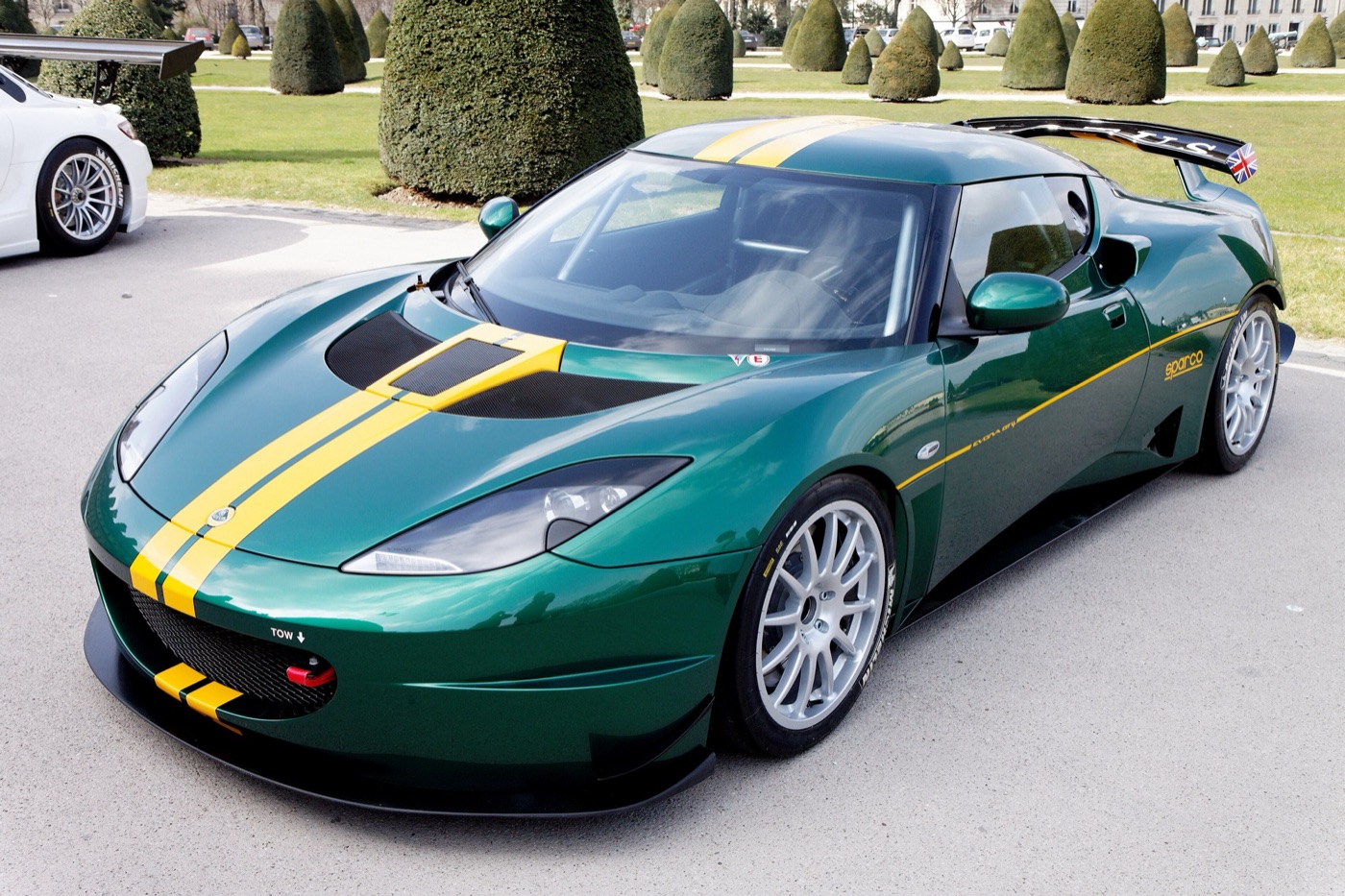
The Evora Cup made its public debut at Autosport International in Birmingham in January 2010, and its first test was at a snowy Snetterton on 10 and 11 February 2010 with the Lotus Formula One driver Jarno Trulli and his race engineer Gianluca Pisanello. Lotus's release of 11 February 2010 says the pair worked on the aerodynamic balance, the suspension geometry and the engine calibration. "It was very rewarding to be the first to drive the Evora Cup race car even though the snowy conditions at Snetterton were fairly challenging at times!" Trulli said. A SkiddMark report that month gave the same prices: £120,000 before taxes for the sprint version and £150,000 for the endurance car, with the final design due at the Geneva show in March 2010.
The GT racer Johnny Mowlem and Lotus's product manager Gavan Kershaw also worked on the car, and in August 2010 the IndyCar driver Takuma Sato and the 1996 Champ Car champion Jimmy Vasser drove it at Laguna Seca. The GT4 car had 360PS and weighed 1,190kg, nearly 200kg less than the road car.
First race: the Nürburgring, August 2010
Lotus rookie Ollie Hancock gave the Evora GT4 its race debut at the GT4 European Cup round at the Nürburgring on 28 and 29 August 2010, as a guest entry outside the points. According to the series' own report, he was fastest in the first qualifying session, crossed the line just ahead of the winning Ginetta G50 in race one with the fastest lap, and was second in race two. In 2011 Stefano D'Aste won the third race at Zandvoort in April in Scuderia Giudici's Evora GT4.
Dubai 24 Hours with the Mansell brothers, 2011
The Evora GT4 Endurance's first race was the Dubai 24 Hours on 14 and 15 January 2011, with an engine updated by Cosworth. Nigel Mansell's sons Leo and Greg shared it with Mowlem, D'Aste and Gianni Giudici, 31 years after their father made his Formula One debut for Lotus. "It's a great feeling to see both my boys working with Lotus and it brings back some very fond memories for me," Mansell said in Lotus's preview, which SkiddMark also carried. The brothers had raced at Le Mans with him in 2010 until a suspected slow puncture ended the attempt.
The car missed testing and qualifying through logistical delays and started from the back. It lost time while the mechanics changed two driveshafts, and still finished 22nd overall and third in the GT4 class, Lotus reported after the race.
Le Mans 24 Hours and the Evora GTE, 2011
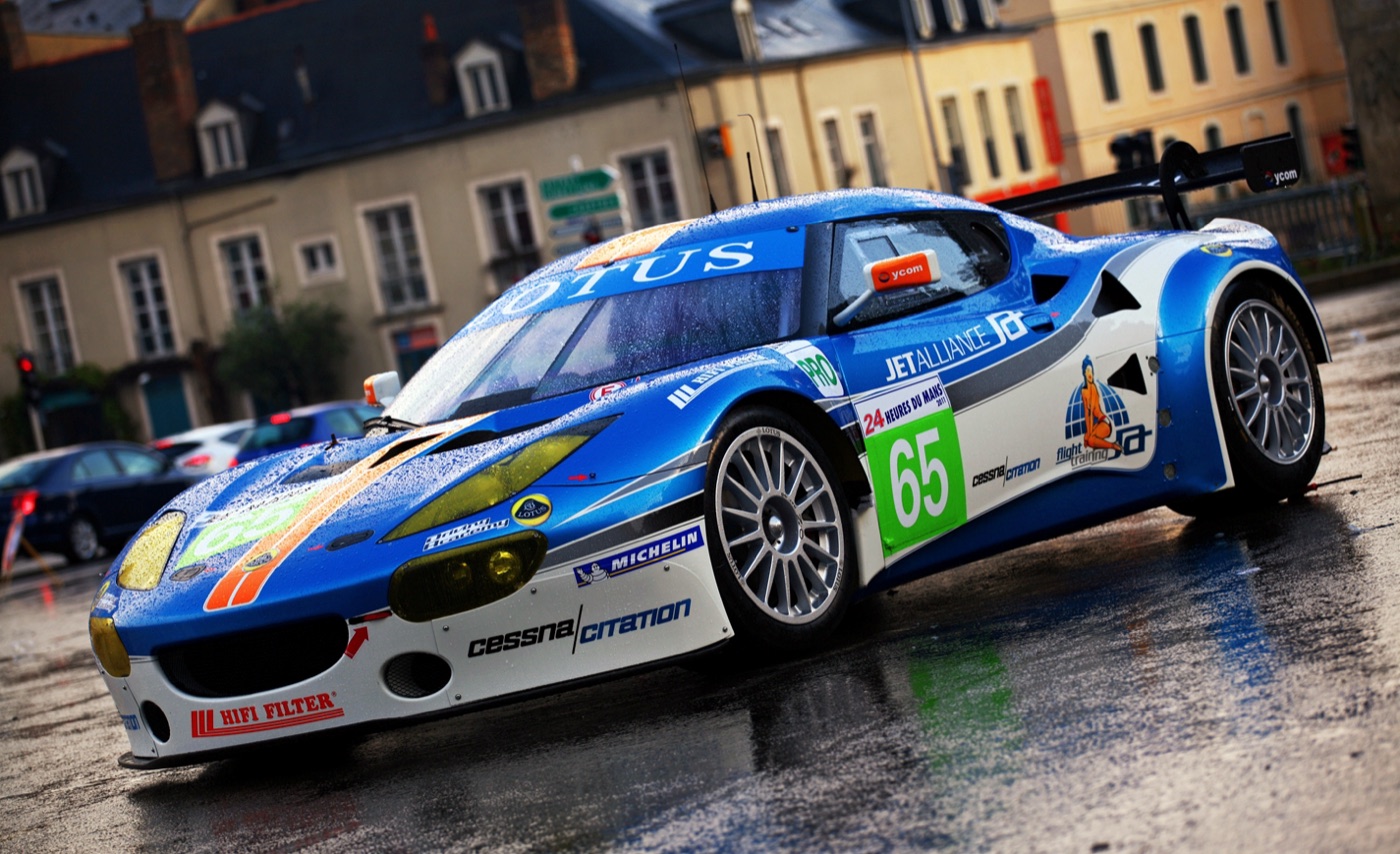
Two Evora GTEs run by Jetalliance started the 2011 Le Mans 24 Hours in GTE Pro. The race classification has the No. 65 car of Johnny Mowlem, James Rossiter and Fabio Hirschi 22nd overall and seventh in class after 295 laps; the No. 64 retired after 126. Lotus's later releases claim "a podium at Le Mans", but the official classification contradicts it: the best Evora finished seventh in GTE Pro in 2011.
British endurance title, 2012
Team Bullrun's Richard Adams, David Green and Martin Byford won the 2012 Britcar MSA British Endurance Championship in an Evora GTC, with five class wins in eight rounds, the last at Donington Park. "Class Three has been the hardest fought class in Britcar this year," Byford told The Checkered Flag on the night. Kershaw also won a British GT4 title in an Evora, he said in 2021.
Super GT in Japan, 2015 to 2021
From 2015 Cars Tokai Dream28 raced an Evora MC in the GT300 class of Super GT. It is a Mother Chassis car, built by Mooncraft on a standard Dome tub with a GTA-supplied engine, so it shares its looks more than its parts with the road car. Hiroki Katoh and Masataka Yanagida gave it its first win at Fuji in August 2020, Dailysportscar reported, and Katoh and Ryohei Sakaguchi won at Motegi in July 2021 for the Inging and Cars Tokai team.
How many Lotus Evoras were made?
Lotus built 6,117 Evoras from 2009 to 2021, according to its release of 22 December 2021, against 35,124 Elises and 10,497 Exiges built from 1996. Lotus does not publish a breakdown by year or version. The limited models were 60 each of the GT430 and GT430 Sport, as Lotus announced them, and about 25 GTE road cars.
How many Lotus Evoras are left in the UK?
DVLA records list 906 Evoras in the UK at the end of June 2026: 724 licensed for the road and 182 declared off the road (SORN), from the Department for Transport's licensing table VEH0120. The table adds up DVLA's model names by version.
| Version (DVLA model names) | Licensed | SORN | Total |
|---|---|---|---|
| Evora, IPS and Sports Racer | 266 | 64 | 330 |
| Evora S, S IPS and S Sports Racer | 176 | 85 | 261 |
| Evora 400 and 400 Auto | 140 | 12 | 152 |
| Evora Sport 410 | 37 | 5 | 42 |
| Evora GT410 Sport | 84 | 9 | 93 |
| Evora GT430 and GT Sport 430 | 21 | 7 | 28 |
| All Evoras | 724 | 182 | 906 |
Source: DfT/DVLA table VEH0120, 2026 Q2. DVLA files the 2020 GT410 with the GT410 Sport.
Lotus Evora prices new and values today
A Lotus Evora cost £47,500 new in 2009 and £112,500 as a GT430 in 2017; in October 2026 the cheapest for sale in the UK were early cars at about £27,000.
| Version | Year | UK price new |
|---|---|---|
| Evora | 2009 | £47,500 |
| Evora IPS automatic | 2011 | £51,000 |
| Evora Sports Racer / Evora S Sports Racer | 2012 | £57,900 / £65,900 |
| Evora 400 | 2015 | £72,000 |
| Evora 400 Hethel Edition | 2016 | £75,500 |
| Evora Sport 410 | 2016 | £82,000 |
| Evora GT430 Sport | 2017 | £104,500 |
| Evora GT430 | 2017 | £112,500 |
| Evora GT410 | 2020 | £82,900 |
Sources: evo, PistonHeads and Lotus releases.
How much is a Lotus Evora worth now?
On 28 October 2026 Autotrader listed 21 Evoras for sale in the UK. Asking prices for the cars on its first page were £26,990 and £27,250 for early Evoras, £29,995 to £43,990 for Sports Racers, £40,995 to £50,995 for Evora 400 automatics, £59,960 for a GT410 and £66,995 for a GT410 Sport, with one Evora S IPS at £150,000. These are asking prices, not sale prices.
The Evora lost value fast when new: the PistonHeads pocket guide warned that its residuals were "unlikely to match a mid-level Porsche". As the end of production neared in 2021, PistonHeads found nearly new GT410s advertised at close to £90,000 and used 400s at under £45,000. Of the rarer cars, one of the 20 GTE-based cars, car number 14, was offered at £87,500 with 6,000 miles.
Owning a Lotus Evora: reliability and known faults
The Evora's Toyota engine is a strong point and rust is not an issue for its aluminium and composite structure, so most of what goes wrong is in the electrics, trim and ancillaries, according to the PistonHeads guides to the early cars and the 400.
Is the Lotus Evora reliable?
Mostly, if it has been looked after. The engine itself rarely gives trouble; the known exception is a batch of supercharger failures on Evora 400s, mostly early US cars, with Edelbrock superchargers. Early air-conditioning condensers sat where stones could puncture them, and a red dot on the condenser shows one was replaced under warranty. The gearshift on early manuals is baggy, which the 400 and 410's tighter cables put right, though the clutch stays heavy.
Known faults to check
- Damp in the passenger footwell from misrouted condenser pipes or blocked air-con drains.
- Window motors, central locking and, on early cars, the reversing camera.
- Door handle parts on early cars, and tailgates dented by their own rubber stops.
- Boot lids that ignore the dashboard release button, and fuel filler caps that will not relatch.
- A dashboard airbag cover that bubbles or lifts in hot weather (Evora 400), which means taking much of the dash out to fix.
- Batteries that go flat if a 400 stands for more than a week or so.
- Uneven tyre wear, a sign of knocked suspension geometry, and lacquer peeling off the wheels.
Servicing and running costs
On the 400 the pollen filter, brake and hydraulic fluid reservoirs and washer filler sit under a small carbon cover at the base of the windscreen, which makes the filter an easy maintenance item. PistonHeads put a major service at £400 to £650 in 2020, depending on whether the spark plugs are due; they are changed every 54,000 miles and cost about £200 a set from Lotus or under £100 from Toyota. In March 2020 Lotus cut the price of its first service on the Evora, Elise and Exige by an average of 37%. For fuel, Lotus promised more than 30mpg on the combined cycle in 2008 and quoted 205g/km of CO2 in 2009; one owner told evo he got 25mpg in mixed driving and 30mpg on a run.
Lotus Evora rivals
The Evora's rival from the start was the Porsche Cayman, though evo's reporter at the 2008 preview felt the team had spent a lot of time looking at the 911. Its 2009 award wins came against the Aston Martin V12 Vantage, Porsche 911 GT3 and Nissan GT-R in Autocar's test, and against cars from Lamborghini, Ferrari, Porsche and Aston Martin in evo's. Later Evoras were priced against the Cayman and its GT4 version: the £72,000 Evora 400 cost more than a Cayman GT4, and PistonHeads called the straight 400 "at least as good to drive" as the Porsche. Until BMW's i8 arrived, the Evora was the only mid-engined 2+2 on sale, the Lane Motor Museum notes.
Lotus Evora reviews: what the press said
The Evora won three of Britain's big magazine awards in its first year. Nine of Autocar's ten judges put it first in Britain's Best Driver's Car 2009, run on the roads of the South Downs and at Goodwood; Autocar's editor Chas Hallett called it "brilliant on the track. Nimble, delicate and forgiving. Even better on the road," Lotus's release of 12 August 2009 recorded. evo made it Car of the Year 2009 after a 13-car, 1,000-mile test, and CAR named it its Performance Car of the Year. For Top Gear magazine's Sports Car of the Year, its editor Conor McNicholas said the Evora "takes Lotus to a new place in terms of quality", according to Lotus's December 2009 release.
The complaints were about the cabin and the price. The PistonHeads pocket guide praised a ride with "more comfort than many superminis" and the steering, but listed "questionable perceived quality, poor standard spec" and a price that put it against quicker, more practical cars. Gavan Kershaw, by then Lotus's director of vehicle attributes, said in 2021 that the Evora "showed that you can have high performance and award-winning handling without sacrificing the longer-journey GT ability". Reviewing the Evora GT that year, MotorTrend wrote that "the Evora's ability to deliver serious performance without beating up its driver has always been its greatest strength".
Questions
Where was the Lotus Evora built?
Every road Evora was built by hand at Lotus's factory at Hethel, near Norwich in Norfolk, from 2009 until December 2021.
Who designed the Lotus Evora?
Russell Carr led the design, starting with sketches in August 2006; Anthony Bushell designed the interior and Richard Rackham was the vehicle architect.
Can you get a Lotus Evora with an automatic gearbox?
Yes. The IPS six-speed torque-converter automatic with paddles was offered from 2011, and the 400, 410 and GT430 families all had an automatic option.
How big is the Lotus Evora boot?
It holds 160 litres, behind the engine, and Lotus said it takes a set of golf clubs.
What is the most powerful Lotus Evora?
The GT430 and GT430 Sport of 2017, with 430hp from the supercharged 3.5-litre V6; the GT430 Sport is also the fastest, at 196mph.
What did Jarno Trulli do with the Lotus Evora?
He gave the Evora Cup race car its first test, at Snetterton on 10 and 11 February 2010, and worked on its aerodynamic balance, suspension set-up and engine calibration with his race engineer Gianluca Pisanello.
Was the Lotus Evora sold in America?
Yes. North America had the Evora 400 as a 2017 model from early 2016, the Sport 410 from 2017 and its own Evora GT from the 2020 model year.
Sources
- evo, "Lotus Evora breaks cover", preview at Hethel, July 2008: launch prices and targets, design brief, chassis, engine and spec.
- evo, "Lotus Evora buying guide": 2009 price, Launch Editions, UK sales, options, owner's fuel figures.
- PistonHeads, "Lotus Evora (2009-): PH Pocket Buying Guide": early-car performance, option packs and prices, faults, reception.
- PistonHeads, "Lotus Evora 400: PH used buying guide", 2021: prices of the 400 to GT430, GTE road cars, faults, servicing, 2021 values.
- Lane Motor Museum, "Lotus Evora S Type 122, 2013": name, type number, Harrop supercharger, the only mid-engined 2+2.
- Lotus Cars, "Autocar crown Evora Britain's Best Driver's Car 2009", 12 August 2009, reprinted by Lotus Drivers Guide: the Autocar test and the extra assembly staff.
- AutoGuide, "Lotus Evora wins evo magazine's Car of the Year award", November 2009: evo Car of the Year and CAR's Performance Car of the Year.
- Autoblog, "Lotus Evora called UK's best driver's car by Autocar", 14 August 2009: the cars it beat in Autocar's test.
- Lotus Cars, "Lotus Evora wins BBC Top Gear magazine Sports Car of the Year 2009", 3 December 2009, reprinted by the Golden Gate Lotus Club: the award and McNicholas's comment.
- Lotus Cars, Evora 414E Hybrid release, February 2010, reprinted by the Golden Gate Lotus Club: the hybrid and the Versatile Vehicle Architecture chassis.
- Lotus Cars, "Jarno Trulli develops his first Lotus race car", 11 February 2010, reprinted by the Golden Gate Lotus Club: the Evora Cup's first test, quotes and prices.
- Lotus Cars, Evora S and IPS announcement, 26 August 2010, reprinted by the Golden Gate Lotus Club: the Evora S, IPS and Paris debut.
- Lotus Cars, Evora Cup/GT4 Nürburgring debut, 27 August 2010, reprinted by Lotus Drivers Guide: GT4 power, weight, type number and development drivers.
- European GT4 via Motorsport.com, "EU-GT4: Series Nurburgring summary", August 2010: Hancock's results.
- Lotus Cars, "2012 Lotus Evora updates", August 2011, reprinted by the Golden Gate Lotus Club: the 2012 model year changes.
- Lotus Cars, "Lotus and Mansell, friends reunited", January 2011, reprinted by Racecar: the Dubai line-up, Mansell's quote and the Cosworth engine.
- Lotus Cars, "Lotus Evora GT4 Endurance on the podium in Dubai", January 2011, reprinted by Racecar: the Dubai result.
- Racing Sports Cars, GT4 European Cup Zandvoort race 3, 25 April 2011: D'Aste's win.
- Racing Sports Cars, 24 Hours of Le Mans results, 12 June 2011: both Jetalliance Evoras.
- The Checkered Flag, "Britcar champions Bullrun winning the hard way", November 2012: the 2012 British Endurance Championship.
- Lotus Cars, "The Lotus Evora just got better!", December 2012, reprinted by the Golden Gate Lotus Club: the Sports Racer.
- Lotus Cars, "First Lotus Evora 400 drives off the assembly line at Hethel", July 2015, reprinted by the Golden Gate Lotus Club: Evora 400 performance, lap time and deliveries.
- Lotus Cars, "Lightening strikes again: the Lotus Evora Sport 410", 25 February 2016, reprinted by the Golden Gate Lotus Club: the Sport 410.
- Lotus Cars, "Precision, beauty and performance: the new Lotus Evora GT430", July 2017, reprinted by the Golden Gate Lotus Club: the GT430.
- Lotus Cars, "The new Lotus Evora GT410 Sport", January 2018, reprinted by the Golden Gate Lotus Club: the GT410 Sport.
- Lotus Cars, Evora GT for North America release, 2019 (archived): the Evora GT.
- Lotus Cars, "Lotus launches new Evora GT410", 29 January 2020 (archived): the GT410, its price and Lotus's owners.
- Lotus Cars, final year of production, 25 January 2021 (archived): the last year and Lotus's Le Mans claim.
- Lotus Cars, "Lotus Evora GT sales in USA hit new high", 2021 (archived): US sales and the MotorTrend quote.
- Lotus Cars, "Production ends for Lotus Elise, Exige and Evora", 22 December 2021 (archived): 6,117 Evoras, the last car, the Emira; also reprinted by the Golden Gate Lotus Club with Kershaw's comment.
- Dailysportscar, Super GT Fuji report, August 2020: the Evora MC's first GT300 win.
- Motorsport.com, "Future of Lotus Evora in Super GT in doubt", 2021: the Motegi win and the Mother Chassis.
- Department for Transport, vehicle licensing statistics, table VEH0120 (UK), 2026 Q2: Evoras licensed and SORN.
- Autotrader, used Lotus Evora listings, 28 October 2026: asking prices.
- SkiddMark, "Jarno Trulli develops the Lotus Evora Cup", February 2010, and "Lotus and Mansell are reunited for Dubai 24 hours", January 2011: the Snetterton test, Evora Cup prices and the Dubai preview.