Lotus F1 Team: the Enstone team from Lotus Renault GP to Renault
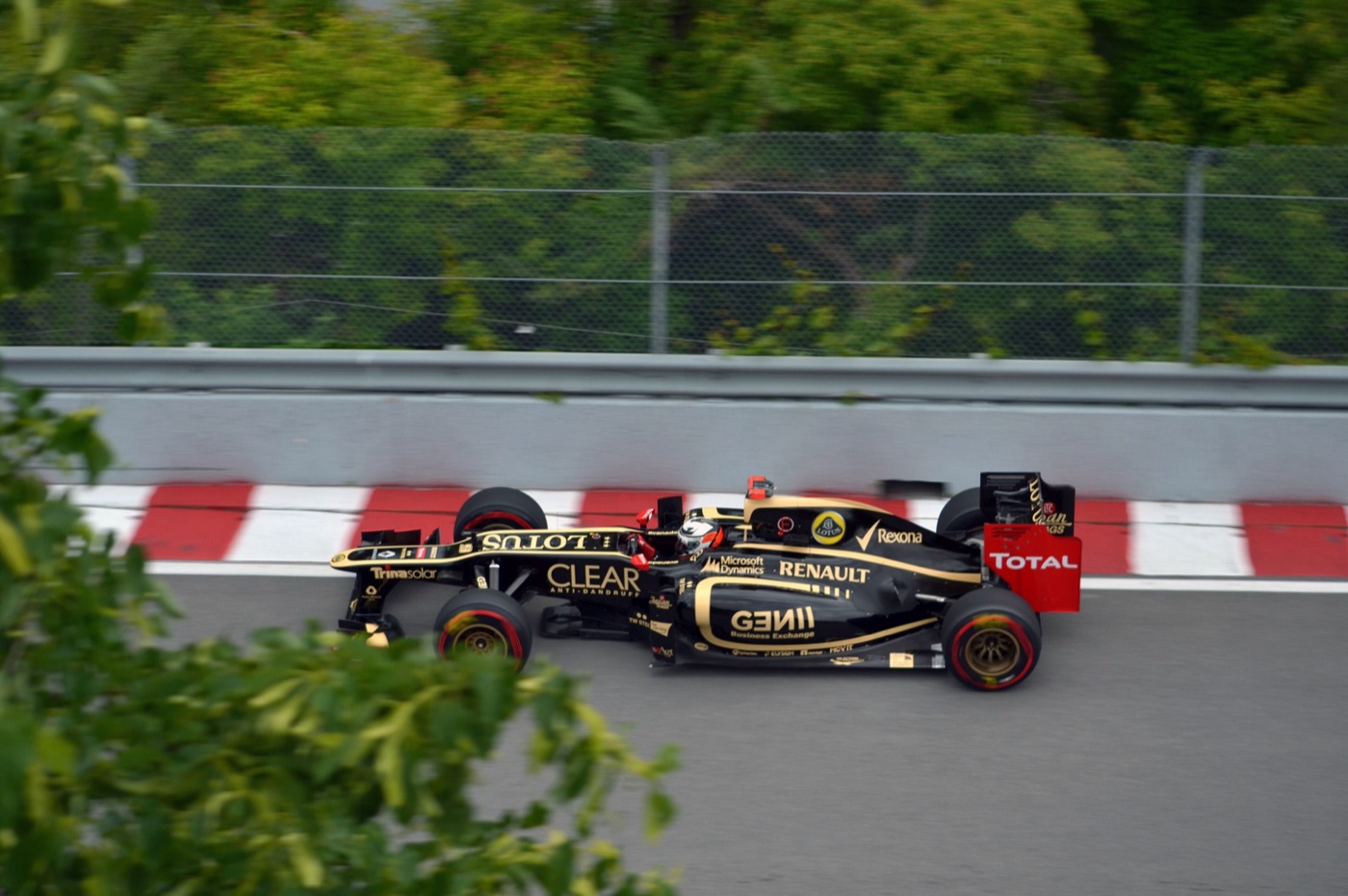
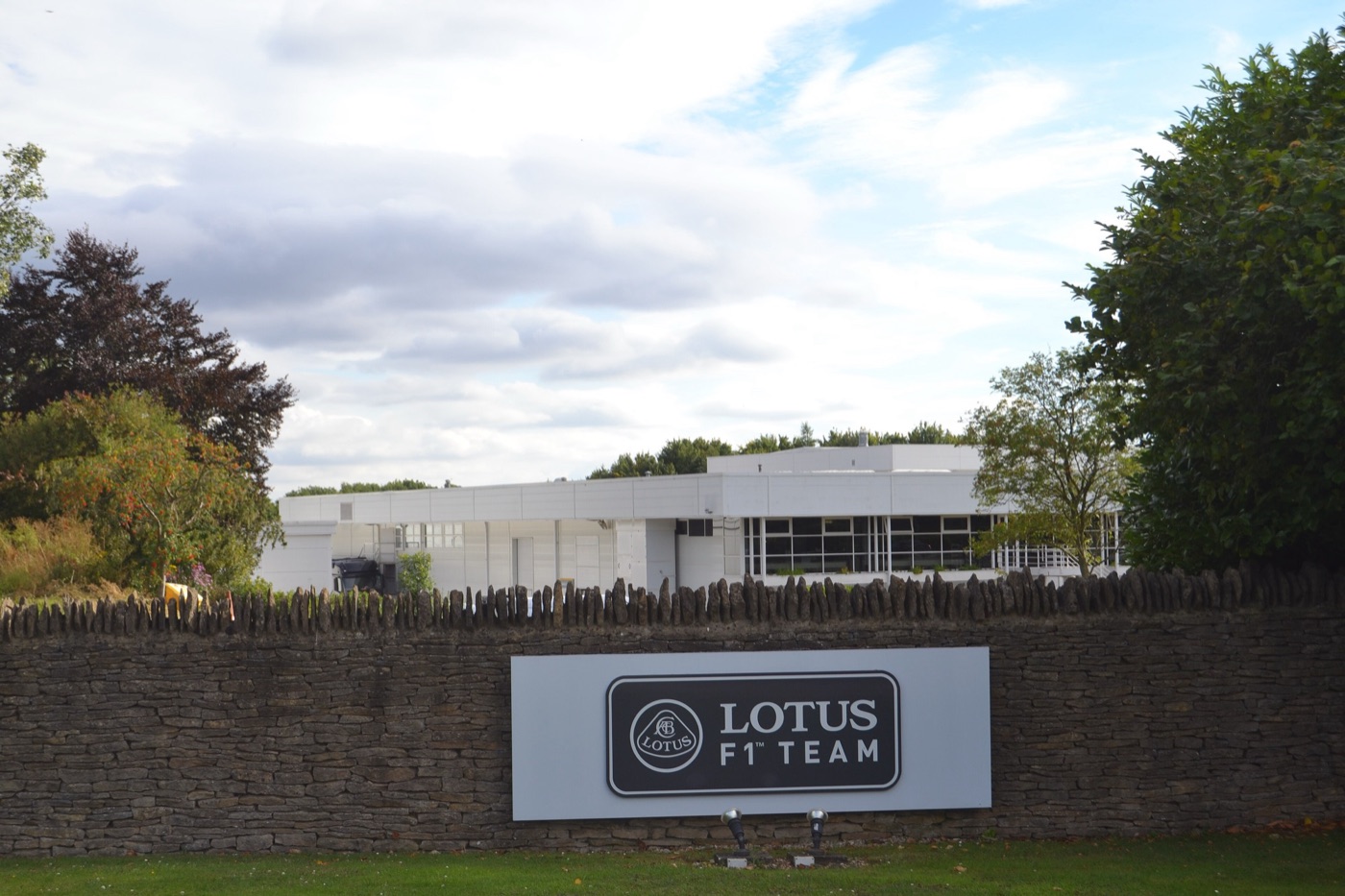
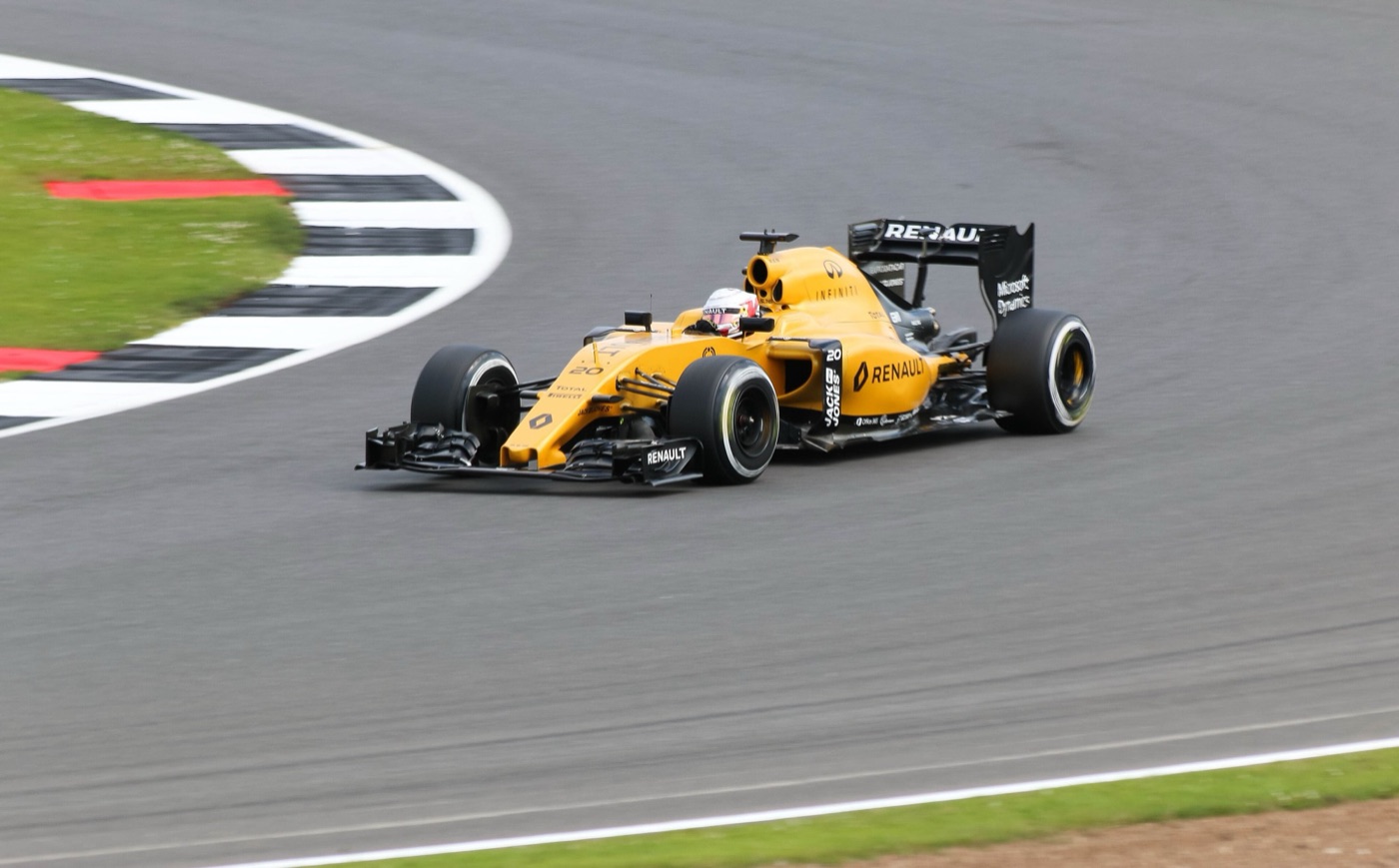
Lotus F1 Team was the Formula 1 team based at Enstone in Oxfordshire that raced under the Lotus name from 2012 to 2015: the former Renault works team, owned by the Luxembourg investment firm Genii Capital, which had raced as Lotus Renault GP in 2011. In 77 Grands Prix as Lotus it won twice, both times with Kimi Räikkönen (Abu Dhabi 2012 and Australia 2013), took 25 podiums and finished fourth in the constructors’ championship in 2012 and 2013. It ran short of money in 2015, and Renault bought it back in December 2015 for £1, according to company documents; the same factory raced as the Alpine F1 Team from 2021.
The team was never part of Colin Chapman’s Team Lotus or of the road-car company in Norfolk. The Lotus name came from a sponsorship and licence deal with Group Lotus; the car company’s owners are on our page who owns Lotus Cars, and the rival Malaysian team that raced as Lotus Racing and Team Lotus in 2010 and 2011 has its own page, Caterham F1 Team.
Lotus F1 Team results by season
The Enstone team scored 706 points as Lotus F1 Team, with its best seasons the first two. The table covers the six seasons Genii Capital owned the team: as Renault in 2010, as Lotus Renault GP in 2011 and as Lotus F1 Team from 2012.
Lotus F1 Team in numbers
In four seasons and 77 races as Lotus F1 Team the cars took two race victories, 25 podiums and five fastest laps, but no pole positions in qualifying. The best starting position was second, by Grosjean at the 2012 Hungarian Grand Prix and Räikkönen at the 2013 Chinese Grand Prix. Räikkönen set four of the fastest laps (Malaysia and Britain in 2012, Australia and India in 2013) and Grosjean one, in Spain in 2012; all are counted from Formula1.com’s starting grids and fastest-lap tables.
| Season | Entered as | Car | Engine | Race drivers | Wins | Podiums | Points | Constructors’ place |
|---|---|---|---|---|---|---|---|---|
| 2010 | Renault F1 Team | R30 | Renault | Robert Kubica, Vitaly Petrov | 0 | 3 | 163 | 5th |
| 2011 | Lotus Renault GP | R31 | Renault | Nick Heidfeld, Vitaly Petrov, Bruno Senna | 0 | 2 | 73 | 5th |
| 2012 | Lotus F1 Team | E20 | Renault | Kimi Räikkönen, Romain Grosjean, Jérôme d’Ambrosio | 1 | 10 | 303 | 4th |
| 2013 | Lotus F1 Team | E21 | Renault | Kimi Räikkönen, Romain Grosjean, Heikki Kovalainen | 1 | 14 | 315 | 4th |
| 2014 | Lotus F1 Team | E22 | Renault | Romain Grosjean, Pastor Maldonado | 0 | 0 | 10 | 8th |
| 2015 | Lotus F1 Team | E23 Hybrid | Mercedes | Romain Grosjean, Pastor Maldonado | 0 | 1 | 78 | 6th |
Points and places from Formula1.com’s constructors’ standings for each year; wins and podiums counted from Formula1.com’s race results, and the 2010 podiums from the team’s own December 2010 statement. Formula1.com lists the 2011 car as a “Renault”, because the chassis kept the Renault name that year, and lists the Malaysian Team Lotus of 2011, which also used Renault engines, under the Lotus name.
Lotus F1 Team history: Toleman, Benetton and Renault
Lotus F1 Team was the old Toleman, Benetton and Renault team. The company that owned it in its Benetton and Renault years, Grigny (UK) Ltd, dates from 1977 and was called Benetton (UK) Ltd from December 1979 to March 2000, and Renault kept owning the team through it after buying Benetton, Adam Cooper found in the company accounts. As Benetton, the team won the constructors’ championship in 1995 and Michael Schumacher won the drivers’ titles in 1994 and 1995, Formula1.com’s standings show; as Renault, it won both championships in 2005 and 2006.
Why did Renault sell its Formula 1 team?
Renault, the French carmaker, sold the team after the 2009 season, when its board wanted out of Formula 1 without closing the doors. That year the “Crashgate” affair (Nelson Piquet Jr’s deliberate crash at the 2008 Singapore Grand Prix) had cost the team its principal Flavio Briatore, its technical boss Pat Symonds and its title sponsor ING, as Motor Sport’s October 2012 profile of the team put it: “It was a mess.”
Genii Capital buys Renault F1
On 16 December 2009 Renault announced it had sold a large shareholding in the team to Genii Capital, an investment company in Luxembourg run by Gérard Lopez and Eric Lux, and would stay as engine supplier and part-owner, GrandPrix.com reported the same day. Renault did not give the size of the stake; the team raced on as Renault F1 Team in 2010. With the encouragement of Bernie Ecclestone, Genii took over and installed Eric Boullier, a Frenchman from the GP2 series, as team principal.
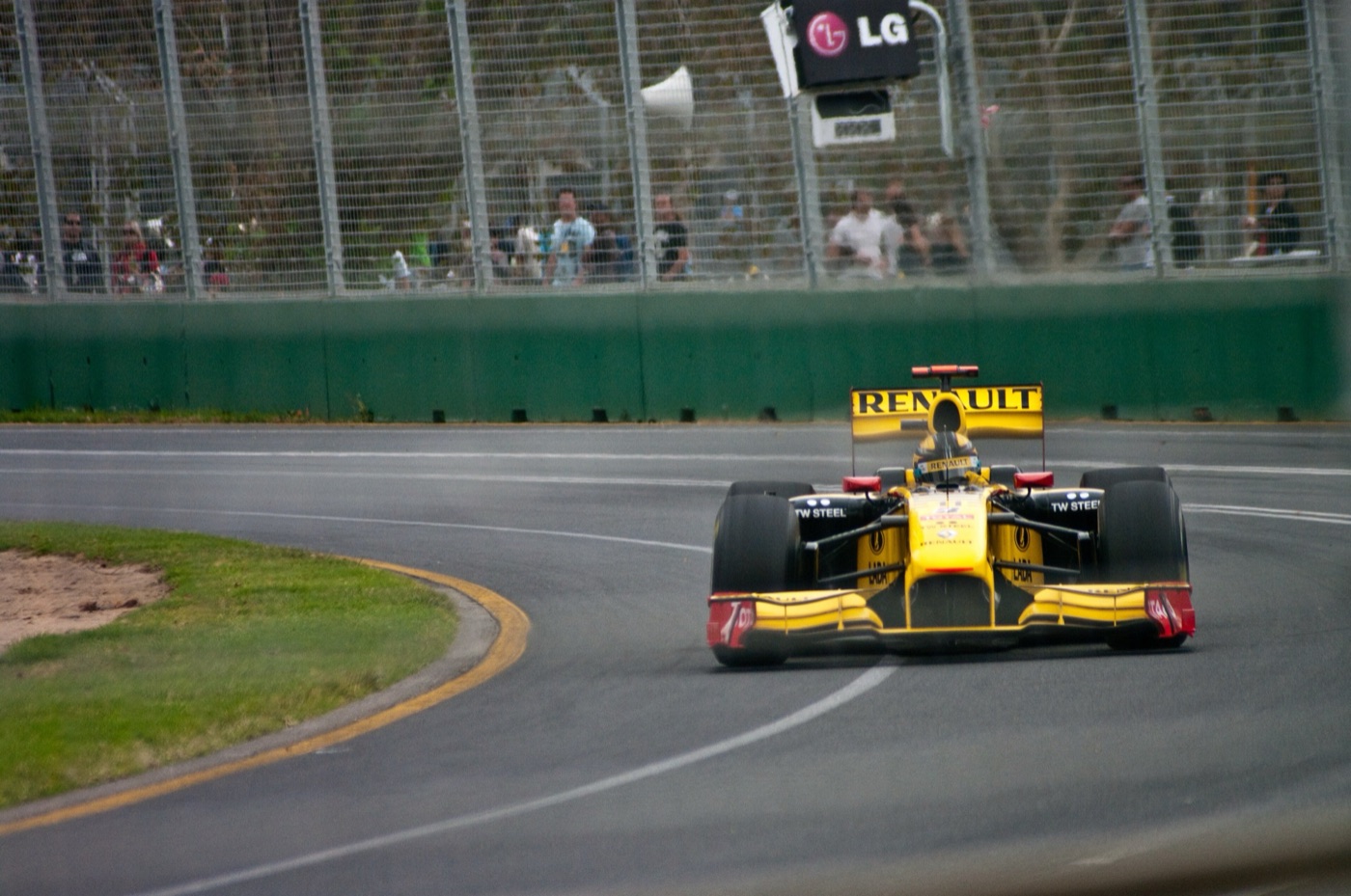
In 2010 Robert Kubica scored 136 of the team’s 163 points and took three podiums, and the team finished fifth. Lopez told Motor Sport that when Genii took over, the car “wasn’t really sponsored”: the team had to re-sign Total, and the only other sponsor left was the watch brand TW Steel. Boullier said the team was spending “something like 30 per cent less” by 2012 than in 2009, with more staff.
Lotus Renault GP, 2011
For 2011 the Renault team became Lotus Renault GP, after Genii Capital and Group Lotus, the Proton-owned maker of Lotus road cars, announced a partnership on 8 December 2010. Renault sold its remaining shares to Genii, and Group Lotus was to become “a major equity partner” and title sponsor under an agreement running to the end of 2017, the joint announcement, published by Pitpass, said. The car kept the Renault chassis name.
The black and gold livery
The 2011 cars raced in black and gold, which the announcement described as the colours “last used when Lotus and Renault joined forces in the 1980s”. Group Lotus’s chief executive Dany Bahar said: “we are Lotus and we are back.” Before the R31 was ready, the team painted a 2010 car in the new colours; a December 2010 SkiddMark report on that show car also recorded Vitaly Petrov’s new two-year contract, with Boullier saying a stable line-up was “essential to achieving our targets”.
Renault Sport F1 becomes an engine supplier
With the Lotus deal, Renault stopped owning a team and became an engine supplier through a new company, Renault Sport F1, based at Viry-Châtillon. For 2011 it supplied three teams: Lotus Renault GP, the world champions Red Bull Racing and the Malaysian team that raced as Team Lotus, SkiddMark reported on the day of the announcement. Carlos Ghosn, Renault’s chief executive, said that “2011 opens a new chapter in our historical involvement in Formula 1”.
Kubica’s rally crash
Robert Kubica, the team’s lead driver, was badly hurt on 6 February 2011 when he crashed at the Ronde di Andora rally in Italy, and missed the whole season, Al Jazeera reported when he left hospital that April. “Robert was in a coma, and at one point we thought he might die,” Boullier told Motor Sport in 2025. Nick Heidfeld replaced him.
Motor Sport later called the R31’s side exhaust “a brave effort” that “might not have worked”. It began well: Petrov finished third at the Australian Grand Prix and Heidfeld third at the Malaysian Grand Prix, Formula1.com’s results show. The team then fell behind in development and finished fifth with 73 points, four ahead of Force India.
Why was Nick Heidfeld replaced by Bruno Senna?
Lotus Renault GP dropped Heidfeld for Bruno Senna from the Belgian Grand Prix in August 2011, with eight races left. Boullier told the Associated Press, as Crash.net reported, that the decision had “nothing to do with money” and that Heidfeld had not become the team’s leader: “When you are slower than Vitaly most of the time, it’s difficult for him to push the team.” Heidfeld took the team to court over his contract, and Senna kept the seat for the rest of the season.
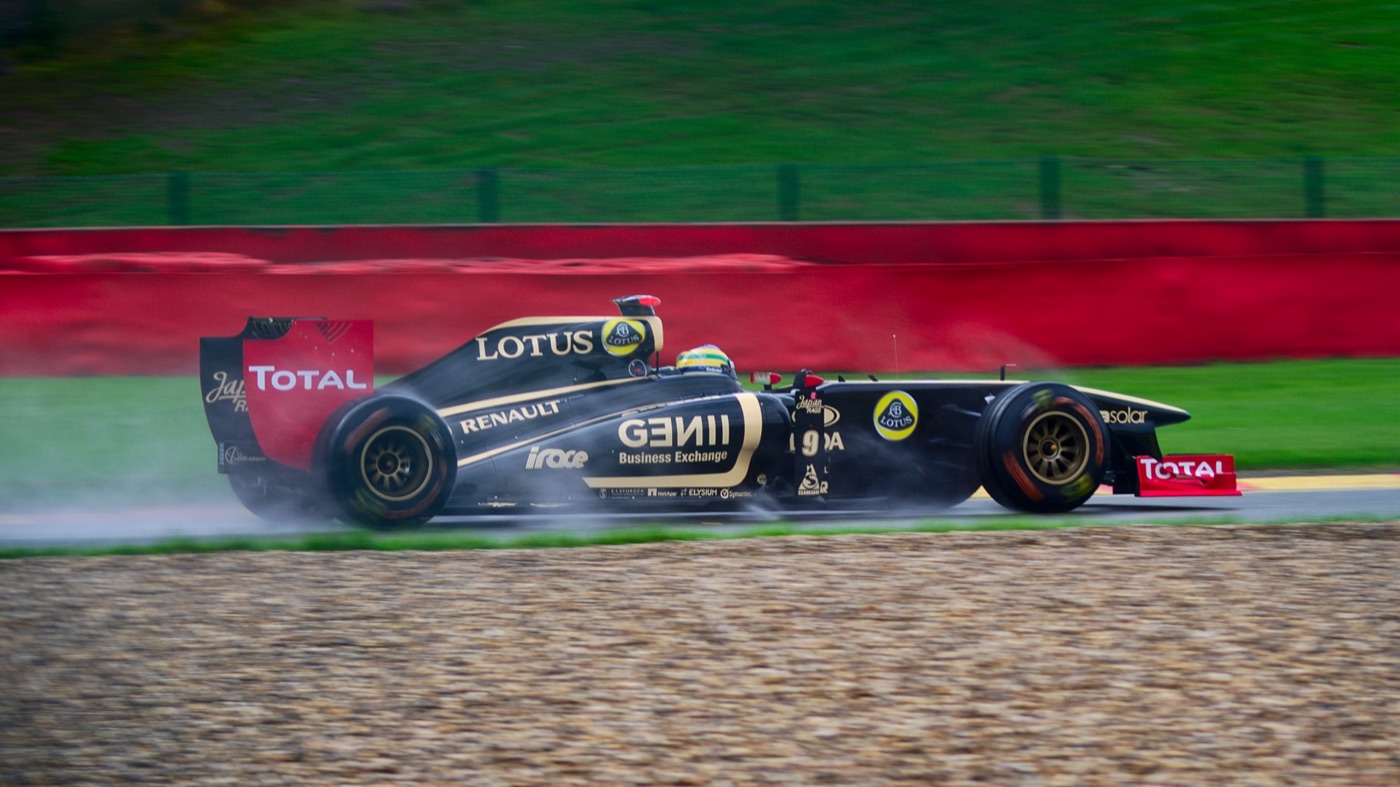
Senna scored two points in his eight races. When the team confirmed Romain Grosjean alongside Räikkönen for 2012 on 9 December 2011, Senna and Petrov were both out; on the same day Senna appeared at the opening of Group Lotus’s first Lotus Originals shop at Hethel, a SkiddMark report noted. Boullier also confirmed that Petrov’s contract had been terminated. Senna moved to Williams for 2012.
The Lotus name dispute
In 2011 two teams on the grid used the Lotus name: Lotus Renault GP, backed by Group Lotus, and Tony Fernandes’s Team Lotus, which had bought the rights to Chapman’s old Team Lotus name. The High Court ruled on 27 May 2011 that Fernandes could keep racing as Team Lotus and that Group Lotus could use its own Lotus name in Formula 1. The dispute ended in November 2011, when Fernandes settled with Proton and Group Lotus, giving up the Lotus and Team Lotus names in Formula 1, and his team became Caterham F1 Team, F1technical reported. The F1 Commission approved the chassis name changes for Caterham, Lotus and Marussia on 3 November 2011, so that from 2012 the Enstone car would be a Lotus. The court case is covered in full on our Caterham F1 page.
Why was it called Lotus F1 Team?
The team took the name Lotus F1 Team for 2012 because of the Group Lotus title deal, and kept it after that deal collapsed. The FIA’s entry list for the 2012 Formula One World Championship named it “Lotus F1 Team (GBR)”, entering a Lotus chassis with a Renault engine.
The end of the Group Lotus sponsorship
Genii ended the title sponsorship in April 2012, after the Malaysian government sold Group Lotus’s parent Proton to the private conglomerate DRB-Hicom. “The sponsorship agreement and the obligations of Lotus have been terminated,” Lopez told Autosport; Proton’s old option to buy 50 per cent of the team was cancelled too. Group Lotus said in a statement, reported by Speedcafe, that the relationship had only been “reshaped”, that its branding rights ran “until at least 2017”, and that Proton had lent Genii £30 million, repayable within three years, against the team’s plant, machinery and headquarters.
Lopez told Motor Sport in June 2012 that the £30 million was existing debt, loans from the Lithuanian bank Snoras that had been transferred to Group Lotus, and that the pledged assets did not include the entry or the sponsor contracts. By October he said: “We carry their brand. There are no commercial or financial terms any more, they don’t have to pay any more.” In June Motor Sport had described the team as a third party with “a licence to use the name in Grand Prix racing until 2017”.
What did the E in E20 stand for?
The E stood for Enstone: the 2012 car was the E20 because it was the 20th car built at the Enstone factory, Motor Sport recorded, and the team marked its 500th Grand Prix start at Monaco in May 2012. Its later cars were the E21, E22 and E23 Hybrid. Boullier said of the name: Lotus was “famous in the past, even if we have nothing related to the past and the Chapman family”, but it gave the team “some credibility to speak to any sponsors”.
Lotus F1 Team season by season
Lotus F1 Team raced 77 Grands Prix in four seasons, from Australia in March 2012 to Abu Dhabi in November 2015.
2012: Räikkönen’s return and fourth place
Räikkönen, the 2007 world champion, had spent 2010 and 2011 in the World Rally Championship; he signed a two-year contract on 29 November 2011, saying “my hunger for F1 has recently become overwhelming”, Speedcafe reported. Grosjean, the 2011 GP2 champion, joined him, backed by Total, which GrandPrix.com reported had extended its sponsorship for two years.
The E20 put both drivers on the podium at the Bahrain Grand Prix and in Hungary. Räikkönen scored points in 19 of the 20 races, took seven podiums (Bahrain, Spain, Valencia, Germany, Hungary, Belgium and Abu Dhabi) and finished third in the drivers’ championship with 207 points; his teammate Grosjean was second in Canada and scored 96. The technical director was James Allison, whose novel “double DRS” system the team tested at Hockenheim and Budapest that summer, Motor Sport reported; Patrick Louis, the chief executive, brought experience from aviation and car factories and reorganised Enstone to run as a supplier to the race team. The team took fourth with 303 points.
Räikkönen’s win in Abu Dhabi
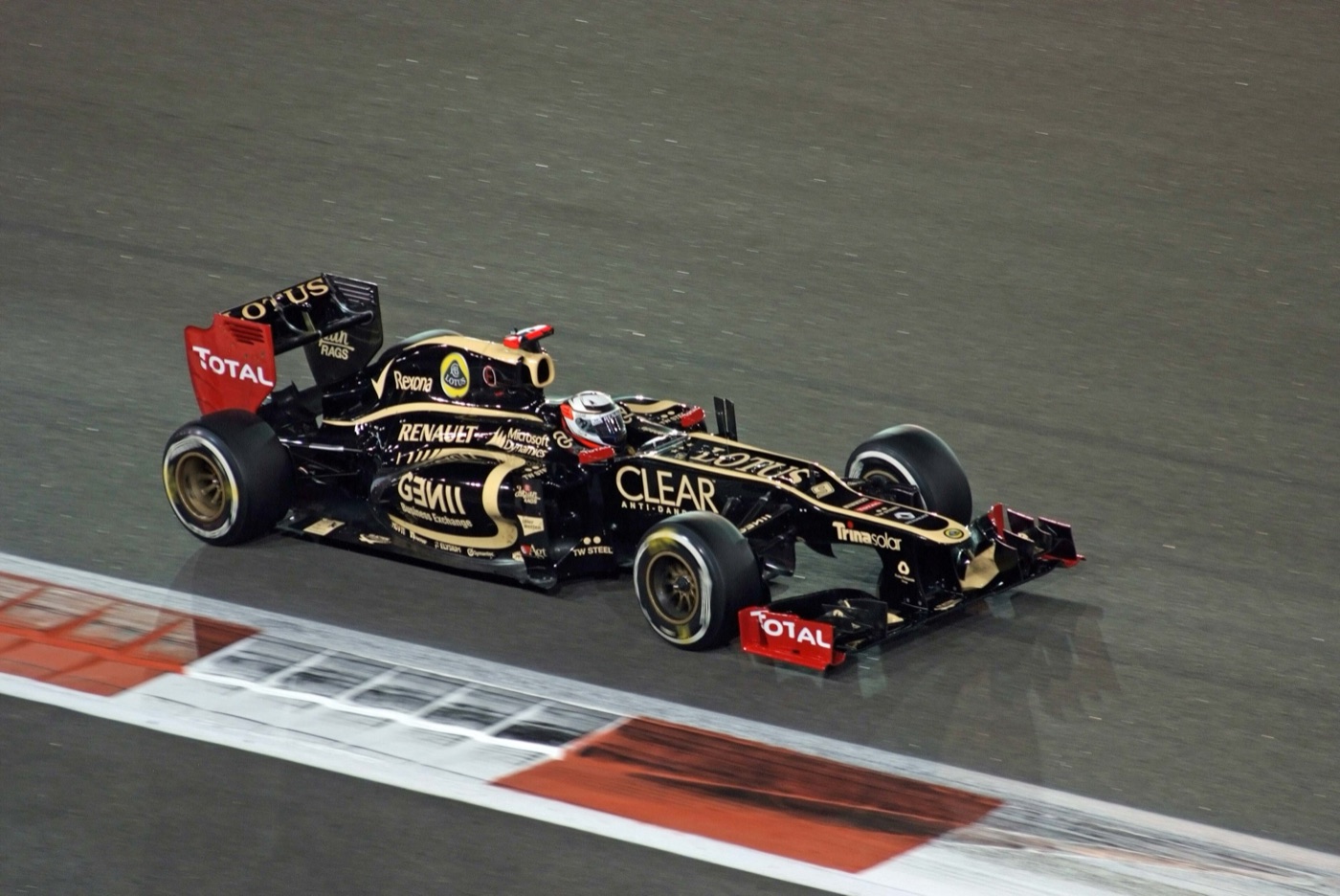
Räikkönen won the Abu Dhabi Grand Prix on 4 November 2012, 0.852 seconds ahead of Fernando Alonso’s Ferrari. He passed Mark Webber and Pastor Maldonado at the start to run second, and took the lead on lap 20, when Lewis Hamilton’s McLaren pulled off the track with an apparent electrical problem. It was the team’s first victory since the 2008 Japanese Grand Prix and the first for the Lotus name since Ayrton Senna won in Detroit in 1987, GrandPrix.com noted. The team told him it would keep him updated on the gap to Alonso; his radio reply, remembered as “leave me alone, I know what I’m doing”, headed Mark Hughes’s race review in Autosport.
Grosjean’s ban at Spa
Grosjean caused a crash at the first corner of the Belgian Grand Prix that put him, Hamilton, Alonso and Sergio Pérez out, and the stewards banned him for one race and fined him €50,000, saying they regarded “this incident as an extremely serious breach of the regulations which had the potential to cause injury to others”, Sky Sports reported. The reserve driver Jérôme d’Ambrosio drove at Monza.
2013: a win in Australia and Räikkönen’s unpaid salary
The E21 won its first race: Räikkönen took the Australian Grand Prix on 17 March 2013. The team scored 14 podiums that year, its most: Räikkönen’s eight came in Australia, China, Bahrain, Spain, Germany, Hungary, Singapore and South Korea, and Grosjean’s six in Bahrain, Germany, South Korea, Japan, India and the United States, where he was second. Lotus was fourth again, with 315 points.
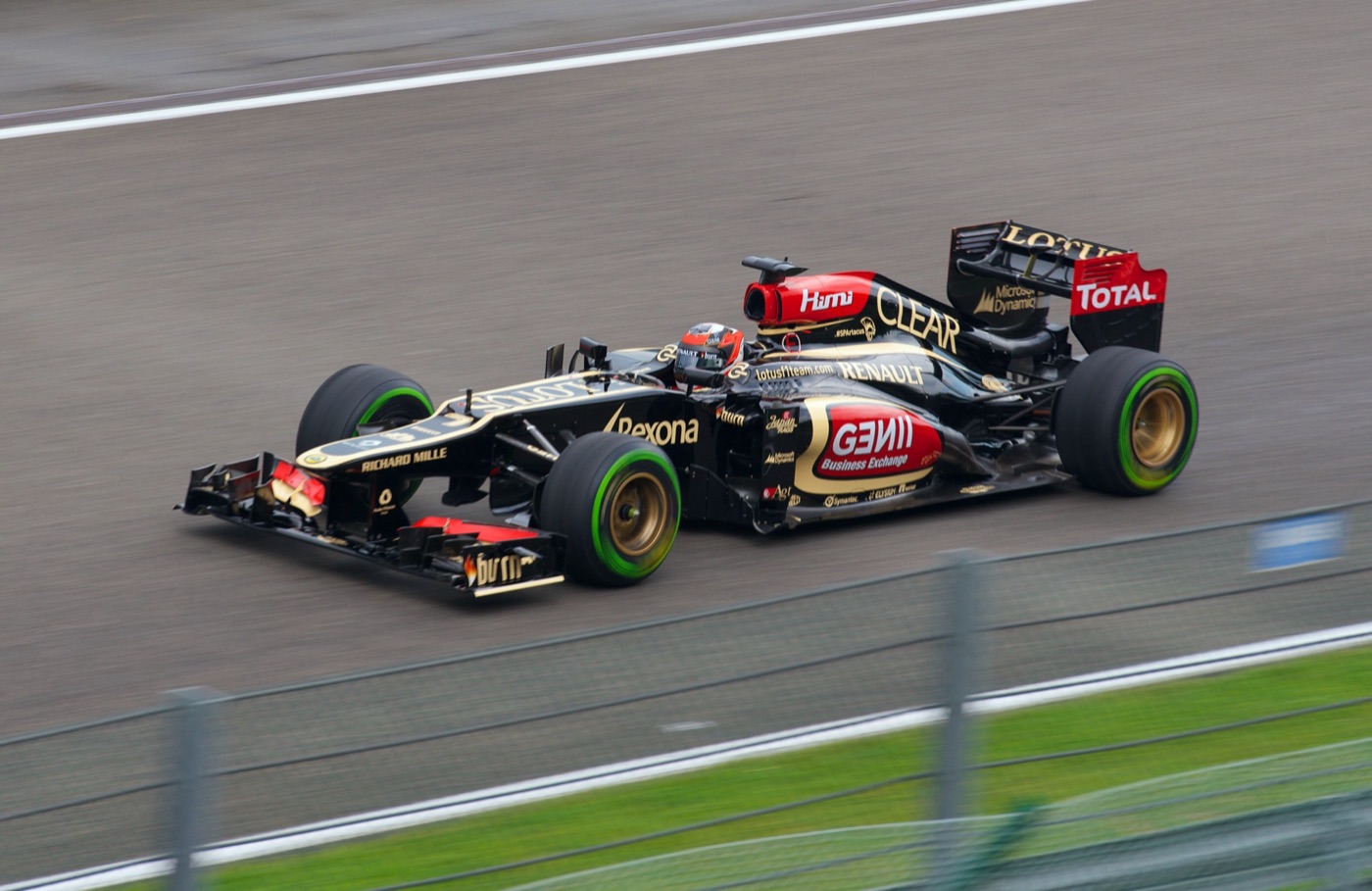
By the autumn Räikkönen had signed for Ferrari for 2014, and the Finn said Lotus had not paid him “one euro” that year. He almost refused to race in Abu Dhabi, then chose back surgery and missed the last two races, Autosport reported; Heikki Kovalainen took his seat. Asked in December whether Räikkönen had been paid in full, Lopez said: “Not entirely”, according to GrandPrix.com.
2014: the twin-tusk E22
The E22 had an asymmetric “twin tusk” nose: two prongs of unequal length, so that the longer one counted as the single low nose tip the 2014 rules required, Autosport’s technical analysis explained. Each tusk was also a crash structure and a mounting pylon for the front wing. The car missed the first test at Jerez. Its technical director Nick Chester said the team’s biggest worry was Renault’s new V6 turbo hybrid power unit, GrandPrix.com reported in February 2014.
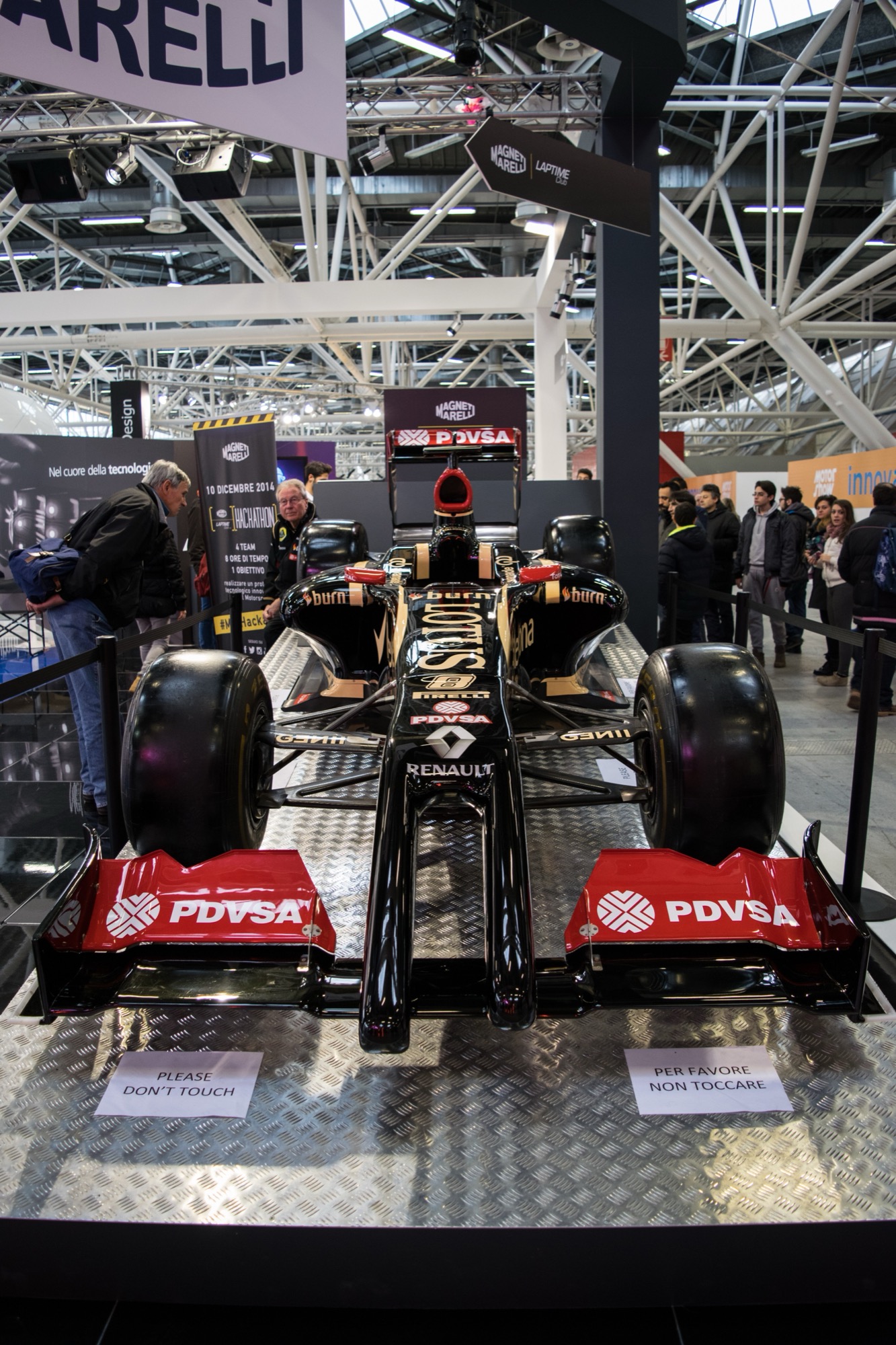
The Enstone outfit began 2014 with Boullier’s departure: he resigned in January and was expected to join McLaren, Autosport reported, and Lopez became team boss himself, sharing the chairmanship with Andy Ruhan, Formula1.com reported, with Lopez promising “a new management structure at Enstone”. By October 2014 Matthew Carter was CEO, Formula1.com reported. Grosjean stayed and Pastor Maldonado joined from Williams with sponsorship from the Venezuelan oil company PDVSA. Lotus scored ten points, eight of them Grosjean’s, and finished eighth.
2015: Mercedes power and a podium at Spa
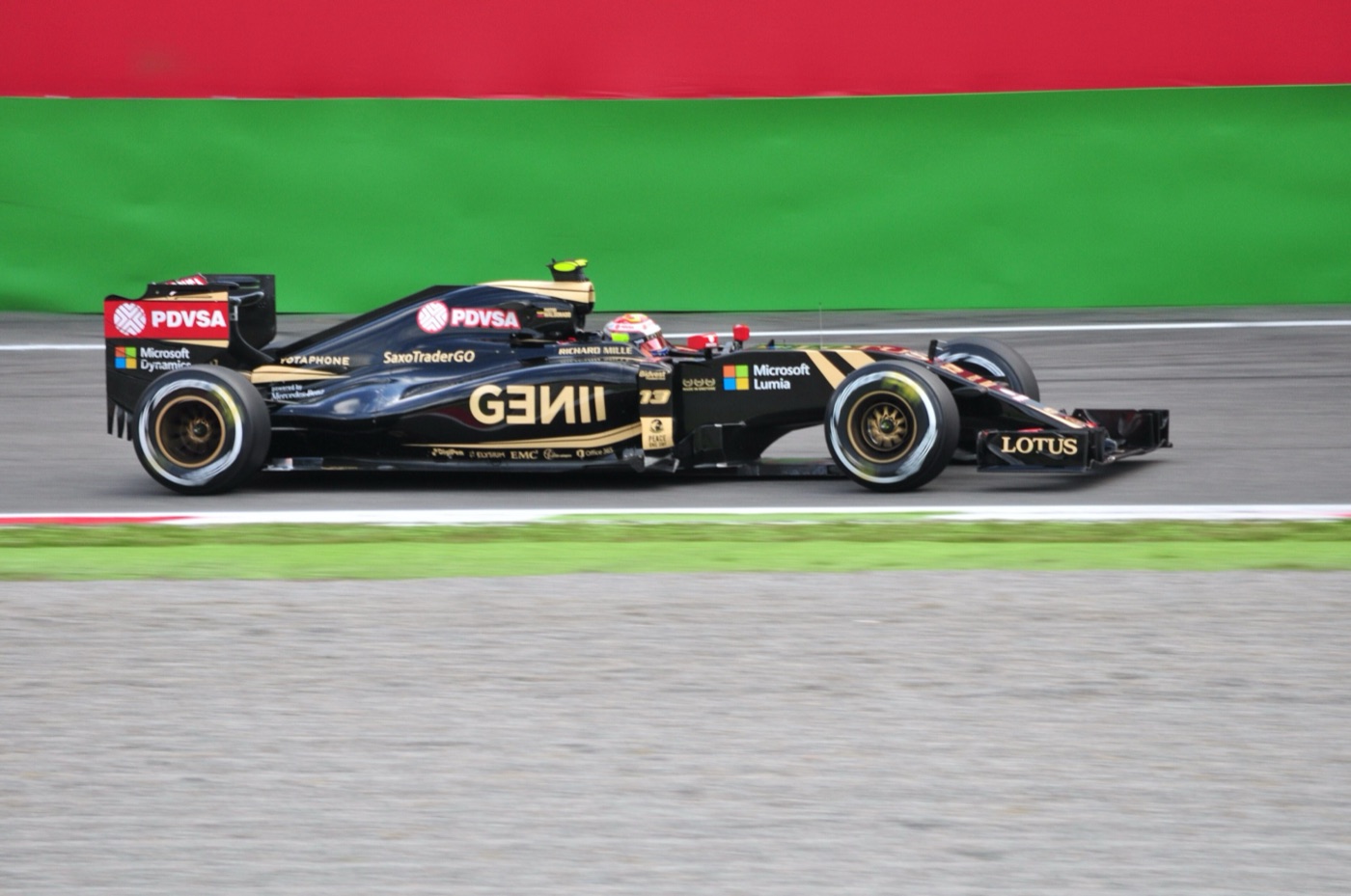
Lotus left Renault and ran Mercedes power units in 2015, under a deal announced in October 2014 that also switched its fuel to Petronas. Lotus kept making its own gearboxes. Grosjean finished third at the Belgian Grand Prix on 23 August 2015, the team’s last podium, and Lotus was sixth with 78 points.
Who drove for Lotus F1 Team?
Eight drivers raced for the Enstone team between 2011 and 2015, and Grosjean drove for it longest: all four Lotus F1 seasons, missing only Monza in 2012.
| Driver | Seasons | Races | Wins | Podiums | Points |
|---|---|---|---|---|---|
| Romain Grosjean | 2012–15 | 76 | 0 | 10 | 287 |
| Kimi Räikkönen | 2012–13 | 37 | 2 | 15 | 390 |
| Pastor Maldonado | 2014–15 | 38 | 0 | 0 | 29 |
| Vitaly Petrov | 2011 | 19 | 0 | 1 | 37 |
| Nick Heidfeld | 2011 | 11 | 0 | 1 | 34 |
| Bruno Senna | 2011 | 8 | 0 | 0 | 2 |
| Heikki Kovalainen | 2013 | 2 | 0 | 0 | 0 |
| Jérôme d’Ambrosio | 2012 | 1 | 0 | 0 | 0 |
Counted from Formula1.com’s race results; races are Grands Prix entered, including Maldonado’s non-start at Monaco in 2014.
Who owned Lotus F1 Team?
Genii Capital held a majority stake for the team’s whole life as Lotus, through its affiliate Gravity Motorsports, and Gérard Lopez was its public face. Lopez said Genii went in for financial reasons and planned to bring the team “to a neutral cash flow” within three to four years; Motor Sport reported that the accounts for 2010 and 2011 showed losses Genii had subsidised.
Did Genii try to sell Lotus F1 in 2012?
In late October 2012, during the Indian Grand Prix weekend, the Sky Sports F1 commentator Martin Brundle repeated speculation that Genii was in talks to sell the team and suggested Proton might be a buyer, a SkiddMark report recorded at the time. The team’s head of communications, Stéphane Samson, told SkiddMark that Genii had been “looking for minority investors like other teams” and had been close to a deal that “could not be found in the end”, that “Proton has never been in the loop”, and that the team was “still 100% owned by Genii”. The same SkiddMark report noted that Proton’s owner DRB-Hicom had debts of more than $10 billion. On 29 October the team confirmed that Räikkönen would stay for 2013, Adam Cooper reported.
The Quantum deal that never closed
In 2013 Genii agreed to sell 35 per cent of the team, through a new share issue, to Quantum Motorsports, a consortium led by Mansoor Ijaz. In November Ijaz said the deal had been “completed from our side”, The Manufacturer reported, but the money did not arrive; by 17 November GrandPrix.com was reporting that Lopez needed a sponsor, “whether the money comes with a driver or not”. The consortium never became a shareholder: when the team was sold in 2015, its only other shareholder was a company called Whiterock Alliance. Maldonado and his PDVSA backing arrived for 2014 instead.
Who held the other shares?
Genii held 60,700,000 shares by December 2015, and Whiterock Alliance Ltd held 6,744,444, the remaining tenth; Genii bought those to take full ownership of the company before selling 90 per cent of it, Adam Cooper found. Andy Ruhan was the team’s co-chairman alongside Lopez from January 2014, Formula1.com reported.
What happened to Lotus F1 Team?
Lotus F1 Team ran into unpaid bills in 2015 and was bought back by Renault on 18 December 2015; Renault renamed it Renault Sport F1 Team for 2016.
Unpaid bills in 2015
After the British Grand Prix at Silverstone in July 2015 the team faced a winding-up petition in the High Court from the transmission maker Xtrac. At the Hungarian Grand Prix three weeks later Pirelli held back its tyres over unpaid bills until about 50 minutes before first practice (FP1), Sky Sports reported; the deputy team principal Federico Gastaldi blamed the banking system. At the Belgian Grand Prix in August, bailiffs entered the paddock and seized the team’s cars and equipment over a claim of $800,000 by its former reserve driver Charles Pic, GrandPrix.com reported. “This is the worst season we have had financially,” the trackside operations director Alan Permane said after Grosjean finished third there.
HMRC, the tax authority in the UK, took the team to the High Court in September over one month’s unpaid PAYE (income tax and national insurance), and the case was adjourned while Renault negotiated, Autosport reported. At the Japanese Grand Prix at Suzuka the team was locked out of its hospitality unit over an unpaid bill from the year before; Bernie Ecclestone let its staff eat in the Paddock Club and its mechanics were given food and drink by rival teams, Sky Sports reported.
How much did Renault pay for Lotus F1?
Renault paid £1 for 90 per cent of the team, according to the company documents found by Christian Sylt and Caroline Reid for the Telegraph and reported by GrandPrix.com on 28 December 2015. Genii kept 10 per cent and wrote off £98.2 million of shareholder loans to the team, Adam Cooper found; the buyer was Grigny (UK) Ltd, the Renault subsidiary that had owned the team in its Benetton and Renault years. Genii lost $274 million between buying the team and selling it, by Sylt and Reid’s figures.
The figures reported before the sale were different: in September 2015 Autosport reported that the shareholders had signed off “£65million for a 65 per cent stake”. Renault and Gravity Motorsports had signed a letter of intent on 28 September and the agreements on 3 December, and completed the sale on 18 December, Renault’s statement of 21 December 2015 said; it named Jérôme Stoll as chairman and Cyril Abiteboul as managing director.
Renault Sport F1 Team, then Alpine
Renault dropped the Lotus name at a launch in Paris on 3 February 2016, where the team became Renault Sport F1 Team, with Kevin Magnussen and Jolyon Palmer driving the RS16, Adam Cooper reported. On 6 September 2020 Renault announced that the team would race as the Alpine F1 Team from 2021, named after Renault’s Alpine sports-car brand, maker of the A110, with cars built at the Enstone base and engines from Viry-Châtillon, Formula1.com reported. Esteban Ocon won the 2021 Hungarian Grand Prix for Alpine, Formula1.com’s results show.
Lotus F1 Team, Team Lotus and Caterham
Lotus F1 Team was the last of three Formula 1 teams to race as Lotus. Team Lotus, Colin Chapman’s team, raced until 1994 and won the constructors’ championship seven times. Tony Fernandes’s Malaysian team raced as Lotus Racing in 2010 and Team Lotus in 2011, then became Caterham F1 Team and collapsed in 2014.
Questions
Is Lotus F1 Team the same as Team Lotus?
No. Team Lotus was Colin Chapman’s team, which raced until 1994. Lotus F1 Team was the former Benetton and Renault team at Enstone, which used the Lotus name from 2012 to 2015 under a deal with the road-car maker Group Lotus.
Who owned Lotus F1 Team?
Genii Capital, the Luxembourg investment firm of Gérard Lopez and Eric Lux, owned most of the team from 2010 until Renault bought 90 per cent of it in December 2015. Genii kept the other 10 per cent.
How many races did Lotus F1 Team win?
Two, both with Kimi Räikkönen: the 2012 Abu Dhabi Grand Prix and the 2013 Australian Grand Prix. The team took 25 podiums in its four seasons as Lotus.
Who were Lotus F1 Team’s drivers?
Kimi Räikkönen and Romain Grosjean in 2012 and 2013, and Grosjean and Pastor Maldonado in 2014 and 2015. Jérôme d’Ambrosio stood in at Monza in 2012 and Heikki Kovalainen for the last two races of 2013.
What engine did Lotus F1 Team use?
Renault engines from 2012 to 2014, including Renault’s first V6 turbo hybrid power unit in 2014, then Mercedes power units in 2015, the team’s last season.
Is Alpine the old Lotus F1 Team?
Yes. Renault bought the Enstone team back in December 2015, raced it as Renault Sport F1 Team from 2016 and renamed it the Alpine F1 Team for 2021.
Why did Lotus F1 cars run in black and gold?
The colours came with the Lotus name in 2011: Genii and Group Lotus chose the black and gold of the 1980s Lotus-Renault cars for the Lotus Renault GP livery, and the team kept them to 2015.
Sources
- Formula1.com, constructors’ and drivers’ standings and race results, 2010–15 and 2021: points, places, wins, podiums, drivers’ races and points, race dates.
- GrandPrix.com, “Renault to sell stake in F1 team to Genii Capital”, 16 December 2009: the Genii deal, Renault staying as engine supplier.
- Motor Sport, “What’s in a name?”, October 2012: Crashgate fallout, Ecclestone, Boullier, costs and sponsors, the end of the Group Lotus deal, the E20 name, 500 starts, Lopez and Boullier quotes.
- Motor Sport, “New muddle for Lotus as race team thrives”, June 2012: the £30m loan, Snoras, the licence to 2017.
- Genii Capital and Group Lotus, joint announcement of Lotus Renault GP, 8 December 2010 (Pitpass): equity partnership, title sponsorship to 2017, livery, Renault chassis name, 2010 podiums.
- Al Jazeera, “Kubica leaves hospital after crash”, 24 April 2011: the crash date and injuries.
- Motor Sport, “Boullier recalls horror of Kubica’s 2011 crash”, 2025: Boullier’s account.
- Crash.net, “Boullier: Heidfeld axed to end ‘negative spiral’”, August 2011: Senna for Heidfeld, the court case.
- Adam Cooper’s F1 Blog, “Caterham, Lotus and Marussia name changes approved”, 3 November 2011: the chassis name changes.
- F1technical, “Fernandes and Proton settle Lotus naming row”, November 2011: the settlement over the Lotus names.
- FIA, 2012 Formula One World Championship entry list, 30 November 2011: Lotus F1 Team (GBR), Lotus Renault.
- Autosport, “Lotus F1 team committed to name despite end of title sponsor deal”, April 2012: the end of the sponsorship and of Proton’s option, Lopez quotes.
- Speedcafe, “Group Lotus slams critics, clarifies F1 involvement”, April 2012: the Group Lotus statement and the £30m loan.
- Speedcafe, “Räikkönen F1 comeback confirmed”, 29 November 2011: his contract and quotes.
- GrandPrix.com, “Lotus Renault signs Romain Grosjean for second seat”, 9 December 2011: Grosjean, Total, Petrov and Senna out.
- GrandPrix.com, Abu Dhabi GP 2012 race notes: the margin and the last wins for the team and for the Lotus name.
- Autosport, Mark Hughes, “Räikkönen knew what he was doing”, November 2012: the radio message and Hamilton’s retirement.
- Sky Sports, “Grosjean handed one-race ban”, 2 September 2012: the stewards’ decision and fine.
- Adam Cooper’s F1 Blog, “Räikkönen stays at Lotus for 2013”, 29 October 2012: his second season.
- The Manufacturer, “Consortium set to buy 35 percent Lotus F1 stake”, November 2013: the Quantum deal and Ijaz quotes.
- GrandPrix.com, “Quantum running out of time for Lotus deal – Lopez”, 17 November 2013: Lopez on the delay and Maldonado.
- Autosport, “Kimi Räikkönen to miss rest of 2013 F1 season for back surgery”, November 2013: the pay dispute and surgery.
- GrandPrix.com, “Lotus admits Räikkönen still owed money”, 18 December 2013: “one euro” and Lopez’s reply.
- Autosport, “Boullier resigns from Lotus, set to become McLaren F1 team boss”, January 2014: Boullier’s departure.
- Formula1.com, “Lopez replaces Boullier as team principal at Lotus”, January 2014: Lopez, Ruhan, the late E22.
- Autosport, Craig Scarborough, “Lotus’s 2014 Formula 1 car’s twin tusk theory explained”, January 2014: how the nose met the rules.
- GrandPrix.com, “Lotus hopes Renault can power winning car”, 26 February 2014: Chester on the power unit.
- Formula1.com, “Lotus confirm switch to Mercedes power for 2015”, October 2014: the Mercedes deal, Petronas, gearboxes, Carter as chief executive.
- Sky Sports, “Lotus miss start of practice after Pirelli refuse to release tyres”, July 2015: the tyres and the winding-up petition.
- GrandPrix.com, “Toyota, Bell helmets among Lotus creditors”, 28 August 2015: Xtrac, Pic’s claim and the bailiffs.
- Sky Sports, “Lotus say 2015 is the worst season we have had financially”, August 2015: Permane’s quote.
- Autosport, “Lotus F1 team sure it can avert HMRC court return with Renault deal”, September 2015: the HMRC case and the £65m figure.
- Sky Sports, “Lotus fed by Bernie Ecclestone after being locked out of hospitality unit”, September 2015: the Suzuka lock-out.
- Groupe Renault, “Groupe Renault completes the acquisition of Lotus F1 Team”, 21 December 2015: the dates of the sale, Stoll and Abiteboul.
- GrandPrix.com, “Renault bought back Lotus for one pound”, 28 December 2015: the £1 price, 90 per cent, Genii’s loss.
- Adam Cooper’s F1 Blog, “How Genii sold Lotus to Renault for £1”, 28 December 2015: shareholdings, Grigny, the written-off loans.
- Adam Cooper’s F1 Blog, “Renault Sport name key to relaunched team”, 3 February 2016: the new name, drivers and the RS16.
- Formula1.com, “Renault to rebrand as Alpine F1 Team in 2021”, September 2020: the Alpine name and the Renault engines.
- SkiddMark reports: Lotus Renault confirm Petrov and show their new livery (December 2010); Renault announces the creation of Renault Sport F1 (December 2010); Lotus Renault GP confirms Grosjean and the Lotus Originals shop opens (December 2011); Genii Capital and the sale rumour, with Stéphane Samson’s replies (October 2012).