Mario Theissen: BMW Motorsport director and BMW Sauber F1 boss
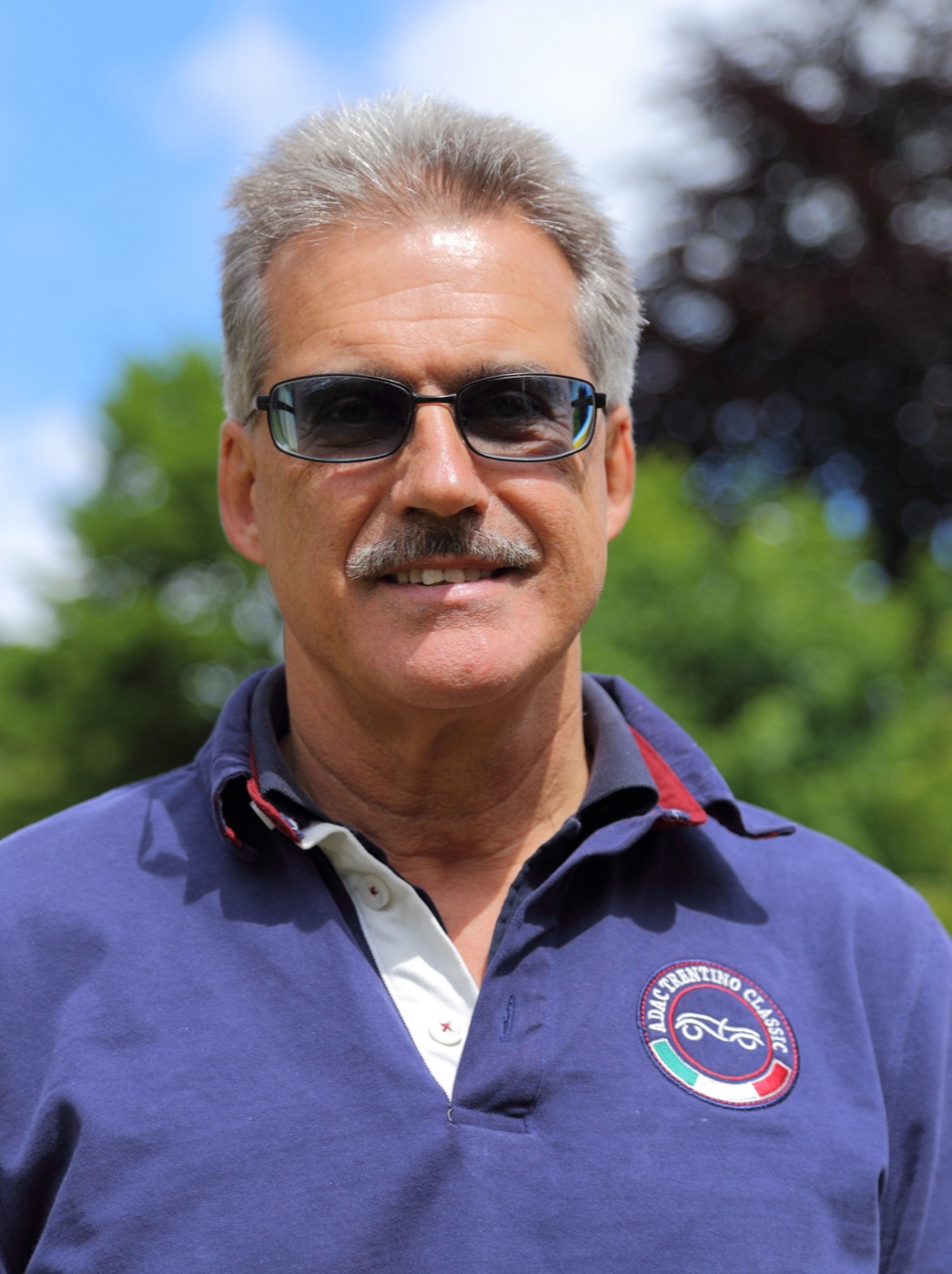
Mario Theissen, born in Monschau on 17 August 1952, is the German engineer who ran BMW Motorsport from April 1999 to June 2011. In that time BMW won the 1999 Le Mans 24 Hours, supplied the engines for ten Williams Grand Prix wins, and ran its own Formula One team, BMW Sauber, with Theissen as team principal from 2006 to 2009; its only win was Robert Kubica’s one-two with Nick Heidfeld at the 2008 Canadian Grand Prix.
He spent his whole working life at BMW, 34 years, the last 12 of them in charge of BMW Motorsport, and he is now an honorary member of FIVA, the world federation for historic vehicles.
Early life and engineering career at BMW
Monschau sits in the Eifel near the Belgian border, roughly halfway between the Nürburgring Nordschleife and Spa-Francorchamps. RaceFans’ biography records that trips to both circuits gave him a taste for racing as a boy, and that his first car was a Fiat 500 he bought for 100 Deutschmarks at the age of 13.
Aachen, a doctorate and the engine department
Theissen took his engineering diploma at RWTH Aachen, the technical university in Aachen, and joined BMW on 15 June 1977 as a development engineer, the date given in BMW’s announcement of his successor in November 2010. His first job was in engine calculation. “At that time, it consisted of two people, and all the others in engine design and development were not really sure that we needed an engine calculation team,” he told Autosport’s Jonathan Noble on his last day at BMW in 2011. He stayed in engine research and development for about 15 years, taking on various responsibilities in engine development, and took a doctorate in engineering at the Ruhr University in Bochum in 1989.
BMW Technik and the Palo Alto office
After 15 years in engine development he was put in charge of the BMW innovation centres: BMW Technik in Munich, which he described as a think tank, and a second office in Palo Alto, California, which he founded. “It was about the future of cars, concept cars, new technologies, working with great companies, start-up companies in Silicon Valley mainly,” he said. “At that time, I thought in terms of job satisfaction it could only go downwards,” he told Autosport. In 2005 the Dresden University of Applied Sciences (HTW Dresden) made him an honorary professor of innovative vehicle development, according to RaceFans.
BMW Motorsport director from 1999
Theissen took charge of BMW’s motor sport programme on 1 April 1999, first as joint director with the former Grand Prix driver Gerhard Berger. “The brief was to work alongside Gerhard Berger and get the Formula 1 project on track,” he told Autosport. He turned the job down at first, “because very rarely does it work with two bosses in the same department”, and accepted only when BMW’s chief executive asked a second time.
“What he knew about racing I knew about the company and about technology,” he said of Berger. He called their four years together “the biggest fun in my professional career”. By the end of 2003 Berger had gone, and Theissen ran BMW’s racing alone.
Le Mans 1999: the V12 LMR
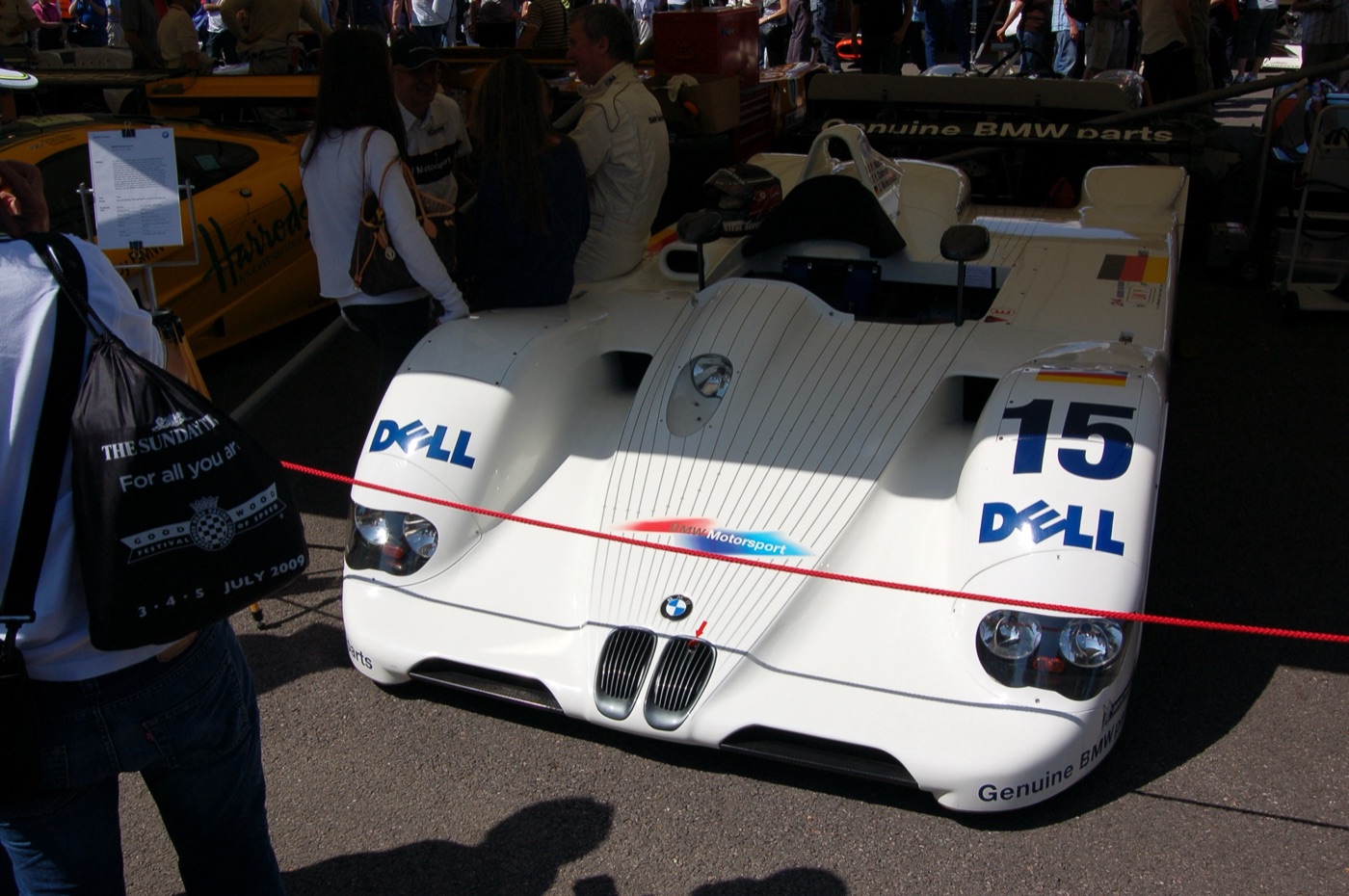
His first major race in the job was the 1999 24 Hours of Le Mans, and BMW won it. The number 15 BMW V12 LMR of Pierluigi Martini, Yannick Dalmas and Joachim Winkelhock covered 366 laps, one more than the second-placed Toyota GT-One, in Racing Sports Cars’ results for the race. When the M3 GT2 won the Nürburgring 24 Hours in 2010, Theissen said that victory “reminds me of the triumph in Le Mans in 1999”.
Williams-BMW: the Formula One engine years, 2000–2005
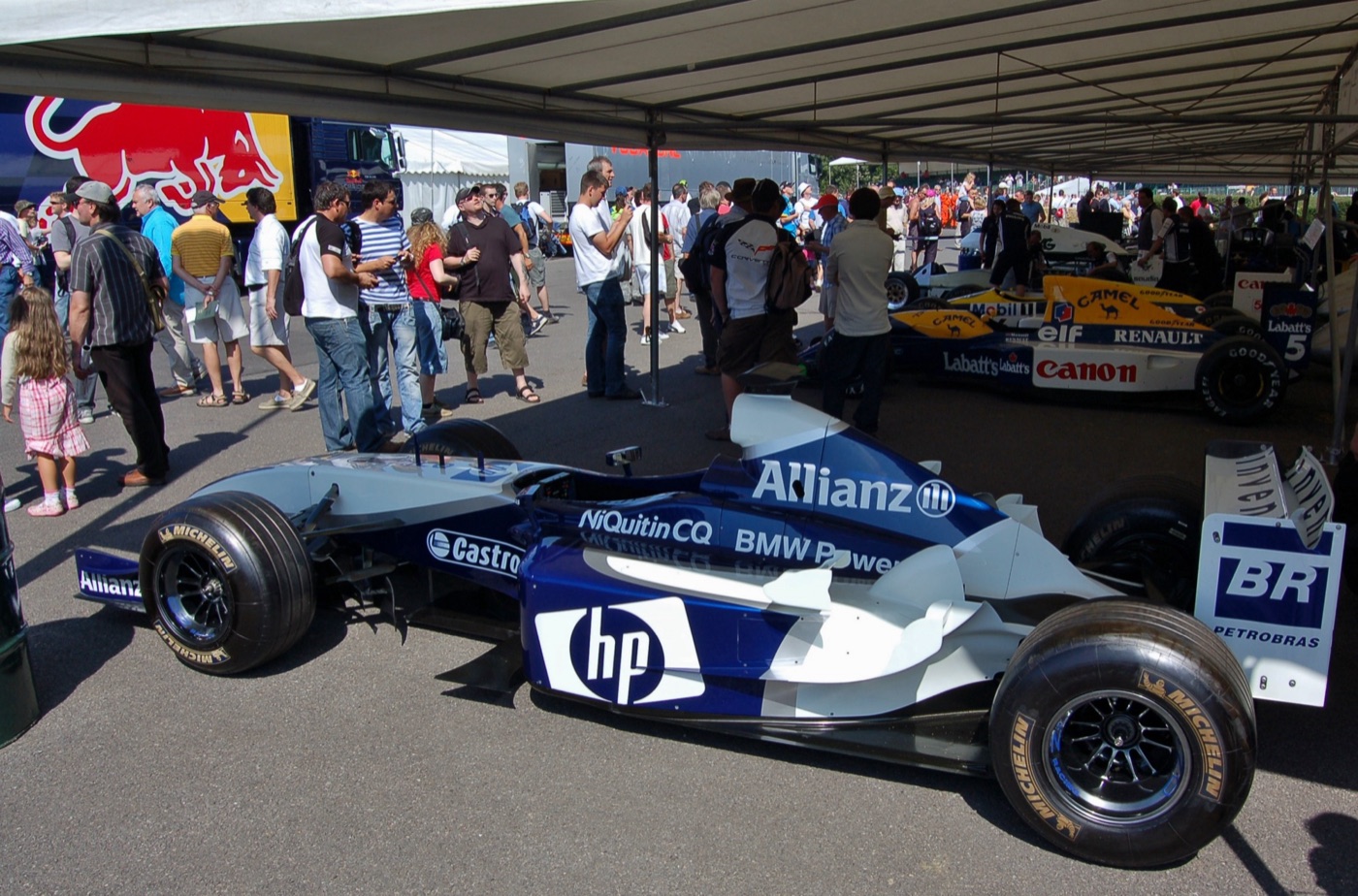
BMW engines powered Williams for six seasons and won ten Grands Prix: six for Ralf Schumacher and four for Juan Pablo Montoya, with second place in the constructors’ championship in 2002 and 2003. The first race, in Melbourne in March 2000, brought a podium for Schumacher. Theissen admitted later that it was “more luck than anything”, because the engine had not run a full race distance beforehand, on the dynamometer or on the track. At a Jerez test that January BMW blew up three or four engines in a morning, all on the first lap and at the same corner, until the engineers realised they had to preheat the oil.
The most powerful engine on the grid
Schumacher’s win at Imola on 15 April 2001 was the partnership’s first. By 2002 the engine was revving to 19,000rpm, and BBC Sport reported in May 2003 that it was “widely accepted in F1 that BMW produces the most powerful engine” while the Williams chassis held it back. In 2003, Theissen recalled, “we won Monaco and by the summer break we were leading the championship”. Ferrari took the constructors’ title by 14 points.
Why Williams and BMW split
The partnership soured in public. In May 2003 Theissen told the BBC, “We are not happy with the position and competitiveness we have at the moment”; the same report passed on the Daily Mirror’s story of a picture of a tortoise, captioned “Caught at a secret test: new BMW-Williams FW25B”, pinned up in BMW’s truck at the Spanish Grand Prix. Frank Williams answered in June 2005, telling Autosport magazine (as BBC Sport reported on 8 June 2005) that the relationship had been poisoned by “constant finger-pointing” and that nobody asked “why BMW had some 150 engine failures in 2000 alone”.
Theissen and Patrick Head, Williams’s director of engineering, were at the centre of it. “Patrick is a great guy,” Theissen told Autosport in 2011. “But it was not easy to work with him because we have totally different working styles.” In May 2001 the two had driven the Mille Miglia together in a BMW 507 lent by the BMW Museum, with Theissen at the wheel and Head as co-driver, and collided with a Mercedes-Benz that turned across their path; GrandPrix.com reported on 25 May 2001 that neither man was hurt.
BMW Sauber team principal, 2006–2009
BMW bought the Swiss Sauber team in June 2005 and ran it as the BMW Sauber F1 Team from 2006, with chassis work in Hinwil and engines and gearboxes in Munich. “Success can only be achieved with a fully-integrated team,” Theissen said when the deal was announced, in BBC Sport’s report of 22 June 2005. Theissen, still BMW’s motor sport director, became its team principal.
Moving the transmission work from Hinwil to Munich was his decision. “In my view the powertrain was something that should be in one hand, so engine and gearbox together,” he told Autosport; by 2008, he said, the two sites were “a strong and homogenous team”.
Kubica in for Villeneuve, and Vettel’s first Grand Prix
In August 2006 Theissen replaced the 1997 world champion Jacques Villeneuve with the team’s test driver, Robert Kubica. Villeneuve had told the team he was not ready to race in Hungary after a crash at the German Grand Prix, GrandPrix.com reported on 1 August 2006, and Kubica, aged 21, became the first Pole to race in the world championship. He was on the podium in his third Grand Prix, at Monza. A year later, after Kubica’s heavy crash in Canada, Theissen gave the BMW Sauber seat at the 2007 United States Grand Prix to Sebastian Vettel for his Formula One debut, an episode he discussed on Formula 1’s Beyond the Grid podcast in May 2023.
Montreal 2008: BMW’s one-two
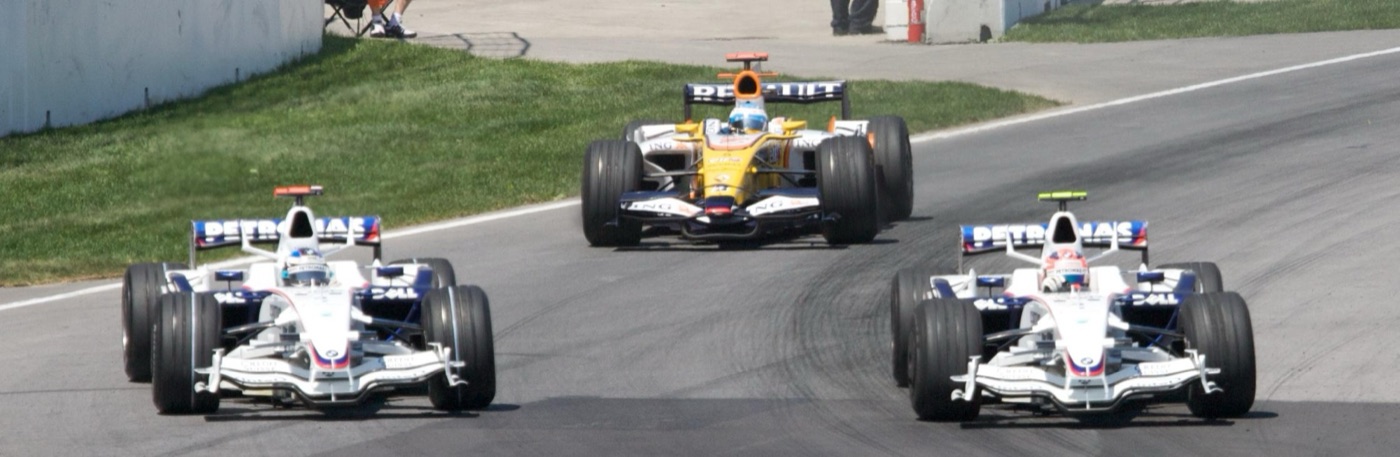
On 8 June 2008 Kubica won the Canadian Grand Prix with Heidfeld second. It was BMW’s first win as a constructor, and it put Kubica at the top of the drivers’ championship after seven races. “Now we all know how sweet victory tastes,” Theissen said in BMW’s interview with him of 16 June 2008. The goals for the year had been to turn the two-horse race at the top of the standings into a three-way battle and to record a first victory; in the team’s season review that November Theissen said they had been reached “much earlier than expected”.
Did BMW give up on the 2008 title?
BMW Sauber finished the year third. The rumour in the paddock was that Theissen had moved resources to the 2009 car while Kubica was still in contention. Theissen rejected it: “We were as keen on the title as Robert was, and we did not shift [our] resources to the 2009 car,” he told Autosport in 2011. “It was a lack of progress, but not a lack of dedication.” In the November 2008 season review he said that Kubica took a slow car “as a personal affront” and that “the working relationship was therefore not always easy”.
Why did BMW leave Formula One?
On 29 July 2009 BMW announced that it would leave Formula One at the end of that season and put the money into new drive technologies and sustainability. Chairman Norbert Reithofer called it “a resolute step in view of our company’s strategic realignment”, in BMW’s press release. The team was eighth in the 2009 standings at the time. Autosport later put the poor season down to complications with KERS and a lack of aerodynamic progress; Theissen told it, “with the 2009 car, we saw with the aero side we were really not there.” “I can understand why this decision was made from a corporate perspective,” Theissen said in the same release. The team was sold back to Peter Sauber, and on 30 November 2009 BBC Sport reported that Theissen would stay at BMW as motor sport director and have no part in the Sauber team.
Formula One results under Theissen
Across his 10 Formula One seasons BMW-powered cars won 11 Grands Prix: ten with Williams and one with BMW Sauber. The team’s best championship finish was second, twice with Williams and once with BMW Sauber, in 2007, after McLaren were excluded.
| Season | Team | Position | Points | Wins |
|---|---|---|---|---|
| 2000 | Williams-BMW | 3rd | 36 | 0 |
| 2001 | Williams-BMW | 3rd | 80 | 4 |
| 2002 | Williams-BMW | 2nd | 92 | 1 |
| 2003 | Williams-BMW | 2nd | 144 | 4 |
| 2004 | Williams-BMW | 4th | 88 | 1 |
| 2005 | Williams-BMW | 5th | 66 | 0 |
| 2006 | BMW Sauber | 5th | 36 | 0 |
| 2007 | BMW Sauber | 2nd | 101 | 0 |
| 2008 | BMW Sauber | 3rd | 135 | 1 |
| 2009 | BMW Sauber | 6th | 36 | 0 |
BMW’s 2009 release counted 16 podium finishes and one pole position, Kubica’s in Bahrain in 2008, for the BMW Sauber team.
Touring cars, endurance racing and Formula BMW
Formula One took most of BMW Motorsport’s money, but Theissen also ran its touring car, GT and junior programmes. “F1 took 85–90% of BMW Motorsport’s resources, and that refers to personnel as well as to budget,” he told SkiddMark in Munich in February 2010, adding that the Formula One budget had been cut by half over the previous five years.
World Touring Car Championship titles, 2005–2007
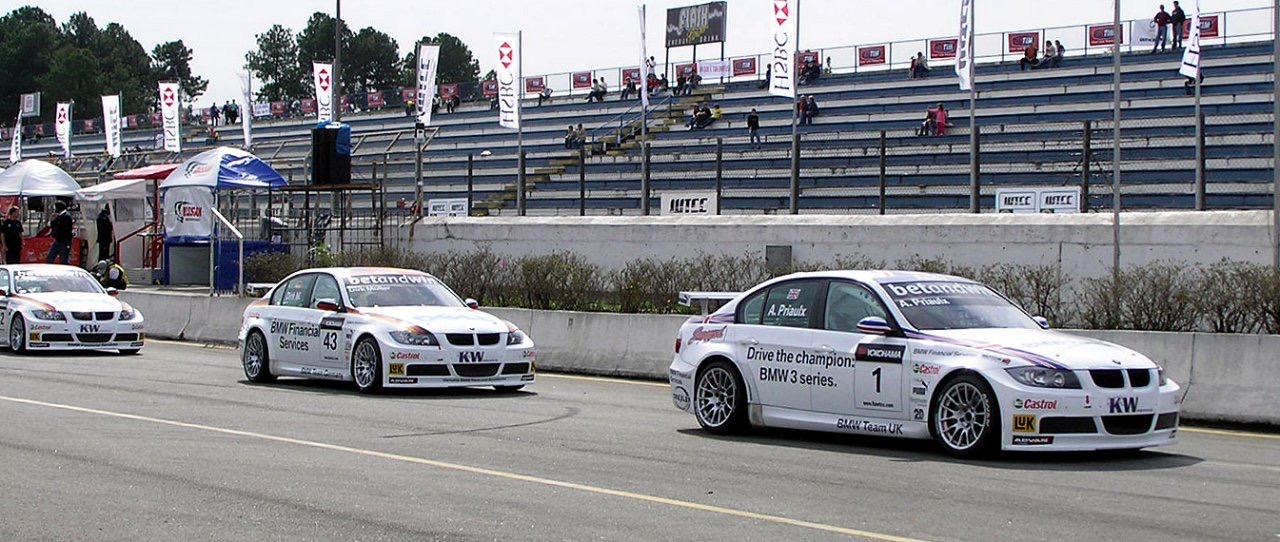
BMW won the drivers’ and manufacturers’ titles in the first three seasons of the revived World Touring Car Championship, all three drivers’ titles going to Andy Priaulx of BMW Team UK. The third came at Macau in November 2007, where the BMW 320si took the manufacturers’ title by 255 points to SEAT’s 249, as BMW’s 2007 season review records. Alex Zanardi won a WTCC race for BMW at Oschersleben in August 2005, the first amputee to win a world championship race, according to BMW’s WTCC record of July 2009.
Formula BMW and young drivers
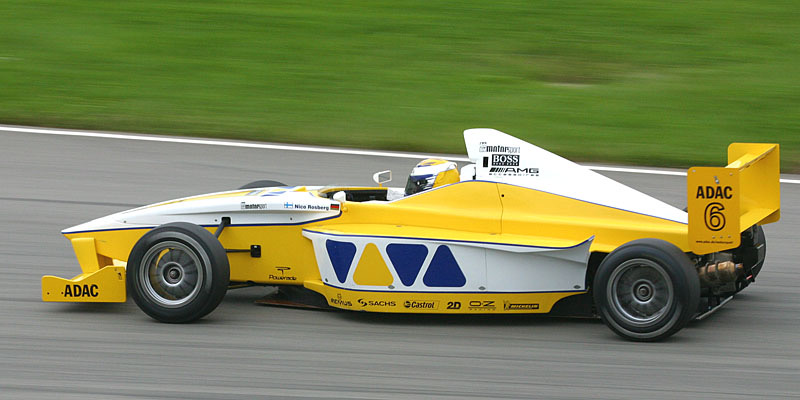
Formula BMW was BMW’s single-seater series for drivers moving up from karting. Its German championship was won by Nico Rosberg in 2002 and by Vettel in 2004, both later world champions, in BMW’s 2017 history of its junior programme. Theissen called it the third pillar of BMW’s racing after GT and touring cars. In 2010 he said six or seven of that year’s Formula One drivers had started in Formula BMW, which taught set-up, data analysis, fitness, nutrition and dealing with sponsors and the press as well as driving. “You cannot make money by providing young drivers with a platform, a safe platform,” he told SkiddMark.
The M3 GT2 and the Nürburgring 24 Hours
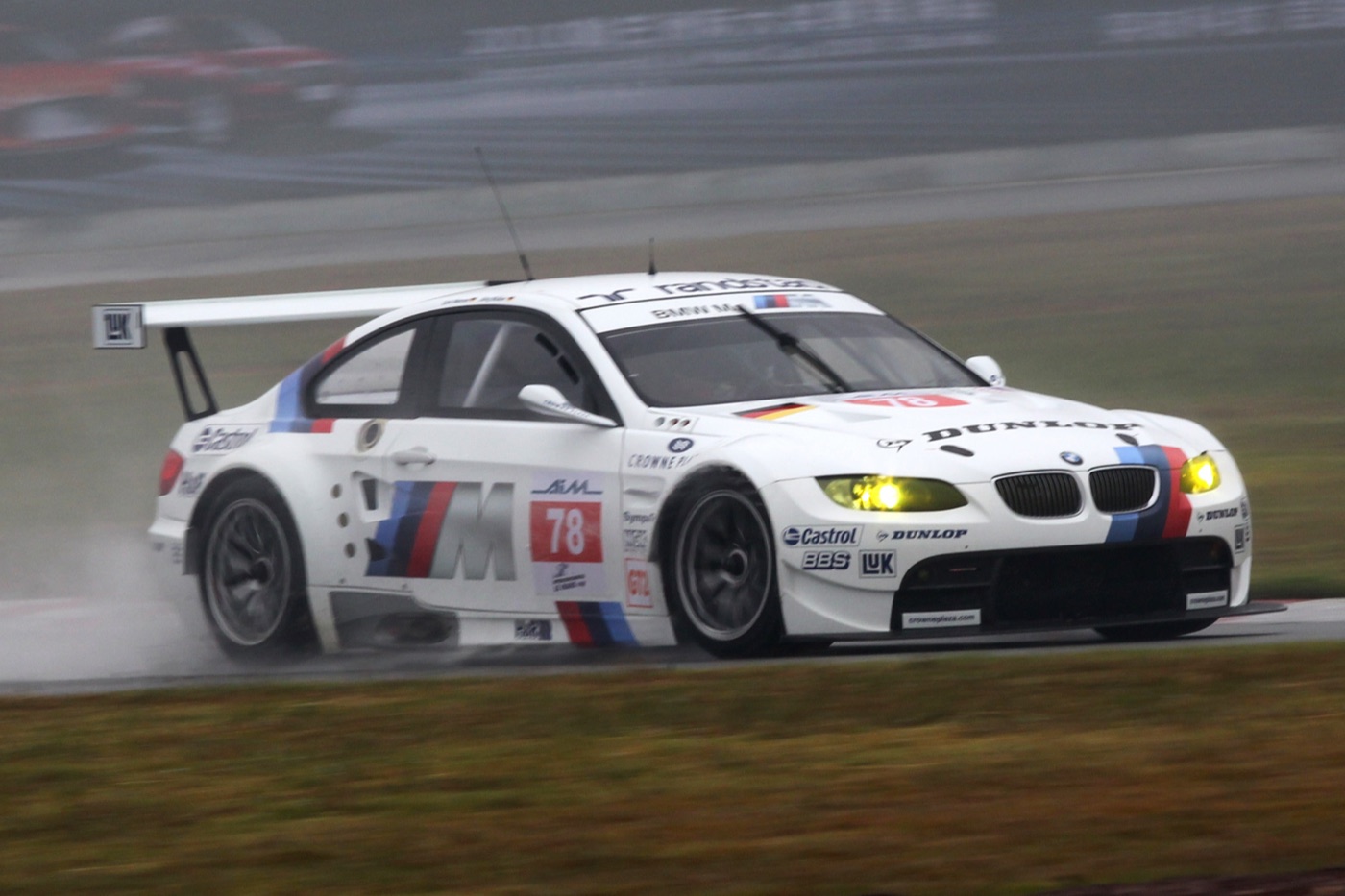
After the Formula One exit BMW raced the M3 GT2 in America and Europe. On 16 May 2010 the Schnitzer-run number 25 M3 GT2 of Jörg Müller, Augusto Farfus, Uwe Alzen and Pedro Lamy won the Nürburgring 24 Hours despite losing gears in the last three hours, BMW’s 19th win in the race (AUSmotive, carrying BMW’s release). BMW also entered the M3 GT2 at Le Mans in June, among them an art car painted by Jeff Koons, which Theissen helped present in New York in April (BMW of North America’s release of 6 April 2010). In October the BMW Rahal Letterman team won the GT manufacturer and team titles in the American Le Mans Series, BMW’s first in the series since 2001, Racecar reported.
Theissen on racing technology and road cars
Theissen argued throughout that Formula One paid BMW back in road-car engineering more than in trophies. In February 2010 he told SkiddMark that BMW’s decision in 1997 to build its own Formula One electronics came from the board member in charge of research and development, “in order to really strengthen our electronics competence”.
The Landshut foundry and KERS
BMW built its Formula One foundry and parts machining plant inside its road-car works at Landshut, run by the road-car departments. Theissen said in 2010 that the foundry had developed thin-walled aluminium castings later used in M cars and high-performance direct-injection diesel engines, and that after the exit it became the group’s light-alloy casting centre. The engineers who had built BMW’s electric KERS for 2009 produced motor-generators, batteries and power electronics with “a power to weight ratio factor 4 to 5 times better than current road car technologies”, he said, and the whole department moved to hybrid powertrains for road cars. The Vision EfficientDynamics concept shown at Frankfurt in September 2009 used the same lithium-ion battery pack as the Formula One car.
He blamed KERS’s weak first season on the rules, which made it optional: “In racing you will only invest if you do expect to achieve that benefit, straight away. Or, unless it is mandatory.” He expected it back in Formula One “maybe as soon as next year”.
His case for motor sport and the environment
Asked whether racing could survive the green lobby, Theissen pointed to the crowd. “You have perhaps 150,000 spectators on site through the weekend. They use much more energy to get to the track and home again, than the cars use on track,” he told SkiddMark. The few hundred million watching on television at home, he added with a grin, used no energy “apart from the TV, of course”.
Retirement and what Mario Theissen does now
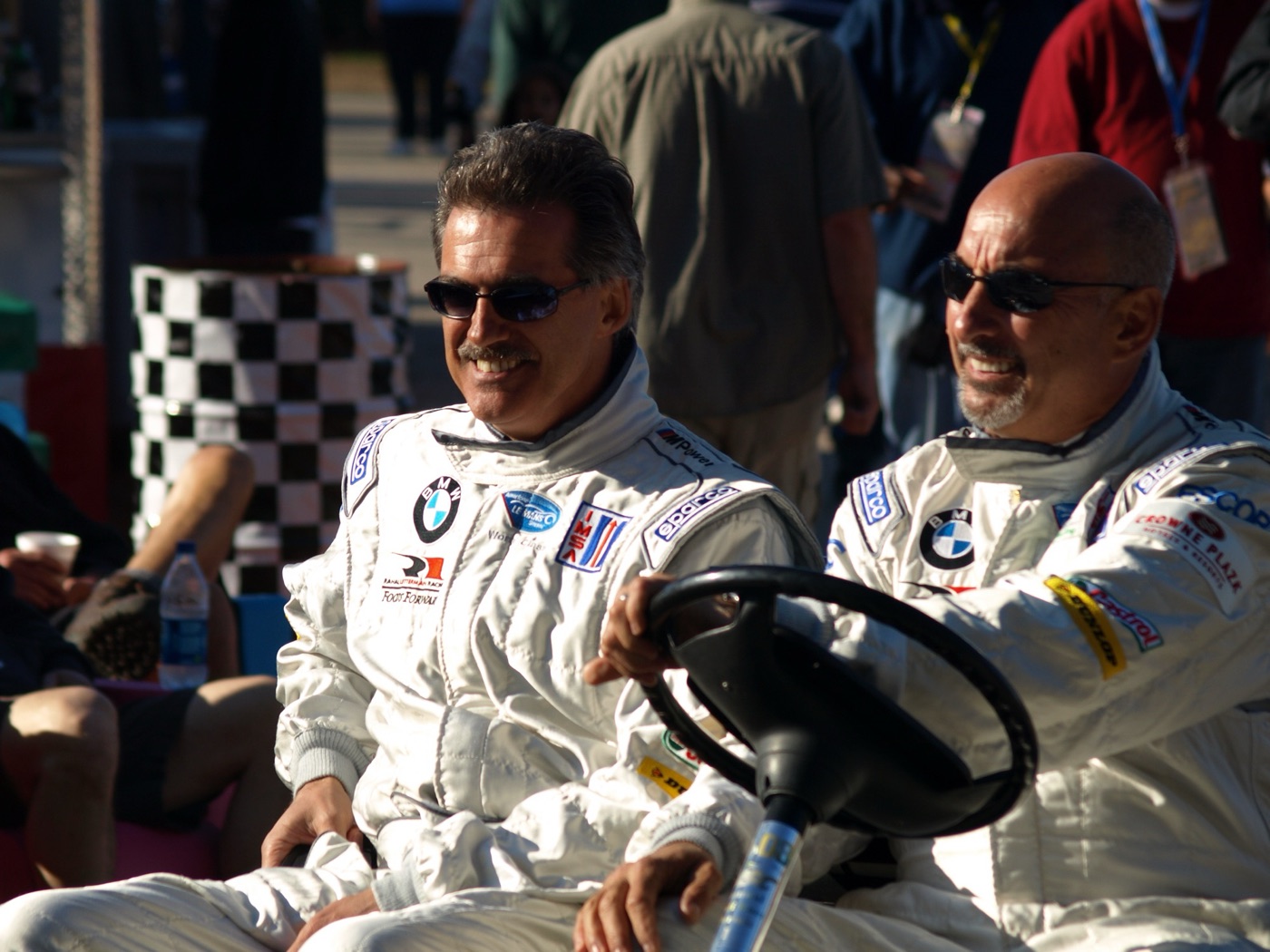
Theissen retired from BMW on 30 June 2011, after 12 years in charge of BMW Motorsport. More than 100 guests came to his farewell at BMW Classic in Munich on 29 June 2011, among them Vettel, Heidfeld, Zanardi, Peter Sauber, Norbert Haug and Stefano Domenicali, in BMW’s farewell release, carried by BMWBLOG. “Under Mario Theissen’s leadership BMW Motorsport celebrated success in all relevant disciplines,” said Klaus Draeger, the BMW board member for development. “I have really enjoyed my 34 years with BMW,” Theissen said. “For me the motorsport project was the culmination of everything that had gone before.” Asked by Autosport about his plans, he said: “I have no plans. I want to walk out of the door without any obligations.”
Who replaced Mario Theissen?
Jens Marquardt, who was 43 when BMW announced the change on 24 November 2010. He joined on 1 January 2011 and worked alongside Theissen for six months before taking over on 1 July. Marquardt had a degree in aerospace technology, developed Formula One and CART engines at Ilmor Engineering from 1996 to 2000, then moved to Toyota Motorsport, where he was F1 operations and team manager from 2008 and finally general manager for business development, operations and production. The changeover was timed so that the 2011 racing programme and the preparations for BMW’s return to the DTM in 2012 ran on without a break. Marquardt took over the endurance events with the BMW M3, the customer sport programme, the promotion of junior racing talent and the DTM project. “With the realignment of BMW Motorsport and the decision in favour of the DTM project, the path to a successful future on the race track has been mapped out,” Theissen said in the announcement. Marquardt called it “a dream job for me and a tremendous show of confidence”.
Historic vehicles: FIVA
Since retiring Theissen has worked with FIVA, the Fédération Internationale des Véhicules Anciens. FIVA’s who’s who lists him as an honorary member. When the FIA and FIVA signed a renewed agreement in Paris on 26 June 2019, he attended for the FIVA side of the FIA-FIVA Relations Committee and was named, with David Whale and Tony Davies, as one of the three who drew it up (FIVA’s letter, published by the FBHVC on 27 June 2019). In the 2023 Beyond the Grid interview he talked through the BMW years, from Williams to the part the double diffuser played in BMW Sauber’s last season.
Questions
How old is Mario Theissen?
He was born on 17 August 1952 in Monschau, Germany, so he is 74 as of October 2026.
Who replaced Mario Theissen at BMW Motorsport?
Jens Marquardt, an engineer who had worked for Ilmor and for Toyota’s Formula One team. He joined BMW on 1 January 2011 and took over on 1 July 2011, and his first big project was BMW’s return to the DTM in 2012.
How many races did BMW Sauber win?
One: the 2008 Canadian Grand Prix, which Robert Kubica won from Nick Heidfeld on 8 June 2008. The team also took 16 podiums and one pole position between 2006 and July 2009.
Did Mario Theissen go with Sauber when BMW sold the team?
No. When BMW sold the team back to Peter Sauber in late 2009 he chose to stay at BMW as motor sport director, BBC Sport reported on 30 November 2009, and had no further role at Sauber.
Was Mario Theissen ever a racing driver?
No. He is an engineer who joined BMW in 1977 and worked on engines and concept cars before taking over BMW Motorsport in 1999. He drove a BMW 507 from the BMW Museum in the 2001 Mille Miglia, with Patrick Head of Williams as his co-driver.
Which drivers did Mario Theissen bring into Formula One?
At BMW Sauber he gave Robert Kubica his debut at the 2006 Hungarian Grand Prix and Sebastian Vettel his first Grand Prix at the 2007 United States Grand Prix. Vettel and Nico Rosberg had both won the German Formula BMW championship, BMW’s junior series under Theissen.
Sources
- Autosport, “Mario Theissen: Farewell to all that”, Jonathan Noble, July 2011: his early BMW career, Berger, the 2000 engine, Williams and Head, Hinwil and Munich, the 2008 title, retirement.
- BMW Group, “Personeller Wechsel bei BMW Motorsport”, 24 November 2010: joining date, handover date, Marquardt.
- BMW Motorsport release on his farewell, 29 June 2011, via BMWBLOG: guests, his quotes, career outline.
- RaceFans, “Mario Theissen biography”: Monschau, first car, honorary professorship, Kubica’s early podium.
- Racing Sports Cars, Le Mans 24 Hours results, 13 June 1999: the V12 LMR win.
- Formula1.com, constructors’ standings and race results, 2000–2009: the results table.
- BBC Sport, “BMW: Williams must improve”, 18 May 2003.
- BBC Sport, “Williams criticises partner BMW”, 8 June 2005.
- BBC Sport, “BMW buys Sauber to form own team”, 22 June 2005.
- BBC Sport, “BMW’s Mario Theissen leaves Formula 1”, 30 November 2009.
- GrandPrix.com, “Oops, Herr Theissen”, 25 May 2001: the Mille Miglia crash.
- GrandPrix.com, Kubica to replace Villeneuve, 1 August 2006.
- Formula 1, Beyond the Grid with Mario Theissen, 10 May 2023: Vettel’s debut, Kubica, the double diffuser.
- BMW Group, interview with Mario Theissen, 16 June 2008: the Montreal one-two.
- F1technical, “BMW Sauber reviews a fantastic 2008 season”, 6 November 2008: Theissen on Kubica and Heidfeld.
- BMW Group, “BMW to exit Formula One at end of 2009 season”, 29 July 2009: the withdrawal, win and podium totals.
- BMW Group, FIA WTCC review 2007: Priaulx’s third title, the manufacturers’ points.
- BMW Group, “100th World Touring Car Championship race for BMW since 2005”, 1 July 2009: WTCC titles, Zanardi’s win.
- BMW Group, “40 years of BMW Motorsport junior promotion”, 2 February 2017: Formula BMW champions.
- AUSmotive, BMW release on the 2010 Nürburgring 24 Hours, 16 May 2010.
- BMW of North America via PR Newswire, Jeff Koons art car to race at Le Mans, 6 April 2010.
- Racecar, BMW Rahal Letterman wins ALMS GT manufacturer and team titles, October 2010.
- FIVA, “Who’s who”: honorary member.
- FBHVC, “Renewed FIA-FIVA agreement”, 27 June 2019.
- SkiddMark, interview with Mario Theissen at BMW Motorsport in Munich, February 2010: Formula One’s share of resources, the Landshut foundry, KERS, Vision EfficientDynamics, Formula BMW, the spectators argument.