Porsche 911 GT3 Cup: every generation, specs, numbers and prices
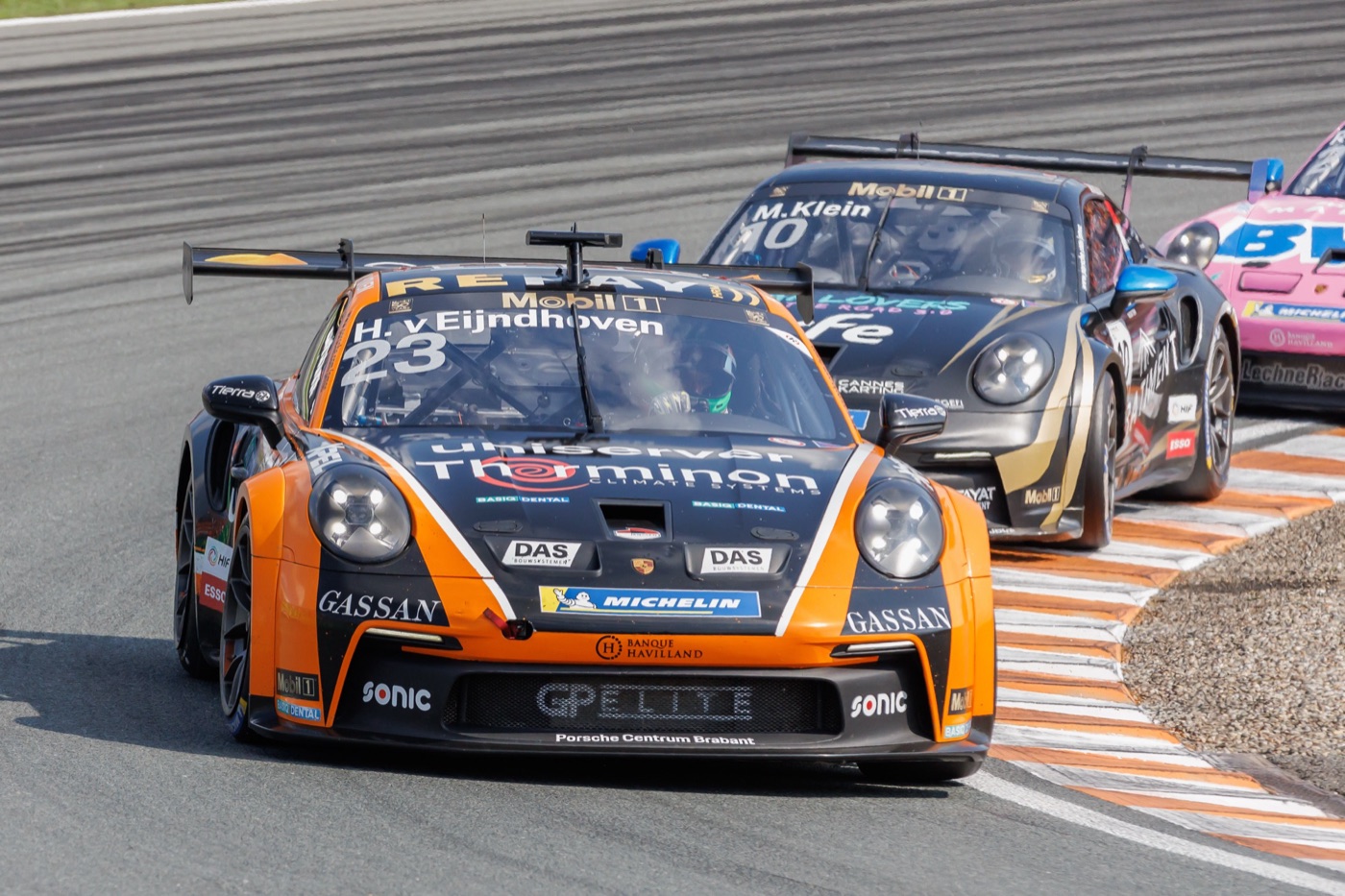
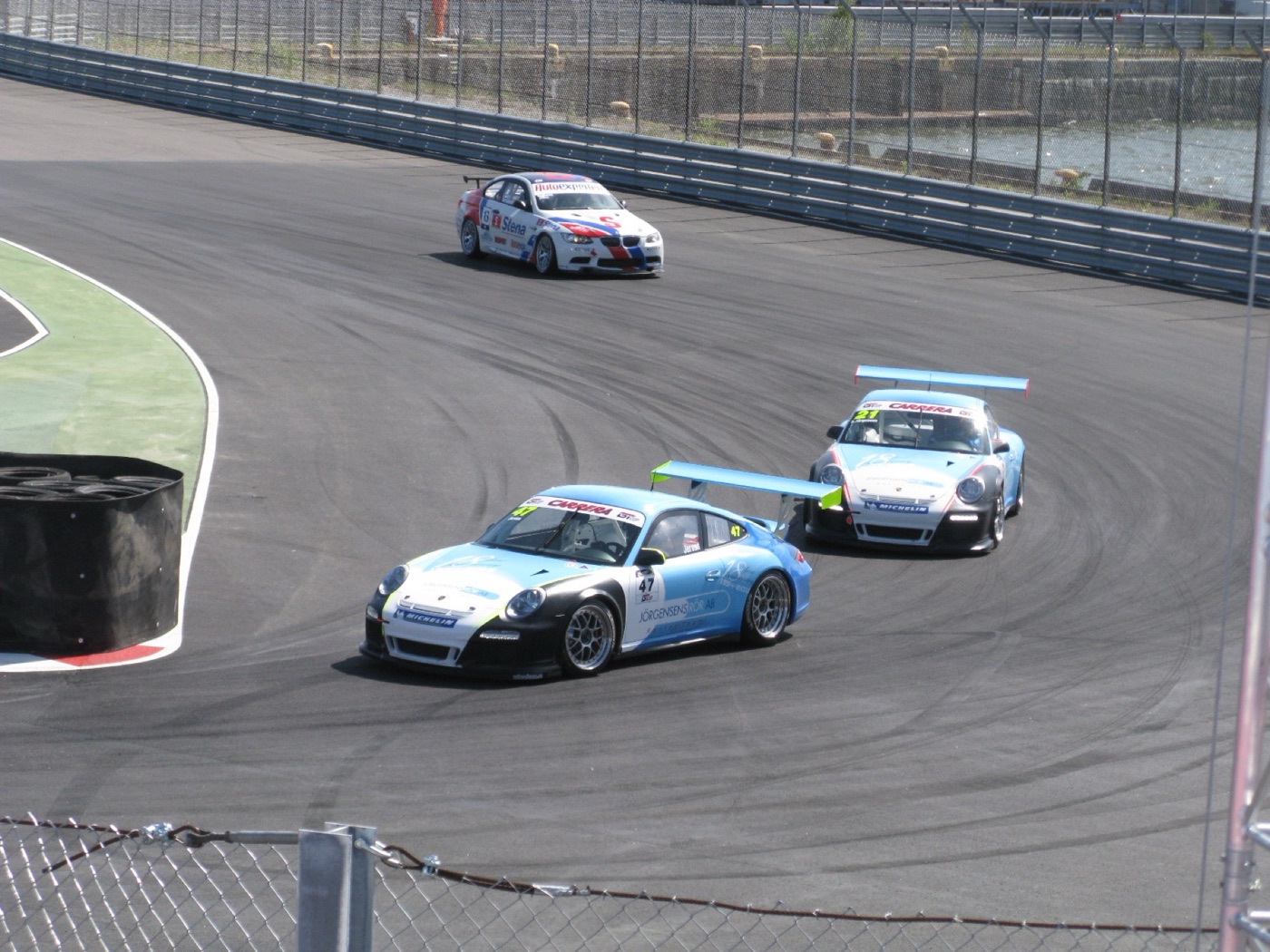
The Porsche 911 GT3 Cup is the one-make racing car, a racing version of the 911, that Porsche builds for its own championships: the Porsche Mobil 1 Supercup, which supports Formula 1, the national Carrera Cups and the GT3 Cup Challenge series. Porsche has built Cup 911s since 1990, under the GT3 Cup name since 1998, and by mid-2025 it had made 5,381, which puts the car among the most produced racing cars in the world. The current car, built from 2026 and now called simply the 911 Cup, has a 520PS (382kW) 4.0-litre flat-six and costs 269,000 euros before tax.
Because the rules and technical conditions are equal for everyone, results come from "driver performance, setup work, and team execution", Porsche Motorsport says of the Supercup. Two of its former rookie champions went further: Ayhancan Güven became DTM champion, and Laurin Heinrich won the 2026 24 Hours of Daytona in a Porsche 963.
What is the Porsche 911 GT3 Cup?
The Porsche 911 GT3 Cup is a race car sold by Porsche Motorsport for its one-make cups, built on the production line at Zuffenhausen and set up at Weissach, so that a whole grid can race identical cars. Porsche's 2023 account of the 5,000th Cup car says the 911 had become "one of the most widely produced racing vehicles in the world", and that 34 Porsche-approved one-make series ran in 2023, almost all of them on the 992-generation GT3 Cup.
The car is the customer's first step on Porsche's racing ladder, together with the 718 Cayman GT4 RS Clubsport. "The Cup race car based on the 911 is one of the best-selling racing cars in the world," Michael Dreiser, director of sales at Porsche Motorsport, said when Porsche unveiled the new 911 Cup in August 2025. "Alongside the 718 GT4 RS Clubsport, it forms the demanding basis of our motorsport pyramid."
Why the GT3 Cup is now called the 911 Cup
From the 2026 season Porsche dropped "GT3" from the name. The car based on the 992.2 generation is officially the 911 Cup, and the "GT" plus a number is kept for cars built for racing against other makes, such as the 911 GT3 R, which runs in the FIA's GT3 category. The 992.1-generation car stays the 911 GT3 Cup and still races in many national series in 2026.
History of the Porsche 911 GT3 Cup
The Cup 911 began in April 1990 with the Porsche Carrera Cup Deutschland in Germany, and the GT3 Cup name arrived in 1998 with the water-cooled 996. Porsche's thinking in 1990, as its 2023 history puts it, was that "technology from series production should prove itself on the racetrack", with every Cup car built centrally by the factory. The first car was only slightly modified for racing, with safety equipment, a racing suspension and an exhaust system.
From 1993 the Cup 911 also raced in the new Porsche Supercup on the Formula 1 support bill. The first Supercup race, on 25 April 1993 at the San Marino Grand Prix in Imola, was won by Uwe Alzen, according to Porsche's facts for the 200th Supercup race in 2011. Mika Häkkinen, a guest that year, won the Supercup races at Monaco and Budapest.
Each generation then moved further from the road car, as safety rules grew and the series spread abroad. By 2023 the Cup car had a computer-aided safety cell, a sequential dog-box with paddles, carbon-fibre body and cockpit parts, and a rear wing with eleven positions. The road cars behind each Cup car are described in the guide to Porsche 911 generations.
Porsche 911 GT3 Cup generations
There have been eight Cup 911s, from the 964-based Carrera 2 Cup of 1990 to the 992.2-based 911 Cup of 2026; six of them carried the GT3 Cup name.
| Car | Based on | Debut | Engine | Power | Built |
|---|---|---|---|---|---|
| Porsche 911 Carrera 2 Cup (964) | 911 Carrera RS | 1990, Carrera Cup Deutschland | 3.6 litres | 265–275PS | 297 |
| Porsche 911 Cup (993) | 911 Carrera RS | 1994, Carrera Cup Deutschland | 3.8 litres | 310–315PS | 186 |
| Porsche 911 GT3 Cup (996) | 911 GT3 | 1998, Supercup | 3.6 litres | 360–390PS | 873 |
| Porsche 911 GT3 Cup (997) | 911 GT3 and GT3 RS | 2005, Supercup | 3.6–3.8 litres | 400–450PS | 1,485 |
| Porsche 911 GT3 Cup (991.1) | 911 GT3 | 2013, Supercup | 3.8 litres | 460PS | 673 |
| Porsche 911 GT3 Cup (991.2) | 911 GT3 | 2017, Supercup | 4.0 litres | 485PS | 737 |
| Porsche 911 GT3 Cup (992.1) | 911 GT3 | 2021, Supercup | 4.0 litres | 510PS | 1,130 |
| Porsche 911 Cup (992.2) | 911 GT3 | 2026, Supercup | 4.0 litres | 520PS | about 120 delivered by March 2026 |
Source: Porsche Newsroom, "5,000th Cup 911" (31 March 2023) for the first six rows; the 992.1 total and the 992.2 power from Porsche's August 2025 release; the 992.2 deliveries from its March 2026 roll-out report.
Porsche 911 Carrera 2 Cup (964), 1990 to 1993
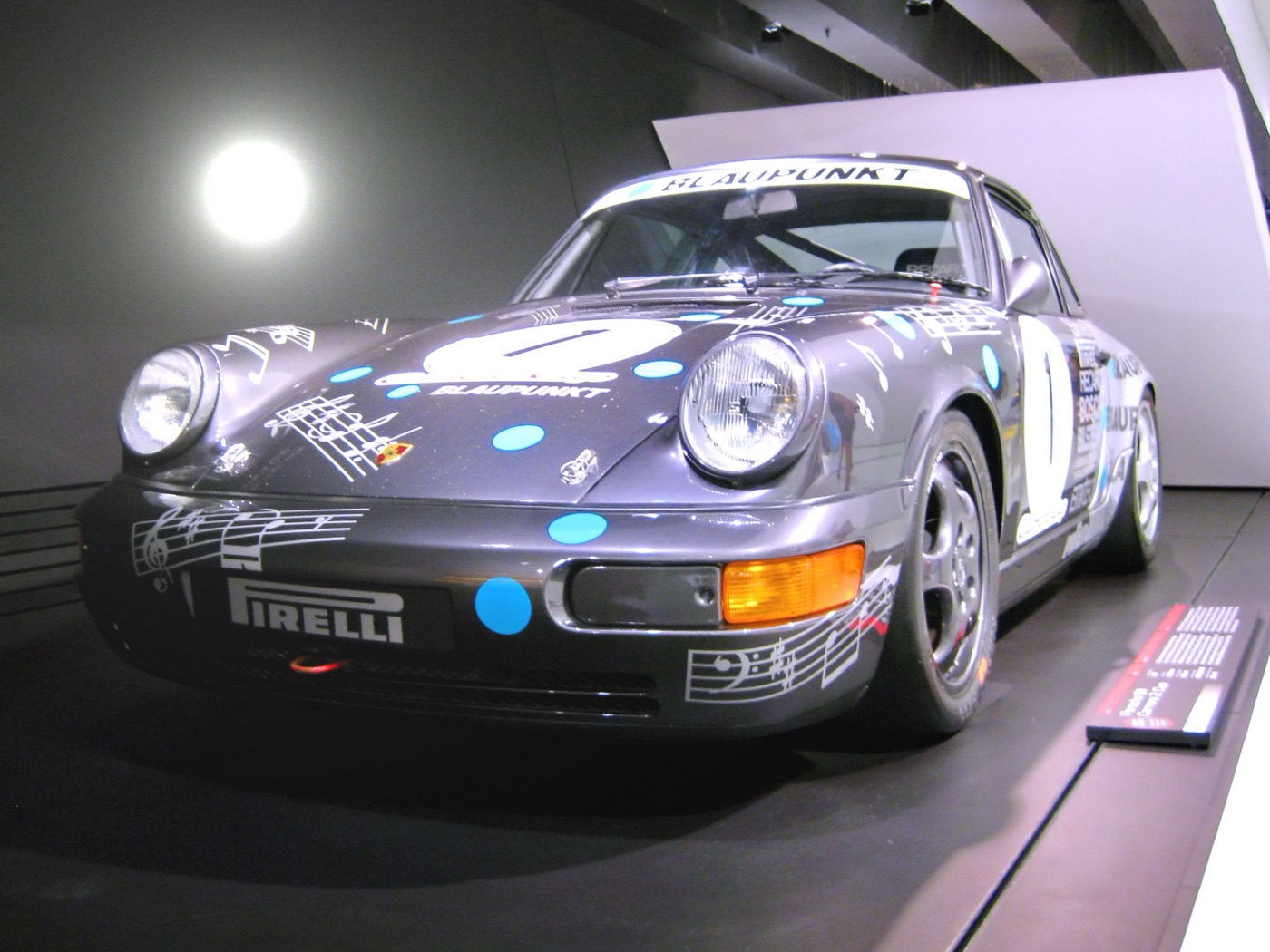
The first Cup 911 was a 911 Carrera RS stripped of its comforts and fitted with a roll cage, bucket seat, harnesses, sports suspension, racing tyres, modified brakes and a sports exhaust, plus a differential lock and shorter third, fourth and fifth gears. It kept its ABS and three-way catalytic converter. Porsche's December 2020 launch release for the 992 GT3 Cup gives its output in the 1990 season as 260hp.
Porsche 911 Cup (993), 1994 to 1997
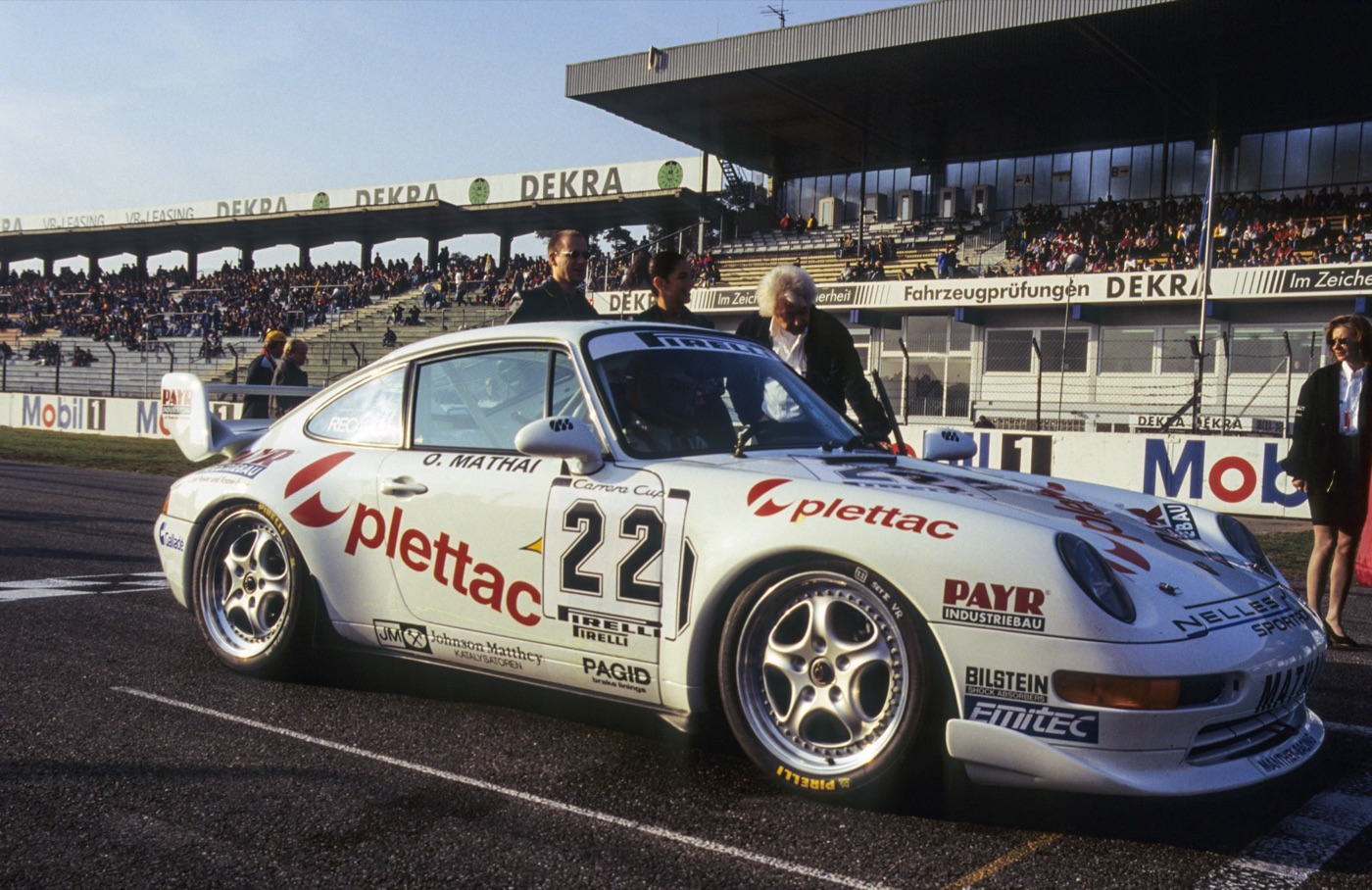
The 993 Cup brought a multi-link rear axle, the biggest change over the 964. In 1995 it gained a larger fixed rear wing, side skirts and the front spoiler of the Carrera RS. Porsche built 186, the fewest of any Cup 911. Patrick Huisman won the first of his four Supercup titles in one in 1997, on a tie of 128 points with Oliver Mathai, taking it on race wins, three to one.
Porsche 911 GT3 Cup (996), 1998 to 2004
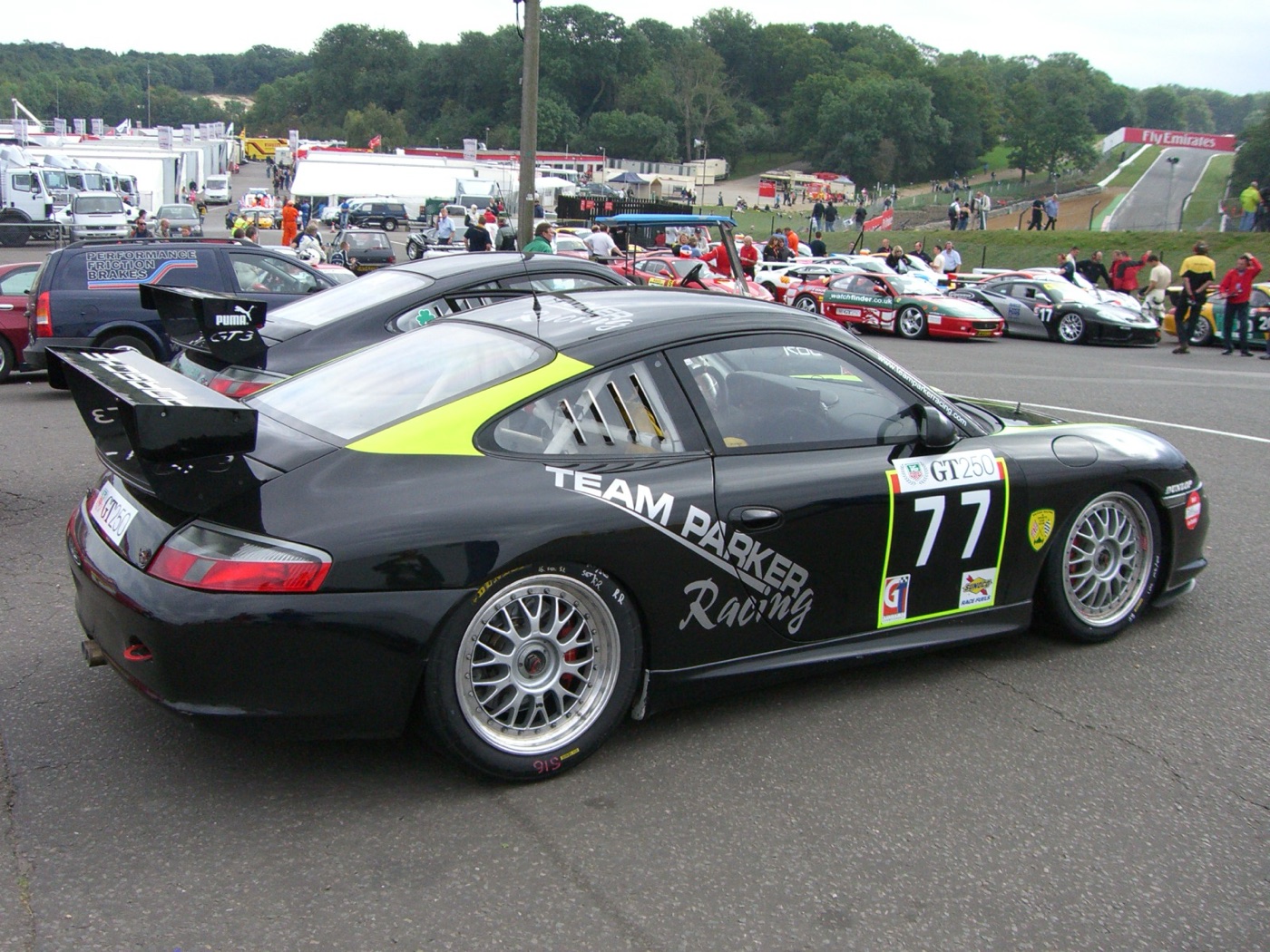
The 996 was the first Cup 911 with a water-cooled engine and the first called GT3 Cup. Power rose over its life from 360PS to 390PS. From 2001 a much larger rear wing doubled the downforce on the rear axle, from 2002 the wing could be set in seven positions, and the car took the teardrop headlights of the 911 Turbo. Porsche built 873.
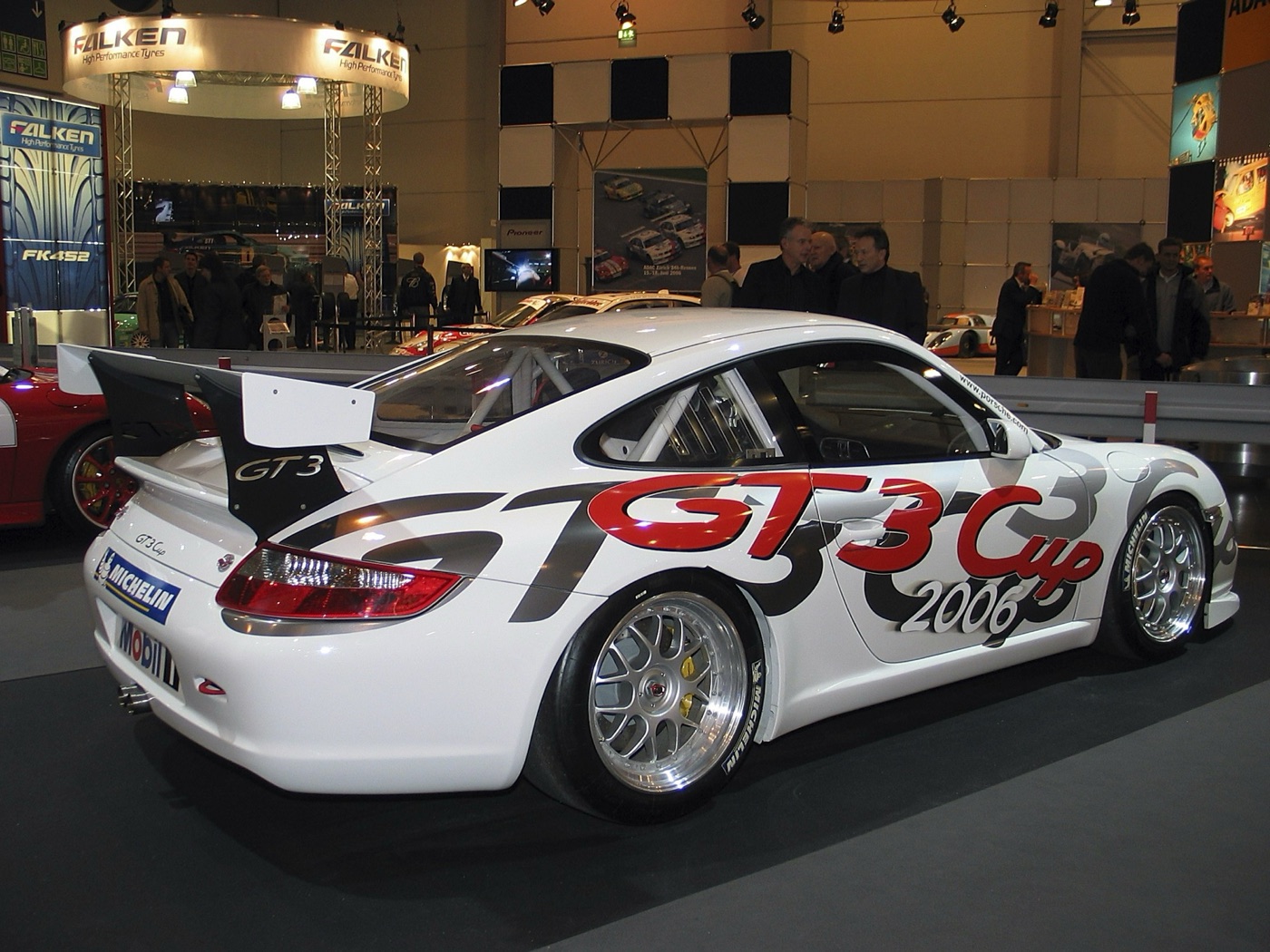
Porsche 911 GT3 Cup (997), 2005 to 2013
Porsche built 1,485 of the 997 GT3 Cup, more than of any other Cup 911. A new front with an adjustable spoiler and a bigger rear wing gave about 40 per cent more downforce than the 996. The evolution of 2010, shown at the Frankfurt show in 2009, was the racing version of the 911 GT3 RS, with its 3.8-litre engine; Porsche's launch text gave 450bhp, an 8,500rpm limit, a sequential six-speed gearbox, 1,200kg and a base price of 149,850 euros, as reprinted by a Porsche supplier in 2009.
Porsche 911 GT3 Cup (991), 2013 to 2020
The 991 generation came in two forms. The 991.1 of 2013 was the first Cup 911 with paddle shifts on the steering wheel, and it added a new roll cage and a rescue hatch in the roof. The 991.2 of 2017 took the road car's new 4.0-litre flat-six.
991.1 GT3 Cup
Its 3.8-litre engine gave 460hp (338kW) at 7,500rpm, driving a six-speed dog-type gearbox, and the 2013 car cost 181,200 euros plus local taxes, Dailysportscar reported at its unveiling in December 2012. It raced only in the Supercup in 2013, and the other series could buy it from 2014. Porsche built 673.
991.2 GT3 Cup
The 4.0-litre 991.2 car gave 485PS (357kW). Its body was 70 per cent steel and 30 per cent aluminium, and Porsche built 737.
Porsche 911 GT3 Cup (992.1), 2021 to 2025
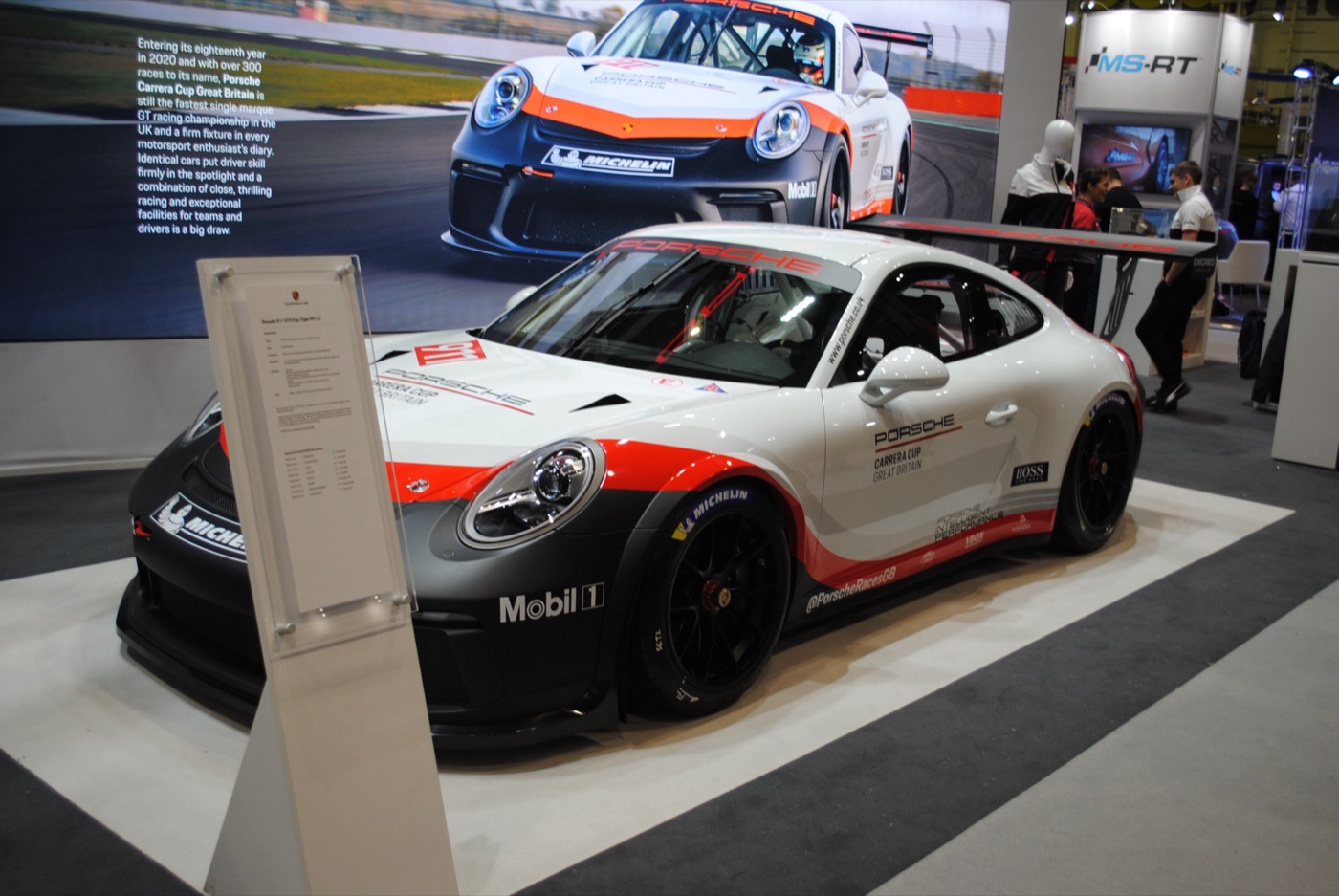
The 992 GT3 Cup was the first Cup car on the wide Turbo body, 1,902mm across at the rear and 1,920mm at the front axle, with 12-inch rims at the front and 13-inch at the rear. Porsche reversed the steel and aluminium shares to 30 and 70 per cent, yet the car weighed about 35kg more than the 991.2, at 1,260kg dry, because of extra bracing in the safety cell. Concrete development began in early 2019. Porsche's goals, it said, were more performance, a more aggressive design, easier handling and greater durability with less time spent on maintenance. The car moved to double wishbones at the front and was the first Cup 911 with electro-mechanical power steering and a fully digital cockpit, and it can run on synthetic fuel. All its windows are polycarbonate with a hard-coat finish, the seat adjusts to two height settings, a single throttle butterfly with two resonance flaps sharpens the engine's response, and the racing exhaust system, with a catalytic converter, comes in three versions depending on the series, its rules and the track. A larger rear wing on a swan-neck mounting and a new front apron gave more downforce, and the better aerodynamic efficiency made it more stable in fast corners. Porsche expected it to lap about one per cent faster than the 991.2, depending on the track, and built 1,130 between late 2020 and mid-2025.
Porsche 911 Cup (992.2), from 2026
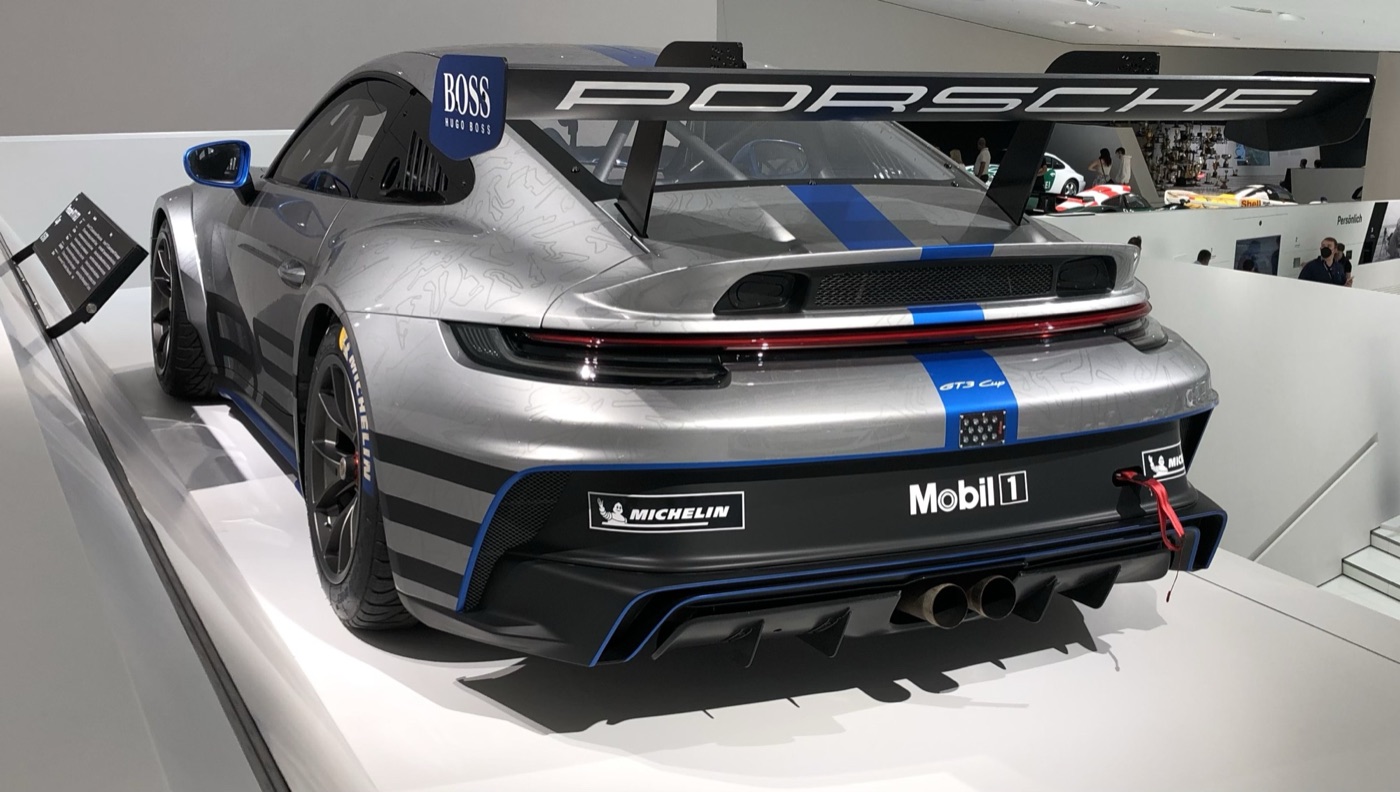
Work on the 992.2 car began at Weissach in January 2024, according to Porsche's July 2025 development report. It has 520PS, ten more than before. The front end is shaped like the 992.2 GT3's, with a front spoiler lip in three parts that can be replaced separately and no daytime running lights (so a knock no longer breaks the radiators behind them); louvre vents in the front fenders aid airflow through the wheel arches, and most of the bodywork is recycled carbon fibre with a bio-based resin. Individual throttle valves taken from the road engine replace the central throttle, which leaves room for an air restrictor, a requirement in some other championships. Michelin developed a new generation of tyres for it. It is the first Cup 911 with racing ABS fitted ex-works, a Bosch M5 system, and its front brake discs, still 380mm, grew from 32mm to 35mm thick.
About 120 were delivered in time for 2026. On 2 March 2026, 46 of them ran at the Circuit de Barcelona-Catalunya and covered more than 2,300 laps, and the fastest was well under the time that took Supercup pole there in 2025, Porsche reported. "An extra ten horsepower might not sound like much, but it makes a significant difference," said Porsche Junior Flynt Schuring. "I still need to get used to braking with ABS."
Porsche 911 GT3 Cup specs
The current car has a naturally aspirated, water-cooled 4.0-litre flat-six of 520PS driving the rear wheels through a sequential six-speed dog gearbox; the 992.1 GT3 Cup before it had 510PS, with maximum torque of 470Nm at 6,150rpm, and weighed 1,260kg dry.
| Porsche 911 GT3 Cup (992.1) | 911 Cup (992.2) | |
|---|---|---|
| Engine | 4.0-litre flat-six, naturally aspirated, dry sump | 4.0-litre flat-six, naturally aspirated, individual throttle valves |
| Power | 375kW (510PS) at 8,400rpm | 382kW (520PS) |
| Torque | 470Nm at 6,150rpm | not published |
| Rev limit | 8,750rpm | 9,000rpm |
| Transmission | Sequential six-speed dog-type, paddle shift, three-plate clutch | Sequential six-speed dog-type, four-plate clutch |
| Weight | 1,260kg dry | not published |
| Width | 1,920mm at the front axle | not published |
| ABS | Stored in the software, switched on by code | Bosch M5 racing ABS fitted ex-works |
| Engine service | After 100 hours | After 100 hours |
| Price new | 225,000 euros plus taxes | 269,000 euros plus taxes |
Source: Porsche's December 2020 and August 2025 releases; the 992.2 rev limit from Porsche Motorsport's Supercup page; the 2020 price from the Carrera Cup Australia copy of the 2020 release.
How much horsepower does a GT3 Cup have?
The 911 Cup of 2026 has 520PS (382kW, about 513bhp) and the 992.1 GT3 Cup 510PS (375kW, about 503bhp). Earlier GT3 Cups had 360PS to 390PS (996), 400PS to 450PS (997), 460PS (991.1) and 485PS (991.2). The 992.1 engine is, in Porsche's words, "virtually identical" to the road GT3's apart from the racing exhaust and engine electronics, and it reaches its peak at 8,400rpm, up from 7,500rpm in the 991.2.
How much does a GT3 Cup weigh?
The 992.1 GT3 Cup weighs 1,260kg dry. The 991.2 was about 35kg lighter, and the 2010 997 GT3 Cup weighed 1,200kg in Porsche's figures. Porsche has not published a weight for the 992.2 911 Cup.
How many Porsche 911 GT3 Cup cars have been made?
Porsche had built 5,381 Cup 911s by July 2025, counting every generation since the 964 of 1990, and 1,130 of those were the 992.1 GT3 Cup. The 5,000th came off the line at Zuffenhausen at the end of November 2022 and raced in the 2023 Supercup as the guest car, numbered 911. By December 2020 the first six generations totalled 4,251, Porsche said when it launched the 992.
Where and how the GT3 Cup is built
Porsche Motorsport designs the car at Weissach and the factory builds it on the same assembly line as the road 911 at Zuffenhausen; a 992.1 GT3 Cup took just under eight hours to build. Each car is delivered with a complete kit of special tools and wishbone spacers, so a team can race it as it arrives. When the 992 was launched in 2020, Dreiser set the aim of passing 5,000 Cup cars "over the coming years"; the 5,000th was built two years later.
GT3 Cup against the road 911 GT3 and the GT3 R
The GT3 Cup shares its engine and body structure with the road-going 911 GT3, but it is a race car only; the GT3 R is a different, faster racing car built for GT3 racing against other makes. Since August 2025 Porsche has called its one-make cars Cup and kept "GT" and a number for cars that race other makes.
Can a GT3 Cup be driven on the road?
No. It is a track-only car, as Gooding & Company described an unused 2019 example offered in 2024, and Porsche builds it with a safety cell, polycarbonate windows and a racing exhaust.
How the GT3 Cup differs from the GT3 R
The GT3 R is built to the FIA's GT3 rules to race against cars from other makes, and Porsche launched a new evolution of it on the same day in August 2025 as the 911 Cup. The Cup car runs only in Porsche's own one-make championships and Porsche-sanctioned events, where every car is the same.
Where the GT3 Cup races
The GT3 Cup races in the Porsche Mobil 1 Supercup, in Carrera Cups in more than twelve countries and in 23 Porsche-sanctioned sprint and endurance challenges and trophies, Porsche said in 2025. The national Porsche Carrera Cup series run in Japan, Asia, Australia, the Middle East, North America, South America and Europe, and drivers move up from them to the Supercup: Marcus Amand of Finland moved up in 2026 after winning the 2025 Porsche Carrera Cup France. In 2026 the new 911 Cup joined the Supercup, the Carrera Cup Deutschland, the Carrera Cup Asia and the Carrera Cup North America, while most other series kept the 992.1 GT3 Cup. Carrera Cup Asia teams completed their first shakedown in Zhuhai, China.
Porsche Mobil 1 Supercup
The Supercup has run only on Formula 1 weekends since 1993, and it is the senior one-make series. In 2026 a full field of 28 ran eight races at seven European Grands Prix, beginning at Monaco in June. The 2026 champion, Flynt Schuring of the Netherlands, is at 20 the youngest in the series' history, Porsche's report on the September 2026 finale at Monza said; Larry ten Voorde won his third title in 2024 and Alessandro Ghiretti won in 2025. Since 2024 the Supercup has run on eFuel made from raw fuel from the Haru Oni plant in Chile, according to Porsche's review of the 2024 season.
| Record | Holder | Detail |
|---|---|---|
| Most titles | Patrick Huisman (NLD) | 4, in a row, 1997–2000 |
| Most race wins | Patrick Huisman | 24, from Hockenheim 1996 to Spa 2007 |
| Most pole positions | Patrick Huisman | 18 |
| Most wins in one season | Wolf Henzler (DEU) | 9, 2004 |
| Closest title | Patrick Huisman and Oliver Mathai | 128 points each, 1997; Huisman won on wins |
| Oldest champion | Jean-Pierre Malcher (FRA) | 45, 1995 |
Source: Porsche's facts for the 200th Supercup race, July 2011; Guinness World Records for Huisman's four titles.
Two of these have moved since. Schuring replaced René Rast, champion at 23 in 2010, as the youngest champion in 2026. On titles the sources now differ: Porsche's 2022 season review calls Michael Ammermüller "the four-time Supercup champion", which would equal Huisman, while Guinness World Records gives the record of four to Huisman alone.
Porsche Carrera Cup Great Britain
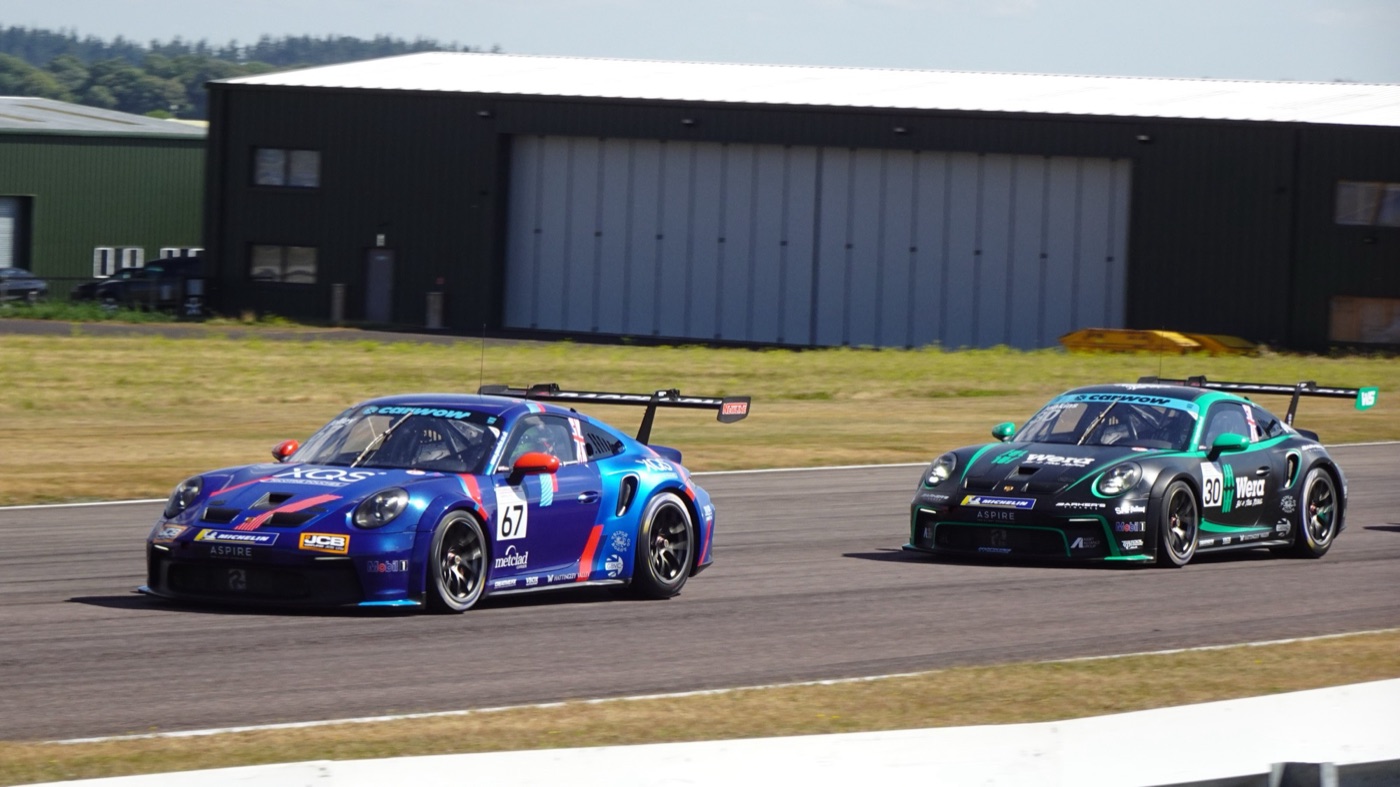
The Carrera Cup Great Britain started in 2003 and in 2026 ran its 24th season, with "identical and exhilarating 510 hp 911 GT3 Cup cars", on Porsche's series page. Barry Horne won the first title. By its tenth anniversary in October 2012 the series had run 195 races, and Tim Harvey had won the most of them, 36, Racecar reported. Dan Cammish became its first triple champion in 2021, and other drivers moved on from it to the British Touring Car Championship and, in Nicholas Latifi's case, to Formula 1 with Williams. The series used the 991.2 car until 2021 and the 992 GT3 Cup from 2022.
| Season | Champion |
|---|---|
| 2003 | Barry Horne |
| 2004 | Richard Westbrook |
| 2005 | Damien Faulkner |
| 2006 | Damien Faulkner |
| 2007 | James Sutton |
| 2008 | Tim Harvey |
| 2009 | Tim Bridgman |
| 2010 | Tim Harvey |
| 2011 | James Sutton |
| 2012 | Michael Meadows |
| 2013 | Michael Meadows |
| 2014 | Josh Webster |
| 2015 | Dan Cammish |
| 2016 | Dan Cammish |
| 2017 | Charlie Eastwood |
| 2018 | Tio Ellinas |
| 2019 | Dan Harper |
| 2020 | Harry King |
| 2021 | Dan Cammish |
| 2022 | Kiern Jewiss |
| 2023 | Adam Smalley |
| 2024 | George Gamble |
| 2025 | Andrew Rackstraw |
Source: Racecar, October 2012 (2003 to 2011) and February 2019 (2012 to 2018, "301 races and counting"); Motorsport.ie (2019); Racecar, 2021 preview (2020); Racecar, October 2021 (2021); Porsche Motorsport GB, 2023 preview (2022); Adam Smalley, September 2023 (2023); Porsche Motorsport GB, October 2024 (2024); Porsche Motorsport GB, October 2025 (2025). From 2006 the series also crowns class champions; the table gives the overall (Pro) champion.
Did the 997 GT3 Cup lose its edge?
In October 2011 a SkiddMark essay argued that the 997 GT3 Cup had become too good for its own series: so stable and forgiving that grids of identical cars made races "more congenial than enlivened". It was published in the 997's seventh season, with the 991 GT3 Cup a year away.
The 2011 argument
The essay held that the 997 was "a beautiful car to drive and a sensational car to race", but that its wider track, grippier tyres and more effective aerodynamics forgave "all but the wildest of moments", so skill was no longer rewarded and errors no longer punished. It recorded that Porsche then had 20 stand-alone championships worldwide and had sold more than 2,200 GT3 Cups since 1998, almost 200 a year, and that at a VLN race at the Nürburgring, 14 of the top 20 finishers from a 168-car entry were 911s.
The essay blamed the rules as much as the car. The 2011 Carrera Cup car was 20kg heavier than its predecessor, yet the minimum weight of car and driver had been cut by 10kg, which helped small drivers from single-seaters over older hands such as Tim Harvey and Michael Caine. Limits on suspension and aerodynamic adjustment, it said, took away the advantage experienced teams used to find. It suggested a smaller rear wing with more adjustment, or a different rear tyre, and expected no change of base car to the 991 before 2014.
It also gave the other side. Only a couple of years earlier the Carrera Cup GB, with a lighter and edgier car, had struggled to keep double-figure entries, while by 2011 young drivers such as Michael Meadows, James Sutton, Nick Tandy and Stephen Jelley were racing for titles on full grids. Jelley was still racing in the Carrera Cup GB in 2026.
What Porsche changed afterwards
The 991 GT3 Cup arrived in 2013, a year earlier than the essay expected, with paddle shifts in place of a lever. In the 992.1 Porsche kept the radiators directly behind the front apron on purpose, it said in 2020, because "the risk of damaging the radiators prevents an overly aggressive driving style", and the Supercup and most national Carrera Cups keep ABS and traction control switched off so that "the talent of the drivers alone is what counts". The 2026 car fits racing ABS as standard. "Driving the 911 Cup has always been regarded as a challenge," said Thomas Laudenbach, vice president of Porsche Motorsport, in 2025. "And we want to keep it that way because it also serves as the training platform for our Porsche Juniors."
Porsche 911 GT3 Cup price, new and used
A new 911 Cup costs 269,000 euros before country-specific taxes, Porsche said in August 2025; the 992.1 GT3 Cup was 225,000 euros when it went on sale in December 2020.
| Car | Launch | Price new |
|---|---|---|
| Porsche 911 GT3 Cup (997), 2010 evolution | 2009, Frankfurt show | 149,850 euros |
| Porsche 911 GT3 Cup (991.1) | December 2012 | 181,200 euros |
| Porsche 911 GT3 Cup (992.1) | December 2020 | 225,000 euros |
| Porsche 911 Cup (992.2) | August 2025 | 269,000 euros |
Source: Porsche launch texts of 2009, 2020 and 2025; Dailysportscar, December 2012.
What a used GT3 Cup costs
Water-cooled Cup cars from the 996 to the 991.1 sell for well under the price of a new one, while the air-cooled 964 and 993 cars fetch more than any of them except the 992.1. OUTLAW 8's auction records hold 91 sales of Cup 911s in US dollars from 2014 to October 2026, grouped here by generation from each car's chassis number.
| Car | Sales | Median | Median since 2024 | Range | Sale dates |
|---|---|---|---|---|---|
| 911 Carrera 2 Cup (964) | 14 | $217,905 | $213,597 | $190,261 to $335,000 | February 2015 to February 2026 |
| 911 Cup (993) | 10 | $248,200 | $257,500 | $136,053 to $437,995 | July 2014 to September 2026 |
| 911 GT3 Cup (996) | 18 | $66,125 | $64,936 | $31,250 to $110,880 | April 2018 to January 2026 |
| 911 GT3 Cup (997) | 27 | $72,000 | $65,579 | $40,000 to $302,500 | July 2016 to May 2026 |
| 911 GT3 Cup (991.1) | 7 | $103,253 | $88,794 | $69,706 to $120,210 | April 2022 to February 2026 |
| 911 GT3 Cup (991.2) | 12 | $158,500 | $145,000 | $128,741 to $260,000 | December 2020 to March 2026 |
| 911 GT3 Cup (992.1) | 3 | $225,000 | $225,000 | $160,000 to $261,752 | June 2024 to March 2026 |
Source: OUTLAW 8 auction records (listings sold at a recorded price), queried 28 October 2026; a car sold more than once counts at each sale. The 997 high is a 2012 GT3 Cup 4.0 Brumos Edition, sold by Mecum at Kissimmee in January 2020 and again for $176,000 in January 2022; the 993 high is a 1998 Carrera Cup with 15,028km, sold by Collecting Cars in February 2024.
An unraced car is the exception. A 2019 991.2 GT3 Cup with delivery mileage, never raced and sold with its factory spares package, made $240,800 without reserve at Gooding & Company's Amelia Island sale in 2024, against an estimate of $250,000 to $350,000.
Running costs
The engine of the 992.1 and 992.2 cars needs an overhaul only after 100 hours on track. The 992.1's 72kg gearbox has a minor inspection after 60 hours of racing, about two Supercup seasons, and a major overhaul after 120 hours. In the 992.2 Porsche split the front spoiler lip into three parts, so that only the damaged piece is replaced after contact, and it says the recycled carbon fibre helps to keep spare-part prices stable.
Questions
Can anyone buy a Porsche 911 GT3 Cup?
Porsche Motorsport sells it to customers, most of them racing teams, but private owners can buy one too: the 2019 car Gooding & Company sold in 2024 had had one private collector owner from new. The 2026 911 Cup costs 269,000 euros before local taxes.
How many cars race in a Porsche Supercup race?
Up to 32, Porsche says. The 2026 Supercup had a full field of 28 cars for eight races at seven European Grands Prix.
How long is a Porsche Supercup race?
Each Supercup weekend has practice, qualifying and a sprint race of 30 minutes, all on Formula 1 Grand Prix weekends.
What is the difference between a GT3 Cup and a GT3 RS?
The GT3 RS is a road car. The GT3 Cup is a racing car built on the same production line, with a safety cell, a sequential dog-type gearbox and no road equipment; the 2010 997 GT3 Cup was the racing version of the GT3 RS of its day.
Does the GT3 Cup have ABS or traction control?
The 992.1 car has both stored in its software, switched on by code, but they are off in the Supercup and most national Carrera Cups. The 2026 911 Cup is the first fitted with racing ABS ex-works.
What fuel does the GT3 Cup use?
The 992 cars can run on synthetic fuel, and since 2024 the Supercup has used an eFuel blend made largely from raw fuel from HIF Global's Haru Oni plant in Chile; the 2025 blend is rated at 100.5 RON.
Sources
- Porsche Newsroom, "5,000th Cup 911 features in the Porsche Supercup as the VIP car", 31 March 2023: generations table, units built, build time, history since 1990.
- Porsche Newsroom Australia, "Stronger, faster, more spectacular: the new 911 GT3 Cup", 12 December 2020: 992.1 specification, weight, dimensions, service intervals, driver aids, radiator placement, 4,251 cars by December 2020.
- Carrera Cup Australia, "Stronger, faster, more spectacular: the new 911 GT3 Cup", December 2020, reprinting Porsche's release: 225,000-euro price, deliveries from February 2021.
- Porsche Newsroom, "Porsche develops 911 Cup race car for launch in the 2026 season", 18 July 2025: 5,381 cars built, 1,130 of the 992.1, build time, start of development, countries and series.
- Porsche Newsroom, "The new 911 Cup: stronger performance for the successful one-make model", August 2025, and the Australian edition with the 269,000-euro price: 992.2 specification, name change, quotes from Laudenbach, Dreiser and Scholz.
- Porsche Newsroom, "More than 120 of the new Porsche 911 Cup handed over to international teams", March 2026: deliveries, Barcelona test, 2026 Supercup calendar.
- Porsche Newsroom, "Chester Kieffer is the Porsche Mobil 1 Supercup Rookie Champion", September 2026: Schuring's title and age.
- Porsche Newsroom, "Porsche Supercup celebrates its champions and gears up for the 2025 season", 2024: ten Voorde's third title, eFuel.
- Porsche facts for the 200th Supercup race, July 2011, as published by 911uk: first race, champions, records.
- Guinness World Records, "Most Porsche Supercup Championships": Huisman, four titles.
- Porsche launch text for the 2010 911 GT3 Cup, Frankfurt 2009, as reprinted by Lufteknic: 450bhp, 1,200kg, 149,850 euros.
- Dailysportscar, "Porsche releases 991-based GT3 Cup", 12 December 2012: 991.1 power, paddle shift, 181,200-euro price.
- Porsche Motorsport, "Porsche Carwow Carrera Cup Great Britain", read October 2026: 24th season, car, former champions.
- Racecar, "Ten years of Porsche Carrera Cup GB is celebrated", October 2012, and "301 races and counting for Porsche Carrera Cup GB", February 2019: champions 2003 to 2018, race totals, Harvey's 36 wins.
- Carrera Cup GB champions 2019 to 2025: Motorsport.ie, 30 September 2019; Racecar, 2021; Racecar, October 2021; Porsche Motorsport GB, 2023; Adam Smalley, September 2023; Porsche Motorsport GB, October 2024; Porsche Motorsport GB, October 2025.
- Porsche Newsroom, "Porsche Supercup continues as Formula 1 support series until 2030", 2022: the 2022 season, Ammermüller as "four-time Supercup champion".
- OUTLAW 8 auction records, 91 Cup 911 sales in US dollars, 2014 to October 2026, queried 28 October 2026: the used-price table.
- Gooding & Company, "2019 Porsche 911 GT3 Cup", Amelia Island 2024: sale price, estimate, condition.
- Porsche Motorsport, "Porsche Mobil 1 Supercup: About the Series", read October 2026: format, field size, race length, the 9,000rpm limit, former rookie champions.
- SkiddMark, "Too Fast Too Sterile: Has the 911 GT3 Cup lost its edge?", October 2011: the 2011 argument, sales and championship figures, weight rules.