Range Rover Sport L494: history, engines, SVR and buying guide
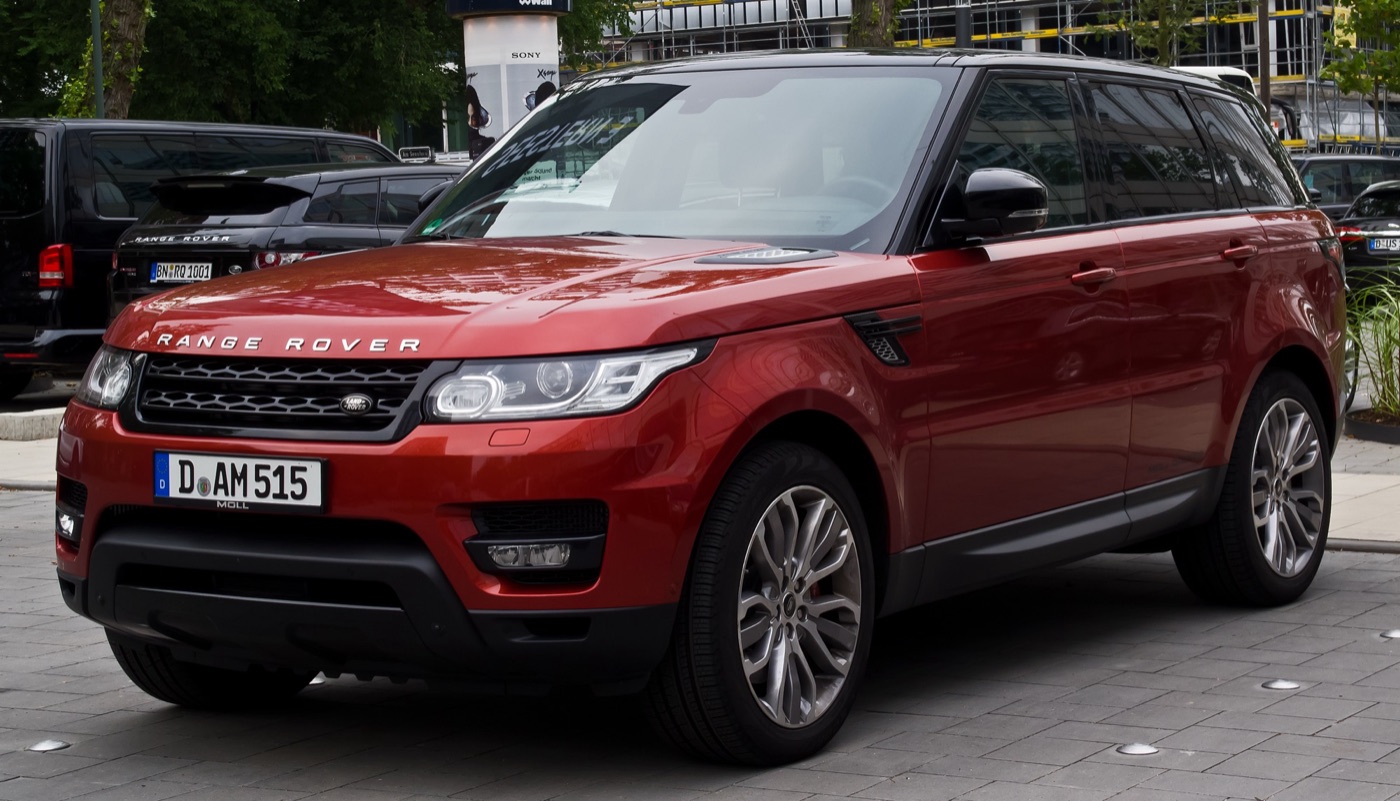
The Range Rover Sport L494 is the second-generation Range Rover Sport, the aluminium-bodied luxury SUV that Land Rover built at Solihull from 2013 to 2022 between the full-size Range Rover and the Range Rover Evoque. It weighed up to 420kg less than its predecessor, the steel-framed L320, came with petrol, diesel, hybrid and plug-in hybrid engines from 240PS to the 575PS of the SVR, and helped take Range Rover Sport sales past one million in December 2020. In October 2026, used L494s advertised on PistonHeads ranged from about £10,000 for a 2014 diesel to more than £50,000 for a late SVR.
History of the Range Rover Sport L494
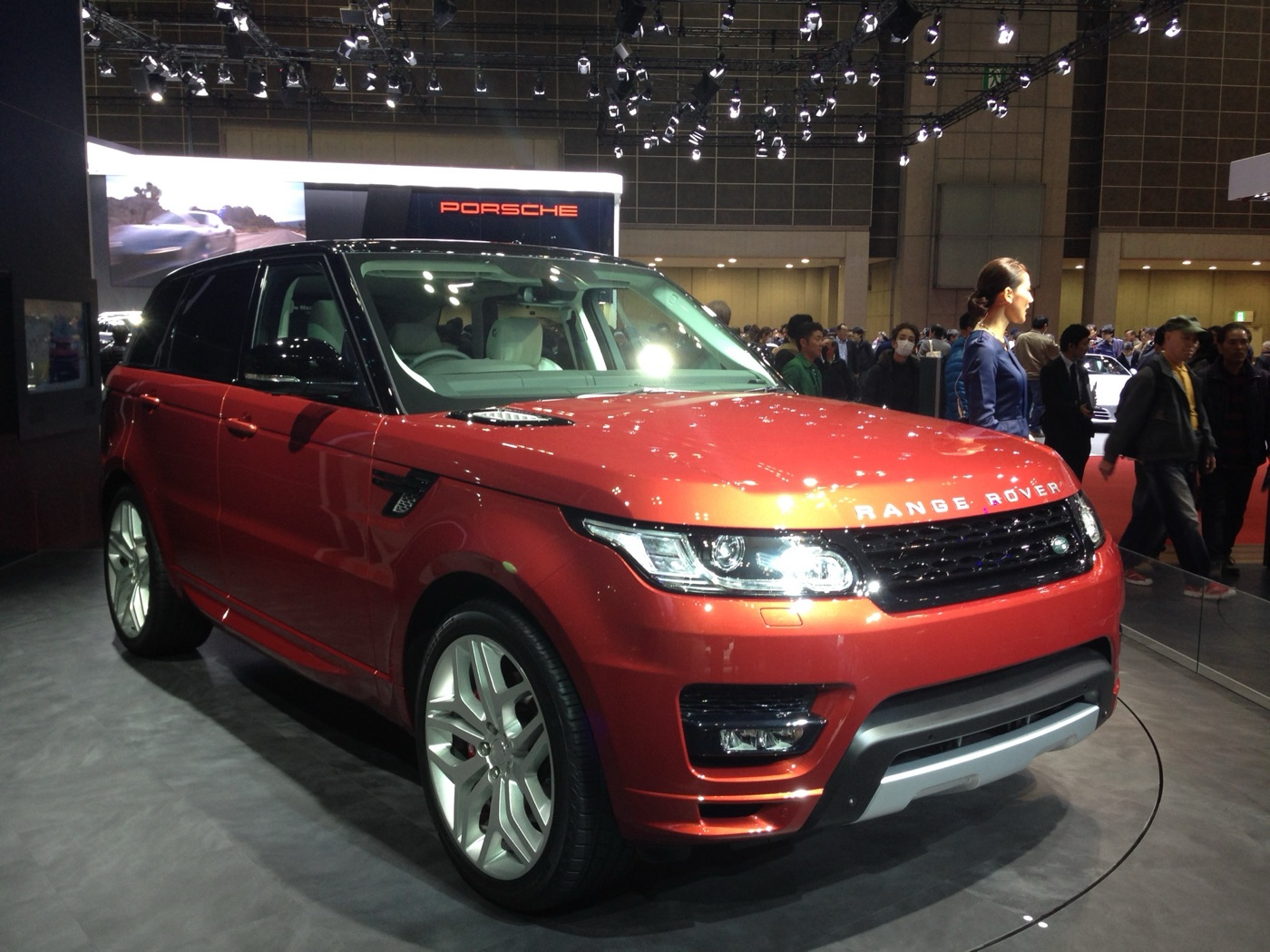
The L494 was revealed in New York in March 2013, went on sale that autumn, was facelifted for the 2018 model year and was replaced by the third-generation L461 in 2022. It was the third new Range Rover in two years, after the Range Rover Evoque in 2011 and the L405 Range Rover in 2012, and Land Rover developed it alongside the L405 on the same aluminium architecture.
The New York reveal and Daniel Craig
Land Rover chose New York because, by its own announcement of 11 March 2013, more Range Rover Sports were sold in the New York metropolitan area than anywhere else in the world. On the evening of 26 March 2013, the eve of the New York International Auto Show, the actor Daniel Craig drove the new car through closed Manhattan streets, over Manhattan Bridge and through a closed tunnel to Skylight at Moynihan Station on 8th Avenue, where it was shown to the guests. Land Rover's account of the night says the drive was filmed as a short film, The Delivery, directed by Jonathan P. B. Taylor, a second-unit director on the Fast & Furious films, and streamed live on a dedicated website.
The film opens with the car leaving the Solihull plant in a shipping container. A SkiddMark report the next day noted that police had closed the nearby streets to everything but Range Rovers for the run.
UK prices and the launch line-up in 2013
UK prices came on 25 April 2013. Land Rover UK's price release listed four grades and three engines for Britain: the 258PS TDV6 and 292PS SDV6 diesels and the 510PS supercharged 5.0-litre V8. The 340PS supercharged V6 petrol of the American launch was not offered in the UK at first.
| Grade | Price from | What it added |
|---|---|---|
| SE | £51,550 | Leather, air suspension, Terrain Response, HD navigation, DAB, power tailgate, heated front seats |
| HSE | £59,995 | 20in wheels, 14-way memory front seats, heated rear seats, rear camera, heated windscreen |
| HSE Dynamic | £64,995 | 21in wheels, gloss black grille, two-speed transfer box, torque vectoring, Terrain Response 2 Auto |
| Autobiography Dynamic | £74,995 | Meridian Surround Sound, adaptive cruise control, emergency braking, mood lighting |
Source: Land Rover UK, 25 April 2013. What Car?'s used review lists the later entry HSE with 20in alloy wheels, xenon headlights, keyless entry, a reversing camera and perforated leather, and the Autobiography Dynamic with a panoramic roof, ventilated seats, a 19-speaker Meridian audio system and a 360-degree camera. Orders opened that day, with the first deliveries from the third quarter of 2013. The SE cost £1,330 more than the outgoing L320 SE and the Autobiography £6,975 more, according to SkiddMark's report on the prices, which gave the old car's prices as £50,220 and £68,020.
Upgrades from 2013 to 2017
The range grew within a year. On 4 September 2013 Land Rover added the 339PS 4.4-litre SDV8 diesel and the SDV6 Hybrid, the first hybrid Land Rovers, both on order from 10 September for delivery in early 2014. The SVR followed in August 2014 (see below). In August 2016 the Sport gained a 2.0-litre four-cylinder Ingenium diesel, the InControl Touch Pro infotainment system and Advanced Tow Assist, which steers a trailer while reversing, according to Land Rover's November 2016 release.
The 2018 facelift
The facelifted L494 was announced on 4 October 2017 and delivered from early 2018. Land Rover's launch release lists Matrix Pixel LED headlights, a new grille and front bumper, the Touch Pro Duo system with two 10-inch touchscreens (code-named "Blade" by its developers), which had made its debut on the Range Rover Velar in March 2017, a gesture-controlled sunblind, the P400e plug-in hybrid and a 575PS SVR. UK prices started at £61,315. In the same release Jaguar Land Rover's UK managing director said the L494 had sold "just shy of 50,000 vehicles" in Britain since 2013.
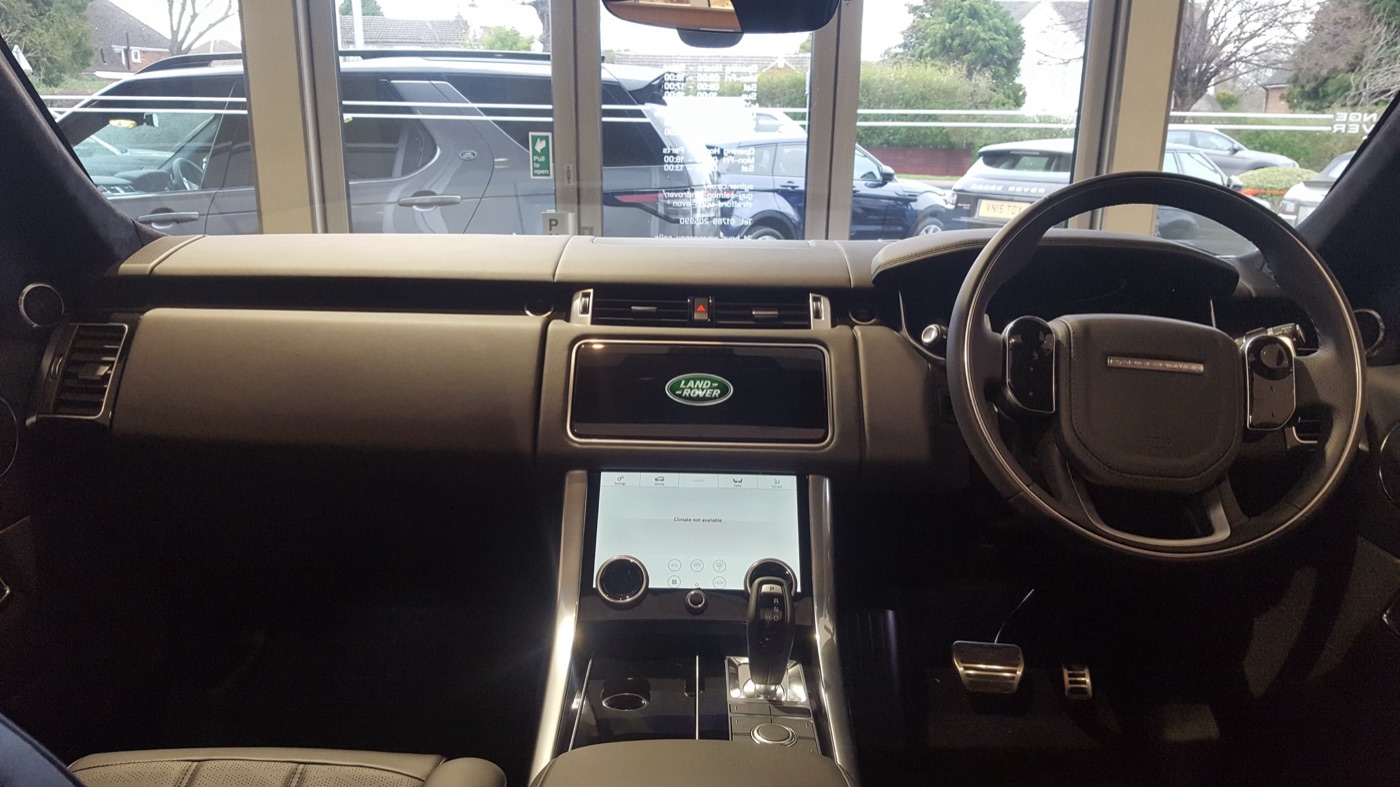
Later changes were mostly engines. In July 2018 a 249PS twin-turbo 3.0-litre SDV6 replaced the 240PS 2.0-litre SD4 diesel in Europe, and Adaptive Cruise Control with Stop and Go and Steering Assist was added, with UK prices from £64,084. In February 2019 the HST brought JLR's new 3.0-litre straight-six Ingenium petrol with 48-volt mild-hybrid assistance, and in July 2020 the D250, D300 and D350 straight-six mild-hybrid diesels replaced the earlier diesels.
The end of production and the L461
Land Rover revealed the third-generation Range Rover Sport, the L461, on 10 May 2022. Its launch release says the new car's MLA-Flex structure is up to 35 per cent stiffer in torsion than "the previous Range Rover Sport" and that it is built at Solihull alongside the Range Rover.
Design and engineering
The L494 is an all-aluminium monocoque with independent air suspension at each corner, where the L320 had a steel body on a separate chassis frame derived from the Discovery's. Gerry McGovern's design studio gave it the faster windscreen, sloping roof and wraparound lamps of the L405 Range Rover and the Evoque.
The aluminium body and the 420kg weight saving
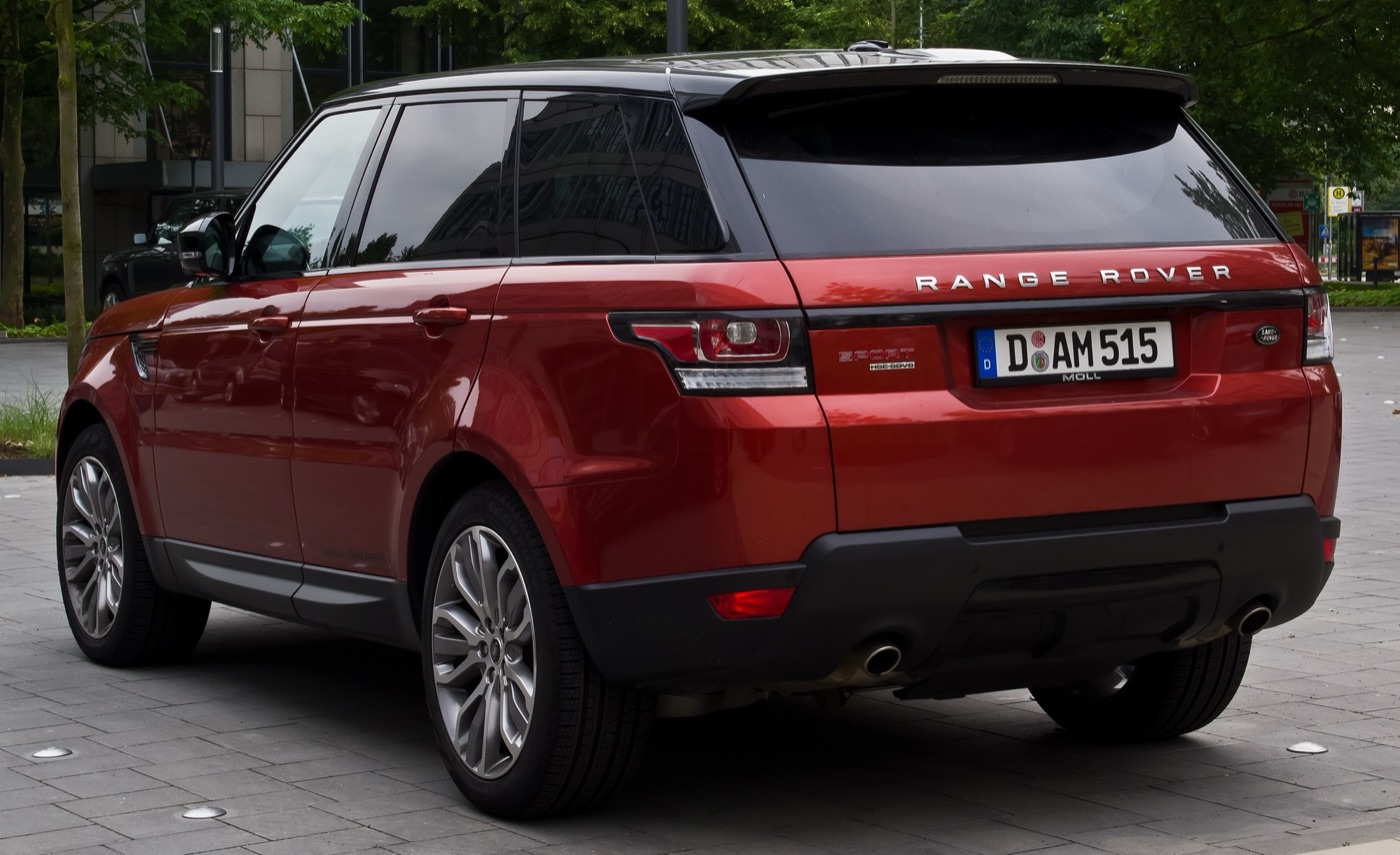
Land Rover's figure of 420kg compares like with like. The reveal release of 26 March 2013 gives a "weight from" of 2,115kg for the new TDV6 against 2,535kg for the old one; Land Rover North America's press kit adds that the aluminium platform was 39 per cent lighter than the old body and frame. The body combines pressed panels with cast, extruded and rolled aluminium parts, and Land Rover called it the first all-aluminium body structure in its segment. It also said the saving opened the way to a four-cylinder model of less than 2,000kg. Four-cylinder engines did follow: the 2.0-litre diesel in 2016, then the P300 and P400e petrols.
SkiddMark's 2013 report put the weight in context: 2,115kg was still about the same as, or a little more than, an equivalent Porsche Cayenne or BMW X5.
Dimensions
The L494 is 4,850mm long, 62mm longer than the L320, with a wheelbase 178mm longer and a body 55mm wider. It is 149mm shorter and 55mm lower than the L405 Range Rover and, model for model, 45kg lighter, with 75 per cent of its parts unique to the Sport. Its drag coefficient of 0.34 was 8 per cent better than the L320's, according to the reveal release.
Suspension, four-wheel drive and Terrain Response 2
The aluminium suspension uses double wishbones at the front and a multi-link rear, with 260mm of wheel travel at the front, 272mm at the rear and 546mm of articulation. The air springs give 115mm of regular movement and 185mm in all, maximum ground clearance is 278mm (51mm more than the L320) and the off-road height can be held up to 80km/h. Wading depth rose by 150mm to 850mm and Wade Sensing shows the depth of the water on the screen.
The electric power steering was new, with what Land Rover called a lighter, more direct feel. Buyers had two four-wheel-drive systems. The two-speed transfer case has a low range, a 50:50 default torque split and a multi-plate centre clutch that can send all the torque to either axle; the single-speed system with a Torsen differential is 18kg lighter and splits torque 42:58 front to rear. Higher grades added Dynamic Response active anti-roll bars on two independent channels, an active locking rear differential and Torque Vectoring by Braking. In its 2013 report SkiddMark compared that last system with the multi-plate torque-vectoring rear axle of the BMW X6: Land Rover brakes the inside wheel, which throttles some power, where BMW's clutches move torque to the outside wheel.
Terrain Response 2 has an Auto setting that picks one of five programmes (General, Grass/Gravel/Snow, Mud/Ruts, Sand and Rock Crawl), and supercharged V8s had a Dynamic mode that firmed the dampers and turned the dials red. Land Rover North America's 2014 model-year press kit says the Adaptive Dynamics dampers read the car's movements at least 500 times a second.
Interior, technology and seven seats
The L494 was the first Range Rover Sport offered with seven seats: an optional "5+2" pair of powered third-row seats that fold into the boot floor. Land Rover said they left a flat floor with no loss of boot space, and the second row gained 24mm of knee room. What Car? calls the boot "large, wide and fairly tall" with the third row folded, and the driver's seat "incredibly comfortable", with "an excellent and commanding driving position"; the only passenger it expects to complain is the one in the middle of the rear seat. What Car?'s used review calls the third-row seats "difficult to access and tight for space". The launch cabin had 50 per cent fewer switches than the L320's, a smaller, thicker-rimmed steering wheel, a higher centre console with a rotary Terrain Response knob and, according to the US press kit, an 8-inch touchscreen, with a 12.3-inch virtual instrument display on higher grades.
The safety and driver-assistance technology grew through the run. The 2013 car offered a colour head-up display using laser projection, and a windscreen camera for Lane Departure Warning, Traffic Sign Recognition and automatic high beam. Park Assist, with Park Exit and Perpendicular Park, was on the UK option list from April 2013. For 2014 Land Rover added 360-degree parking sensors and the InControl smartphone app with stolen-vehicle tracking, and in 2018 Adaptive Cruise Control with High-speed Emergency Braking.
Engines, specs and performance
The L494 was sold with four-, six- and eight-cylinder petrol and diesel engines, a diesel hybrid and a plug-in hybrid, all with permanent four-wheel drive; the launch engines all drove through the ZF 8HP70 eight-speed automatic.
| Engine | Type | Power | Torque | 0–62mph (0–60mph) | Announced |
|---|---|---|---|---|---|
| TDV6 | 3.0 V6 turbodiesel | 258PS | – | – | 2013 |
| SDV6 | 3.0 V6 twin-turbo diesel | 292PS, later 306PS | – | 6.8sec (Auto Express) | 2013 |
| V6 Supercharged | 3.0 V6 petrol | 340PS | – | (6.9sec) | 2013 |
| V8 Supercharged | 5.0 V8 petrol | 510PS, later 525PS | 625Nm (P525) | (5.0sec) | 2013 |
| SDV8 | 4.4 V8 twin-turbo diesel | 339PS | 700Nm | 6.9sec | 2013 |
| SDV6 Hybrid | 3.0 V6 diesel + 35kW motor | 340PS | 700Nm | 6.7sec | 2013 |
| SVR | 5.0 V8 petrol | 550PS | 680Nm | 4.7sec (4.5sec) | 2014 |
| SD4 | 2.0 four-cylinder Ingenium diesel | 240PS | – | – | 2016 |
| P400e | 2.0 four-cylinder petrol + 85kW motor | 404PS | 640Nm | 6.7sec (6.3sec) | 2017 |
| SVR (P575) | 5.0 V8 petrol | 575PS | 700Nm | 4.5sec (4.3sec) | 2017 |
| SDV6 249 | 3.0 V6 twin-turbo diesel | 249PS | – | 7.9sec | 2018 |
| P400 (HST) | 3.0 straight-six petrol, 48V mild hybrid | 400PS | 550Nm | 6.2sec (5.9sec) | 2019 |
| P360 | 3.0 straight-six petrol, 48V mild hybrid | 360PS | 495Nm | – | 2019 |
| P300 | 2.0 four-cylinder petrol | 300PS | 400Nm | – | by 2020 |
| D250 / D300 / D350 | 3.0 straight-six diesel, 48V mild hybrid | 249 / 300 / 350PS | 600 / 650 / 700Nm | 6.9sec (6.5sec) for D350 | 2020 |
Sources: Land Rover releases of 26 March 2013, 4 September 2013, 11 August 2014, 4 October 2017, 11 July 2018, 13 February 2019 and 15 July 2020, and Land Rover North America's 2014 press kit (0–60mph for the V6 and V8); the SDV6 time is Auto Express's 2013 test figure. A dash means the figure is not in those sources. The later 525PS V8 rating is the P525 of Land Rover's 2020 engine list; the later SDV6 rating is What Car?'s 302bhp. The P300 first appears in these sources in the 2020 list.
How fast is the Range Rover Sport L494?
The fastest L494 is the 575PS SVR: 0–60mph in 4.3 seconds and a top speed of 280km/h (174mph), according to Land Rover's March 2018 release. The first SVR was limited to 162mph and the 510PS V8 to 155mph with the Dynamic pack, and the hybrid diesels and SDV8 topped out at 140mph. The plug-in P400e reached 137mph and ran 31 miles on electricity on the NEDC test; Land Rover's 2020 figure was 25 miles.
Diesel engines
The diesels were the most popular L494s, according to What Car?. Land Rover adapted the 4.4-litre SDV8 for the Sport with twin intercoolers, a new sump and cast alloy engine mounts that saved 10kg. The 2020 straight-six Ingenium diesels met the RDE2 real-driving emissions standard, and the D350 gave 700Nm, the same as the SDV8 it replaced, from 237g/km of CO2.
Petrol engines
The supercharged 5.0-litre V8 engine ran through the whole production run, at 510PS, then 525PS after the facelift, and at 550PS and 575PS in the SVR, whose engine CAR described as the same 543bhp unit used in the R version of the Jaguar F-Type. The supercharged 3.0-litre V6 was, according to Land Rover North America's press kit, a 90-degree engine based on the 5.0-litre V8, and was replaced in 2019 by the Ingenium straight-six, whose 48-volt electric supercharger spools up in 0.5 seconds before its twin-scroll turbocharger takes over.
Hybrid and plug-in hybrid
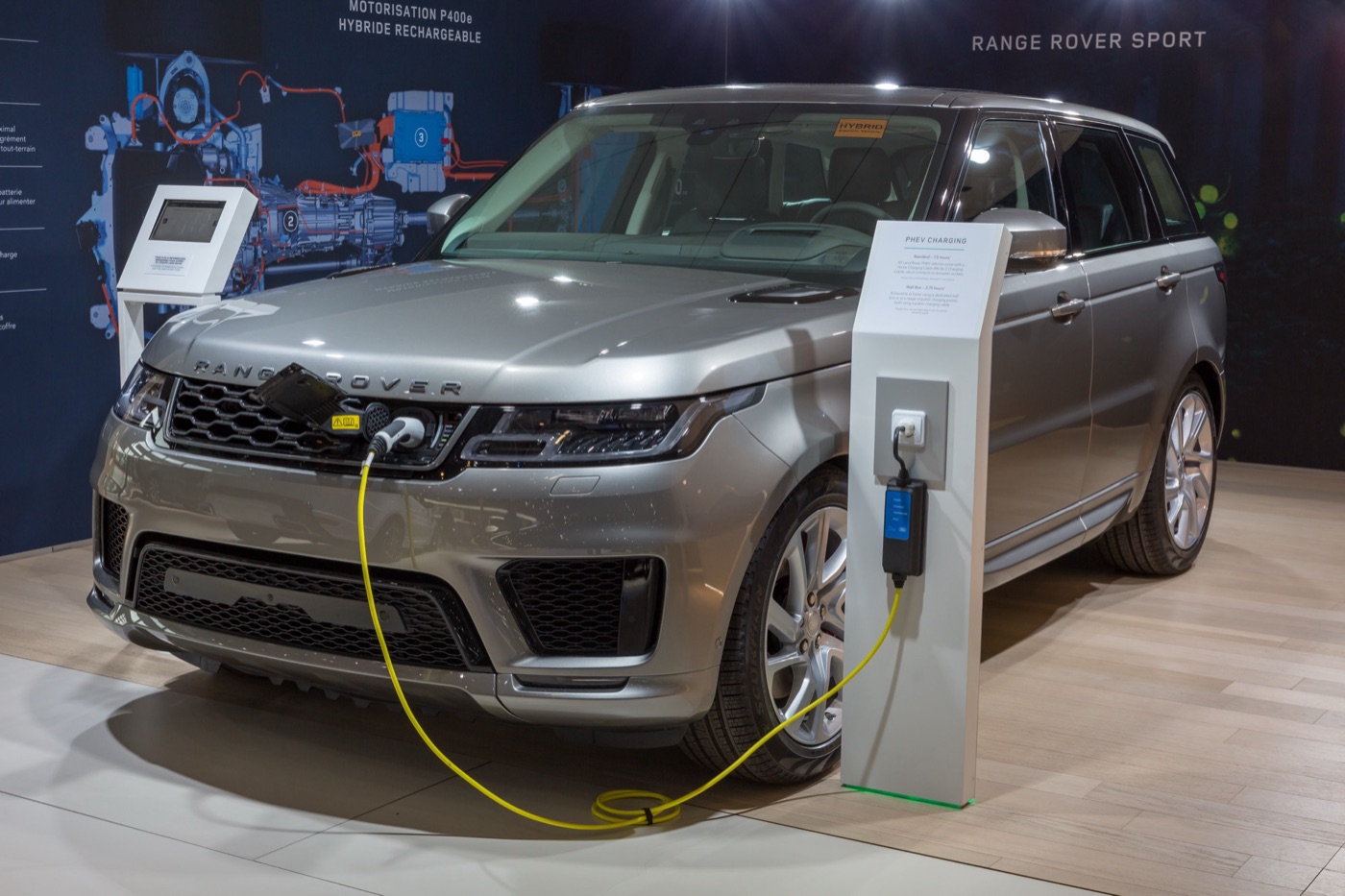
Land Rover's August 2013 release called the Range Rover and Range Rover Sport Hybrids "the world's first premium diesel SUV hybrids". The SDV6 drove through a 35kW motor integrated with the eight-speed ZF gearbox, in place of its torque converter according to Land Rover's September 2013 release, with a lithium-ion pack under the floor; the system weighed under 120kg, gave about a mile of electric running at up to 30mph and cut CO2 to 169g/km. The 2018 P400e was JLR's first plug-in hybrid: a 13.1kWh battery under the boot floor, a 7kW charger behind the grille badge, and a full charge in 2 hours 45 minutes from a 32-amp wall box or 7 hours 30 minutes from a domestic socket.
Range Rover Sport SVR
The SVR was the first car from Jaguar Land Rover's Special Vehicle Operations to wear the SVR badge, and the fastest Land Rover of its time. It was built alongside the other Range Rover Sports and kept the two-speed transfer case, the 850mm wading depth and a 3,000kg towing limit.
The first SVR, 2015 to 2017
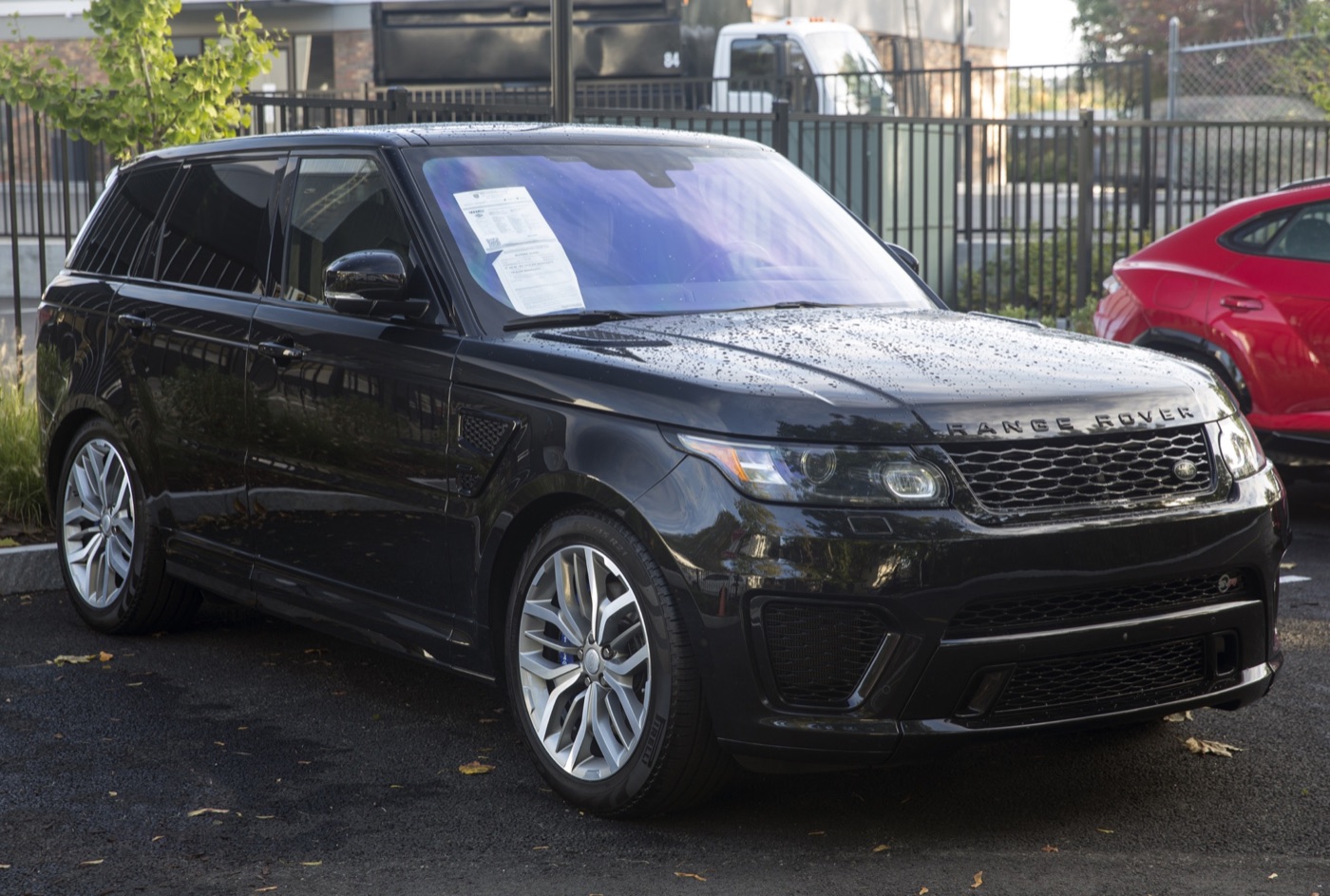
Land Rover lapped the Nürburgring Nordschleife in 8 minutes 14 seconds with a production SVR in July 2014 and revealed the car at Pebble Beach on 14 August. The Pebble Beach release gives 550PS and 680Nm (40PS and 56Nm more than the V8 Supercharged), 0–60mph in 4.5 seconds, a 162mph limit, Land Rover's first two-stage active exhaust and optional 22-inch wheels with Continental SportContact 5 tyres. CAR's 2015 review quotes 0–62mph in 4.7 seconds, "a couple of tenths slower than a Porsche Cayenne Turbo", and a 40kg saving from the seats and wheels; JLR's powertrain engineer Dave Warner told CAR the ZF gearbox was "quite close to the limit" of what it could take.
The facelifted SVR, 2018 to 2022
The 2018 SVR had 575PS and 700Nm, an optional exposed carbon-fibre bonnet with two vents, a new front bumper for brake and engine cooling and lightweight SVR Performance seats. In March 2018 a standard SVR driven by Ho-Pin Tung climbed the 99 bends of the Tianmen Mountain road in China in 9 minutes 51 seconds, against the 10 minutes 31 seconds of a modified Ferrari 458 Italia in 2016; Land Rover called it an "unofficial record". The SVR then cost from £99,680 in the UK.
SVR Carbon Edition and SVR Ultimate
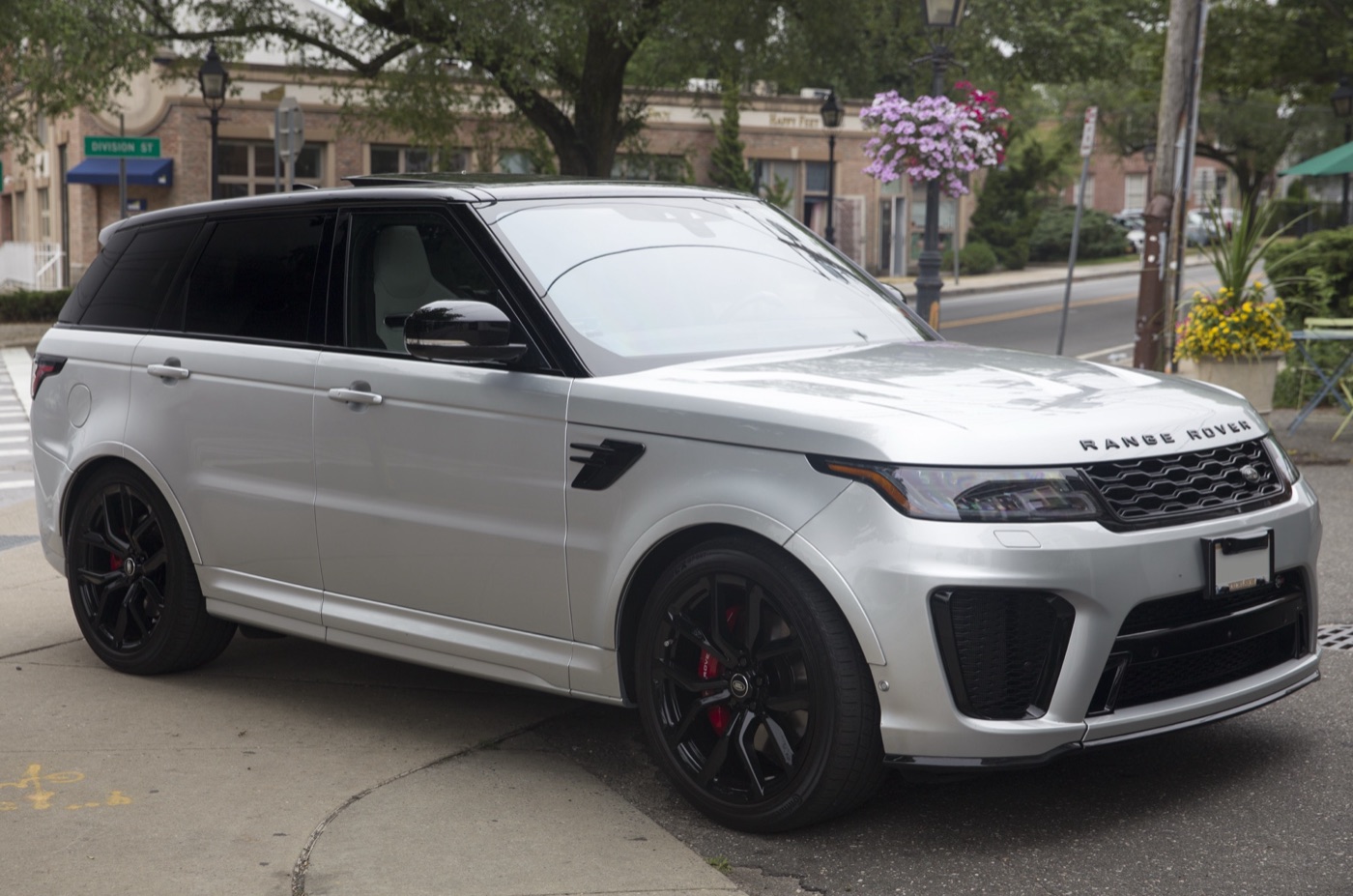
Two late editions closed the SVR's run. The SVR Carbon Edition of July 2020 had an exposed carbon-fibre bonnet centre, grille and bumper surrounds and 22-inch gloss black wheels. The SVR Ultimate, announced on 24 August 2021 by SV Bespoke, came in Gloss Maya Blue, Gloss Marl Grey or Satin Ligurian Black with Fuji White details, and cost from £123,900 in the UK according to Land Rover's release.
Special editions and variants
Land Rover sold the L494 in a run of special editions on top of the standard grades. The HST of February 2019 was the first with the 400PS straight-six, which was exclusive to it at launch; it had carbon-fibre trim on the bonnet, grille, side vents and tailgate, red callipers and five colours, and cost from £81,250. In July 2020, Land Rover's 2021 model-year release added the HSE Silver (Shadow Atlas trim, 21-inch wheels, panoramic roof), the HSE Dynamic Black (black pack, all-black cabin, Santorini Black or Carpathian Grey) and the SVR Carbon Edition, with UK prices from £65,295.
Records and challenges
Land Rover promoted the L494 with a series of filmed challenges, starting with a hill-climb record three months after the reveal. On 6 June 2013 the stunt and Pikes Peak driver Paul Dallenbach drove a 510PS V8, altered only with a roll cage and harnesses, up the 12.42-mile Pikes Peak course in Colorado in 12 minutes 35.61 seconds, a record for a production SUV that Land Rover's release says the Pikes Peak International Hill Climb organisers timed and sanctioned.
The Spitfire race came next. Ahead of the 2013 Goodwood Festival of Speed, Goodwood's FortyOneSix website set a V8 Range Rover Sport against a 1945 Supermarine Spitfire of the Boultbee Flight Academy on the grass airstrip at Goodwood Aerodrome: down the runway, a U-turn, and back. Land Rover's release of July 2013 says JLR's chief vehicle integrity engineer Mike Cross reached 130mph on the bumpy grass before braking for the turn, with Matt Jones flying the Spitfire. Land Rover left the result to the film. SkiddMark's 2013 report said the run was filmed with 35 crew and 16 cameras, repeated several times, and that the Range Rover finished ahead each time, by a very small margin.
On 3 November 2013 the Dakar driver Moi Torrallardona crossed 849km of the Empty Quarter, from Wadi Adda Wasir in Saudi Arabia to the border of the United Arab Emirates, in 10 hours 22 minutes in a standard V8 on standard tyres. In 2016 Ben Collins drove a 510PS Sport down the 14.9km Inferno ski course at Mürren in Switzerland in 21 minutes 36 seconds, at up to 96mph. In February 2018 Ho-Pin Tung drove a P400e up the 999 steps, at a 45-degree slope, to the Heaven's Gate rock arch on Tianmen Mountain, which Land Rover's release called a world first.
How many Range Rover Sport L494s were sold?
Land Rover has not published a production or sales total for the L494, but its own figures imply that up to about 620,000 had been sold by December 2020, with 18 months of sales still to come. The sum rests on two Land Rover figures. The reveal release of March 2013 said the first-generation Sport had sold more than 380,000 since 2005, and Land Rover North America's release of 8 February 2021 says the millionth Range Rover Sport was sold in December 2020. One million less 380,000 is 620,000, an upper figure, because L320s were still being sold for some months after March 2013; the L494 then stayed on sale until the L461 arrived in 2022. These are sales, not production numbers. The same release names the United States as the largest market, with 280,007 Range Rover Sports of both generations sold there.
Range Rover Sport L494 prices today
A used L494 in Britain asks from about £10,000 for a 2014 diesel to about £33,000 to £56,000 for a 2018–2020 SVR, according to the first page of PistonHeads adverts for each registration year on 28 October 2026. The median of the sampled adverts rises by about £5,000 between 2017 and 2018 registrations, the facelift year. PistonHeads listed 829 Range Rover Sports registered from 2014 to 2021, the years when the L494 was the only Range Rover Sport on sale.
| Registered | Adverts listed | Cars sampled | Price range of cars sampled | Median of cars sampled |
|---|---|---|---|---|
| 2014 | 71 | 20 | £10,000 to £20,995 | £13,992 |
| 2015 | 86 | 19 | £10,475 to £24,950 | £14,990 |
| 2016 | 89 | 19 | £9,995 to £20,990 | £15,495 |
| 2017 | 86 | 19 | £11,988 to £27,995* | £15,999 |
| 2018 | 167 | 18 | £14,995 to £31,995 | £20,990 |
| 2019 | 163 | 19 | £18,995 to £33,990 | £24,989 |
| 2020 | 76 | 19 | £19,990 to £34,299 | £27,551 |
| 2021 | 91 | 18 | £24,995 to £41,480 | £30,247 |
| SVR, 2015 to 2017 | 19 | 19 | £19,990 to £40,995 | £29,695 |
| SVR, 2018 to 2020 | 95 | 52 | £32,989 to £55,995 | £39,990 |
Source: PistonHeads Range Rover Sport and Range Rover Sport SVR adverts by registration year, fetched 28 October 2026. Each page shows its first 16 to 20 adverts in PistonHeads' default order, so the figures describe those cars, not a random sample of all adverts. Asking prices, not sale prices; some 2018-registered cars are pre-facelift. *Leaving out one 2017 SE TDV6 with 125,000 miles at £5,000. What Car?'s used review puts a good 2018 car at about £20,000, close to the sample, and SVRs from about £38,000, above most SVRs in the sample.
Range Rover Sport L494 common problems and what to check
The faults owners report on the L494 are mostly in the suspension, the electrics and infotainment, and the engine, and early cars in Britain carry a theft risk. What Car?'s used review says owners "previously reported faults with the suspension, infotainment and electrical systems", and that "other issues highlighted include warning lights and strange noises", with repeat dealer visits and some cars off the road for weeks waiting for parts.
How reliable is the Range Rover Sport L494?
It was among the least reliable cars when new and scores well now. In What Car?'s 2017 Reliability Survey of large SUVs up to three years old, the Range Rover Sport diesel came 27th of 27 with a score of 14.5 per cent: "60% of Range Rover Sport diesels had problems", the most serious in the gearbox, drivetrain, engine and suspension, not all were fixed under warranty and some were off the road for more than a week. Nine years on, the 2026 survey of luxury cars (updated 9 May 2026) scores the 2014–2022 Range Rover Sport at 94.9 per cent, third in its class and Land Rover's best model: 28 per cent of cars had a fault, mostly brakes, bodywork, engine and infotainment, 79 per cent of those were fixed in less than a day, and no owner paid for repairs. What Car?'s used review, updated in August 2026, quotes a higher score of 96.6 per cent, top of the luxury class.
What American owners report
The US safety regulator's database gives a breakdown by system. NHTSA files these cars as the Range Rover Sport (5 seat) and (7 seat); of 544 owner complaints about 2014 to 2022 model years (the 2016 five-seat query is one of them), read on 28 October 2026, 131 were filed under steering, 110 under the engine, 99 under the electrical system and 88 under suspension. Most of the steering complaints were filed in 2025 and 2026 and concern the front-knuckle recall below.
Front suspension knuckles and air suspension
In August 2025 Land Rover's American arm recalled 121,509 Range Rovers and Range Rover Sports of the 2014 to 2017 model years because "the front suspension upper knuckle joint may crack, which can result in suspension arm detachment" (NHTSA recall 25V-514, which replaced a 2024 recall of 2014–2016 Range Rovers). Dealers inspect the knuckles and fit a retaining bracket or a new knuckle. In the DVSA's UK file the knuckle recall, R/2022/341, lists Range Rovers only. A suspension warning message is a common theme of the American suspension complaints, so a car showing one needs a diagnosis before purchase.
Engine, cooling, oil and electrics
In the UK, R/2023/087 covers Range Rover Sports built from March 2017 to April 2022 whose water pump pulley belt can be damaged and stop the coolant flowing; late six-cylinder Ingenium cars built from December 2020 are in R/2024/255 for an oil filter housing made of the wrong plastic, which can crack and leak oil under pressure; and R/2018/036 recalled cars built from May 2016 to January 2018 whose fuel rail end caps could leak. The instrument cluster of cars built from September 2016 to August 2017 could go blank, fixed with new software under R/2017/288.
Theft and keyless security
In R/2025/149, JLR told the DVSA it was aware of "the increase in thefts of vehicles in specific geographical locations within the United Kingdom" and sent the keepers of 21,386 Range Rover Sports built from 2013 to mid-2015 a letter of security advice, saying there was no fault in its systems. Cars built from 2015 to 2017 received a software update under R/2024/146, and later cars (from August 2021) one under R/2024/147.
Which Range Rover Sport L494 to buy, and what to check
What Car? names the SDV6 diesel, "the big seller", as the version to seek out, in HSE trim, and puts a good 2018 facelift car at about £20,000. Before buying, run the registration through the DVSA's recall checker and ask for proof that each campaign was done; check that the car rises and lowers through each ride height and holds its height; and ask what security has been added since the theft campaigns. What Car? puts the car in insurance groups 44 to 50 and says maintenance at Land Rover dealers is expensive, though many sell fixed-price service plans of two to five years.
Range Rover Sport L494 recalls and running costs
The L494 has had 29 UK recalls and costs from £410 to £790 a year to tax for a pre-April 2017 car, or £640 a year for a later one in years two to six. The DVSA's recall file lists 29 Range Rover Sport recalls for cars built during the L494's production years, some of which also cover the third generation. The larger campaigns not described above are in the table; the coolant, oil, instrument and theft campaigns are under common problems.
| DVSA number | Launched | Range Rover Sports built | Number | Problem |
|---|---|---|---|---|
| R/2013/124 | October 2013 | March to October 2013 | 1,772 | Battery cable can chafe on Dynamic Response pipes; fire risk |
| R/2015/013 | February 2015 | May 2013 to January 2014, August 2014 to February 2015 | 1,575* | Brake servo vacuum hose can chafe on the auxiliary drive pulley |
| R/2015/119 | August 2015 | November 2012 to March 2015 | 35,250* | Doors can be unlatched with no warning and open while driving |
| R/2019/049 | April 2019 | March 2015 to July 2018 | 4,779* | CO2 emissions above the required level (software) |
Source: DVSA recalls file, downloaded 28 October 2026. *Campaign total shared with other Land Rover models: the Range Rover (R/2015/013, R/2015/119), and the Discovery, Discovery Sport, Evoque and Velar (R/2019/049).
Running costs and tax
For fuel economy, What Car? gives WLTP averages of about 32mpg for the 3.0 SDV6, 27mpg for the SDV8 and 18.9mpg for the SVR. Road tax depends on the registration date, according to GOV.UK's vehicle tax rate tables. A car registered before 1 April 2017 pays by its CO2 band: £410 a year for 186 to 200g/km (band J, which takes the 199g/km SDV6 of 2013), £445 for 201 to 225g/km and £790 over 255g/km. A car registered from 1 April 2017 pays the standard £200 plus the £440 supplement for cars that cost more than £40,000 new, which every L494 did at its list prices (from £51,550 in 2013 and £61,315 in 2017), for five years from its second tax payment.
Range Rover Sport L494 rivals
The L494's rivals were the large German SUVs: the Porsche Cayenne, BMW X5 and Audi Q7. SkiddMark's 2013 report set it against the Cayenne and X5 on weight, and CAR timed the SVR against the Cayenne Turbo. Auto Express's 2013 first drive of the SDV6 found the Cayenne had "the dynamic edge" but not the Range Rover's ride or motorway refinement, and What Car? says the Audi Q7 3.0 TDI and BMW X5 40d were "that little bit faster" than the SDV6. Inside Land Rover, the L405 Range Rover shared its platform and engines and cost more: £71,295 for the cheapest at its UK launch in September 2012.
Reception
Auto Express wrote that the weight loss had "taken the handling to another level", and called the 2013 SDV6 "a massively impressive machine" that "behaves like a car half its size in corners", and noted that the Autobiography Dynamic it tested reached 62mph two seconds sooner than the old SDV6 while returning 37.7mpg. CAR wrote that the SVR was "an enjoyable car to drive, with no 'for an SUV' caveat", though it disliked the red-striped seats of some cars. What Car? says most versions of the SUV "offer exemplary ride comfort", the best on the standard 20in wheels, and its used review calls the 2013–2022 Sport a "luxurious SUV" whose reliability record "has been poor over the years", while noting that its latest survey scores the car highly.
Questions
What does L494 mean on a Range Rover Sport?
L494 is Land Rover's project code for the second-generation Range Rover Sport, sold from 2013 to 2022. The first generation of 2005 is the L320 and the third, revealed in May 2022, is the L461.
Is the Range Rover Sport L494 a seven-seater?
It can be. An optional pair of powered third-row seats, which Land Rover called 5+2 seating, folds into the boot floor; What Car? describes them as difficult to reach and tight for space, so they suit children.
How deep can a Range Rover Sport L494 wade?
Land Rover quotes a maximum wading depth of 850mm, 150mm more than the L320, and the SVR keeps the same figure. Wade Sensing, an option, shows the water's depth on the screen.
Where was the Range Rover Sport L494 built?
At Land Rover's plant in Solihull, England. The SVR was built on the same line as the other versions.
Is the Range Rover Sport L494 made of aluminium?
Yes. Its monocoque body and most of its suspension are aluminium, and Land Rover said the platform was 39 per cent lighter than the L320's steel body and frame.
Which Range Rover Sport L494 has the most power?
The facelifted SVR of 2018 to 2022, with a 575PS supercharged 5.0-litre V8 and 700Nm. Land Rover quoted 0–60mph in 4.3 seconds and a top speed of 174mph.
When did the Range Rover Sport L494 get its facelift?
Land Rover announced the facelift on 4 October 2017 for the 2018 model year, with deliveries from early 2018. It brought new headlights and bumpers, the Touch Pro Duo screens and the P400e plug-in hybrid.
Sources
- Land Rover UK, "All-new Range Rover revealed at Paris Motor Show", 27 September 2012: L405 Range Rover UK prices.
- Land Rover, "All-New Range Rover Sport To Be Revealed In New York", 11 March 2013: New York as the largest market, live drive.
- Land Rover, "All-New Range Rover Sport Revealed", 26 March 2013: weight, dimensions, suspension, four-wheel drive, launch engines, seven seats, L320 sales.
- Land Rover, "Daniel Craig Closes Down NYC For Live Drive", 26 March 2013: the reveal and The Delivery.
- Land Rover North America, "2014 Range Rover Sport" press kit, 26 March 2013: US engines and prices, 0–60mph times, chassis systems.
- Land Rover UK, "UK prices and specifications announced for all-new Range Rover Sport", 25 April 2013: UK grades, prices and equipment.
- Land Rover North America, "All-New Range Rover Sport Sets Pikes Peak Hill Climb Record", 7 June 2013.
- Land Rover, "All-new Range Rover Sport Takes on Mighty Spitfire in a Unique Duel of British Legends at Goodwood", PR Newswire, July 2013.
- Land Rover, "Land Rover Launches Its First Hybrid Range Rover Models", 21 August 2013: the SDV6 Hybrid.
- Land Rover, "New Technology and Enhanced Customer Choice for Range Rover and Range Rover Sport", 4 September 2013: the SDV8.
- Land Rover, "New Range Rover Sport Sets Fastest Recorded Time For 'Empty Quarter' Desert Crossing", 4 November 2013.
- Land Rover, "Range Rover Sport SVR: Fastest Production SUV Around Nurburgring", 30 July 2014.
- Land Rover, "Pebble Beach Debut for New Range Rover Sport SVR", 11 August 2014: SVR specification.
- CAR, "Range Rover Sport SVR (2015) review", 2015.
- Land Rover, "Range Rover Sport Masters Downhill Alpine Ski Challenge", 7 November 2016: Inferno run, 2016 updates.
- Land Rover UK, "Range Rover Sport Plug-in Hybrid Electrifies Updates for 2018", 4 October 2017: facelift, P400e, 575PS SVR, UK sales.
- Land Rover, "Range Rover Sport PHEV Is First SUV To Climb To Heaven's Gate", 12 February 2018.
- Land Rover, "Supercar Beater: Range Rover Sport SVR Sets Tianmen Road Record", 13 March 2018.
- Land Rover, "New Engine and Driver Tech Upgrade for Range Rover Sport", 11 July 2018: 249PS SDV6.
- Land Rover, "New Range Rover Sport HST Adds Straight-Six Performance and Refinement", 13 February 2019.
- Land Rover, "Range Rover Sport Enhanced with Special-Edition Models and Powerful New Straight-Six Mild-Hybrid Diesels", 15 July 2020: engine list, special editions.
- Land Rover North America, "Range Rover Sport Hits Millionth Sale Milestone", 8 February 2021.
- Land Rover, "Land Rover Special Vehicle Operations Creates Ultimate Range Rover Sport SVR", 24 August 2021.
- Land Rover, "Introducing the New Range Rover Sport", 10 May 2022: the L461.
- Auto Express, "Range Rover Sport 2013 review": SDV6 first drive.
- What Car?, "Used Range Rover Sport 2013-2022 review": engines, seats, fuel economy, rivals.
- What Car?, "2017 What Car? Reliability Survey", large SUVs aged 0–3 years.
- What Car?, "Reliability Survey: Most reliable luxury cars", updated 9 May 2026.
- DVSA, vehicle recalls file, downloaded 28 October 2026.
- GOV.UK, "Vehicle tax rates", read 28 October 2026.
- PistonHeads, Range Rover Sport classified adverts, read 28 October 2026: asking prices.
- SkiddMark, reports of 27 March 2013 (the reveal), 25 April 2013 (UK prices) and 8 July 2013 (the Spitfire race).