Who owns Aston Martin? Every owner from Bamford to Lawrence Stroll
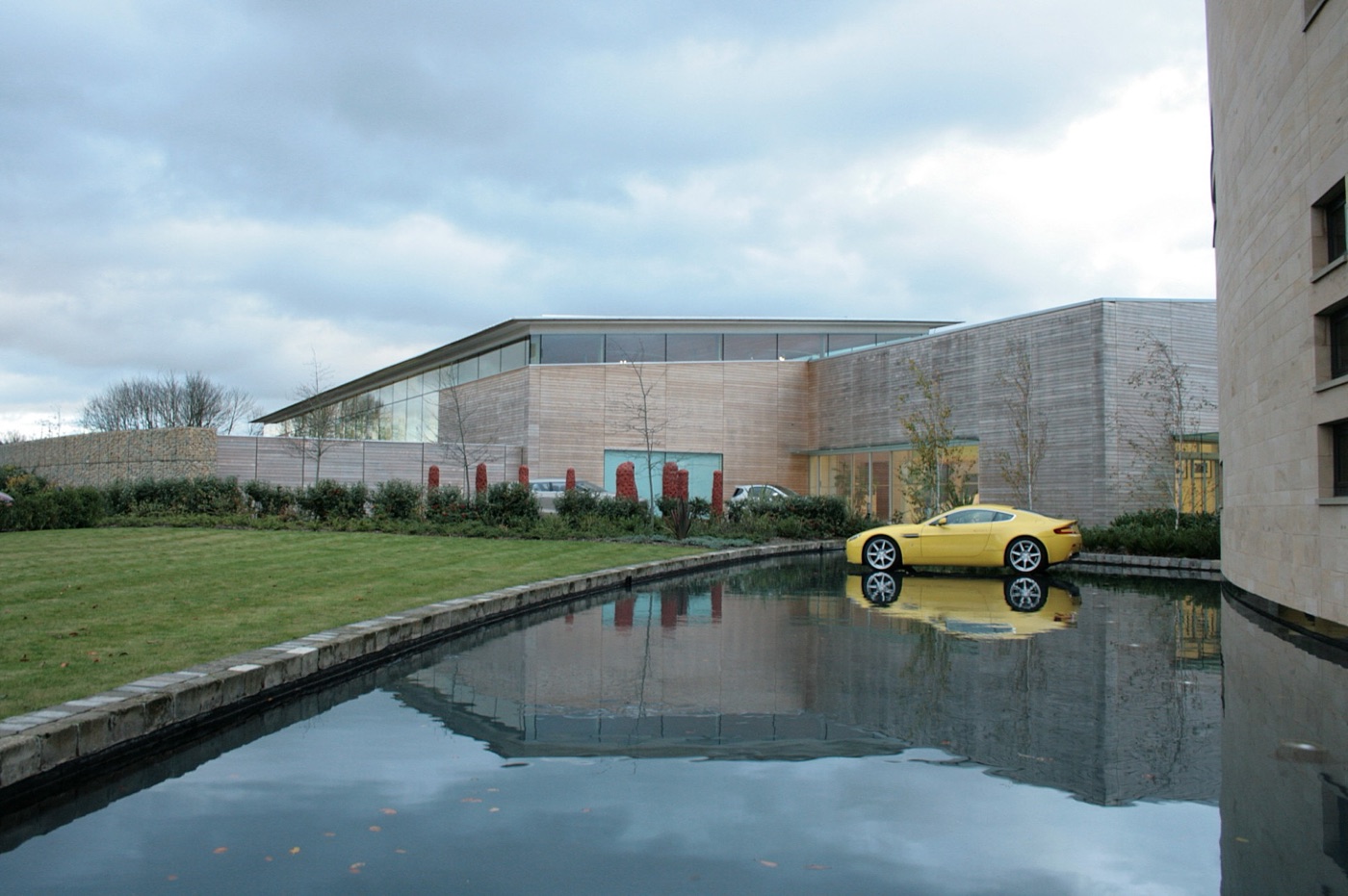
Aston Martin is owned by the shareholders of Aston Martin Lagonda Global Holdings plc, a company listed on the London Stock Exchange since October 2018, and no single owner holds a majority. The largest is the Yew Tree Consortium led by the executive chairman, Lawrence Stroll, with 32.99% of the votes at the end of 2025, ahead of Geely's chairman Li Shufu (14.08%), Saudi Arabia's Public Investment Fund (13.88%) and Mercedes-Benz (7.54%), according to Aston Martin Lagonda's 2025 annual report.
Before the listing the company changed hands about a dozen times. Lionel Martin and Robert Bamford founded it in 1913; David Brown owned it from 1947 to 1972; Ford held it from 1987 until 2007, when it sold the business for £479m to a group led by the Prodrive founder David Richards and backed by two Kuwaiti investment houses. The Formula One team that carries the name is a separate company, controlled by Stroll.
Who owns Aston Martin now?
Aston Martin's owners are its shareholders, and five hold more than 5% each, in four groups: the Yew Tree Consortium (whose figure includes Yew Tree Overseas and Ernesto Bertarelli), Li Shufu of Geely, the PIF and Mercedes-Benz. The 2025 annual report lists the holdings notified to the company under the Disclosure Guidance and Transparency Rules at 31 December 2025, and says no changes had been notified since. The stakes still stood as of 28 October 2026: the last holding notification in the company's stock market announcements was published on 15 May 2025, and its 2026 announcements cover share awards to employees and new borrowing.
| Shareholder | Ordinary shares | Share of voting rights |
|---|---|---|
| Lawrence Stroll (Yew Tree Consortium, total) | 333,968,263 | 32.99% |
| of which Yew Tree Overseas Ltd | 163,799,934 | 16.18% |
| of which Ernesto Bertarelli | 151,011,567 | 14.92% |
| Li Shufu (Geely) | 142,530,859 | 14.08% |
| The Public Investment Fund | 140,504,260 | 13.88% |
| Mercedes-Benz AG | 76,320,195 | 7.54% |
Source: Aston Martin Lagonda Annual Report and Accounts 2025, directors' report, "Substantial shareholdings". Stroll's figure includes the shares disclosed separately by Yew Tree Overseas and by Bertarelli.
Together those stakes carry about 68.5% of the votes. The rest is held by institutional and private investors who trade the shares on the London market under the ticker AML. The ownership structure is held together by governance rules: each of the four big groups (Yew Tree, the PIF, Geely and Mercedes-Benz) has its own relationship agreement with the company, which ties its seats on the board to the size of its stake. Yew Tree and the PIF can each nominate two directors at 10% or more; Geely one at 7%; Mercedes one between 7.5% and 15%, and two at 15% or more. Bertarelli has a separate right to one director while he holds 10%.
Aston Martin's parent company
The parent company is Aston Martin Lagonda Global Holdings plc, incorporated in England and Wales, which floated in an initial public offering (IPO) in October 2018. It owns, through holding companies, Aston Martin Lagonda Limited, the subsidiary that builds and sells the cars, sells parts, licenses the brand and runs its motorsport, along with sales companies in North America, China, Japan and Singapore and an engineering and marketing company in Germany. It holds 50% of Aston Martin Works, the heritage business at Newport Pagnell whose heritage sales, servicing and restoration cover older cars, and controls its management, so its results are counted in the group's accounts.
Lawrence Stroll and the Yew Tree Consortium
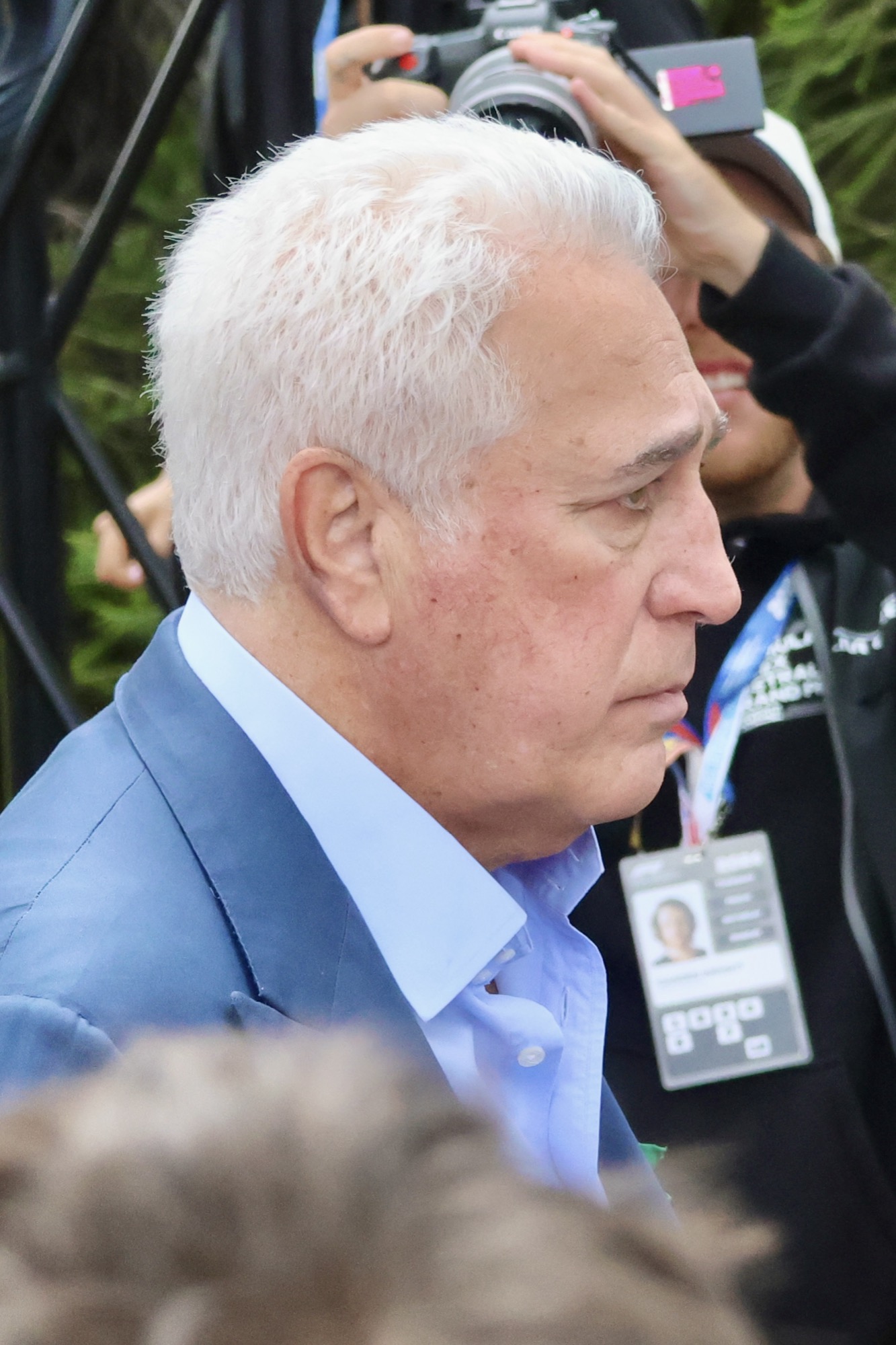
The Yew Tree Consortium is a group of investors whose votes are cast on Lawrence Stroll's instructions, and the board treats it as Aston Martin's controlling shareholder under the UK Listing Rules. Stroll, a Canadian billionaire who made his money building up brands including Tommy Hilfiger and Michael Kors, led it into the company in January 2020. Autocar reported on 31 January 2020 that the consortium was buying 16.7% for £182m (45.6 million new shares at £4) as part of a £500m rescue, and that its members included the JCB chairman Anthony Bamford, the former Power Corporation of Canada boss André Desmarais and the Hong Kong investor Silas Chou. Autosport added that Ernesto Bertarelli, the Swiss pharmaceutical magnate, and the Mercedes F1 team principal Toto Wolff had taken 3.4% and 4.8%.
The consortium has since bought more. It held 27.67% when the company announced on 31 March 2025 that Yew Tree would buy 75 million new shares at 70p, raising £52.5m and taking its stake to about 33%, and that it wanted to go to 35% "when possible". Crossing 30% would normally oblige it to bid for the whole company under Rule 9 of the Takeover Code, so the other shareholders voted on a waiver; they approved it in May 2025, with Yew Tree barred from voting, and the annual report says the money was raised "to support future growth and enhance liquidity". In 2026 members of the consortium also agreed to provide a £50m committed facility, whose closing conditions were met on 26 June 2026.
Geely and Li Shufu
Geely's stake is registered to Li Shufu, the chairman of the Chinese car group that also owns Volvo and Lotus. Geely was named as a possible buyer in 2012, when a SkiddMark report of the bidding recorded that Li had recently bought an Aston for his daughter as a wedding present. It lost out to Stroll in 2020, then bought 7.6% in September 2022. On 18 May 2023 it agreed to spend about £234m to become the third-largest shareholder, with about 17%: it bought about 42 million shares from the Yew Tree Consortium and subscribed for about 28 million new ones, both at 335p, and gained the right to a seat on the board. The year before, Aston Martin had turned down a £1.3bn investment offered by a consortium of Geely and Investindustrial, which Stroll called "a camouflaged, in disguise takeover … on the cheap", The Guardian reported on 15 July 2022.
Saudi Arabia's Public Investment Fund
The Public Investment Fund (PIF), Saudi Arabia's sovereign wealth fund, became a shareholder in July 2022, when Aston Martin needed capital after delays to its Valkyrie hypercar and DBX707 SUV. It bought £78m of new shares and took part in a £575m rights issue, which left it second only to Yew Tree and entitled it to two board seats; Yew Tree's stake fell from 22% to 18.3% in the same deal, and Mercedes-Benz put in £56m. The PIF also has a large stake in Lucid, the American electric car maker with which Aston Martin signed a deal in 2023 to buy powertrains for its electric vehicles, so the annual report treats Aston Martin's payments to Lucid (a committed minimum spend of £177m) as related-party transactions. Lucid was paid partly in 28,352,273 new Aston Martin shares.
Mercedes-Benz
Mercedes-Benz owns about 7.5% and, under a technology partnership, supplies Aston Martin's V8 engines, electrical architecture and entertainment systems. The link began in December 2013, when Daimler (now the Mercedes-Benz Group) agreed to provide engines and electronics in return for up to 5% of the company and a non-voting board seat, the Los Angeles Times reported on 19 December 2013. In October 2020 Aston Martin agreed to pay for wider access to Mercedes hybrid and electric technology with shares, raising Mercedes' holding "in stages" from 5% to as much as 20%, the BBC reported. That plan ended on 26 June 2023: the agreement was rewritten so that further technology would be paid for in cash, and no more shares were issued to Mercedes.
Who owns the Aston Martin F1 team?
The Aston Martin Aramco Formula One team is run by AMR GP Holdings, a separate company in which Lawrence Stroll indirectly controls the majority of the votes. AMR GP is not a subsidiary of Aston Martin Lagonda. The team was Racing Point (formerly Force India), which Stroll led, and it took the Aston Martin name from the 2021 season under the deal that brought him into the car company. Aston Martin held a minority stake in AMR GP from November 2023, earned through warrants under its sponsorship agreement, and sold it in 2025 for £106.3m of net proceeds; the sale completed on 29 September.
In February 2026 Aston Martin agreed to sell AMR GP the right to use "Aston Martin" in the team and chassis name in perpetuity, for £50m in cash. Because Stroll sits on both sides, the sale needed the approval of the other shareholders; at a general meeting on 9 March 2026, 97.49% of the votes cast were in favour. The sponsorship agreement runs until at least 2045, according to the company's announcement of 20 February 2026.
Every owner of Aston Martin, in order
Aston Martin has had about a dozen owners or controlling groups, most of them rescuers who bought a loss-making business. Andrew Frankel, writing for Goodwood in 2018, found that at times "it's dead easy to know who owned this always exciting company at a given moment in time, at others it's damned difficult"; the table of Aston Martin's ownership history follows the account he and Grace's Guide give, checked against contemporary reports.
| Years | Owner or controlling group | How it ended |
|---|---|---|
| 1913–1926 | Lionel Martin and Robert Bamford (Bamford & Martin), funded by Count Louis Zborowski from 1922 and Lady Charnwood from 1924 | Went under in 1925; Martin left in 1926 |
| 1926–1932 | Bill Renwick, Augustus Bertelli and investors including Lady Charnwood (Aston Martin Motors, Feltham) | Money ran out again in 1932 |
| 1932–1933 | Lance Prideaux-Brune | Passed to Sir Arthur Sutherland |
| 1933–1947 | Sir Arthur Sutherland and his family | Advertised for sale |
| 1947–1972 | David Brown (David Brown and Sons), who added Lagonda | Sold to Company Developments |
| 1972–1975 | Company Developments, chaired by William Willson | Receivers called in at the end of 1974 |
| 1975–1981 | Peter Sprague, George Minden, Alan Curtis and partners | Handed over to Pace Petroleum and CH Industries |
| 1981–1983 | Victor Gauntlett's Pace Petroleum and CH Industries | Pace's shares sold to Peter Livanos |
| 1983–1987 | Automotive Investments (Peter Livanos), with Gauntlett holding a quarter from 1984 | Ford bought 75% |
| 1987–2007 | Ford Motor Company (all of it from 1994) | Sold for £479m |
| 2007–2018 | David Richards, John Sinders, Investment Dar and Adeem Investment; Investindustrial 37.5% from 2013; Daimler up to 5% from 2013 | Floated on the London Stock Exchange |
| 2018 onwards | Public company; Yew Tree Consortium the largest holder since 2020 | Current |
Sources: Goodwood (Andrew Frankel, 2018); Grace's Guide; Motor Sport (October 1987); BBC (2007); Aston Martin Lagonda announcements.
Bamford and Martin, and the rescues of the 1920s
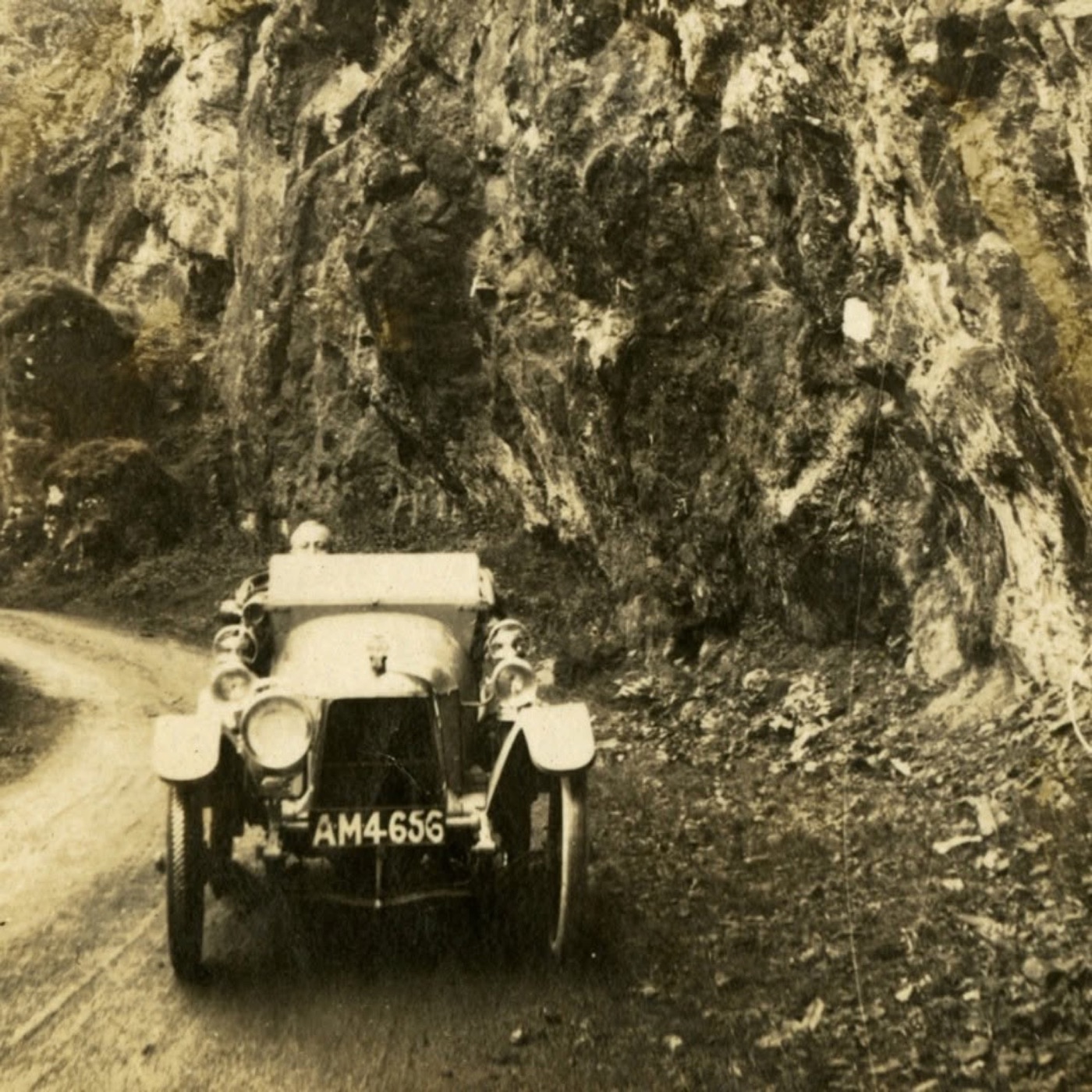
The founders, Robert Bamford and Lionel Martin, set up shop on 15 January 1913, selling and servicing other makers' cars before deciding to build their own, Aston Martin's own history records. The name came from Martin's runs at the Aston Hill climb in Buckinghamshire, and the first car, the "Coal Scuttle" prototype, had to wait until 1919 for its first event because of the war. Bamford left in 1920. The business lived on money from the racing driver Count Louis Zborowski, was saved by Dorothea, Lady Charnwood in 1924, went under anyway in 1925, and Martin himself left in 1926, Andrew Frankel's history of the owners notes.
In 1926 a group of investors including Lady Charnwood took control, renamed the firm Aston Martin Motors and moved it to Feltham in Middlesex, with Augusto (Bert) Bertelli as designer alongside W. S. Renwick, according to Grace's Guide. Renwick left in 1930, after a further injection of money from Sidney Whitehouse in 1929.
Prideaux-Brune and the Sutherlands
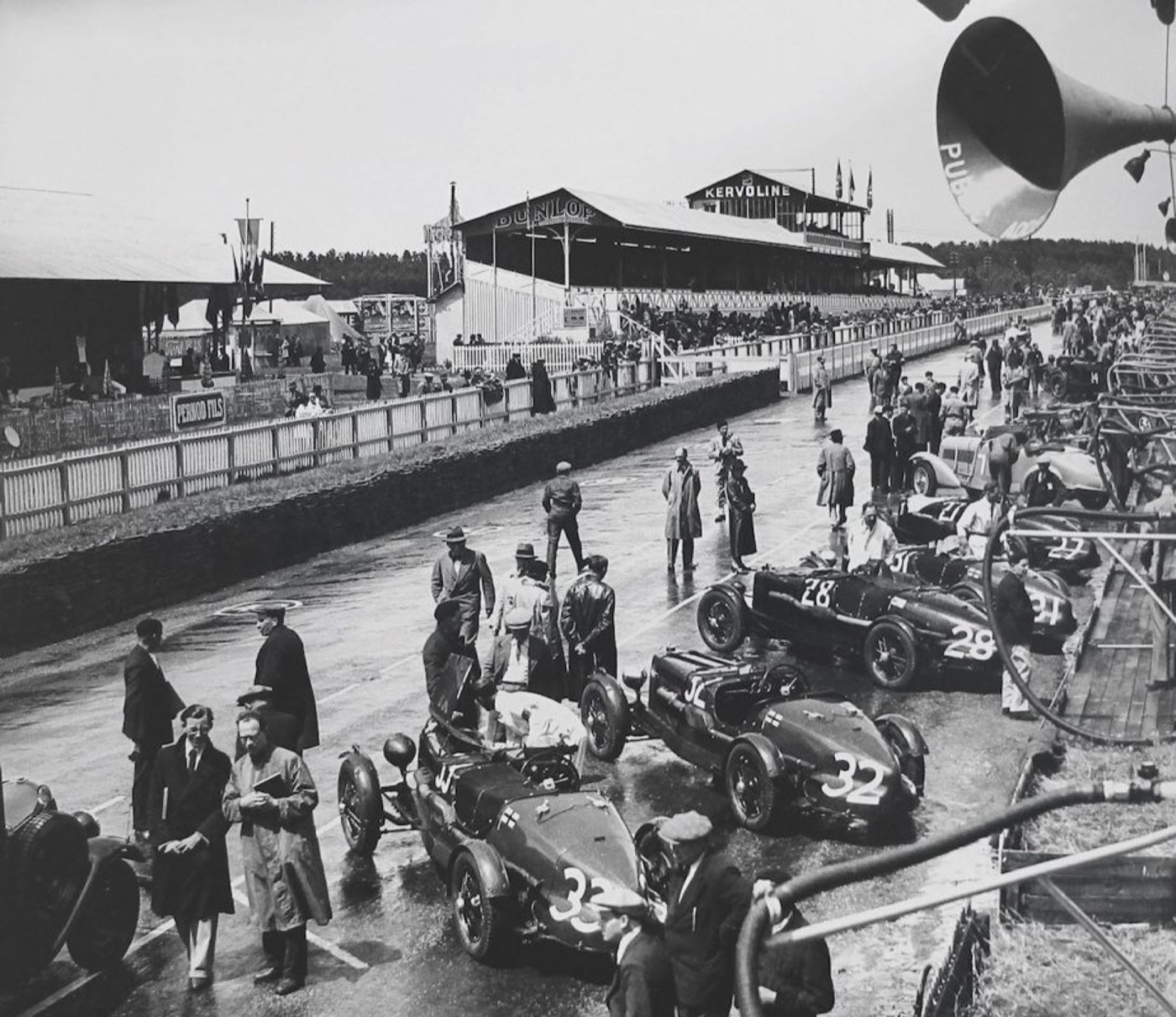
Lance Prideaux-Brune funded Aston Martin for a year from 1932 and then passed it to Sir Arthur Sutherland, whose family kept it through the Second World War. In 1936 the company decided to concentrate on road cars; Grace's Guide puts total production before the war at about 700. During the war it made aircraft parts for Vickers-Armstrong and employed about 130 people at its peak, Aston Martin's history says, and by late 1946 it was for sale.
David Brown
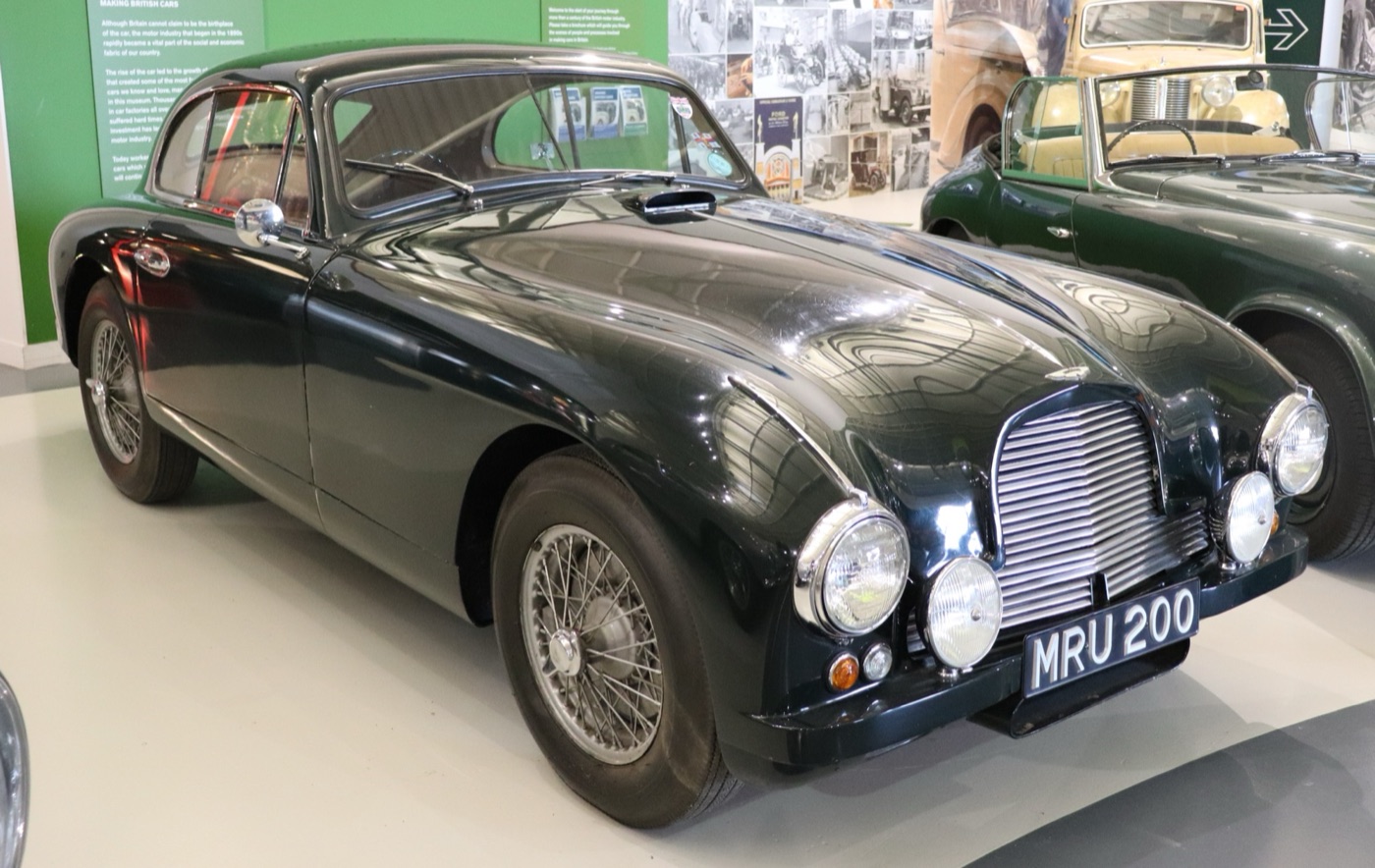
David Brown, the industrialist whose family firm made gears and tractors, bought Aston Martin in February 1947 after answering a classified advertisement in The Times for "a High Class Motor Business". He paid £20,500 and then bought Lagonda for £52,500, Grace's Guide and Frankel both record. Aston Martin's history dates the Lagonda deal to September 1947; Motor Sport's obituary of Brown and Grace's Guide put it in 1948. Lagonda brought a six-cylinder engine designed by W. O. Bentley, which went into the DB2 of 1949.
Brown bought the coachbuilder Tickford of Newport Pagnell in the mid-1950s (1954 in Aston Martin's history, 1955 in Grace's Guide) and moved production there. His initials named the DB cars, from the DB2 to the DB5 of 1963, the James Bond car of Goldfinger and Thunderball, and the DBS, and his team won Le Mans in 1959 with Roy Salvadori and Carroll Shelby in a DBR1. He stayed in charge until the business ran into trouble in the early 1970s.
Company Developments, the receivers and the Sprague consortium
In 1972 Brown sold Aston Martin Lagonda to Company Developments, an investment group chaired by William Willson, which called in the receivers at the end of 1974. In 1975 the business was bought from the receiver by a consortium that included the American Peter Sprague, the Canadian George Minden and the Briton Alan Curtis. Sprague, a Silicon Valley electronics entrepreneur, later wrote that he added "an all-electronic, computer-based information and control system" to William Towns's Lagonda saloon, in words Top Gear quoted in 2018: "It was an excellent idea but about 15 to 20 years ahead of its time."
Victor Gauntlett, Pace Petroleum and the Livanos family
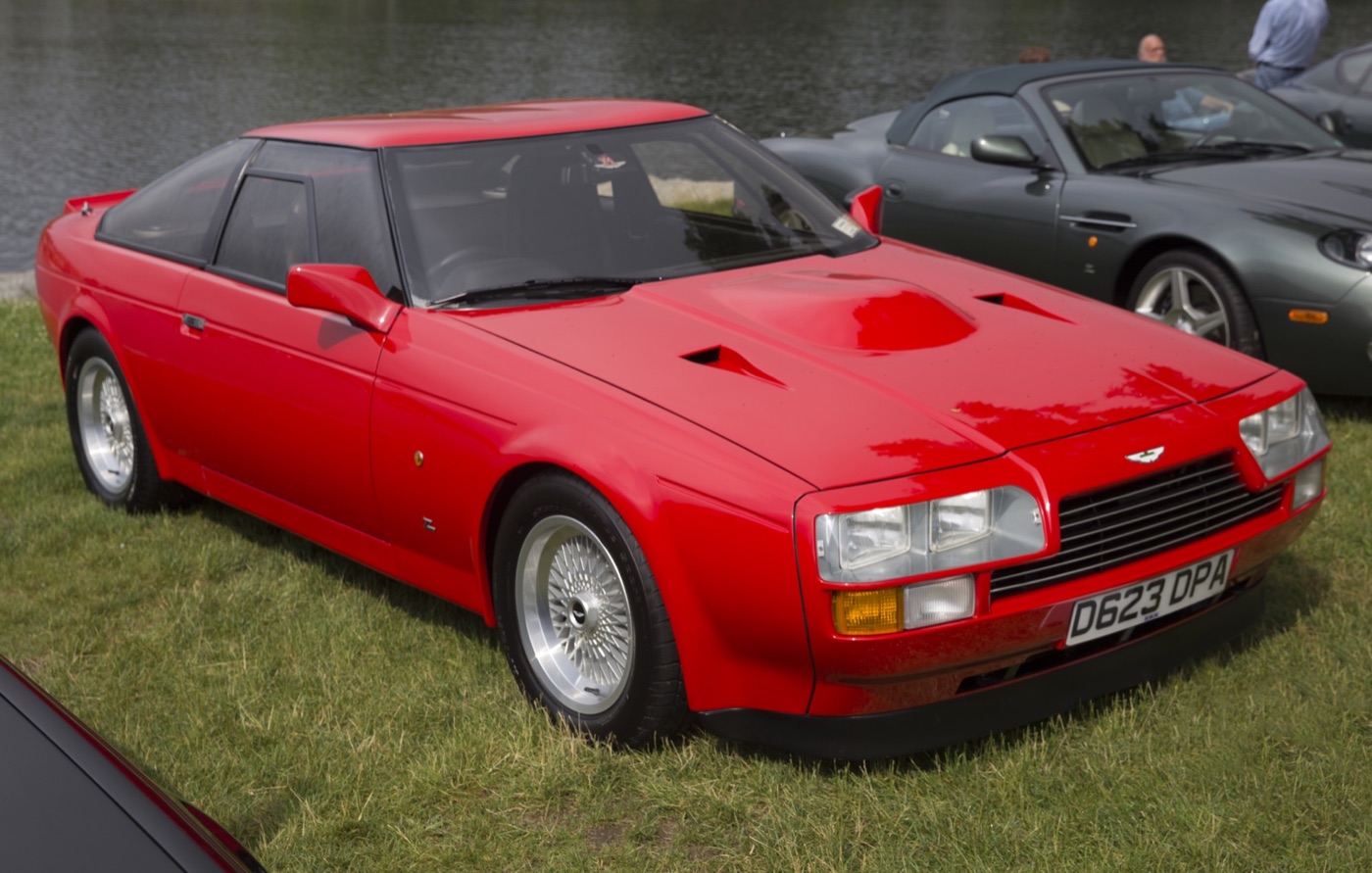
Victor Gauntlett, chairman of the oil distributor Pace Petroleum, joined Aston Martin Lagonda in 1980 and became its chairman and chief executive. By 1981 the company was owned by Pace and CH Industries. In 1983 Pace's shares were sold to the Greek shipping magnate Peter Livanos, who with the ship broker Nicholas Papanicolaou formed Automotive Investments; it then bought out CHI and Papanicolaou, and by 1984 it owned three-quarters of Aston Martin and Gauntlett the rest. The Aston Martin Heritage Trust credits the support of Peter Livanos and his family with steadying the company in those years. Under Gauntlett the company worked with Zagato again on the V8 Vantage Zagato, and an Aston Martin V8 returned to the Bond films in The Living Daylights in 1987.
Ford
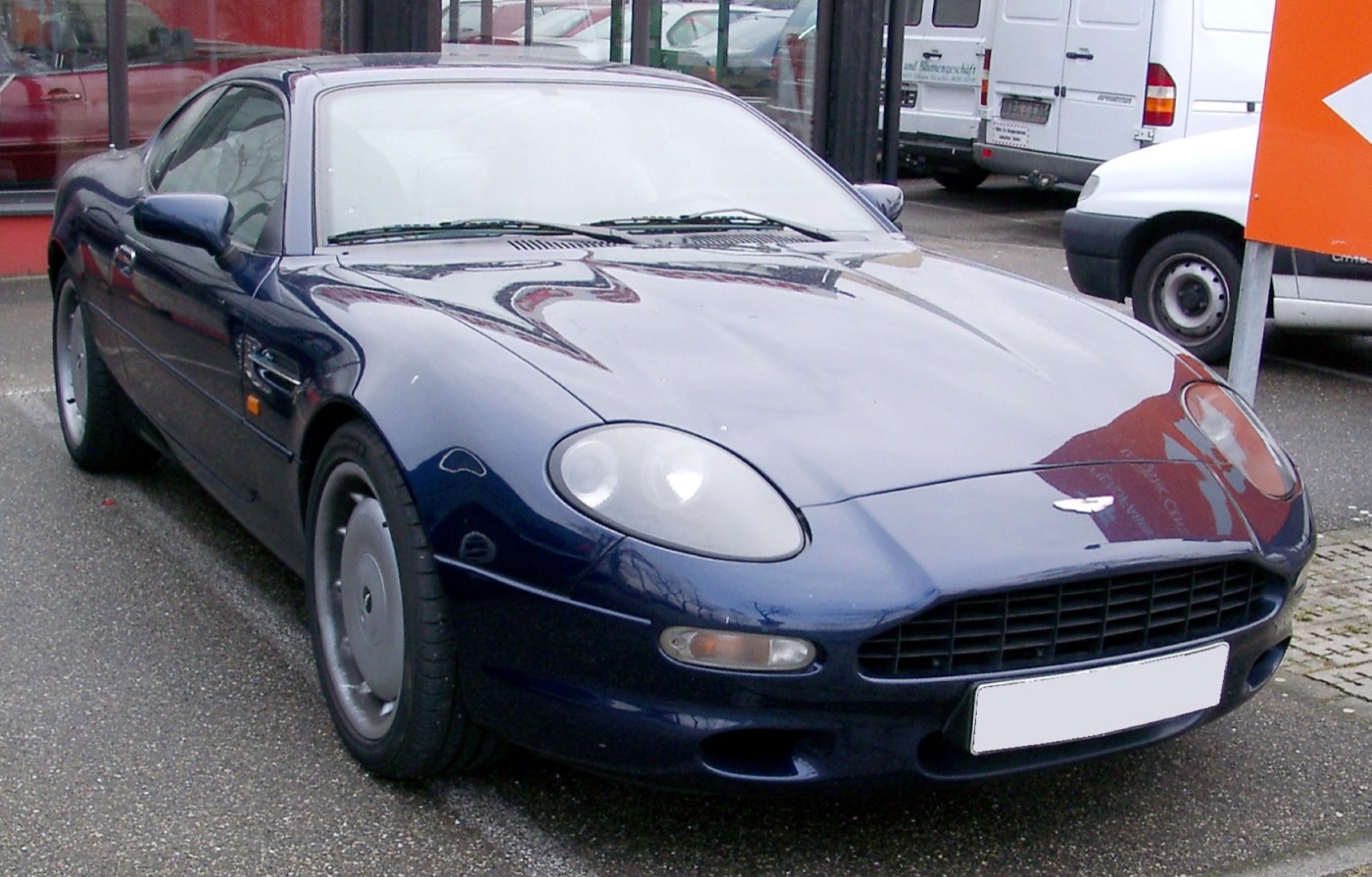
Ford Motor Company agreed in 1987 to buy 75% of Aston Martin Lagonda, with Gauntlett staying on as chairman and chief executive, Motor Sport reported in October 1987. At the time the company built five cars a week at Newport Pagnell and sold them for £65,000 to £87,500. Ford took full ownership in 1994, Andrew English's history of the DB7 for Hagerty records, and the DB7, developed in the Ford years, sold more than 7,100 cars between 1994 and 2004, more than any Aston before it. Money was tight even so: Walter Hayes, the former newspaper man who had steered Ford into racing and who replaced Gauntlett at the top, told English in 1994: "There was no money." The DB7 used a supercharged Jaguar six-cylinder engine and a body developed from a cancelled Jaguar design. Ford put Aston Martin into its Premier Automotive Group with Jaguar, Land Rover and Volvo in 1999. Ulrich Bez became CEO and chairman in July 2000 and oversaw the move from Newport Pagnell to a new factory at Gaydon in Warwickshire.
David Richards and the Kuwaiti investors
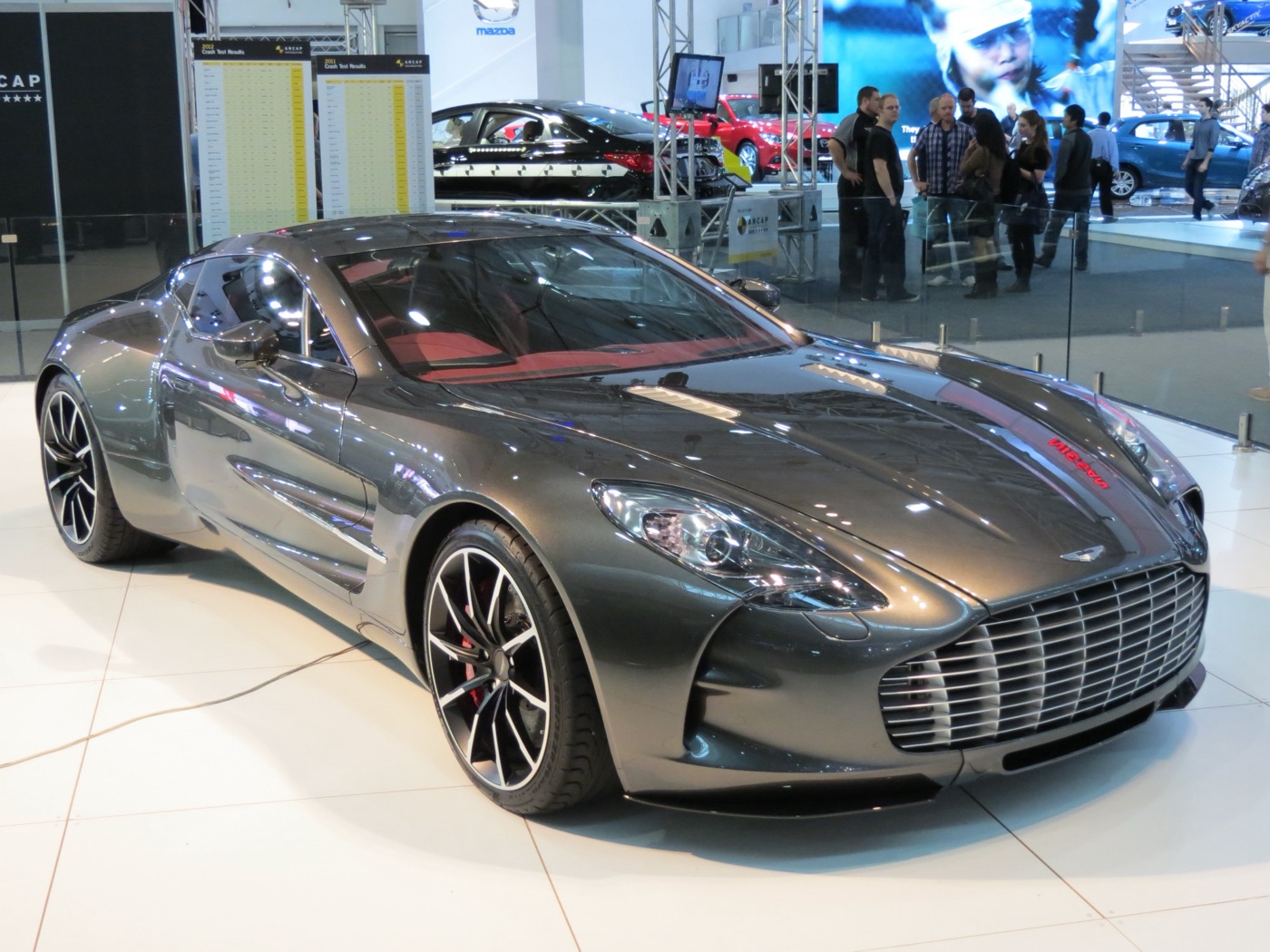
In March 2007 Ford sold Aston Martin for £479m to a consortium led by David Richards, the founder of Prodrive, keeping a stake of about £40m, the BBC reported. Richards, whose Prodrive already ran the Aston Martin Racing team, invested personally; the money came mainly from the Texan banker John Sinders and two Kuwaiti firms, Investment Dar and Adeem Investment. Investment Dar's 51% was partly paid for with a $393m sharia-compliant loan, and in April 2009 the firm defaulted on a $100m Islamic bond and agreed a standstill with its creditors, The Guardian reported in September 2009. Aston Martin cut 600 jobs, a third of its workforce, in December 2008.
The company kept spending on new cars. A 2012 SkiddMark analysis recorded that the One-77 had cost a little over $50m to develop and that all 77, at $1.7m each, had sold; Bez had told a briefing at Gaydon in 2011, "All the projects that we are doing have to make a profit. We can't afford a project that is just a marketing tool."
Investindustrial, Mahindra and the 2012 sale
By 2012 Investment Dar, which was restructuring about $5bn of debt after entering protective administration under Kuwait's Financial Stability Law in 2010 and being delisted from the Kuwait Stock Exchange that February, needed to sell. A SkiddMark report of the talks in December 2012 recorded that it held between 50% and 64% of Aston Martin and was selling its lowest-yielding assets, that the carmaker's revenues were down 20% on the year, that concerns had been raised over whether it could pay the interest due on its bonds in January 2013, that Moody's was considering cutting the company's B3 credit rating, and that £304m of bonds issued in June 2011 had to be repaid at 101% of face value if any new owner took more than half the votes. India's Mahindra & Mahindra, which insisted on management control, withdrew; Geely, Toyota and BMW were also named in reports.
On 7 December 2012 the Italian private equity firm Investindustrial agreed to invest £150m for 37.5%, towards more than £500m of spending on the development of new models over five years, the BBC reported. Investindustrial, founded by the Bonomi family in 1990, had just sold Ducati to Audi. The deal completed in spring 2013, leaving three main shareholders: Investment Dar, Adeem Investment and Investindustrial. Daimler joined later that year. Bez, who turned 70 in November 2013, was expected to move to an ambassadorial role at the end of that year, and Andy Palmer of Nissan became CEO in 2014, CAR reported.
The stock market listing
Aston Martin Lagonda Global Holdings plc floated on the London Stock Exchange on 3 October 2018 at £19 a share, which valued it at £4.33bn, Autocar reported. The offer was 57,000,723 shares, 25% of the company; Daimler kept its 4.9% and Investindustrial's stake was locked in for 180 days. The company raised no new money in the listing, and Andy Palmer later criticised Investindustrial for not allowing it to, The Guardian reported in 2022. The price fell almost 5% on the first day and kept falling. Before the listing, Autocar had credited new models such as the DB11 and the Vantage with the company's stronger outlook. By 31 January 2020, Autocar recorded, the Kuwaiti Adeem/Primewagon group and Investindustrial's Strategic European Investment Group still held 61% between them, cut to 50.5% by the shares issued to Stroll's consortium.
The Stroll era
Stroll's consortium arrived in January 2020 as the company ran short of cash after a profit warning. "This gives the necessary stability to reset the business for its long-term future," Stroll said of the £536m capital raise that followed in the spring, Autosport reported. Penny Hughes stepped down as chairman and Stroll became executive chairman, the BBC reported. In May 2020, with the share price down 94% since the flotation, Palmer left and Tobias Moers of Mercedes-AMG was named to succeed him from 1 August. The PIF arrived in 2022, Geely took its stake in 2022 and doubled it in 2023, and Yew Tree passed 30% in May 2025.
Who runs Aston Martin?
Lawrence Stroll is executive chairman and Adrian Hallmark, who ran Bentley from 2018, is chief executive officer (CEO); he joined in September 2024, according to the annual report. Hallmark is the fifth CEO since 2000.
| CEO | Took over | Came from |
|---|---|---|
| Ulrich Bez | July 2000 | Formerly Porsche |
| Andy Palmer | 2014 | Nissan |
| Tobias Moers | August 2020 | Mercedes-AMG |
| Amedeo Felisa | May 2022 | Ferrari |
| Adrian Hallmark | September 2024 | Bentley |
Sources: Autocar (2013, 2022), evo (2007, for Bez's Porsche background), CAR (2014), BBC (2020), Aston Martin Lagonda Annual Report 2025.
Why has Aston Martin changed hands so often?
Aston Martin has changed hands so often because it has rarely made money for long, and each owner that ran out of cash or patience sold to the next rescuer. When Ford bought in, the company "had been in bankruptcy seven times since its formation in 1913, and by the late 1980s its finances were as robust as a cobweb", Hagerty's Andrew English wrote.
How many times has Aston Martin gone bust?
Seven times before the Ford years, by Hagerty's count of bankruptcies. The failures on record in the sources above are the bankruptcy of 1924, the collapse of 1925 that ended Lionel Martin's time, the near-collapse of 1932, and the receivership at the end of 1974. The 2020 rescue followed a warning from the then chairman, Penny Hughes, that the balance sheet was "not robust enough to support the operations of the group" without new equity.
Aston Martin's finances today
The carmaker is still making losses and relies on its shareholders and lenders to fund new models until it returns to profitability. In 2025 its sales to dealers fell 10% to 5,448 cars, its revenue fell 21% to £1,257.7m and it made a loss before tax of £363.9m; net debt was £1,380m at the year end, the annual report shows. It closed a further £550m of loans in July 2026, and its results for the first nine months of 2026, published on 28 October 2026, put revenue up 38% at £1,017.3m, helped by deliveries of the Valhalla, with liquidity of £322m at 30 September.
Lagonda: Aston Martin's second marque
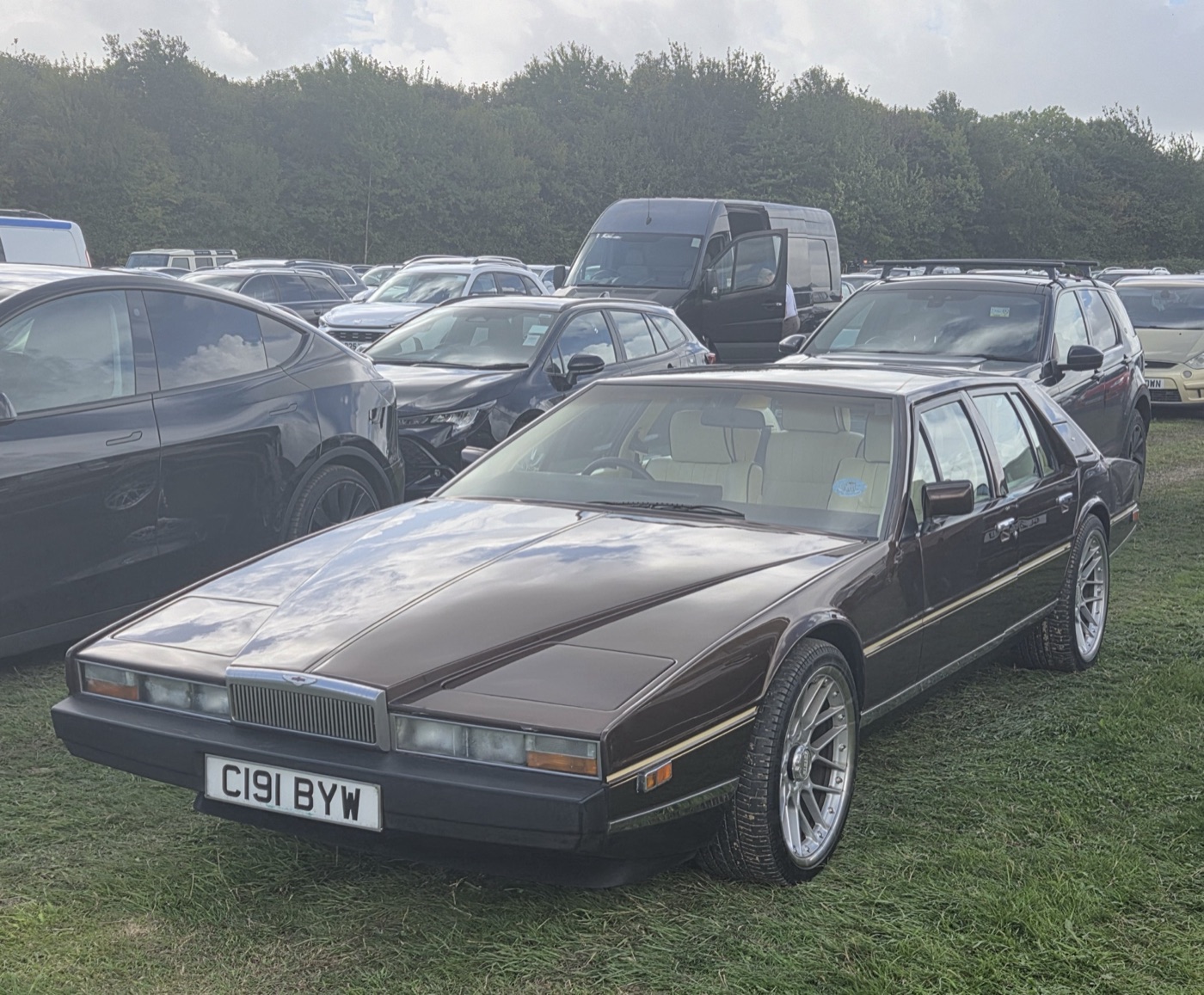
Lagonda is the second name in Aston Martin Lagonda: an older British car maker that David Brown bought straight after Aston Martin; the two have had the same owners ever since. The company dates Lagonda to 1899. It was started by Wilbur Gunn, an Anglo-American former opera singer, who named it after a river near his home town in Ohio and built it up at Staines; it went into receivership in 1935 and was bought by Alan Good before Brown took it over.
Lagonda Rapide and the Towns Lagonda
Under Brown the name went on the Lagonda Rapide, shown at the 1963 Motor Show. Under the Sprague consortium it went on William Towns's angular Lagonda saloon, which Top Gear dates to 1975; Grace's Guide records that the last car with the Lagonda name was made in 1989, under Ford.
The 2008 revival plan
Ulrich Bez announced in September 2008 that Aston Martin would revive Lagonda as a separate brand. "The revival of the Lagonda brand would allow us to develop cars which can have a different character than a sportscar," he said in a statement reported by SkiddMark that month; he wanted to show a concept in 2009, Lagonda's centenary year by his count, and to have a car on sale in 2012, and said that with Lagonda "I believe we can be present in more than 100 countries in the world". The concept, an SUV, appeared in 2009 and was never built for sale.
Lagonda Taraf
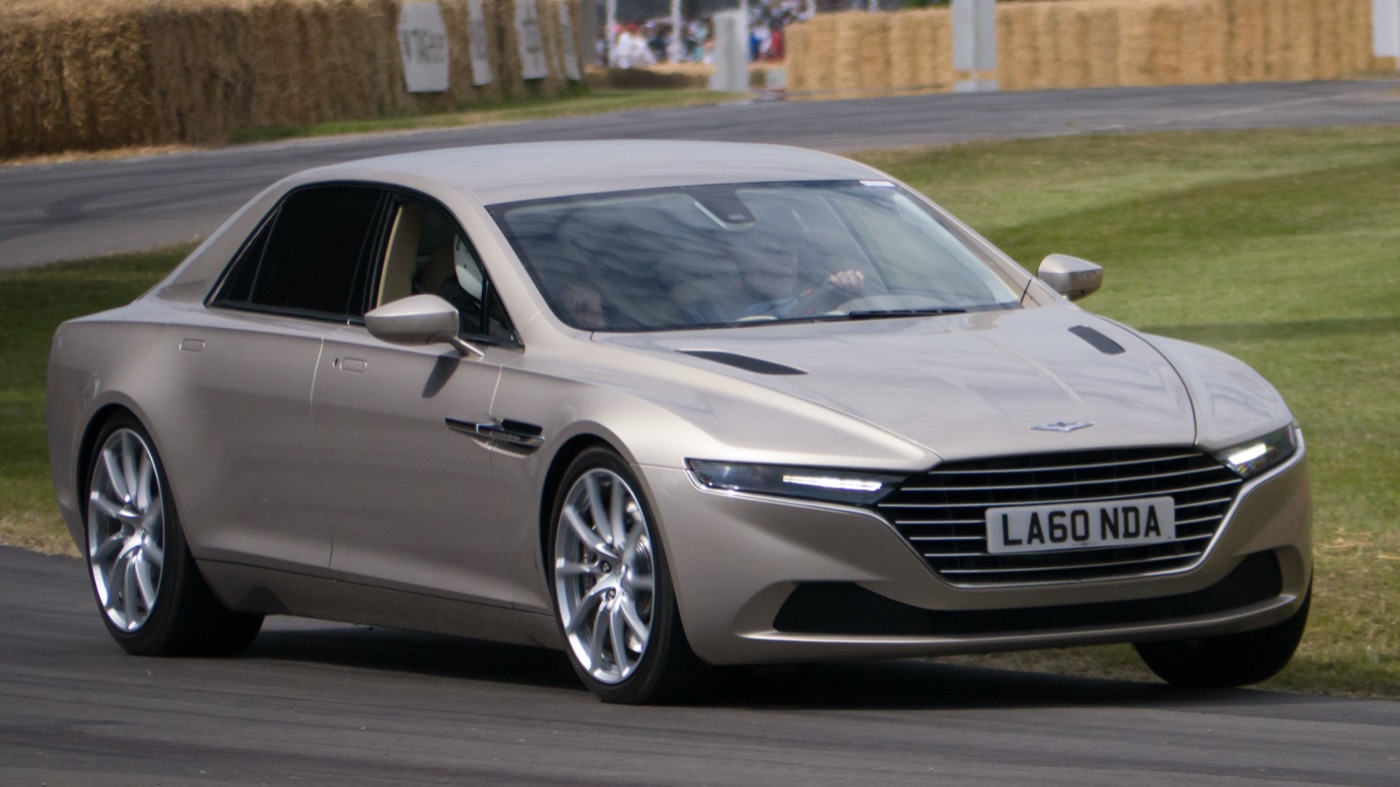
The Lagonda Taraf, a four-door super-saloon on Aston Martin's VH architecture, made its debut in Dubai and was offered by invitation, at first only in the Middle East, where many Towns Lagondas had been sold. It was hand-built at Gaydon in the workshop used for the One-77. "The Lagonda nameplate has always had a particular appeal for our customers in the Middle East," Palmer said at the launch, adding that the company was "evaluating the opportunity to offer this Lagonda in other markets", Top Gear reported.
The electric Lagonda and its end
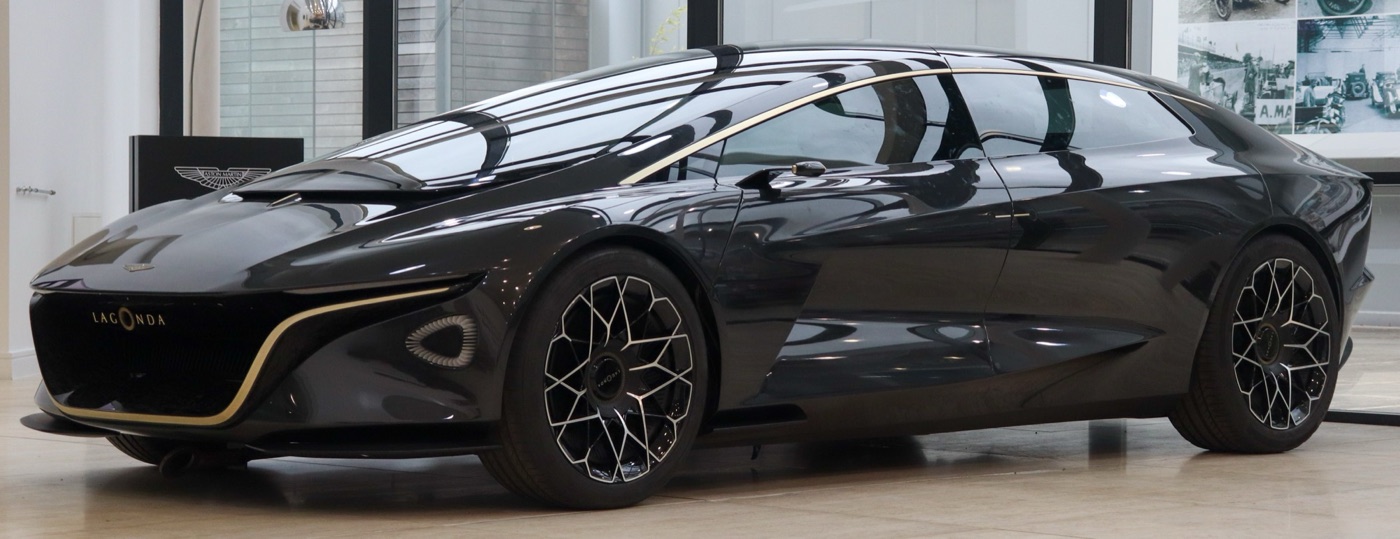
Under Palmer, Lagonda was to become an all-electric luxury brand, aiming to be the world's first with zero emissions. The Vision Concept saloon was shown at Geneva in March 2018 and an SUV concept followed in 2019; Palmer said they were aimed at "tech entrepreneurs, the guys who drive Teslas". The rescue plan of January 2020 put the relaunch, then planned for 2022, back until after 2025. In February 2024 Stroll ended it: "That idea is completely dead and has absolutely nothing to do with our electric vehicle plan," he told Autocar.
Where are Aston Martins made?
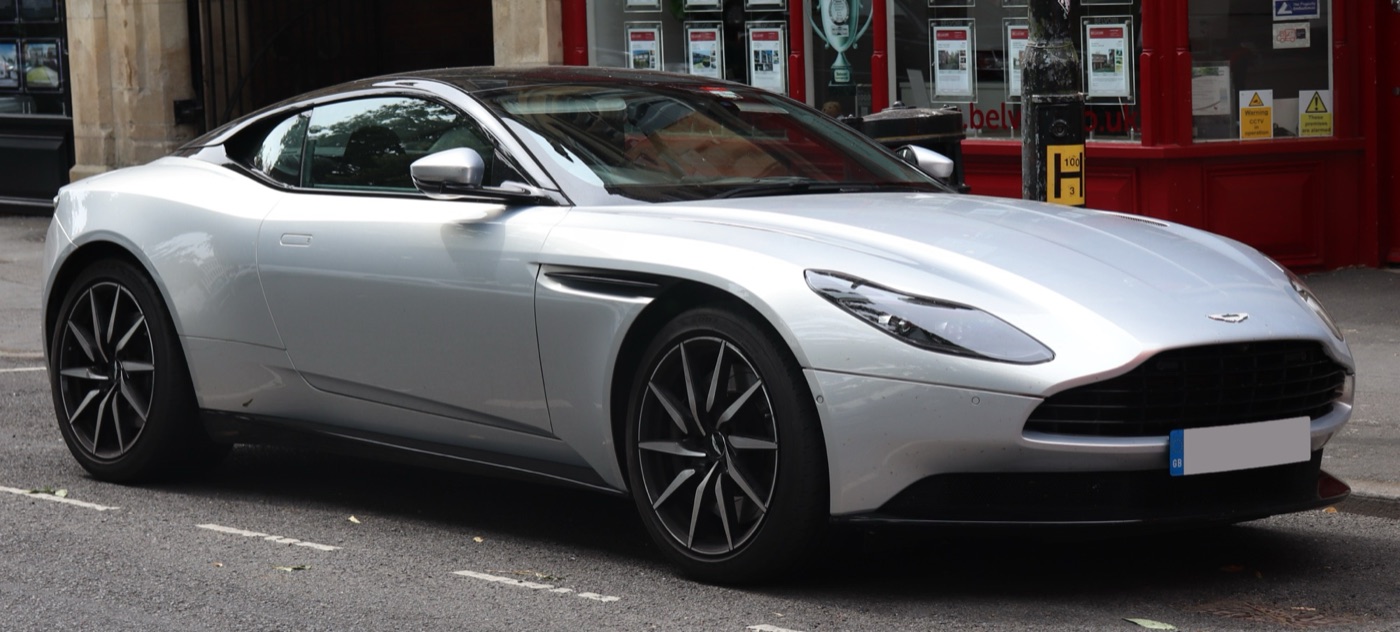
Aston Martin builds its sports cars and grand tourers at Gaydon in Warwickshire, where it also has its headquarters, and the DBX SUV at St Athan in South Wales, the company says in its stock market announcements. Gaydon was the company's first purpose-built factory, replacing Newport Pagnell, where Astons had been built since the 1950s. The then Prince of Wales officially opened the St Athan plant, which builds the first Welsh-made production cars in more than 50 years, according to Aston Martin's history. Its V8 engines come from Mercedes-AMG, and the cars are sold in more than 50 countries.
The range in 2026 is the Vantage, DB12 and Vanquish sports cars, the DBX707 and DBX GT SUVs and the Valhalla, Aston Martin's first mid-engined plug-in hybrid; the Valen was launched in the third quarter of 2026, with deliveries due from the second quarter of 2027. For electrification, the company says it is developing "electrified sports cars and SUVs" with a "blended drivetrain approach", and it had an average of 2,906 employees in 2025.
Questions
Is Aston Martin owned by Mercedes?
No. Mercedes-Benz AG owns about 7.5% of Aston Martin Lagonda (7.54% of the votes at the end of 2025) and supplies its engines and electronics, under a partnership that began in 2013. A 2020 plan to raise its stake to as much as 20% was replaced in 2023 by an agreement to pay for technology in cash.
Is Aston Martin owned by China?
No, though a Chinese investor is the second-largest shareholder. Li Shufu, chairman of Geely, held 14.08% of the votes at the end of 2025 and has one seat on the board; the largest holder is Lawrence Stroll's Yew Tree Consortium with 32.99%.
Is Aston Martin still a British company?
Yes. Aston Martin Lagonda Global Holdings plc is a UK company listed on the London Stock Exchange, with its headquarters and sports car factory at Gaydon in Warwickshire and its SUV factory at St Athan in Wales. Its largest shareholders are Canadian, Swiss, Chinese, Saudi and German.
Did Ford own Aston Martin?
Yes, from 1987 to 2007. Ford bought 75% in 1987, owned all of it by 1994, and sold it in March 2007 for £479m to a consortium led by David Richards, keeping a stake of about £40m.
Is Lawrence Stroll the majority owner of Aston Martin?
No. His Yew Tree Consortium is the largest shareholder and the board treats it as the controlling shareholder, but it held 32.99% of the votes at the end of 2025. Shareholders let it pass 30% in May 2025 without having to bid for the whole company.
Can you buy shares in Aston Martin?
Yes. Shares in Aston Martin Lagonda Global Holdings plc trade on the main market of the London Stock Exchange under the ticker AML. They were first sold at £19 each in October 2018.
Who owned Aston Martin before Lawrence Stroll?
Before Stroll's consortium bought in during January 2020, the largest holders were the Kuwaiti Adeem/Primewagon group and Investindustrial's Strategic European Investment Group, which held 61% between them, with Daimler holding about 5%. The Kuwaiti investors had owned the company since Ford sold it in 2007.
Who owns Lagonda?
Aston Martin Lagonda owns the Lagonda name, which David Brown bought in the late 1940s along with Aston Martin. A plan to relaunch it as an electric luxury brand was dropped; in February 2024 Lawrence Stroll called it "completely dead".
Sources
- Aston Martin Lagonda, Annual Report and Accounts 2025 (March 2026): substantial shareholdings at 31 December 2025, relationship agreements, controlling shareholder, Mercedes-Benz agreement of 2023, AMR GP sale, 2025 results, chief executive.
- Aston Martin Lagonda, "Proposed investment by Yew Tree Consortium" (RNS, 31 March 2025): 27.67% to c. 33%, 75 million shares at 70p, Rule 9, sale of the F1 stake.
- Aston Martin Lagonda, "Substantial investment in Aston Martin by Geely" (RNS, 18 May 2023): £234m, 335p, c. 17%, board seat.
- Aston Martin Lagonda, "Notice of GM and FY 2025 trading update" (RNS, 20 February 2026): sale of the F1 naming rights for £50m, Stroll's control of AMR GP, sponsorship to 2045.
- Aston Martin Lagonda, "Result of meeting" (RNS, 9 March 2026): 97.49% in favour of the naming rights sale.
- Aston Martin Lagonda, "Yew Tree Consortium facility closing conditions" (RNS, 26 June 2026): £50m committed facility.
- Aston Martin Lagonda, results for Q3 and nine months to 30 September 2026 (RNS, 28 October 2026): revenue, liquidity, July 2026 financing, factories.
- Aston Martin, "113 Years in the Making" (company history, read October 2026): founding date, Coal Scuttle, wartime work, David Brown's purchases, Tickford, Gaydon, St Athan.
- Andrew Frankel, "A brief history of Aston Martin's owners" (Goodwood Road & Racing, 2018): the chain of owners from 1913 to 2013, prices paid by David Brown.
- Grace's Guide, "Aston Martin", "Aston Martin Lagonda", "Lagonda" and "David Brown: Cars": interwar owners, Feltham, David Brown's advertisement and prices, 1972–1983 owners, Lagonda's history.
- Motor Sport, "Sir David Brown" (October 1993): Aston Martin 1947, Lagonda the following year, Le Mans 1959.
- Motor Sport, "Ford takes over Aston Martin" (October 1987): 75%, Gauntlett stays, production and prices.
- Andrew English, "The full English: Aston Martin DB7" (Hagerty): Ford's full ownership in 1994, seven bankruptcies, DB7 sales.
- Aston Martin Heritage Trust, "Victor Gauntlett: the man who kept Aston Martin alive" (May 2026): Gauntlett, the Livanos family, The Living Daylights.
- The Auto Channel, Victor Gauntlett obituary (2 April 2003): joined in 1980, chairman and chief executive, on the board until 1991.
- BBC News, "Aston Martin sold to UK-led group" (March 2007): £479m, Ford's £40m stake, the consortium.
- evo, "Aston Martin sold" (March 2007): Bez retained, the investors behind the deal.
- The Guardian, "Aston Martin in peril as owner Investment Dar runs out of cash" (27 September 2009): Dar's 51%, the loan, the default, job cuts.
- BBC News, "Aston Martin sells stake to Investindustrial" (7 December 2012): £150m for 37.5%, £500m model plan, Ducati.
- Autocar, "Ulrich Bez expected to step down" (April 2013): Bez's start in July 2000 and his move to an ambassadorial role.
- Los Angeles Times, "Aston Martin and Mercedes-Benz's parent company finalize partnership" (19 December 2013): up to 5%, non-voting board seat.
- CAR, "Aston Martin appoints Nissan's Andy Palmer as new CEO" (September 2014).
- Autocar, "Aston Martin share capital released onto London Stock Exchange" (October 2018): £19, £4.33bn, 25% offered, Daimler's 4.9%.
- Autocar, "Billionaire Stroll takes major stake in Aston Martin" (31 January 2020): 16.7% for £182m, consortium members, earlier shareholders, Lagonda delayed.
- BBC News, "F1 billionaire owner in Aston Martin rescue deal" (31 January 2020): executive chairman, Penny Hughes, the board's warning.
- Autosport, "Looking into Aston Martin's new era after Stroll purchase" (April 2020): Bertarelli 3.4%, Wolff 4.8%.
- BBC News, "Aston Martin chief leaves after 94% share price collapse" (26 May 2020): Palmer out, Moers in.
- BBC News, "Aston Martin: Mercedes to take 20% stake in luxury brand" (27 October 2020).
- Autocar, "Aston Martin CEO Tobias Moers to leave" (May 2022): Felisa appointed.
- The Guardian, "Aston Martin raises £650m as Saudi Arabia takes a stake" (15 July 2022): PIF's terms, Yew Tree 18.3%, Geely's rejected offer.
- Autocar, "Geely acquires 7.6% stake in Aston Martin" (September 2022).
- The Guardian, "Aston Martin issues another profit warning and sells F1 naming rights for £50m" (20 February 2026).
- Top Gear, "Aston's Lagonda could be sold worldwide": the Taraf's launch in Dubai, Palmer's quotes.
- Top Gear, "Aston Martin reveals its Lagonda Vision Concept" (2018): Wilbur Gunn, the 2009 SUV concept, Sprague's quote, zero-emissions aim.
- Autocar, "Lagonda 'completely dead' as Aston Martin focuses on sports cars" (28 February 2024).
- SkiddMark, "Aston confirms revival of the Lagonda marque" (September 2008); "An update on Aston Martin: India steps back, while China and perhaps Germany show interest" (December 2012); "Aston Martin serves up a lesson in corporate strategy" (10 December 2012); "Investindustrial completes equity investment in Aston Martin" (1 May 2013): Bez's Lagonda statement, the 2012 bidding, the One-77's economics, completion of the Investindustrial deal.